
Are You Supposed To Put Water In An Air Purifier? Essential Guide

No, you are generally not supposed to put water in a standard air purifier. Water is typically added to humidifiers or specific types of air purifiers designed for humidification, not to standard HEPA or activated carbon filter units. Adding water to the wrong type of air purifier can damage the unit, reduce its effectiveness, and create a breeding ground for mold and bacteria.
Are You Supposed To Put Water In An Air Purifier? An Essential Guide
Ever stared at your air purifier, wondering if a little water might boost its performance? It’s a common question, especially when you see humidifiers adding moisture to the air. Many people get confused because some devices seem to do both. This guide will clear up the confusion, explaining exactly what kind of air purifier needs water and what happens if you add it to the wrong one. Let’s dive in and ensure you’re using your air purifier correctly for the cleanest, healthiest air possible.
Understanding Your Air Purifier: The Crucial First Step
Before you even think about adding water, it’s vital to know what kind of air purifier you have. Most standard air purifiers are designed solely to filter pollutants like dust, pollen, pet dander, and smoke from the air. They achieve this through filters like HEPA and activated carbon. Adding water to these units can interfere with their filtration process and potentially cause damage.
Key Takeaway: Always identify your air purifier type before considering adding water.
The Difference Between Air Purifiers and Humidifiers
Air purifiers and humidifiers serve distinct purposes in home air quality management. Air purifiers focus on removing contaminants, while humidifiers add moisture to dry air. Some devices combine these functions, but they are designed differently to handle water safely and effectively. Understanding this distinction is key to proper appliance use.
Key Takeaway: Air purifiers clean air; humidifiers add moisture. Combining functions requires specific design.
Do All Air Purifiers Need Water? The Short Answer
The short answer is a resounding no. The vast majority of air purifiers on the market do not require water. They operate using fans to draw air through a series of filters that trap particles. If your air purifier doesn’t have a designated water tank or mention humidifying capabilities in its manual, you should never add water to it.
Key Takeaway: Most air purifiers do not use water; check your manual.
When Water IS Required: Humidifying Air Purifiers
There are specific types of air purifiers, often called “air washer” or “humidifying air purifiers,” that are designed to both clean and humidify the air. These units have a water reservoir and a mechanism, often a rotating disc or wicking filter, to disperse moisture into the air as it’s being filtered. If your device has a visible water tank and instructions for filling it, then yes, you are supposed to put water in it.
Key Takeaway: Only air purifiers explicitly designed for humidification require water.
What Happens If You Put Water in a Standard Air Purifier?
Adding water to a standard air purifier that isn’t designed for it can lead to several problems. The water can damage the internal electronic components, short-circuit the motor, or degrade the filters, making them less effective. Furthermore, stagnant water in a warm environment is a perfect breeding ground for bacteria and mold, which can then be dispersed into your air, worsening air quality.
Key Takeaway: Water in non-humidifying air purifiers can cause damage and spread contaminants.
Identifying Your Air Purifier Type: A Practical Guide
To determine if your air purifier needs water, consult your user manual. This is the most reliable source of information. Look for terms like “humidifier,” “air washer,” “water tank,” or “moisture control.” If these are absent, and the device focuses solely on filtration (HEPA, activated carbon, pre-filter), it’s a standard air purifier. You can also check the manufacturer’s website for product specifications.
Key Takeaway: Your user manual is the definitive guide to your air purifier’s function.
Pros and Cons of Humidifying Air Purifiers
Humidifying air purifiers offer a dual benefit for your home environment. They can improve air quality by removing pollutants while simultaneously increasing humidity levels, which can alleviate dry skin, sore throats, and static electricity. However, they require more maintenance, as the water tank needs regular cleaning and refilling to prevent mold and bacteria growth.
| Feature | Benefit | Drawback |
| :—————- | :—————————————— | :——————————————- |
| Dual Functionality | Cleans and humidifies air in one unit | Higher maintenance requirements |
| Improved Comfort | Relieves dry air symptoms | Risk of mold/bacteria if not maintained |
| Space Saving | Combines two appliances into one | Potentially higher initial cost |
Key Takeaway: Humidifying purifiers offer combined benefits but demand diligent maintenance.
Maintenance Tips for Air Purifiers (With or Without Water)
Regardless of whether your air purifier uses water, regular maintenance is crucial. For standard air purifiers, this means cleaning or replacing filters according to the manufacturer’s schedule. For humidifying air purifiers, you must regularly empty, clean, and refill the water tank with distilled or demineralized water to prevent mineral buildup and microbial growth. Always unplug the unit before performing any maintenance.
Key Takeaway: Consistent filter changes and tank cleaning (if applicable) are essential for optimal performance.
Common Air Purifier Brands and Their Water Requirements
Many popular brands offer different types of air treatment devices. For instance, brands like Dyson often have models that combine fan, heater, and air purification, but they do not use water. On the other hand, brands like Philips and Levoit offer some models that integrate humidification. Always check the specific model number and its features. For example, a Philips Series 2000i air purifier is a standard filter unit, while a Philips HU series might be a humidifier.
Key Takeaway: Brand names alone aren’t enough; always verify the specific model’s capabilities.
When to Consider a Humidifier vs. an Air Purifier
If your primary concern is dry air, especially during winter months or in arid climates, a dedicated humidifier might be a better choice. Humidifiers are optimized for moisture output and often have larger water tanks. If your main issue is airborne pollutants like dust, allergens, or odors, a standard air purifier is what you need. If you suffer from both dry air and allergies, a combined unit could be beneficial, but ensure you understand its maintenance needs.
Key Takeaway: Choose the appliance that best matches your primary air quality concern.
Troubleshooting Common Air Purifier Issues Related to Water
If you’ve accidentally added water to a standard air purifier and it’s not working correctly, unplug it immediately. Allow it to dry completely for at least 24-48 hours in a well-ventilated area before attempting to use it again. If it still malfunctions, it may have sustained damage, and you might need to contact the manufacturer or consider a replacement. For humidifying units, ensure the water tank is clean and filled correctly, and check that the humidifier wick or disc is functioning.
Key Takeaway: Act quickly if water is added to the wrong unit; drying is crucial, but damage is possible.
Frequently Asked Questions About Air Purifiers and Water
Do I need to put water in my Blueair air purifier?
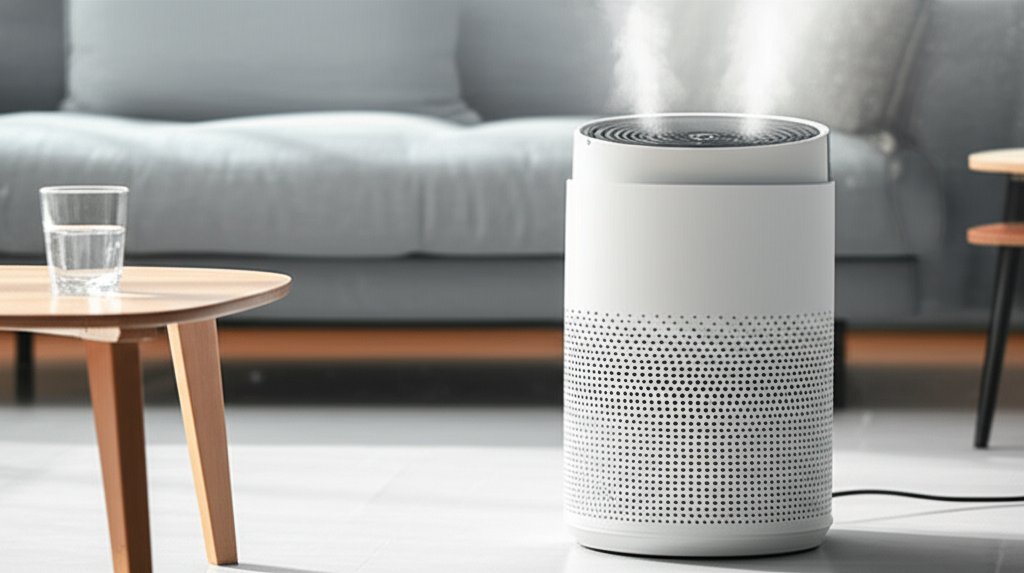
No, Blueair air purifiers are designed for air filtration only and do not use water.
Can I put essential oils in my air purifier?
Generally, no. Essential oils can damage the filters and internal components of most air purifiers. Diffusers are designed for essential oils.
What kind of water should I use in a humidifying air purifier?
It’s best to use distilled or demineralized water to prevent mineral buildup and the dispersal of minerals into the air.
How often should I clean the water tank of my humidifying air purifier?
You should clean the water tank at least once a week, or more often if you notice any slime or odor.
My air purifier smells musty, what should I do?
This usually indicates mold or mildew growth. If it’s a standard air purifier, check and replace the filters. If it’s a humidifying unit, thoroughly clean the water tank and all components that come into contact with water.
Can I use tap water in a humidifying air purifier?
While you can, tap water contains minerals that can be dispersed into the air as white dust and can also lead to scale buildup inside the unit, reducing its efficiency and lifespan. Distilled or demineralized water is highly recommended.
Conclusion: Water and Your Air Purifier – Know the Difference
So, are you supposed to put water in an air purifier? For most standard air purifiers, the answer is a definitive no. Adding water can damage the unit and spread harmful contaminants. Only air purifiers specifically designed as humidifying units or air washers require water in their designated tanks. Always refer to your user manual to understand your specific device’s function and maintenance needs. By knowing the difference, you can ensure your air purifier effectively cleans your air, providing a healthier and more comfortable living environment.
