Are Plants Air Purifier? Genius Essential Guide

Yes, plants can act as natural air purifiers, helping to remove certain toxins from your indoor environment. This guide explores how plants improve air quality, which are the best, and how to maximize their benefits for a healthier home.
Breathing clean air indoors is crucial for our well-being, yet many homes suffer from poor air quality due to common pollutants. You might be wondering, “Are plants air purifiers?” It’s a common question, and the answer is a resounding yes, with some important nuances. I’m here to guide you through the science and practicalities of using houseplants to create a healthier living space. Get ready to discover how a touch of green can significantly refresh your home’s atmosphere.
The Science Behind Plants as Air Purifiers
Plants can indeed help purify the air, primarily through a process called phytoremediation. They absorb pollutants through their leaves and roots, breaking them down into less harmful substances. This natural filtering system can contribute to a fresher indoor environment.
A key mechanism is the absorption of volatile organic compounds (VOCs) like formaldehyde and benzene. These are often found in common household items. Plants take these gases in and metabolize them, effectively cleaning the air around them.
Key Takeaway: Plants use their leaves and roots to absorb and break down airborne toxins, contributing to cleaner indoor air.
Debunking the NASA Clean Air Study
The famous NASA Clean Air Study from the 1980s highlighted plants’ ability to remove specific toxins. While groundbreaking, it’s important to note the study was conducted in sealed laboratory chambers, not typical homes. This means the purification rate in a real-world setting is much lower.
The study focused on removing specific chemicals like benzene, formaldehyde, and trichloroethylene. It showed that certain plants were highly effective in these controlled conditions. However, the scale of air circulation in a home is vastly different from a lab.
Key Takeaway: While the NASA study is influential, its findings need context for home application due to different environmental conditions.
How Plants Actually Clean Your Air
Plants purify air through a combination of processes. Photosynthesis plays a role, but the primary mechanism for air purification involves the soil and its associated microorganisms. These microbes in the potting soil are crucial for breaking down pollutants.
When plants absorb pollutants through their leaves, they can transfer them to the root zone. Here, beneficial bacteria and fungi work to break down these compounds. This symbiotic relationship between plants and microbes is vital for effective air purification.
Key Takeaway: The soil and its microorganisms are as important as the plant itself in the air purification process.
Top Plants for Improving Indoor Air Quality
Several houseplants are renowned for their air-purifying capabilities. These are often referred to as “air-purifying plants.” Choosing the right ones can make a noticeable difference in your home’s air.
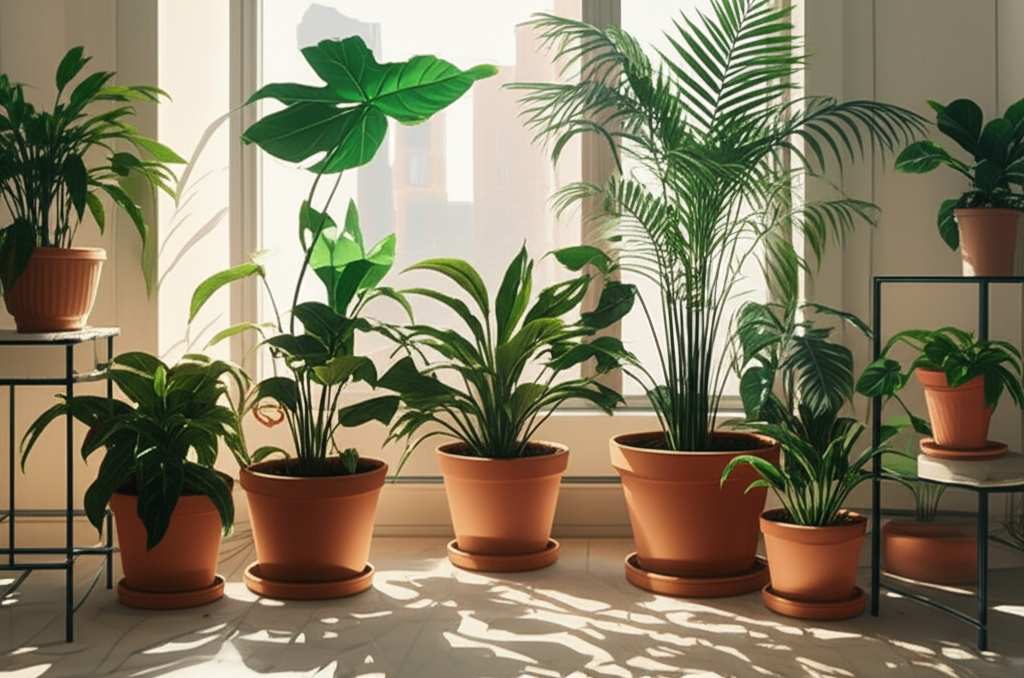
Some of the most effective include the Spider Plant (Chlorophytum comosum), Snake Plant (Sansevieria trifasciata), and Peace Lily (Spathiphyllum). These are hardy, easy to care for, and have been shown to filter common indoor pollutants.
Key Takeaway: Spider Plants, Snake Plants, and Peace Lilies are excellent choices for enhancing indoor air quality.
Understanding Volatile Organic Compounds (VOCs)
VOCs are gases emitted from various products and materials in your home. They can contribute to “sick building syndrome” and cause health issues like headaches and respiratory problems. Common sources include paints, cleaning supplies, and furniture.
Examples of common VOCs include formaldehyde, benzene, and xylene. These chemicals can off-gas into your indoor air over time. Plants can help mitigate the levels of these harmful compounds.
Key Takeaway: VOCs are common indoor air pollutants emitted from everyday items, and plants can help reduce their presence.
Maximizing Your Plants’ Air-Purifying Potential
To get the most out of your green air cleaners, consider a few key factors. Ensure your plants are healthy and well-maintained, as this directly impacts their ability to purify air. Proper watering, light, and occasional repotting are essential.
The amount of soil and the microbial activity within it are critical. Using larger pots with ample soil volume can increase the surface area for microbial action. Also, having multiple plants throughout your home is more effective than just one or two.
Key Takeaway: Healthy plants with ample soil, and a greater number of plants, enhance their air-purifying effectiveness.
Are Plants Air Purifiers: A Comparative Look
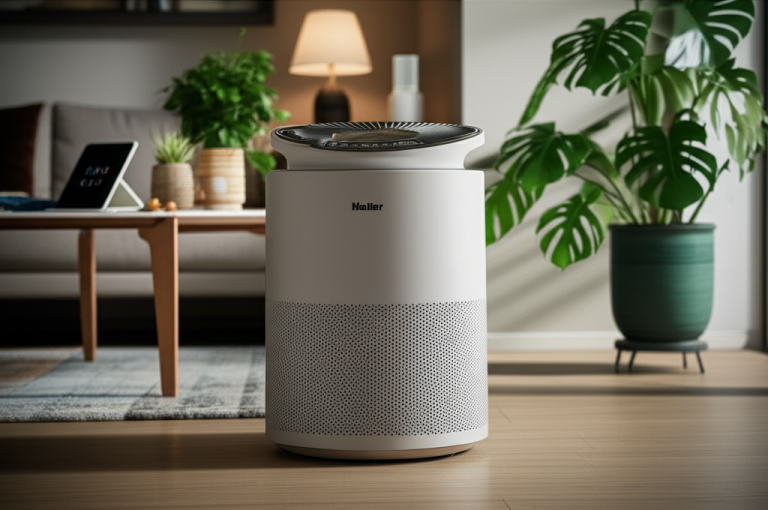
While plants offer a natural way to improve air quality, they are not a complete replacement for mechanical air purifiers. Mechanical purifiers, especially those with HEPA filters, are designed to capture a wider range of pollutants and particulate matter at a much faster rate.
Plants are best viewed as a complementary solution. They excel at breaking down certain gaseous VOCs, while HEPA filters are superior for removing microscopic particles like dust, pollen, and mold spores.
| Feature | Houseplants | Mechanical Air Purifiers (HEPA) |
| :—————- | :———————————————- | :——————————– |
| Primary Action | Breaks down VOCs via roots/microbes | Captures particles (dust, pollen) |
| Effectiveness | Slower, targets specific gases | Faster, targets wide range of particles |
| Maintenance | Watering, light, occasional repotting | Filter replacement |
| Aesthetics | Adds beauty and life to a space | Functional design |
Key Takeaway: Plants complement, but do not replace, mechanical air purifiers for comprehensive air cleaning.
Beyond Air Purification: Other Benefits of Houseplants
The benefits of houseplants extend far beyond just air purification. They can significantly boost your mood and reduce stress levels. The presence of greenery has been linked to improved mental well-being and a sense of calm.
Houseplants can also increase humidity levels, which can be beneficial in dry indoor environments. Some studies suggest they can improve focus and productivity. Their aesthetic appeal alone makes any space feel more inviting and alive.
Key Takeaway: Houseplants offer numerous benefits, including stress reduction, improved mood, and increased humidity.
Common Misconceptions About Plants and Air Quality
One common misconception is that a single plant can dramatically purify an entire room. While plants do contribute, the sheer volume of air and the rate of pollutant emission in a typical home require many plants to have a significant impact. Another myth is that all plants are equally effective air purifiers.
The effectiveness varies greatly by plant species and the specific pollutants targeted. Also, the role of the soil and its microbes is often overlooked, with people focusing solely on the leaves.
Key Takeaway: A single plant has a limited impact, and not all plants are equally effective; soil microbes are also crucial.
How Many Plants Do You Need for Air Purification?
The exact number of plants needed to significantly purify the air in a home is difficult to pinpoint and depends on many factors. However, based on research, you would likely need a substantial number of plants, perhaps one plant per 100 square feet of living space, to see a measurable effect on VOC levels. This is often more than what most people can accommodate.
For a noticeable impact on air quality, consider filling your home with plants. Aim for a variety of species and place them strategically in areas where air circulation is good. Think of them as a beautiful, natural addition that contributes to a healthier environment.
Key Takeaway: A significant number of plants are required for a measurable impact, making them a supplementary rather than primary solution.
Frequently Asked Questions (FAQ)
Are plants air purifiers?
Yes, plants can help purify indoor air by absorbing certain pollutants like VOCs through their leaves and roots. However, their impact in a typical home setting is more subtle than mechanical purifiers.
Which plants are the best air purifiers?
The Snake Plant, Spider Plant, Peace Lily, and Areca Palm are often cited as excellent air-purifying plants. They are known for their ability to filter common indoor toxins.
Do plants really make a difference in air quality?
Yes, plants contribute to improving indoor air quality by filtering specific gases. While not a replacement for advanced air filtration systems, they offer a natural and aesthetic enhancement to your home’s air.
How quickly do plants purify the air?
The purification process is gradual. It takes time for plants and their associated soil microbes to absorb and break down pollutants. You won’t see immediate, dramatic results from a single plant.
What pollutants can plants remove from the air?
Plants are most effective at removing volatile organic compounds (VOCs) such as formaldehyde, benzene, and xylene. They are less effective at removing particulate matter like dust or allergens.
Do I need special soil for my air-purifying plants?
While healthy, well-draining potting soil is important for plant health, you don’t necessarily need “special” soil. The key is to have a healthy microbial community in the soil, which standard potting mixes can support.
Can I rely solely on plants for clean air?
It’s not advisable to rely solely on plants for clean air. For comprehensive air purification, especially for removing fine particles and allergens, consider using a HEPA air purifier alongside your houseplants.
Conclusion: Greening Your Way to Better Air
So, are plants air purifiers? Yes, they are, in a gentle and natural way. While they may not offer the same rapid and broad-spectrum air cleaning as a high-quality mechanical air purifier, houseplants are valuable allies in creating a healthier indoor environment. They contribute to reducing specific airborne toxins and offer a wealth of other benefits, from stress reduction to aesthetic appeal. By understanding their capabilities and limitations, and by incorporating a good number of healthy plants into your home, you can harness the power of nature to breathe a little easier.