Are Air Purifiers Drying? Essential Guide

Air purifiers themselves don’t inherently dry the air; the perception of dryness is usually linked to other factors like the season, HVAC systems, or specific purifier designs. This guide helps you understand the relationship between air purification and humidity, offering solutions to maintain optimal comfort.
Breathing cleaner air is a priority for many, but a common concern that arises is whether air purifiers can make your home feel drier. You might notice a scratchy throat, dry skin, or static electricity, leading you to wonder if your trusty air purifier is the culprit. Rest assured, understanding the science behind air purification and humidity can demystify this issue and help you achieve a perfectly balanced indoor environment. Let’s explore the facts and find solutions.
Do Air Purifiers Actually Dry Out the Air?
Air purifiers, in their primary function, do not actively remove moisture from the air. Their main job is to filter out pollutants like dust, pollen, pet dander, and volatile organic compounds (VOCs). The sensation of dryness is more often a consequence of other environmental factors or specific purifier designs that might indirectly influence humidity levels.
Key Takeaway: Air purifiers are designed to clean air, not to dehumidify it.
Understanding Indoor Humidity and Its Importance
Indoor humidity refers to the amount of water vapor present in the air. The ideal range for human comfort and health is typically between 30% and 50%. Too little humidity can lead to dry skin, irritated sinuses, and increased static electricity, while too much can promote mold growth and dust mites.
Key Takeaway: Maintaining a balanced humidity level is crucial for both comfort and health.
How Air Purifiers Work: The Science Behind Filtration
Most air purifiers utilize filters, such as HEPA (High-Efficiency Particulate Air) filters, activated carbon filters, and pre-filters, to trap airborne particles. These filters physically capture contaminants without altering the moisture content of the air passing through them. Some advanced purifiers might incorporate UV-C light or ionization, but these technologies also do not directly reduce humidity.
Key Takeaway: The filtration process in air purifiers targets particles, not water vapor.
Factors That Can Make Your Home Feel Drier
Several factors contribute to dry indoor air, often coinciding with air purifier use, leading to the misconception that purifiers are the cause. Seasonal changes, particularly winter, naturally lower outdoor humidity, which then infiltrates homes. Additionally, heating systems, especially forced-air furnaces, tend to dry out the air as they circulate it.
Key Takeaway: Seasonal changes and heating systems are primary drivers of dry indoor air.
Are Certain Types of Air Purifiers More Likely to Affect Humidity?
While no air purifier is designed to dehumidify, some older or specific models might have components that could slightly impact perceived humidity. For instance, units with very powerful fans that circulate air extensively might exacerbate the feeling of dryness if the ambient air is already low in moisture. However, this effect is minimal and not the primary function.
Key Takeaway: The impact of air purifiers on humidity is generally negligible, but some designs might have a slight indirect effect.
The Role of HEPA Filters and Activated Carbon
HEPA filters are designed to capture tiny particles, including allergens and dust. Activated carbon filters excel at adsorbing odors and VOCs. Neither of these core filtration technologies is designed to remove moisture from the air. They work by trapping solid or gaseous pollutants, leaving the water vapor content unchanged.
Key Takeaway: HEPA and activated carbon filters do not remove moisture from the air.
When Air Purifiers and Dehumidifiers Work Together
In situations where both air purification and humidity control are needed, using an air purifier alongside a humidifier or dehumidifier is the most effective approach. A humidifier adds moisture to dry air, while a dehumidifier removes excess moisture. They address different air quality concerns independently.
Key Takeaway: Humidifiers and dehumidifiers are separate devices that manage moisture levels.
Signs Your Indoor Air Might Be Too Dry
Pay attention to your body and your surroundings for clues. Symptoms of dry air include dry, itchy skin, chapped lips, sore throat, dry nasal passages, increased static electricity, and even wooden furniture or musical instruments showing signs of cracking. If you experience these, your home’s humidity level is likely too low.
Key Takeaway: Physical symptoms and environmental cues can indicate dry indoor air.
How to Measure and Monitor Your Home’s Humidity
A simple and inexpensive tool called a hygrometer can accurately measure your home’s relative humidity. You can purchase these online or at most hardware stores. Placing a hygrometer in different rooms will give you a clear picture of your indoor humidity levels, allowing you to take appropriate action if they fall outside the ideal range.
Key Takeaway: A hygrometer is essential for accurately tracking your home’s humidity.
Tips for Maintaining Optimal Humidity Levels with an Air Purifier
If you’re using an air purifier and experiencing dryness, consider adding a humidifier to your space. Place it strategically to distribute moisture evenly. Ensure your air purifier is the correct size for your room and is placed away from direct airflow from humidifiers to prevent over-saturation.
Key Takeaway: Combine an air purifier with a humidifier to combat dryness.
Troubleshooting Dry Air When Using an Air Purifier
If you suspect your air purifier is contributing to dryness, first check your home’s overall humidity with a hygrometer. If levels are indeed low, the issue isn’t the purifier itself but the ambient air. Consider using a humidifier, checking your HVAC system for leaks, and ensuring windows and doors are properly sealed to prevent dry outdoor air from entering.
Key Takeaway: Address underlying humidity issues rather than blaming the air purifier.
Choosing the Right Air Purifier for Your Needs
When selecting an air purifier, focus on its filtration capabilities (HEPA, activated carbon) and its suitability for your room size. Look for features like multiple fan speeds and quiet operation. While some purifiers may have ionizers or UV-C lights, these do not impact humidity. Brands like HomeHygia offer a range of purifiers designed for effective air cleaning without altering humidity.
Key Takeaway: Prioritize filtration and room coverage when choosing an air purifier.
Frequently Asked Questions About Air Purifiers and Dryness
Do air purifiers make the air dry?
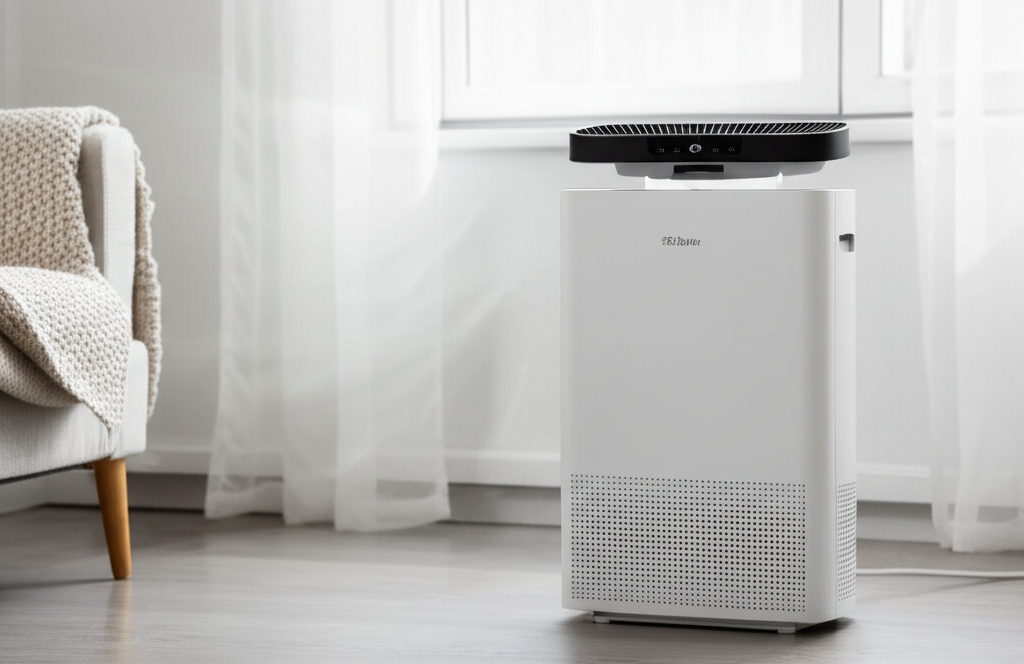
No, air purifiers are not designed to dry out the air. Their function is to filter pollutants. Dryness is usually caused by external factors like seasonal weather or heating systems.
What is the ideal humidity level in a home?
The ideal indoor humidity level for comfort and health is generally between 30% and 50%.
How can I tell if my air is too dry?
Signs include dry skin, itchy eyes, sore throat, increased static electricity, and cracking wooden furniture.
Can I use an air purifier and a humidifier at the same time?
Yes, you can and often should use them together if you experience dry air. They address different aspects of air quality.
What is a hygrometer?
A hygrometer is a device used to measure the relative humidity of the air.
Are there any air purifiers that add moisture?
Air purifiers do not add moisture. Devices that add moisture are called humidifiers.
What should I do if my air feels dry while using an air purifier?
Check your home’s humidity with a hygrometer. If it’s low, use a humidifier and ensure your home is well-sealed against dry outdoor air.
Conclusion: Balancing Clean Air and Comfortable Humidity
In summary, the question “are air purifiers drying?” can be definitively answered with a no. Air purifiers are dedicated to cleaning your air, not to manipulating its moisture content. If you’re experiencing dry air, the cause lies elsewhere, often in seasonal shifts or your home’s heating and cooling systems. By using a hygrometer to monitor your humidity and considering a humidifier when necessary, you can effectively manage your indoor environment, ensuring you enjoy the benefits of clean, comfortable air year-round.