
Are Air Purifier Good For COPD? Proven Relief!

Yes, air purifiers can be very good for COPD, offering proven relief by significantly reducing airborne irritants that can trigger symptoms and exacerbations. They help create a cleaner breathing environment, easing the burden on compromised lungs and improving overall quality of life for individuals with Chronic Obstructive Pulmonary Disease.
The struggle with COPD often involves navigating a world filled with invisible triggers that can make breathing difficult. From dust and pollen to smoke and pet dander, these airborne particles can significantly worsen symptoms like shortness of breath, coughing, and wheezing. Many people living with COPD wonder if there’s a simple, effective way to improve their indoor air quality and find some much-needed relief. This article will explore how air purifiers can be a valuable tool in managing COPD, backed by research and practical advice.
Understanding COPD and Indoor Air Quality
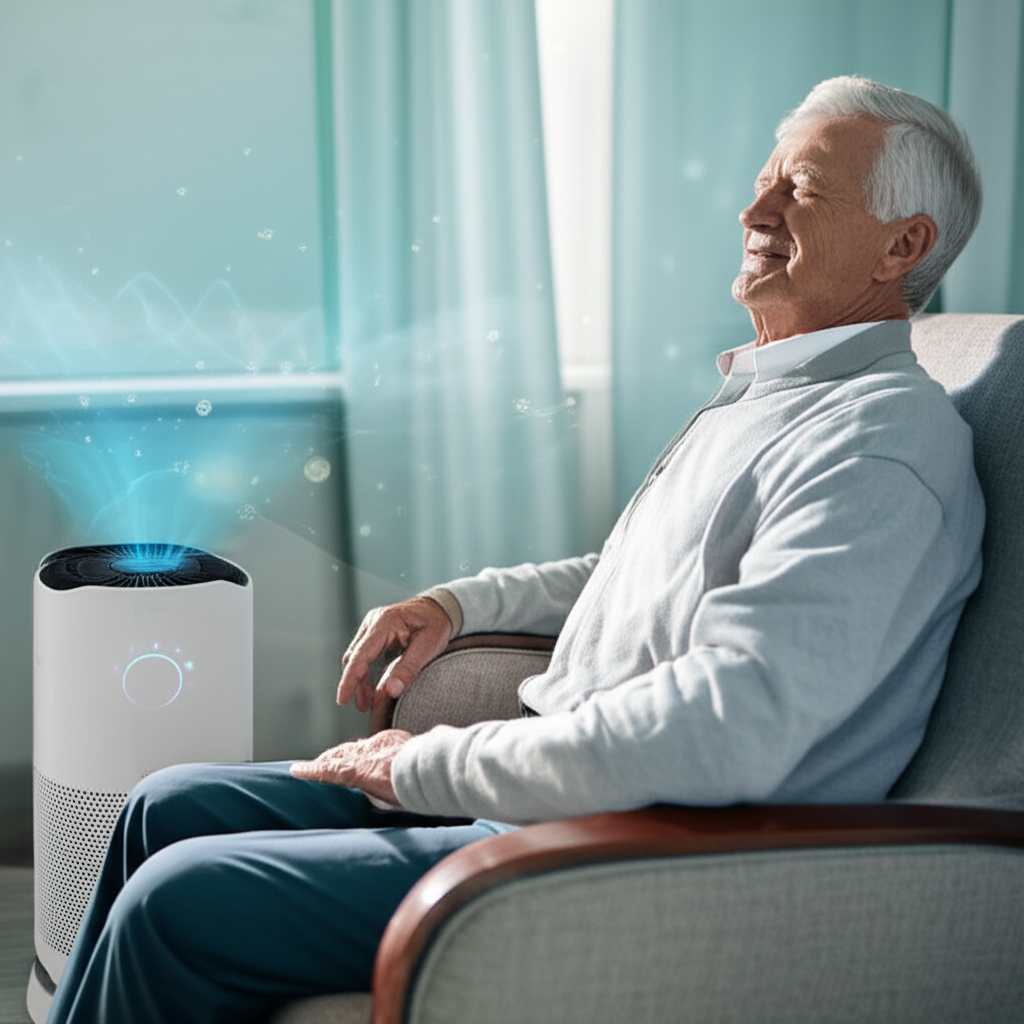
COPD is a progressive lung disease that makes breathing difficult, often due to damaged air sacs in the lungs. Indoor air can contain a variety of pollutants that exacerbate these conditions. These include particulate matter, volatile organic compounds (VOCs), and allergens, all of which can irritate the airways and trigger flare-ups. Improving indoor air quality is therefore a crucial aspect of managing COPD effectively.
Key Takeaway: Indoor air pollutants can significantly worsen COPD symptoms, making air quality management essential.
How Air Purifiers Help Manage COPD Symptoms
Air purifiers work by drawing in air, passing it through a filtration system, and releasing cleaner air back into the room. For individuals with COPD, this process can be incredibly beneficial. By removing irritants like dust mites, mold spores, pet dander, and smoke particles, air purifiers reduce the load on the lungs. This can lead to fewer coughing fits, less wheezing, and an overall easier breathing experience.
Key Takeaway: Air purifiers physically remove irritants from the air, directly easing the respiratory strain on COPD patients.
The Science Behind Air Purification for COPD
Research supports the use of air purifiers for respiratory conditions like COPD. Studies have shown that HEPA (High-Efficiency Particulate Air) filters are highly effective at capturing very small particles, including those that can trigger COPD exacerbations. For instance, a study published in the Journal of the American Medical Association indicated that improved indoor air quality, often achieved with air purifiers, can reduce respiratory symptoms in individuals with asthma, a condition often co-occurring with COPD. The effectiveness lies in their ability to trap particles down to 0.3 microns in size.
Key Takeaway: Scientific evidence suggests HEPA filters in air purifiers significantly reduce airborne triggers for respiratory distress.
Types of Air Purifiers and Their Effectiveness for COPD
When choosing an air purifier for COPD, understanding the different types of filters is crucial.
HEPA Filters: These are considered the gold standard for capturing fine particles like dust, pollen, pet dander, and mold spores. They are essential for COPD management.
Activated Carbon Filters: These filters excel at removing gases, odors, and VOCs from the air, which can also irritate the lungs. Many purifiers combine HEPA and activated carbon filters for comprehensive cleaning.
UV-C Light: While some purifiers use UV-C light to kill germs, their effectiveness against the primary COPD triggers (particulates and gases) is less proven and not typically the main focus for COPD relief.
Ionizers/Ozone Generators: These should generally be avoided by individuals with COPD. Ionizers can produce ozone, a lung irritant, and ozone generators are even more problematic.
Key Takeaway: HEPA and activated carbon filters are the most beneficial types for COPD patients, while ozone-producing technologies should be avoided.
Key Features to Look for in an Air Purifier for COPD
Selecting the right air purifier involves considering specific features that cater to the needs of someone with COPD.
True HEPA Filter: Ensure the purifier explicitly states it has a “True HEPA” filter, meaning it captures at least 99.97% of airborne particles 0.3 microns in size.
Activated Carbon Filter: A substantial activated carbon filter is important for tackling odors and VOCs.
CADR (Clean Air Delivery Rate): This rating indicates how quickly the purifier can clean a room of pollutants. Higher CADR means faster cleaning. Match the CADR to your room size.
Coverage Area: Check the manufacturer’s recommended room size coverage to ensure the unit is adequate for the space you intend to use it in.
Low Noise Level: A quiet operation is important, especially for bedrooms, to avoid disrupting sleep. Look for units with a low decibel (dB) rating on their lowest setting.
No Ozone Production: As mentioned, avoid units that intentionally produce ozone.
Key Takeaway: Prioritize True HEPA filters, adequate carbon filtration, appropriate CADR, and ozone-free operation when selecting a COPD-friendly air purifier.
Setting Up and Using Your Air Purifier Effectively
Proper setup and consistent use are vital to maximize the benefits of an air purifier for COPD.
1. Placement: Position the air purifier in the room where you spend the most time, such as the bedroom or living room. Ensure there’s adequate space around the unit for air to circulate freely.
2. Run Time: For optimal results, run the air purifier continuously, especially during periods when indoor air quality is likely to be poorer (e.g., during allergy seasons, when cooking, or if pets are present).
3. Filter Maintenance: Regularly check and replace filters according to the manufacturer’s recommendations. Clogged filters become less effective and can even recirculate pollutants.
4. Room Sealing: Keep windows and doors closed while the air purifier is running to prevent outdoor pollutants from entering and diluting the cleaned air.
Key Takeaway: Strategic placement, continuous operation, and timely filter replacement are crucial for effective air purification for COPD.
Air Purifier Brands and Models to Consider
While I cannot recommend specific models due to the dynamic nature of product availability and individual needs, several reputable brands are known for producing high-quality air purifiers suitable for respiratory conditions. Brands like Coway, Blueair, Levoit, and Winix often feature True HEPA filters and robust activated carbon layers. When researching, look for models that specifically mention features beneficial for allergies or asthma, as these often translate well to COPD management. Always check recent reviews and product specifications.
Key Takeaway: Reputable brands like Coway, Blueair, Levoit, and Winix offer models with features beneficial for COPD management.
Beyond Air Purifiers: A Holistic Approach to Indoor Air Quality
While air purifiers are a powerful tool, they are most effective as part of a broader strategy to improve indoor air quality for COPD.
Regular Cleaning: Frequent dusting, vacuuming with a HEPA-filter vacuum, and washing bedding in hot water can significantly reduce dust mites and allergens.
Ventilation: When outdoor air quality is good, opening windows for short periods can help exchange stale indoor air with fresh air. However, avoid this during high pollen or pollution days.
Source Control: Minimize indoor sources of pollution. This includes avoiding smoking indoors, using exhaust fans when cooking, and choosing low-VOC cleaning products and building materials.
Humidity Control: Maintaining optimal indoor humidity levels (between 30-50%) can help prevent mold growth and reduce dust mite populations.
Key Takeaway: A comprehensive approach combining air purifiers with regular cleaning, controlled ventilation, and source control offers the best indoor air quality for COPD.
Potential Downsides and Considerations
It’s important to be aware of potential drawbacks. Some air purifiers can be noisy, and the cost of replacement filters can add up over time. As previously mentioned, units that produce ozone should be strictly avoided, as ozone is a known lung irritant and can worsen COPD symptoms. Always ensure the unit you choose is certified as ozone-free.
Key Takeaway: Be mindful of noise levels, ongoing filter costs, and critically, ensure any air purifier you consider is certified ozone-free.
Frequently Asked Questions About Air Purifiers and COPD
Are air purifiers good for COPD?
Yes, air purifiers are generally considered good for COPD as they help remove airborne irritants that can trigger symptoms and exacerbations, leading to improved breathing and quality of life.
What type of air purifier is best for COPD?
The best air purifiers for COPD typically feature True HEPA filters to capture fine particles and activated carbon filters to absorb gases and odors.
Can air purifiers cure COPD?
No, air purifiers cannot cure COPD. They are a management tool that helps alleviate symptoms by improving indoor air quality, but they do not reverse lung damage.
How often should I run an air purifier for COPD?
For maximum benefit, it is recommended to run an air purifier continuously, especially in the room where you spend the most time, like your bedroom.
Do air purifiers help with shortness of breath in COPD?
By reducing airborne irritants that can inflame airways, air purifiers can help alleviate symptoms like shortness of breath, making breathing easier for individuals with COPD.
What should I avoid in an air purifier if I have COPD?
You should avoid air purifiers that produce ozone, as ozone is a lung irritant and can worsen COPD symptoms.
How do I know if an air purifier is working for my COPD?
You might notice a reduction in coughing, wheezing, or general respiratory irritation. Consistent use and proper filter maintenance are key to observing benefits.
Conclusion: Breathing Easier with Cleaner Air
In conclusion, the question “are air purifier good for COPD?” receives a resounding yes. By effectively removing a wide range of airborne irritants, air purifiers can significantly contribute to managing COPD symptoms, reducing the frequency and severity of exacerbations, and ultimately improving the daily lives of those affected. When chosen wisely, with a focus on True HEPA and activated carbon filtration, and used consistently as part of a broader air quality strategy, these devices offer a tangible path towards breathing easier and regaining a better quality of life.
