How to Use a Shop Vacuum Safely: A Complete Home Guide

Quick Answer
To use a shop vacuum safely, identify the debris first, inspect the machine while unplugged, install the correct filter or wet-pickup setup, and keep electrical connections away from moisture. Never collect hot ash, flammable liquids, hazardous dust, or unknown chemicals with an ordinary wet/dry vacuum. Check your model’s manufacturer safety instructions before changing filters or switching between dry and wet pickup.
Safe Shop Vacuum Steps
- Identify the debris: Know whether you’re collecting ordinary dry dirt, liquid, fine dust, or something potentially hazardous.
- Inspect the vacuum: Check the cord, plug, hose, tank, filter, latches, and attachments before connecting power.
- Choose the setup: Use the manufacturer-approved filter configuration for either dry pickup or liquid pickup.
- Control electrical risks: Keep plugs and connections dry and use suitable ground-fault protection where moisture creates a shock risk.
- Vacuum carefully: Work steadily, watch airflow, and stop immediately for unusual sounds, smells, heat, or loss of suction.
- Unplug before servicing: Disconnect power before opening, emptying, cleaning, or changing the filter.
A shop vacuum, also called a wet/dry vacuum or shop vac, is one of the most useful heavy-cleaning appliances around a home. It can handle debris and cleanup jobs that would overwhelm many regular household vacuums.
Good home hygiene still depends on using it for the right material. My rule is simple: I don’t switch the motor on until I know exactly what I’m about to suck into the tank.
In This Guide
- What Does Safe Shop Vacuum Use Mean?
- How Do You Prepare a Shop Vacuum Before Use?
- How Do You Safely Vacuum Dry Debris and Liquids?
- What Should You Never Vacuum With a Shop Vacuum?
- How Do You Prevent Electrical Shock, Fire, and Dust Exposure?
- How Do You Empty, Clean, and Store a Shop Vacuum Safely?
- Frequently Asked Questions
What Does Safe Shop Vacuum Use Mean?
Safe shop vacuum use means matching the vacuum, filter, attachments, electrical setup, and cleaning method to the material you’re collecting. A shop vac’s stronger-looking construction doesn’t make it suitable for every spill or type of dust.
A wet/dry vacuum is a motorized suction appliance designed to collect approved dry debris and, when properly configured, certain nonflammable liquids. The exact capabilities depend on the model and its manufacturer instructions.
- Physical hazards: Nails, glass, screws, splinters, and other sharp debris can injure you during handling or emptying.
- Electrical hazards: Damaged cords and wet electrical connections increase shock risk.
- Fire hazards: Hot material, flammable vapors, and some combustible dusts can ignite.
- Airborne dust: Fine particles can escape through poor filtration or leaks and return to the room.
- Motor damage: Wrong filter setups, blocked airflow, overfilled tanks, or liquid reaching areas it shouldn’t can damage equipment.
As of 2026, the safest approach remains surprisingly basic: read the label, identify the debris, and follow the specific manual. Don’t assume a setting from one wet/dry vacuum applies to another.
How Do You Prepare a Shop Vacuum Before Use?
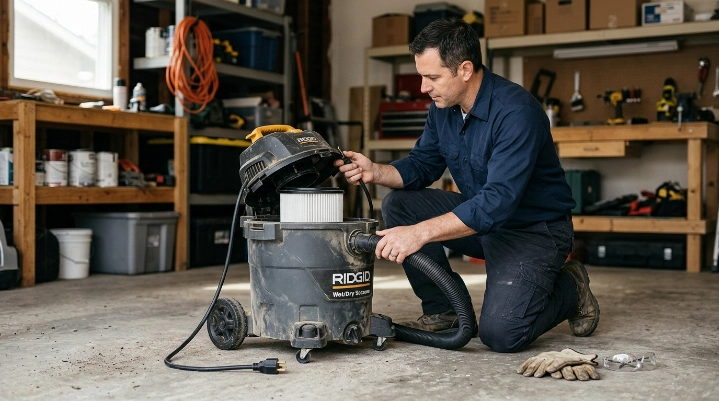
Prepare the vacuum while it is unplugged. A one-minute inspection can catch problems before you’re standing beside a wet floor or a pile of sharp debris.
Inspect the power cord and plug
Look for cuts, crushed sections, exposed conductors, loose plug blades, or heat damage. Don’t use a machine with a damaged cord until it has been properly repaired.
Avoid pulling or carrying the vacuum by its power cord. Keep the cord away from sharp metal, vehicle tires, doors, and other pinch points.
Check the tank, hose, and latches
- Empty old debris before starting a different type of cleanup.
- Confirm the tank isn’t cracked or damaged.
- Check that the hose is clear and firmly connected.
- Lock the motor head or lid securely in place.
- Make sure casters or wheels are stable.
Install the correct filter
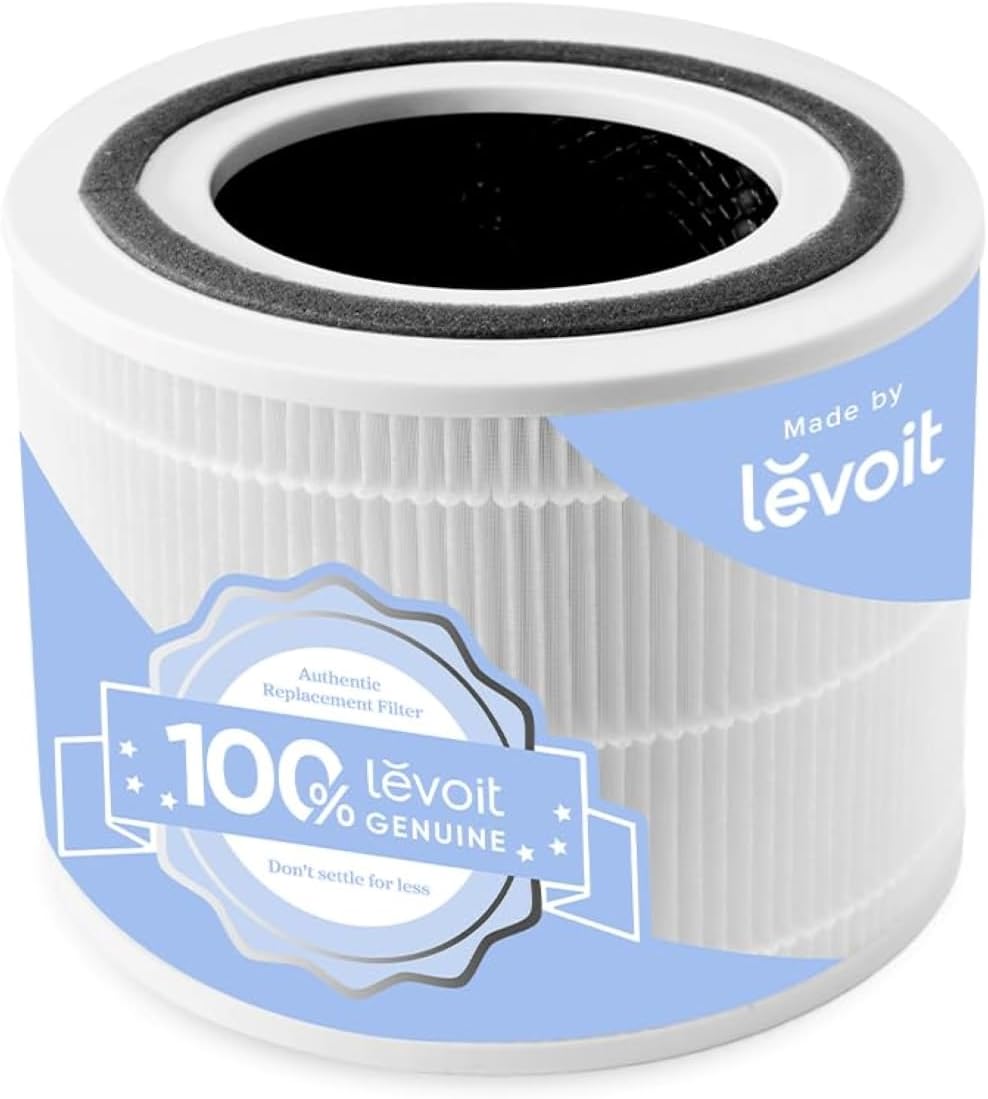
Dry debris normally requires the appropriate dry filter, cartridge, bag, or combination specified by the manufacturer. Fine dust may require a higher-efficiency filter or collection bag designed for that material.
Liquid pickup can require a different setup. Some models use a foam sleeve, some remove a dry filter, and others follow different instructions, so your manual takes priority.
Prepare the work area
Pick up objects that are too large, sharp, hot, or questionable before vacuuming. Keep children and pets away from the cleaning zone until you’re finished.
- Wear sturdy footwear.
- Use gloves when handling sharp debris.
- Use eye protection when debris could flick or scatter.
- Provide ventilation when ordinary nuisance dust is present.
- Stop rather than improvising if the material could be hazardous.
How Do You Safely Vacuum Dry Debris and Liquids?
For both dry and wet pickup, start with the machine correctly assembled and the hose already connected. Plug it in only after you’ve completed those checks.
| Cleanup Type | Typical Safe Setup | Main Risk to Watch | Best Practice |
|---|---|---|---|
| Ordinary dry dirt | Approved dry filter installed | Dust leakage or blocked airflow | Vacuum slowly and monitor suction |
| Fine nonhazardous dust | Manufacturer-approved fine-dust filter or bag | Fine particles escaping exhaust | Use suitable filtration and avoid overfilling |
| Cold, nonflammable liquid | Manufacturer-approved wet-pickup configuration | Electrical shock or tank overfill | Keep electrical connections dry and watch the float shutoff |
| Hot ash or embers | Not an ordinary shop-vac job | Fire | Allow material to cool fully and use equipment specifically approved for ash |
| Hazardous or combustible dust | Specialized rated equipment | Exposure, fire, or explosion | Do not use an ordinary household shop vacuum |
For ordinary dry debris
- Remove large objects by hand while wearing suitable gloves.
- Confirm the proper dry filter is installed.
- Start with the nozzle flat or close to the surface.
- Move slowly enough for the vacuum to capture debris without scattering it.
- Stop if suction falls sharply or the motor sounds strained.
When cleaning glass, screws, or other sharp debris, collect the largest pieces first. This reduces the chance of cutting the hose, damaging a collection bag, or injuring yourself when emptying the tank.
For liquid pickup
Only vacuum liquids your machine is designed to handle. Never assume the word “wet” means chemicals, fuels, solvents, or other flammable liquids are safe.
- Disconnect the vacuum from power before changing its filter setup.
- Configure it exactly as the wet-pickup instructions require.
- Keep the motor head, plug, receptacle, and extension connections dry.
- Keep the vacuum upright on a stable surface.
- Watch for a sudden change in motor pitch or loss of airflow as the tank fills.
- Switch off and unplug the machine before draining the tank.
Many wet/dry vacuums use a float mechanism to restrict airflow when the tank fills. Treat that as a stop signal, not permission to keep running the motor.
What Should You Never Vacuum With a Shop Vacuum?
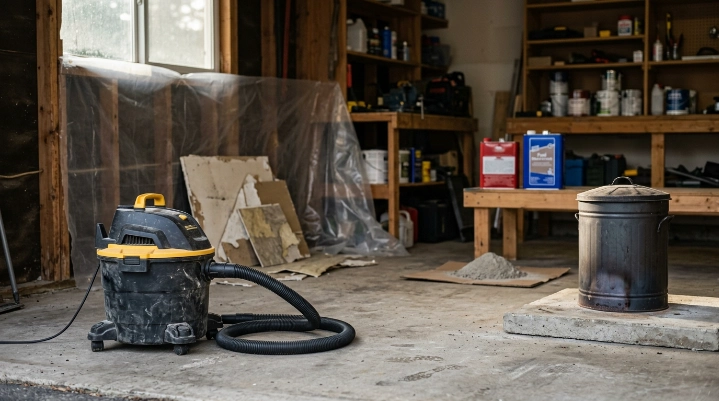
An ordinary shop vacuum isn’t a universal cleanup machine. Some materials can create fire, explosion, electrical, or serious exposure hazards.
Hot ash, embers, and burning material
Don’t vacuum hot fireplace ash, glowing charcoal, cigarette material, or debris that may contain hidden embers. Material that looks cool on the surface can still retain heat underneath.
Use equipment specifically designed and approved for ash if that task requires vacuum collection. Never rely on a plastic shop-vac tank as a fire-safety container.
Gasoline, solvents, and flammable liquids
Never use an ordinary shop vac to collect gasoline, paint thinner, fuel, or other flammable liquids. Vapors can create an ignition hazard around equipment that isn’t designed for that environment.
The same caution applies when flammable vapors are already present in the room. Don’t switch ordinary electrical cleaning equipment on in a potentially explosive atmosphere.
Large amounts of combustible fine dust
Some finely divided materials can become explosible when dispersed in air. OSHA’s combustible dust guidance identifies materials including fine wood, grain, plastic, coal, and several metal dusts as potential hazards under the right conditions.
Small amounts of ordinary household sawdust aren’t the same situation as a hazardous industrial dust cloud. Still, don’t use a basic shop vacuum for substantial accumulations of fine combustible powder or metal grinding dust unless the equipment is specifically rated for that material.
Suspected asbestos debris
Don’t clean suspected asbestos-containing debris with an ordinary shop vacuum. EPA guidance says asbestos work can require specialized HEPA equipment and trained handling methods.
If insulation, old flooring, siding, textured material, or renovation debris may contain asbestos, stop disturbing it. Review the EPA’s asbestos exposure guidance and use qualified help where appropriate.
Expert Alert: Suspected asbestos contamination isn’t a normal DIY shop-vac cleanup. A qualified asbestos professional can assess the material and recommend safe containment and removal.
Lead renovation dust
A standard shop vacuum isn’t automatically a HEPA vacuum. EPA defines a HEPA vacuum for lead-renovation cleanup as a machine designed so collected air passes through the HEPA filter without bypass leakage.
For work involving lead-based paint, follow the EPA’s HEPA vacuum requirements for renovation dust instead of simply attaching a generic filter to a basic shop vac.
Expert Alert: If a renovation may involve lead-based paint or another regulated hazardous material, use the required containment, cleanup equipment, and qualified professional help rather than treating it like ordinary household dust.
How Do You Prevent Electrical Shock, Fire, and Dust Exposure?
The biggest safety mistake during wet pickup is focusing on the water inside the hose while forgetting the electricity outside it. The plug, receptacle, cord connections, and motor assembly deserve just as much attention.
Keep connections dry
OSHA’s flexible-cord electrical guidance notes that wet connectors can allow current leakage. Keep plugs and cord connections away from puddles and wet surfaces.
- Never handle a plug with wet hands.
- Don’t let an extension connection lie on a wet floor.
- Don’t use damaged plugs or cords.
- Use outlets and electrical protection appropriate for damp or wet locations.
- Stop using the vacuum if water reaches electrical parts.
Use extension cords carefully
The safest choice is often the vacuum’s own cord when it reaches comfortably. If your manual permits an extension cord, use a grounded cord rated for the vacuum’s electrical load and environment.
Don’t daisy-chain multiple extension cords. Keep the cord where you can see it so the vacuum, a vehicle, or a closing door doesn’t crush it.
Control fine dust at the filter
A dirty or unsuitable filter can reduce airflow and may allow dust to escape. Make sure the filter is seated correctly, compatible with the machine, and appropriate for the debris.
- Check filters before dusty jobs.
- Replace damaged or torn filters.
- Use manufacturer-approved collection bags when recommended.
- Don’t defeat seals or operate with loose filter components.
- Don’t blow collected fine dust around with the vacuum’s blower function.
HEPA stands for high-efficiency particulate air. A HEPA filter can be valuable for fine-particle control, but the entire vacuum must be designed and sealed appropriately when a job has formal hazardous-dust requirements.
How Do You Empty, Clean, and Store a Shop Vacuum Safely?
Turn the machine off and unplug it before opening the tank. Emptying is when your hands get closest to the debris, so don’t rush this part.
Empty dry debris carefully
Take the vacuum to a suitable disposal area before opening it. Avoid dropping or shaking dusty material in a way that creates an unnecessary airborne cloud.
- Wear gloves for sharp or dirty debris.
- Keep your face away from the tank opening.
- Seal dusty waste as appropriate for normal household disposal.
- Never reach blindly into a tank containing nails or glass.
- Clean or replace filters according to the manual.
Drain wet debris promptly
Don’t leave dirty water sitting inside the tank longer than necessary. Drain it using the tank drain or the method specified by the manufacturer.
Rinse the tank when appropriate, then allow the interior to dry before storage. Persistent moisture can create odors and grime inside the vacuum.
Inspect before putting it away
- Check the hose for remaining debris or standing water.
- Clean approved washable parts and dry them fully.
- Inspect the filter before reinstalling it.
- Coil the cord loosely without sharp bends.
- Store attachments where they won’t become lost or damaged.
- Keep the vacuum upright in a dry location.
I also like to leave the next-use configuration obvious. That prevents me from grabbing a vacuum set up for wet pickup and immediately starting a dusty dry job.
Frequently Asked Questions
Can I use a shop vacuum without a filter?
Don’t run a shop vacuum without a filter unless the manufacturer specifically instructs you to do so for a particular wet-pickup configuration. Dry debris normally needs the correct filtration to protect airflow, control dust, and protect the machine.
Can a shop vacuum pick up water?
Yes, a wet/dry vacuum can usually collect approved nonflammable liquids when configured for wet pickup. Follow your model’s filter instructions, keep electrical connections dry, and stop when the tank’s shutoff system indicates it is full.
Can I vacuum broken glass with a shop vac?
A shop vacuum can collect small cold glass fragments if the manufacturer permits that type of debris. Pick up large pieces first with suitable tools and gloves because sharp shards can damage bags, hoses, and your hands during emptying.
Can I use a regular shop vac for drywall dust?
Fine drywall dust can clog ordinary filters quickly and escape through inadequate filtration. Use the filter or fine-dust collection setup recommended for your model, work in small amounts, and don’t treat potentially hazardous renovation dust like ordinary drywall debris.
Can I use a shop vac for fireplace ash?
Don’t use an ordinary shop vacuum for hot or potentially warm ash. Ash can hide embers, and fine ash also requires suitable filtration; use equipment specifically intended for ash cleanup and only after following its temperature and material restrictions.
Do I need a HEPA filter in my shop vacuum?
For ordinary household debris, use the filtration your manufacturer specifies for the task. Fine dust may benefit from higher-efficiency filtration, while regulated hazards such as lead renovation dust can require a properly designed HEPA vacuum rather than a basic shop vac with an add-on filter.
Why does my shop vacuum suddenly sound louder during wet pickup?
A sudden pitch change can mean the tank is full and the float shutoff has restricted airflow. Turn the vacuum off, unplug it, and empty the tank instead of continuing to run the motor against restricted airflow.
The safest shop-vac habit is simple: identify first, configure second, vacuum third. Treat electricity, fine dust, hot debris, and unknown materials as safety decisions rather than ordinary cleaning problems.
Before your next garage, basement, vehicle, workshop, or spill cleanup, check the filter and cord while the machine is unplugged. A few careful checks can make a wet/dry vacuum far easier and safer to use around the home.