
Can I Use a Carpet Cleaner on a Rug? Genius Guide

Yes, you can often use a carpet cleaner on many types of rugs, but it’s crucial to check the rug’s material and the cleaner’s compatibility first. Understanding the differences between rugs and carpets is key to avoiding damage and ensuring a good clean.
Carpets and rugs both add warmth and style to our homes. Many people wonder if the powerful cleaning machines designed for wall-to-wall carpets can also be used on area rugs. The short answer is: sometimes, but you need to be very careful. Using the wrong cleaner on the wrong rug can cause fading, shrinking, or even permanent damage. This guide will help you figure out if your carpet cleaner is rug-friendly and how to use it safely.
Understanding Your Rug: The First Step to Safe Cleaning
Before you even think about plugging in a machine, you need to know what your rug is made of. Different materials react differently to water and cleaning solutions. This is the most important step to avoid ruining your rug.
What is Your Rug Made Of? Common Rug Materials
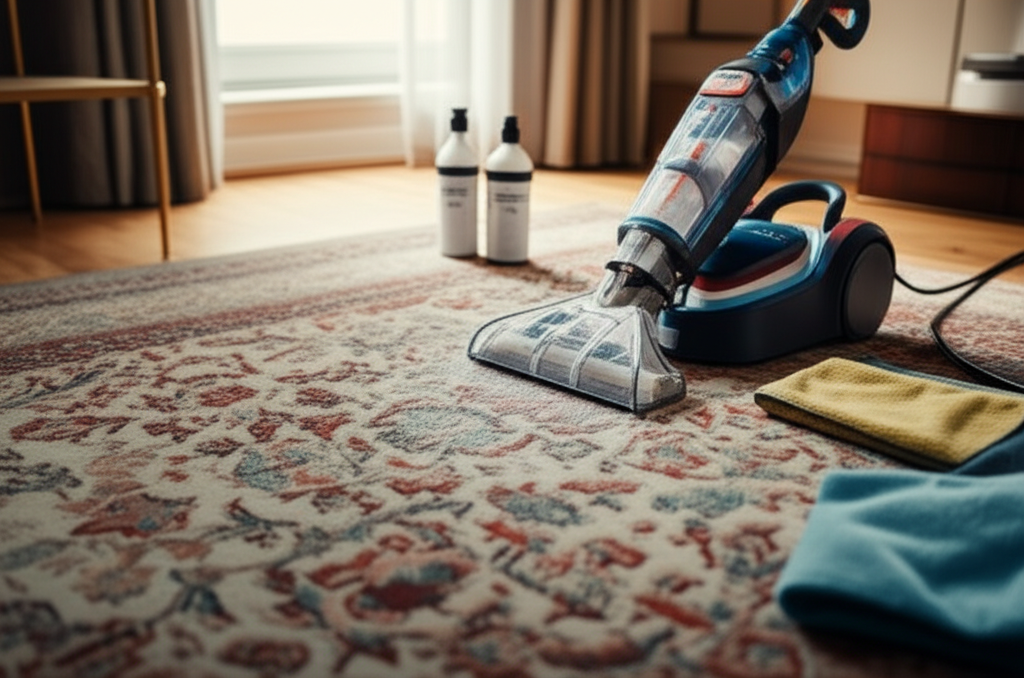
Most rugs are made from natural fibers or synthetic fibers. Each has its own cleaning needs. Knowing this helps you decide if a carpet cleaner is a good idea.
Wool: Natural, durable, and luxurious. Wool rugs can be sensitive to harsh chemicals and excessive heat. They can shrink or lose their texture if cleaned improperly.
Cotton: Softer and more common than wool. Cotton rugs are generally more durable but can be prone to shrinking. They also absorb moisture easily, so thorough drying is important.
Sisal/Jute: Natural plant fibers. These rugs are very sensitive to moisture. Too much water can cause them to warp, weaken, or stain. They are usually best cleaned with dry methods.
Synthetic Fibers (Nylon, Polyester, Polypropylene): These are very durable and stain-resistant. Synthetic rugs can usually handle carpet cleaners well. They are less prone to shrinking or damage from water.
Blends: Many rugs are made from a mix of fibers. You’ll need to consider the properties of all the fibers present. Often, the most delicate fiber dictates the cleaning method.
Reading the Care Label: Your Rug’s Cleaning Manual
Just like clothes, rugs often come with a care label. This label is your best friend for determining safe cleaning methods. It will tell you the fiber content and cleaning codes.
Look for Symbols: Some labels use symbols to indicate cleaning methods. A “W” means water-based cleaning is okay. An “S” means solvent-based cleaning only (no water). A “W/S” means both are acceptable. An “X” means vacuum only, no liquids.
Fiber Content: The label will list the percentage of each fiber. This helps you understand the rug’s properties. For example, a rug that is 80% synthetic and 20% wool will need gentler care than a 100% synthetic rug.
Manufacturer’s Instructions: Always prioritize the manufacturer’s advice. They know their product best. If the label is missing, you’ll need to do some detective work.
Knowing your rug’s material and care instructions is essential. It prevents costly mistakes when using carpet cleaners. This knowledge ensures your rug stays beautiful for years.
Carpet Cleaners vs. Rugs: What’s the Difference?
Carpet cleaners, often called carpet extractors or shampooers, are designed to deep clean carpets. They work by spraying a water and cleaning solution mixture onto the carpet fibers and then extracting the dirty water. Rugs, especially area rugs, can be more delicate.
How Carpet Cleaners Work
Carpet cleaning machines use a combination of water, detergent, and agitation. This process aims to lift deep-down dirt and stains from carpet fibers. The suction power then removes the moisture.
Water and Solution Dispensing: The machine releases a hot water and cleaning solution mix. This saturates the carpet fibers.
Agitation: A brush roll or other mechanism scrubs the fibers. This loosens embedded dirt and stains.
Suction: A powerful vacuum system draws up the dirty water. This leaves the carpet damp, not soaking wet.
Why Rugs Might Need Different Care
Area rugs are often made of different materials than wall-to-wall carpets. They might be more susceptible to damage from the aggressive cleaning action of some carpet cleaners.
Material Sensitivity: Natural fibers like wool or sisal can be damaged by too much water or harsh chemicals. They might also shrink or lose their shape.
Dye Stability: Some rug dyes are not colorfast. Using a carpet cleaner might cause colors to bleed or fade.
Backing and Structure: The backing of an area rug can be made of different materials than carpet backing. Some backings can degrade with excessive moisture.
Size and Weight: Large or heavy rugs are difficult to move and dry. Leaving them too wet can lead to mold and mildew.
Understanding these differences helps you choose the right cleaning method. It ensures your rug gets clean without getting damaged. This careful approach protects your investment.
Can I Use My Carpet Cleaner on My Rug? The Go-Ahead Test
So, can you actually use your carpet cleaner on your rug? The answer depends on a few key factors. It’s not a simple yes or no for all rugs and all machines.
The Ultimate Rug Compatibility Checklist
Here’s a step-by-step way to decide if your carpet cleaner is rug-safe:
1. Check the Rug’s Care Label: This is the most important step. Look for cleaning codes. If it says “X” (vacuum only) or “S” (solvent clean only), do not use a water-based carpet cleaner. If it says “W” or “W/S,” it might be okay.
2. Identify the Rug Material: If the label isn’t clear, identify the fiber. Wool, silk, sisal, and jute rugs are often too delicate for standard carpet cleaners. Synthetic rugs (nylon, polyester) are usually more robust.
3. Consider the Carpet Cleaner Type: Some carpet cleaners are gentler than others. Look for machines with adjustable settings or specific modes for delicate fabrics. Check your carpet cleaner’s manual for any warnings about use on area rugs.
4. Test in an Inconspicuous Area: Always, always do a spot test. Choose a hidden corner of the rug. Test the cleaning solution and the machine’s action. Look for any color bleeding, fiber damage, or shrinking.
5. Evaluate the Rug’s Construction: Is the rug antique or handmade? These often require professional cleaning. Is the backing sturdy, or does it look like it might disintegrate with moisture?
If your rug is synthetic, has a “W” or “W/S” code, and passes the spot test, you can likely proceed. If you have any doubts, it’s safer to choose a different cleaning method or consult a professional.
When to Absolutely Avoid Using a Carpet Cleaner
There are clear signs that a carpet cleaner is not the right tool for your rug. Ignoring these can lead to significant damage.
Delicate Natural Fibers: Rugs made of silk, fine wool, viscose, rayon, or bamboo silk are usually too fragile. Their fibers can be easily damaged or distorted by the machine’s brushes and water.
Dyes That Bleed: If your rug has vibrant or dark colors that transfer to a damp cloth during testing, a carpet cleaner will likely cause severe color bleeding.
“Vacuum Only” or “Dry Clean Only” Labels: These labels are explicit instructions not to use water-based cleaners.
Antique or Vintage Rugs: These rugs have historical and monetary value. Their fibers and dyes may be fragile and require specialized care from experts.
Rugs with Loose Weaves or Fraying Edges: The agitation of a carpet cleaner can worsen existing damage and cause more fibers to loosen or break.
Water-Sensitive Materials: Sisal, jute, and seagrass rugs can warp, stain, or weaken if they get too wet.
If your rug falls into any of these categories, a carpet cleaner is not the right choice. Exploring alternative cleaning methods is a much safer path.
Preparing Your Rug for Carpet Cleaning: The Pre-Clean Routine
Getting your rug ready is just as important as the cleaning itself. Proper preparation ensures a more effective clean and minimizes the risk of damage. This routine protects both your rug and your carpet cleaner.
Step-by-Step Preparation Guide
Follow these steps before you start the main cleaning process:
1. Thorough Vacuuming: Vacuum the rug from all directions. This removes loose dirt, dust, and debris. Use a vacuum cleaner with good suction. If your vacuum has a beater bar, ensure it’s set to the correct height for rugs or consider turning it off for delicate rugs.
2. Check for Colorfastness: Dampen a white cloth with the cleaning solution you plan to use. Gently rub a small, hidden area of the rug. If any color transfers to the cloth, the rug is not colorfast, and you should not proceed with wet cleaning.
3. Pre-Treat Stains: Identify any tough stains. Apply a carpet stain remover specifically designed for your rug’s material. Follow the product instructions carefully and blot, don’t rub, the stain.
4. Move Small Rugs: If possible, take smaller rugs outside or to a well-ventilated area like a garage. This makes cleaning easier and allows for better drying. Ensure the area is protected from direct sunlight if the rug is prone to fading.
5. Protect Your Floor (for Larger Rugs): If cleaning a larger rug in place, protect the floor underneath. Place waterproof mats or towels around the edges. This prevents moisture from seeping onto hardwood or carpeted floors.
Proper preparation makes the cleaning process smoother. It helps you achieve the best results. This routine is key to a safe and effective rug clean.
Using Your Carpet Cleaner on a Rug: The Right Way
If you’ve determined it’s safe to use your carpet cleaner, follow these steps carefully. Using the machine correctly is vital to avoid damage and achieve a good clean.
The Cleaning Process Explained
This is how you safely operate the carpet cleaner on your rug:
1. Mix the Cleaning Solution: Use only the cleaning solution recommended by your carpet cleaner’s manufacturer. If using a general carpet cleaner solution, ensure it’s suitable for your rug’s fiber type. Never use too much solution, as it can leave residue.
2. Fill the Machine: Fill the clean water tank with hot (not boiling) water. Add the correct amount of cleaning solution. Double-check your machine’s manual for specific instructions.
3. Start in a Corner: Begin cleaning in a corner of the rug. Work in straight, overlapping passes. Move slowly to allow the machine to effectively spray and extract.
4. One Pass for Cleaning, One for Rinsing: Many experts recommend a pass to dispense the solution and scrub, followed by a second pass with just clean water to rinse. This helps remove detergent residue. Ensure you extract as much water as possible on each pass.
5. Avoid Over-Wetting: Do not saturate the rug. If the rug feels excessively wet, make extra extraction passes. Too much moisture is a common cause of rug damage.
6. Work in Sections: For larger rugs, clean them in manageable sections. This prevents you from walking on wet areas and spreading dirt.
Using the carpet cleaner methodically ensures thorough cleaning. It also helps maintain the integrity of your rug. This careful approach yields the best results.
Drying Your Rug: The Crucial Post-Cleaning Step
Drying is arguably the most critical part of cleaning a rug with a carpet cleaner. Improper drying can lead to mold, mildew, and permanent damage to the rug’s fibers and backing.
Best Practices for Drying
Speedy and thorough drying is essential for a clean, fresh rug.
1. Maximize Water Extraction: Make multiple extraction passes over the entire rug. The more water you remove with the machine, the faster it will dry.
2. Ventilation is Key: Open windows and doors to increase airflow. Use fans directed at the rug to speed up evaporation. If you have a dehumidifier, run it in the room.
3. Elevate the Rug: If possible, lift the rug off the floor. Place it on blocks, chairs, or a drying rack. This allows air to circulate underneath, preventing the backing from staying wet.
4. Avoid Direct Sunlight: While sunlight can help dry, intense direct sun can fade colors in some rugs. A well-ventilated, shaded area is often best.
5. Flip and Rotate: If possible, flip the rug over after a few hours. This allows the underside to dry. Rotate the rug periodically to ensure even drying.
6. Check for Dampness: Ensure the rug is completely dry before placing it back in its usual spot or walking on it extensively. Feel the fibers and the backing.
Proper drying prevents many post-cleaning problems. It ensures your rug remains clean and odor-free. This step is vital for a successful cleaning.
Alternatives to Carpet Cleaners for Rugs
If you’ve decided a carpet cleaner isn’t right for your rug, or you don’t have one, there are several effective alternatives. These methods are often gentler and better suited for delicate rug materials.
Gentle Cleaning Methods for Delicate Rugs
These methods are safer for most types of rugs:
Spot Cleaning: For small spills or stains, blot the area immediately with a clean cloth. Use a mild detergent mixed with water or a specialized rug spot cleaner. Always test the cleaner first in an inconspicuous area.
Hand Washing (for washable rugs): Some smaller rugs, especially cotton or synthetic ones, are labeled “machine washable” or “hand washable.” Follow the instructions carefully, using cool water and a mild detergent. Avoid harsh agitation.
Dry Carpet Cleaning Powders: These powders absorb dirt and odors. You sprinkle them on the rug, let them sit, and then vacuum them up. This is a good option for rugs sensitive to moisture.
Steam Cleaning (with caution): Some steam cleaners can be used on rugs, but high heat can damage certain fibers like wool or silk. Always check the rug’s care label and the steam cleaner’s instructions. Use a low-heat setting and ensure thorough extraction.
Professional Cleaning: For valuable, antique, or very delicate rugs, professional cleaning is the safest option. Experts have specialized equipment and knowledge to clean different materials without causing damage.
Choosing the right method protects your rug. It ensures it gets clean without compromising its beauty or longevity. These alternatives offer flexibility for various rug types.
When to Call the Professionals
Sometimes, the best approach is to leave rug cleaning to the experts. They have the tools and knowledge to handle challenging situations safely. Knowing when to outsource is a sign of smart home care.
Signs Your Rug Needs Professional Attention
Consider professional cleaning if:
The Rug is Antique or Valuable: Hand-knotted, antique, or Persian rugs often require specialized techniques that only professionals possess. Their value warrants expert care.
The Material is Delicate: Silk, viscose, rayon, or very fine wool rugs are easily damaged by DIY methods. Professionals can identify and treat these materials appropriately.
There are Stubborn or Large Stains: Deep-set stains, pet accidents, or large spills can be challenging to remove completely without professional equipment and solutions.
The Rug Has a “Dry Clean Only” Label: This indicates that water-based cleaning methods are too risky. Professionals have the necessary solvents and equipment.
You Notice Mold or Mildew: If a rug has been wet for a long time, mold or mildew can set in. Professionals can treat these issues effectively and safely.
You’re Unsure About the Material or Cleaning Method: When in doubt, always err on the side of caution. Professional cleaners can assess your rug and recommend the best course of action.
Professional cleaning ensures thoroughness and safety. It preserves the rug’s integrity and extends its lifespan. It’s an investment in maintaining your home decor.
Comparing Carpet Cleaners for Rug Use: What to Look For
If you’re buying a new carpet cleaner with the intention of using it on rugs, or if you want to upgrade, there are features to consider. Not all carpet cleaners are created equal, and some are better suited for rugs than others.
Features for Safer Rug Cleaning
Look for these features when selecting a carpet cleaner for mixed use:
Adjustable Height Settings: Allows you to set the brush roll height correctly for different pile depths, preventing excessive agitation on lower-pile rugs.
Gentle Brush Roll Options: Some machines offer brush rolls designed for delicate surfaces or allow you to turn off the brush roll entirely.
Dual Tank System: Separates clean and dirty water, ensuring you’re always dispensing clean solution and extracting effectively.
Powerful Suction: Crucial for removing as much moisture as possible, reducing drying time and the risk of water damage.
Lightweight and Maneuverable: Makes it easier to handle smaller rugs or move the machine around larger ones.
Rinsing Mode: A function that allows you to rinse the rug with clean water only, helping to remove detergent residue.
Manufacturer Recommendations: Check if the carpet cleaner is explicitly recommended for use on area rugs by the manufacturer.
What to Avoid
Steer clear of carpet cleaners that:
Have overly aggressive brush rolls: These can snag or fray rug fibers.
Lack adjustable settings: A one-size-fits-all approach is rarely good for diverse cleaning needs.
Are known to leave carpets very wet: High moisture levels are a major risk for rugs.
Choosing the right machine makes a difference. It ensures you can clean both carpets and rugs effectively and safely. This versatility is valuable for any homeowner.
Frequently Asked Questions (FAQs)
Q1: Can I use my Bissell carpet cleaner on an area rug?
A1: Many Bissell carpet cleaners can be used on area rugs, but always check your specific model’s manual and your rug’s care label. Synthetic rugs are usually safe, but delicate natural fibers may require caution or professional cleaning.
Q2: Will carpet cleaner damage my wool rug?
A2: Yes, standard carpet cleaners can potentially damage wool rugs. Wool is sensitive to excessive moisture, heat, and harsh chemicals, which can cause shrinking, fading, or fiber damage. It’s often best to use specialized wool cleaners or professional services.
Q3: Is it okay to use dish soap in a carpet cleaner on a rug?
A3: No, never use dish soap in a carpet cleaner. Dish soap creates excessive suds that can damage the machine’s motor and leave sticky residue on your rug, attracting more dirt. Always use solutions specifically designed for carpet cleaners.
Q4: My rug is synthetic. Can I use a carpet cleaner on it?
A4: Generally, yes. Synthetic rugs like nylon, polyester, and polypropylene are quite durable and can typically withstand the cleaning action of most carpet cleaners. However, always check the rug’s care label and perform a spot test first.
Q5: How do I know if my rug is colorfast before using a carpet cleaner?
A5: To test for colorfastness, dampen a white cloth with the cleaning solution you intend to use. Gently rub a small, hidden area of the rug. If color transfers to the cloth, the rug is not colorfast, and you should avoid wet cleaning methods.
Q6: Can I use a carpet cleaner on a shag rug?
A6: Shag rugs can be tricky. While some synthetic shag rugs might tolerate a carpet cleaner, the long fibers can easily mat or get tangled in the brush roll. It’s often safer to use a gentler method or consult a professional, especially for natural fiber shag rugs.
Final Verdict: Cleaning Rugs with Carpet Cleaners
So, can you use a carpet cleaner on a rug? The answer is a qualified yes, but with significant caution. For synthetic rugs that are not overly delicate, and provided you follow a careful preparation, cleaning, and drying process, it can be an effective way to deep clean. Always prioritize the rug’s care label and perform a spot test.
However, for wool, silk, antique, or other delicate natural fiber rugs, a carpet cleaner is often too aggressive. These rugs are best cleaned with specialized methods or by professional cleaners. Understanding your rug’s material and its specific needs is the key to keeping it looking its best without causing damage. When in doubt, always choose the gentler option or seek expert advice to protect your beautiful floor coverings.
