Can I Use A Carpet Cleaner On A Mattress? Essential Guide

You can use a carpet cleaner on a mattress, but with caution. It’s best to use specific upholstery attachments and cleaning solutions designed for mattresses to avoid over-wetting, mold, or damage. This guide explains how to do it safely and effectively.
Have you ever looked at your mattress and wondered if it could use a good deep clean? Maybe you’ve spilled something, or perhaps it just feels a bit grimy. Many people have carpet cleaners at home and wonder if they can use this powerful tool on their beds. It seems like a quick fix, right? But using the wrong tool or method can actually harm your mattress. We’ll walk you through exactly how to clean your mattress safely, even if you’re thinking about using a carpet cleaner.
Understanding Mattress Cleaning Needs
Mattresses are different from carpets. They are made of porous materials that can hold moisture deep inside. If a mattress gets too wet, it can take a very long time to dry. This dampness can lead to mold and mildew growth. Mold can cause health problems and ruin your mattress permanently.
Why Mattresses Need Gentle Cleaning
Unlike carpets, mattresses aren’t designed for heavy scrubbing or saturation. They have layers that can absorb liquids and become permanently damaged. Over-wetting can also affect the internal springs or foam. This is why gentle, targeted cleaning methods are usually best for mattresses.
Carpet Cleaners: Powerful Tools, Specific Uses
Carpet cleaners use water and cleaning solutions to lift dirt from deep within fibers. They often have strong suction to remove the liquid. While effective for carpets, this power can be too much for a mattress. It’s crucial to use them carefully and with the right settings.
Can You Really Use A Carpet Cleaner On A Mattress?
Yes, you can use a carpet cleaner on a mattress, but it’s not as simple as using it on your floor. Think of it like using a powerful vacuum on delicate furniture. You need to be careful and use the right attachments. The main goal is to clean without soaking the mattress.
The Risks of Over-Wetting
The biggest danger is getting the mattress too wet. Most carpet cleaners spray a lot of liquid. If your mattress absorbs too much, it can become a breeding ground for mold and bacteria. It can also take days to dry completely, making your bed unusable.
Choosing the Right Carpet Cleaner Settings
Some carpet cleaners have different settings for different surfaces. Look for a setting that uses less water or has stronger suction. You might also be able to adjust the spray nozzle to use less solution. Always read your carpet cleaner’s manual first.
When a Carpet Cleaner is a Good Option for Your Mattress
A carpet cleaner can be helpful for deep stains or general refreshing of your mattress. It’s especially useful if you have a high-quality cleaner with specific features for upholstery. This can be a more effective way to tackle stubborn spots than hand scrubbing.
Tackling Stubborn Stains
If you have a tough stain like wine, coffee, or blood, a carpet cleaner can be a good choice. The cleaning solution and suction power can lift the stain more effectively. However, you’ll need to be very precise in how you apply it. You don’t want to spread the stain or soak the surrounding area.
General Mattress Refreshing
For a general refresh, a carpet cleaner can help remove dust mites and allergens. You would use it very lightly, almost like a “dry” pass. This means using minimal water and focusing on suction. This can make your mattress feel cleaner and fresher.
How to Safely Use A Carpet Cleaner on Your Mattress
Safety is key when cleaning your mattress with a carpet cleaner. Follow these steps to protect your mattress and ensure effective cleaning. Always test in an inconspicuous area first. This helps you see how the mattress material reacts to the cleaner.
Step 1: Prepare Your Mattress and Area
First, strip all bedding from your mattress. Vacuum the entire surface of the mattress thoroughly. This removes loose dirt, dust, and debris. Open windows for ventilation. This helps with drying and removes fumes from cleaning solutions.
Step 2: Choose the Right Cleaning Solution
Use a cleaning solution specifically designed for upholstery or mattresses. Avoid harsh chemicals. Many carpet cleaning machines come with their own solutions. Check if these are safe for mattresses. You can also use a mild detergent mixed with water.
Step 3: Use Upholstery Attachments
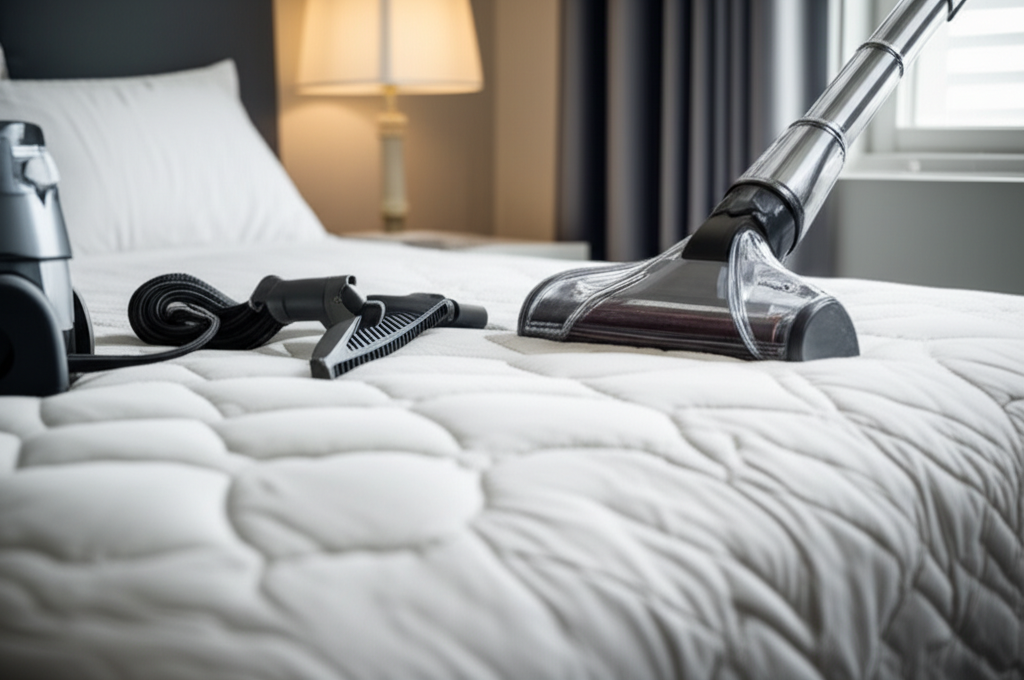
Most carpet cleaners come with different attachments. Use the smallest one, often called an upholstery tool. This tool is designed for smaller areas and more controlled application. It helps you target stains precisely.
Step 4: Apply Solution Sparingly
Do not saturate the mattress. Spray a small amount of cleaning solution onto the stained area or the upholstery tool. Work in small sections. Avoid spraying directly onto the mattress if possible. Instead, spray the tool and then apply it.
Step 5: Gently Agitate and Extract
Lightly scrub the stained area with the upholstery tool. Do not press too hard. Then, use the suction function of the carpet cleaner to extract the moisture and dirt. Go over the area several times to remove as much liquid as possible.
Step 6: Allow Thorough Drying
This is a critical step. Ensure the mattress dries completely before putting bedding back on. You can use fans to speed up the drying process. Aim for at least 6-8 hours of drying time, or longer if needed. Avoid sleeping on a damp mattress.
Alternatives to Carpet Cleaners for Mattress Cleaning
If you’re still unsure about using a carpet cleaner, or if yours doesn’t have the right features, there are other effective methods. These alternatives are often gentler and just as good at cleaning mattresses. They can help you achieve a fresh and clean sleep surface.
Manual Spot Cleaning
For minor stains, manual spot cleaning is often best. Use a clean cloth and a mild cleaning solution. Blot the stain gently, working from the outside in. Avoid rubbing, which can spread the stain. This method gives you the most control.
Steam Cleaning
A handheld steam cleaner can be a great option for mattresses. Steam can kill dust mites and bacteria without using chemicals. It also uses less moisture than a carpet cleaner. Ensure the steam cleaner is designed for fabric surfaces.
Professional Mattress Cleaning Services
If your mattress has deep stains or needs a thorough deep clean, consider professional services. They have specialized equipment and expertise. This ensures your mattress is cleaned effectively and safely. It’s a good option for expensive or heavily soiled mattresses.
Best Practices for Mattress Care
Regular care can prevent the need for deep cleaning. Simple habits can keep your mattress fresh and extend its lifespan. This makes your sleep healthier and more comfortable. Good mattress care is an investment in your well-being.
Regular Vacuuming
Vacuum your mattress at least once every few months. Use the upholstery attachment on your vacuum cleaner. This removes dust, dead skin cells, and allergens. It’s a simple step that makes a big difference.
Using a Mattress Protector
A waterproof mattress protector is essential. It shields your mattress from spills, sweat, and allergens. This keeps your mattress clean and makes cleaning much easier. You can wash the protector regularly.
Rotating and Flipping Your Mattress
If your mattress is designed to be flipped or rotated, do so every 3-6 months. This promotes even wear. It also helps maintain the mattress’s shape and support. Check your mattress’s warranty for specific instructions.
Frequently Asked Questions About Carpet Cleaners and Mattresses
Here are some common questions people have about using carpet cleaners on mattresses. We’ve provided clear, simple answers to help you.
Q1: Will a carpet cleaner damage my memory foam mattress?
A carpet cleaner can damage memory foam if it over-wets the mattress. Memory foam absorbs water easily and can take a long time to dry. This can break down the foam’s structure. Always use minimal water and ensure it dries completely.
Q2: Can I use bleach or strong chemicals in a carpet cleaner on my mattress?
No, never use bleach or strong chemicals on your mattress. These can damage the fabric, cause discoloration, and leave harmful residues. Always opt for mild, mattress-safe cleaning solutions.
Q3: How long does a mattress take to dry after using a carpet cleaner?
A mattress can take anywhere from 6 hours to 24 hours or more to dry. This depends on how much moisture was used and the room’s humidity. Good ventilation and fans can speed up the process. Never sleep on a damp mattress.
Q4: What is the difference between cleaning a carpet and a mattress?
Carpets are designed to handle more moisture and frequent deep cleaning. Mattresses are more delicate and can be easily damaged by over-wetting. Mattresses need careful, targeted cleaning to avoid mold and structural damage.
Q5: Can I use a carpet cleaner to remove pet stains from my mattress?
Yes, but with caution. Use an enzymatic cleaner designed for pet stains. Apply it sparingly to the stain only. Extract as much liquid as possible. Ensure the mattress dries completely to prevent odors and mold.
Conclusion: Proceed with Caution for a Cleaner Mattress
So, can you use a carpet cleaner on a mattress? The answer is yes, but it requires careful handling. Always prioritize using the correct upholstery attachments, minimal moisture, and appropriate cleaning solutions. For most situations, gentler methods like spot cleaning or steam cleaning might be safer. However, if you choose to use a carpet cleaner, follow the steps outlined in this guide meticulously. This ensures you achieve a cleaner mattress without causing damage. A clean mattress means better sleep and a healthier home.
If you’re looking for tools to help keep your home impeccably clean, explore HomeHygia’s range of cleaning appliances. We offer solutions designed for efficiency and effectiveness, making home hygiene easier than ever.