
Can I Steam Mop Laminate Flooring? Essential Guide

You can steam mop laminate flooring, but only with extreme caution and specific techniques. High heat and excess moisture can damage laminate, causing swelling, warping, and peeling. Always use a steam mop designed for delicate floors and a low-heat setting, ensuring the mop pad is only slightly damp.
When it comes to keeping your home sparkling clean, especially your floors, you’re always on the lookout for the best tools. Laminate flooring is a popular choice for its durability and looks. But when you think about steam mops, a common question pops up: Can I steam mop laminate flooring? It’s a valid concern, as laminate can be tricky. Many homeowners worry about damaging their beautiful floors with too much heat or water. We’re here to break down everything you need to know to clean your laminate floors safely and effectively.
Understanding Laminate Flooring and Steam
Laminate flooring is made of several layers, with a top photographic layer that mimics wood or stone, sealed with a clear protective coating. This coating is designed to resist scratches and stains. However, the core of laminate is typically made of high-density fiberboard (HDF), which is very sensitive to moisture.
This core is what makes steam cleaning a potential risk. Too much water can seep into the HDF, causing it to expand and warp. High heat can also break down the adhesive that holds the layers together or damage the protective wear layer. Therefore, understanding the specific needs of your laminate is crucial before you grab any cleaning tool.
The Big Question: To Steam or Not to Steam?
So, can I steam mop laminate flooring? The short answer is: it’s complicated, and often, it’s best avoided if you want to be completely safe. While some manufacturers might say their laminate is steam-mop friendly, most do not. The moisture and heat from a traditional steam mop can easily penetrate the seams of laminate planks.
This is especially true for older laminate floors or those with a lower-quality wear layer. The goal is to clean without introducing damaging levels of liquid. If you’re considering steam, you need to be incredibly careful and informed.
Why the Caution? Risks of Steam Mopping Laminate
Steam mops work by heating water into steam, which then loosens dirt and sanitizes surfaces. While this is great for tile or sealed hardwood, laminate is a different story. The primary concern is moisture damage.
Excessive moisture can lead to several problems. It can seep into the HDF core, causing planks to swell and buckle. This swelling is often irreversible and can ruin the appearance and integrity of your floor. High temperatures can also damage the wear layer, making it look dull or even peeling it off. This is why many laminate flooring warranties are voided by steam cleaning.
What Laminate Manufacturers Say
Most laminate flooring manufacturers strongly advise against using steam mops. They recommend alternative cleaning methods that use minimal moisture. Always check your manufacturer’s warranty and care guide before attempting any deep cleaning.
If your warranty explicitly states that steam cleaning is not allowed, you should heed that warning. Ignoring it could mean paying for repairs out of pocket if something goes wrong. It’s always better to be safe than sorry when it comes to protecting your investment.
When is Steam Mopping Potentially Okay for Laminate?
There are very specific situations where steam might be considered, but with major caveats. This usually involves laminate flooring specifically marketed as “steam-mop friendly.” These products often have a more robust sealing and a denser core. Even then, you must use the lowest heat setting and ensure the mop pad is barely damp.
You’ll also want to ensure the steam mop itself is designed for such delicate surfaces. Some modern steam mops offer adjustable steam levels, which is a critical feature. However, even with these precautions, the risk of damage remains higher than with other cleaning methods.
Choosing the Right Steam Mop for Laminate (If You Must)
If you decide to proceed, select a steam mop with specific features beneficial for laminate. Look for adjustable steam settings, allowing you to control the intensity. A “low” or “delicate” setting is essential.
Some steam mops also come with specific pads designed for wood or laminate. These pads might be less absorbent, helping to prevent excess moisture. A good steam mop should also heat up quickly and provide a consistent, light mist rather than a heavy blast of steam. Always test in an inconspicuous area first.
The Safest Way to Steam Mop Laminate: A Step-by-Step Guide
If you’ve checked your warranty, confirmed your laminate might tolerate it, and chosen a suitable steam mop, follow these steps carefully:
1. Prepare Your Floor
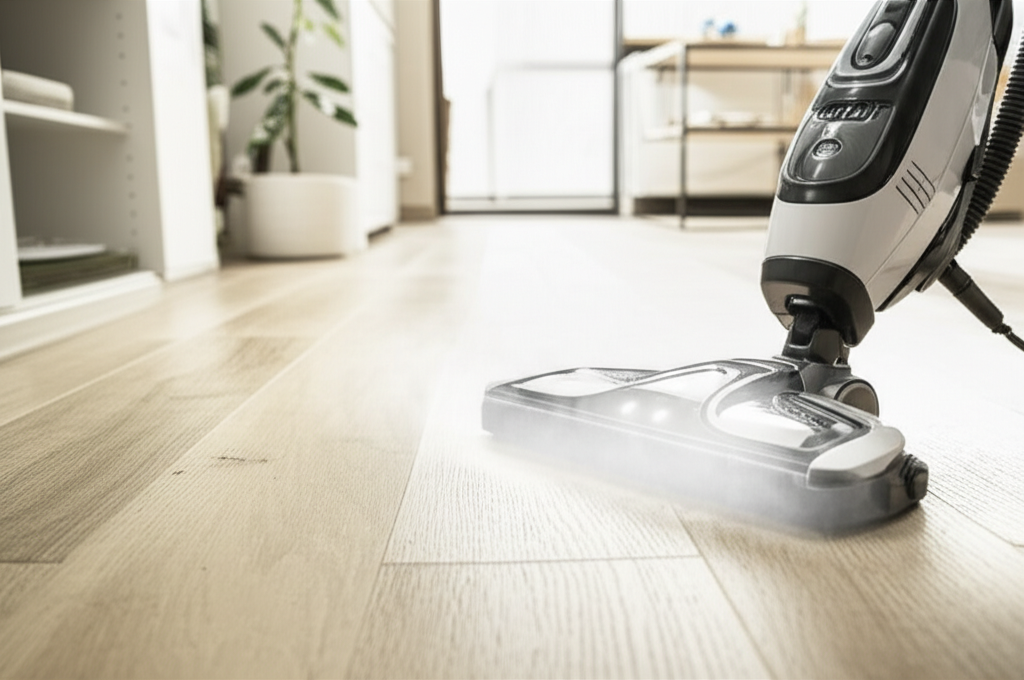
Before you even think about steam, thoroughly sweep or vacuum your laminate floors. This removes loose dirt, dust, and grit that could be ground into the floor by the mop. Using a vacuum with a soft brush roll designed for hard floors is ideal.
Ensure your vacuum cleaner doesn’t have a beater bar that could scratch the laminate surface. A clean floor means the steam mop will only deal with surface grime, not abrasive particles.
2. Use Minimal Water and Low Heat
Fill your steam mop’s water tank with distilled water. Tap water can contain minerals that can leave residue or damage the mop’s internal components. Set your steam mop to its absolute lowest heat and steam output setting.
The goal is a light, barely-there mist, not a powerful jet of steam. Imagine a very slightly damp cloth, not a soaking one. This minimal moisture is key to preventing damage.
3. Test in an Unseen Area
Always test the steam mop on a small, hidden section of your laminate floor. This could be inside a closet or behind a large piece of furniture. Let the area dry completely and check for any signs of damage, such as discoloration, warping, or peeling.
This crucial step can save you from widespread damage across your entire floor. If you see any adverse effects, stop immediately and do not proceed further. It’s a clear sign that steam mopping is not suitable for your flooring.
4. Steam Mop in Short, Quick Passes
When you’re ready to clean the main floor, move the steam mop in short, quick strokes. Do not let the mop linger in one spot. Keep it moving constantly across the surface.
Work in small sections, and allow each section to dry completely before moving on. This ensures that no single area is exposed to moisture for too long. The idea is to lightly sanitize and loosen surface dirt, not to saturate the floor.
5. Ensure Rapid Drying
After steam mopping, ensure the floor dries as quickly as possible. You can open windows or use fans to speed up the drying process. Avoid letting any standing water sit on the floor.
Proper ventilation is vital. It helps evaporate any residual moisture before it has a chance to penetrate the laminate planks. A dry floor is a safe floor when it comes to laminate.
Alternatives to Steam Mopping for Laminate Floors
Given the risks, most homeowners find that safer cleaning methods work just as well for laminate. These methods effectively clean and maintain your floors without the potential for damage.
1. Damp Mopping
This is the most recommended method for laminate floors. Use a mop with a microfiber pad that has been wrung out thoroughly. The pad should feel slightly damp, not wet.
Use a cleaning solution specifically designed for laminate floors or a mixture of water and a small amount of mild dish soap or white vinegar (about 1/4 cup per gallon of water). Always follow the manufacturer’s recommendations for cleaning solutions.
2. Vacuuming
Regular vacuuming is essential for preventing scratches and maintaining the appearance of your laminate floors. Use a vacuum cleaner with a hard floor setting or a soft brush attachment.
Avoid vacuums with beater bars that can scratch or damage the laminate’s surface. Frequent vacuuming removes abrasive particles that can dull the finish over time.
3. Specialized Laminate Floor Cleaners
There are many excellent cleaning products on the market formulated specifically for laminate flooring. These cleaners are pH-balanced and do not leave behind sticky residues or damage the wear layer.
Always choose cleaners that are explicitly labeled for use on laminate floors. This ensures they are safe and effective for your specific flooring type. You can find these at most home improvement stores and online retailers.
4. Cleaning Robots
Some robot mops are designed with laminate floors in mind. Look for models that offer a “damp mop” setting rather than a “wet mop” setting. These robots use a microfiber cloth and a minimal amount of water.
Ensure the robot doesn’t leave puddles and has good navigation to avoid staying in one spot too long. Always check the robot’s specifications and user reviews for laminate floor compatibility.
Tools and Products to Avoid on Laminate
Just as important as knowing what to use is knowing what to avoid. Certain cleaning tools and products can cause irreparable damage to your laminate flooring.
Using the wrong products can strip the finish, cause discoloration, or lead to swelling. It’s crucial to stick to methods and cleaners approved by laminate manufacturers.
Here’s a quick rundown of items to steer clear of:
Excessive Water: Never flood your laminate floors with water.
Abrasive Cleaners: Avoid scouring powders, steel wool, or abrasive pads.
Oil-Based Soaps: These can leave a dulling residue on laminate.
Wax or Polish: Laminate doesn’t need waxing and can become slippery or dull.
Steam Mops (Generally): Unless explicitly approved and used with extreme caution.
Wet Mops: Standard mops that leave the floor saturated.
Sticking to these guidelines will help preserve the beauty and longevity of your laminate floors for years to come. Understanding your flooring’s limitations is key to effective and safe cleaning.
Comparing Cleaning Methods for Laminate Flooring
Let’s look at how steam mopping stacks up against other common methods for laminate floors. This comparison highlights why caution is so important with steam.
| Cleaning Method | Pros | Cons | Suitability for Laminate |
| :——————- | :—————————————————————— | :—————————————————————————————————- | :—————————————————— |
| Steam Mopping | Sanitizes, loosens tough dirt with heat. | High risk of moisture damage (swelling, warping), heat damage, voids warranty, requires specialized mop. | Not Recommended (Use only with extreme caution) |
| Damp Mopping | Effective cleaning, uses minimal moisture, safe for laminate. | Requires wringing mop thoroughly, can still cause damage if too wet. | Highly Recommended |
| Vacuuming | Removes debris, prevents scratches, quick and easy. | Does not sanitize or remove stuck-on grime. | Essential (Always first step) |
| Laminate Cleaners| Specifically formulated, safe, effective, pH-balanced. | Can be more expensive than DIY solutions. | Highly Recommended (Use with damp mop) |
| Robot Mop (Damp) | Convenient, automated cleaning, can maintain cleanliness. | May miss spots, potential for too much moisture if not set correctly. | Potentially Good (Choose models with damp setting) |
As you can see, while steam mopping offers sanitization, its risks for laminate flooring are significant. Damp mopping with appropriate cleaners remains the safest and most effective approach for everyday cleaning and maintenance.
User Experiences and Expert Opinions
Many homeowners have shared their experiences online, and the consensus often leans towards caution. Some have reported success with steam mops on laminate, but these stories are often accompanied by detailed explanations of how they minimized moisture and heat. Others have unfortunately learned the hard way, dealing with warped or damaged floors after steam cleaning.
Appliance experts and flooring professionals generally advise against steam mopping laminate unless the manufacturer specifically permits it. They emphasize that the risk of voiding warranties and causing permanent damage is too high for most situations. The consensus is that safer, equally effective cleaning methods exist.
Frequently Asked Questions (FAQ)
Can I use a steam mop on all laminate floors?
No, you should not use a steam mop on most laminate floors. Many manufacturers specifically state that steam cleaning will void your warranty and can damage the flooring by causing swelling or warping due to moisture and heat.
What is the safest way to clean laminate floors?
The safest way to clean laminate floors is by regular sweeping or vacuuming to remove debris, followed by damp mopping with a microfiber mop. Use a cleaner specifically designed for laminate floors or a solution of water and a small amount of white vinegar or mild dish soap.
How much moisture is too much for laminate flooring?
Any standing water or excessive dampness that is not quickly evaporated is too much for laminate flooring. Laminate’s core is made of wood fibers that swell when exposed to moisture, leading to irreversible damage like warping and buckling.
Can I use a Swiffer WetJet on laminate?
Check the specific Swiffer WetJet solution. Some solutions are safe for sealed hard floors, but others might be too wet or contain ingredients that could damage laminate over time. Always ensure the product is approved for laminate floors and use it sparingly.
My laminate flooring looks dull. Can steam cleaning help?
Steam cleaning is unlikely to fix dullness and may even make it worse by damaging the wear layer. Dullness is often caused by residue from cleaning products or wear on the protective coating. Try cleaning with a recommended laminate floor cleaner and a microfiber mop.
What happens if I steam mop laminate flooring and it gets damaged?
If steam mopping causes damage, such as swelling, warping, or peeling, the repair costs will likely be your responsibility. Most laminate flooring warranties are voided by steam cleaning, meaning the manufacturer will not cover the repair or replacement costs.
Are there any “steam-mop friendly” laminates?
Yes, some newer laminate flooring products are designed to be more resistant to moisture and heat and may be advertised as “steam-mop friendly.” However, even with these, it is crucial to use the lowest heat setting and minimal moisture, and always check the manufacturer’s specific guidelines.
Conclusion: Proceed with Extreme Caution on Laminate
After exploring the ins and outs, the definitive answer to “Can I steam mop laminate flooring?” is a cautious “maybe, but probably not.” While some modern laminates might tolerate it under very specific conditions, the inherent risks of moisture and heat damage are significant. For most laminate floors, steam cleaning is a risky endeavor that can lead to costly repairs and voided warranties.
The HomeHygia team strongly recommends sticking to safer, proven methods like regular vacuuming and damp mopping with approved laminate floor cleaners. These methods effectively keep your floors clean and looking their best without the gamble. Prioritize the longevity and beauty of your floors by choosing cleaning routines that respect their delicate nature. If you’re looking for efficient cleaning tools, explore our range of vacuums and mops designed for hard floors at HomeHygia.

