6 Inch Poly Chimney Cleaning Brush: Essential Guide

This essential guide explains how to use a 6 inch poly chimney cleaning brush to keep your chimney safe and efficient. Learn why this tool is vital for preventing chimney fires and ensuring proper ventilation, with simple steps for effective cleaning.
Keeping your chimney clean is super important for your home’s safety. A dirty chimney can cause fires. That’s why we’re talking about a special tool today: the 6 inch poly chimney cleaning brush. It’s like a toothbrush for your chimney! This guide will show you exactly why you need one and how to use it safely. We’ll cover everything from choosing the right brush to making sure your chimney is sparkling clean and working well.
Why You Need a 6 Inch Poly Chimney Cleaning Brush
A 6 inch poly chimney cleaning brush is a must-have for any homeowner with a fireplace or wood stove. Creosote, a sticky tar-like substance, builds up inside your chimney from burning wood. This buildup is flammable and can easily cause a dangerous chimney fire. Regular cleaning removes this buildup, preventing fires and making sure smoke can escape your home safely. Using the right brush, like a 6-inch poly one, ensures you clean effectively without damaging your chimney liner.
Understanding Chimney Buildup and Fire Risks
Think of creosote as fuel for a fire in your chimney. When you burn wood, tiny particles escape up the flue. These particles stick to the walls and form a hard, black layer over time. If this layer gets too thick, a spark from your fire can ignite it. This causes a chimney fire, which can spread to your home. Keeping the 6 inch poly chimney cleaning brush handy helps you tackle this problem head-on.
Choosing the Right 6 Inch Poly Chimney Cleaning Brush
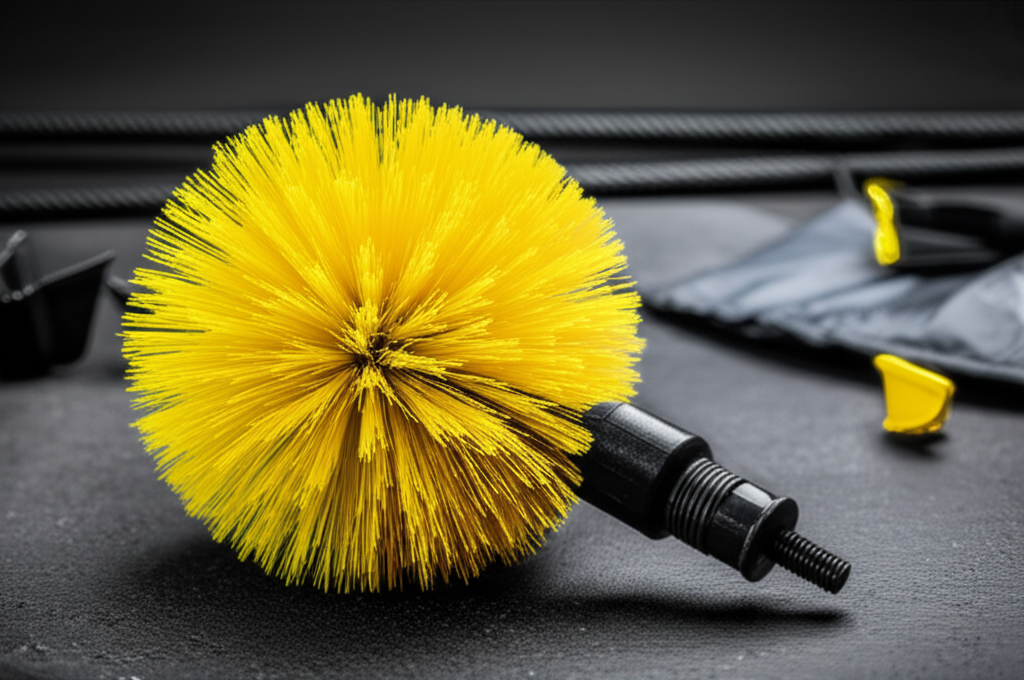
Not all chimney brushes are the same. For a 6-inch flue, you’ll want a 6 inch poly chimney cleaning brush. Poly brushes are made of strong plastic bristles. These are gentler on your chimney liner than stiff wire brushes. This is important because a damaged liner can lead to bigger, more expensive problems. Always match the brush size to your chimney’s flue size for a perfect fit.
Poly vs. Wire Brushes: What’s the Difference?
Poly brushes use tough plastic bristles that are flexible. They scrub away soot and creosote effectively. Wire brushes have metal bristles. While strong, they can scratch or damage certain chimney liners, especially metal ones or those made of clay tiles. For most modern chimneys, a poly brush is the safer and more recommended choice. Your 6 inch poly chimney cleaning brush offers a good balance of cleaning power and safety.
Sizing Your Brush Correctly
Getting the right size brush is crucial. A brush that’s too small won’t clean properly. A brush that’s too big can get stuck. For a 6-inch flue, you need a 6-inch brush. Many manufacturers offer brushes in standard flue sizes. Always measure your chimney’s interior diameter to be sure. This ensures your 6 inch poly chimney cleaning brush fits snugly and cleans every inch.
Essential Tools for Chimney Cleaning
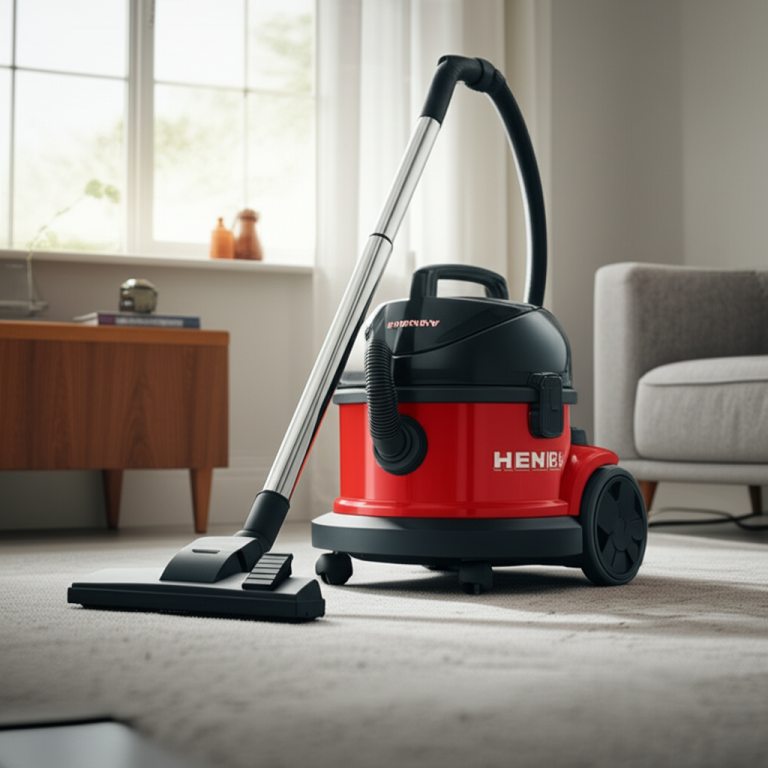
Besides your 6 inch poly chimney cleaning brush, you’ll need a few other things. These tools help make the job easier and safer. You’ll need flexible cleaning rods that connect together. You might also need a shop vacuum with a HEPA filter to catch dust. Eye protection and gloves are also very important. A drop cloth can protect your floor from soot.
The Role of Chimney Rods
Chimney rods are like extensions for your brush. They screw together to reach the entire length of your chimney. They need to be strong and flexible enough to bend around corners. Most rods are made of fiberglass or plastic. You connect your 6 inch poly chimney cleaning brush to the end of the rods. Then you push and pull the brush up and down the flue.
Safety Gear: Don’t Skip These!
Cleaning a chimney can be messy and dusty. Always wear safety glasses to protect your eyes from falling soot. Wear gloves to keep your hands clean and prevent splinters. A dust mask is also a good idea, especially if you have allergies. Proper safety gear ensures you can clean your chimney without any harm. Your health is more important than a clean chimney.
Step-by-Step Guide: Cleaning Your Chimney
Cleaning your chimney might seem daunting, but it’s manageable with the right steps. First, prepare the area. Cover your fireplace opening and the floor around it. Assemble your cleaning rods and attach the 6 inch poly chimney cleaning brush. Start at the top of the chimney, if accessible and safe, or from the bottom.
Step 1: Preparation and Safety First
Before you start, close the damper if you’re cleaning from the fireplace opening. Lay down a drop cloth to catch falling soot. Wear your safety glasses, gloves, and dust mask. Ensure the fireplace is completely cool. This preparation makes the cleaning process much smoother and less messy.
Step 2: Assembling Your Brush and Rods
Connect your chimney rods one by one. Attach the 6 inch poly chimney cleaning brush to the first rod. Make sure it’s screwed on tightly. As you push the brush up into the chimney, you’ll add more rods as needed. This ensures you can reach the entire flue.
Step 3: Brushing the Flue
Push the brush up and down the chimney flue. Use a vigorous scrubbing motion. Work your way from the bottom to the top, or top to bottom. Move the brush in short strokes, covering the entire surface of the flue. This action dislodges soot and creosote.
Step 4: Removing Debris
Once you’ve brushed the entire flue, carefully remove the rods. You can use a shop vacuum to clean up the soot and creosote that falls into the fireplace. A vacuum with a HEPA filter is best for trapping fine particles. Ensure all debris is removed before using the fireplace again.
How Often Should You Clean Your Chimney?
The frequency of cleaning depends on how often you use your fireplace. For most people, cleaning once a year is sufficient. If you use your fireplace heavily, you might need to clean it more often. Look for signs of buildup, like a smoky smell or reduced draft. Regular inspection with your 6 inch poly chimney cleaning brush can help you judge.
Factors Influencing Cleaning Schedule
The type of wood you burn also matters. Burning seasoned hardwood produces less creosote than burning wet or soft wood. Using your fireplace for heat versus occasional ambiance makes a difference too. A good rule of thumb is to inspect your chimney at the start of the burning season. If you see more than 1/8 inch of creosote, it’s time to clean.
Common Problems and Solutions
Sometimes, cleaning your chimney can present challenges. The brush might get stuck, or you might not have good access. If the brush gets stuck, try wiggling it gently. Never force it, as this can damage the rods or the brush. If access is difficult, consider professional help.
Dealing with a Stuck Brush
A stuck 6 inch poly chimney cleaning brush is frustrating. First, try pulling it back down slowly. If that doesn’t work, try pushing it up a little, then pulling again. Sometimes, rotating the rods can help dislodge it. If it’s truly stuck, you may need to call a chimney sweep. They have specialized tools and experience.
When to Call a Professional Chimney Sweep
While a 6 inch poly chimney cleaning brush is a great DIY tool, some situations call for a pro. If your chimney is very old, has visible damage, or if you’re uncomfortable with the process, hire a professional. They can perform inspections and cleanings with specialized equipment. The Chimney Safety Institute of America (CSIA) offers resources to find certified sweeps.
Benefits of a Clean Chimney
A clean chimney is a safe chimney. It allows your fireplace or wood stove to work efficiently. Proper ventilation means smoke and gases go up the chimney, not into your home. This prevents carbon monoxide buildup, which is a serious health risk. A clean chimney also looks better and reduces the risk of fire.
Improved Fireplace Efficiency
When your chimney is clear of blockages, air can flow freely. This means your fire will burn hotter and more cleanly. You’ll get more heat from your wood. A well-functioning chimney also prevents smoke from backing up into your living space. This makes your home more comfortable and enjoyable.
Enhanced Home Safety
The most critical benefit is safety. A clean chimney drastically reduces the risk of a devastating chimney fire. It also prevents dangerous carbon monoxide gas from entering your home. Regular cleaning with your 6 inch poly chimney cleaning brush is a simple but effective way to protect your family and property.
Maintaining Your 6 Inch Poly Chimney Cleaning Brush
To get the most out of your 6 inch poly chimney cleaning brush, proper care is essential. After each use, clean the brush thoroughly. Remove any soot or creosote stuck in the bristles. Store it in a dry place, away from moisture. This will help the bristles last longer and keep the brush effective.
Cleaning and Storing Your Brush
Rinse the brush with water after use. You can use a stiff brush or even a hose to get stubborn debris out. Let it air dry completely before storing. Storing it in a garage or shed is usually fine. Avoid extreme temperatures or damp conditions. A well-maintained 6 inch poly chimney cleaning brush will serve you for years.
Where to Buy a 6 Inch Poly Chimney Cleaning Brush
You can find a 6 inch poly chimney cleaning brush at most hardware stores. They are also widely available online from retailers like Amazon, Home Depot, and specialized fireplace supply websites. When purchasing, ensure you are buying a brush specifically designed for chimney cleaning. Always check product reviews for quality and durability.
Online vs. In-Store Purchases
Buying online offers a wider selection and often better prices. You can easily compare different brands and models. In-store purchases allow you to see and feel the brush before buying. It also provides immediate availability. For convenience and choice, online shopping is often preferred for tools like a 6 inch poly chimney cleaning brush.
Frequently Asked Questions About Chimney Cleaning Brushes
Q1: Can I use a wire brush instead of a poly brush for my chimney?
You can, but a poly brush is generally safer for most chimney liners. Wire brushes can scratch or damage certain materials. Always check your chimney manufacturer’s recommendations.
Q2: How do I know if my chimney needs cleaning?
Look for signs like smoke backing up into your home, a sooty smell, or if the inside of the flue is covered in more than 1/8 inch of creosote. Annual inspections are recommended.
Q3: Can I clean my chimney from the top down or bottom up?
Both methods work. Cleaning from the top down is often more effective for dislodging stubborn creosote. Cleaning from the bottom up can be easier if you don’t have safe roof access.
Q4: How long do chimney cleaning rods usually last?
With proper care, chimney cleaning rods can last for many years. Avoid bending them sharply, and store them in a dry place. Inspect them for cracks before each use.
Q5: Is it safe to clean my chimney myself?
Yes, if you take the proper safety precautions and use the right tools like a 6 inch poly chimney cleaning brush. If you are unsure or have a difficult chimney, it’s best to hire a professional chimney sweep.
Q6: What is the difference between soot and creosote?
Soot is a fine black powder produced by incomplete burning. Creosote is a tar-like substance that forms when soot and other burning byproducts combine and harden. Creosote is much more flammable and dangerous.
Conclusion
Maintaining a safe and efficient chimney is essential for any home with a fireplace. Your 6 inch poly chimney cleaning brush is a vital tool in this process. It helps you remove dangerous creosote buildup, preventing fires and ensuring proper ventilation. By understanding how to choose, use, and maintain your brush, you can keep your chimney in excellent condition. Remember to always prioritize safety and consider professional help when needed. Happy, safe fires start with a clean chimney!