
Which Filter Is Best For Air Purifier: Proven Essential

The best air purifier filter depends on your specific needs, but HEPA filters are essential for removing allergens and fine particles, while activated carbon filters excel at tackling odors and VOCs. Combining these offers the most comprehensive air purification.
Which Filter Is Best For Air Purifier: Proven Essential
Are you wondering which filter is best for your air purifier? Many people struggle to choose the right one. Different filters clean your air in different ways. Some tackle tiny dust, while others fight smells. It can feel confusing. This guide will help you understand the options. We will break down each filter type so you can pick the perfect one for your home. Let’s make your air cleaner and healthier together.
Understanding Air Purifier Filters
Air purifiers use filters to clean the air you breathe. They work like a sieve, catching unwanted particles. The type of filter determines what it can catch. A good air purifier has the right filters for your needs. This ensures it removes what bothers you most, like dust, pollen, or smoke.
The Importance of Choosing the Right Filter
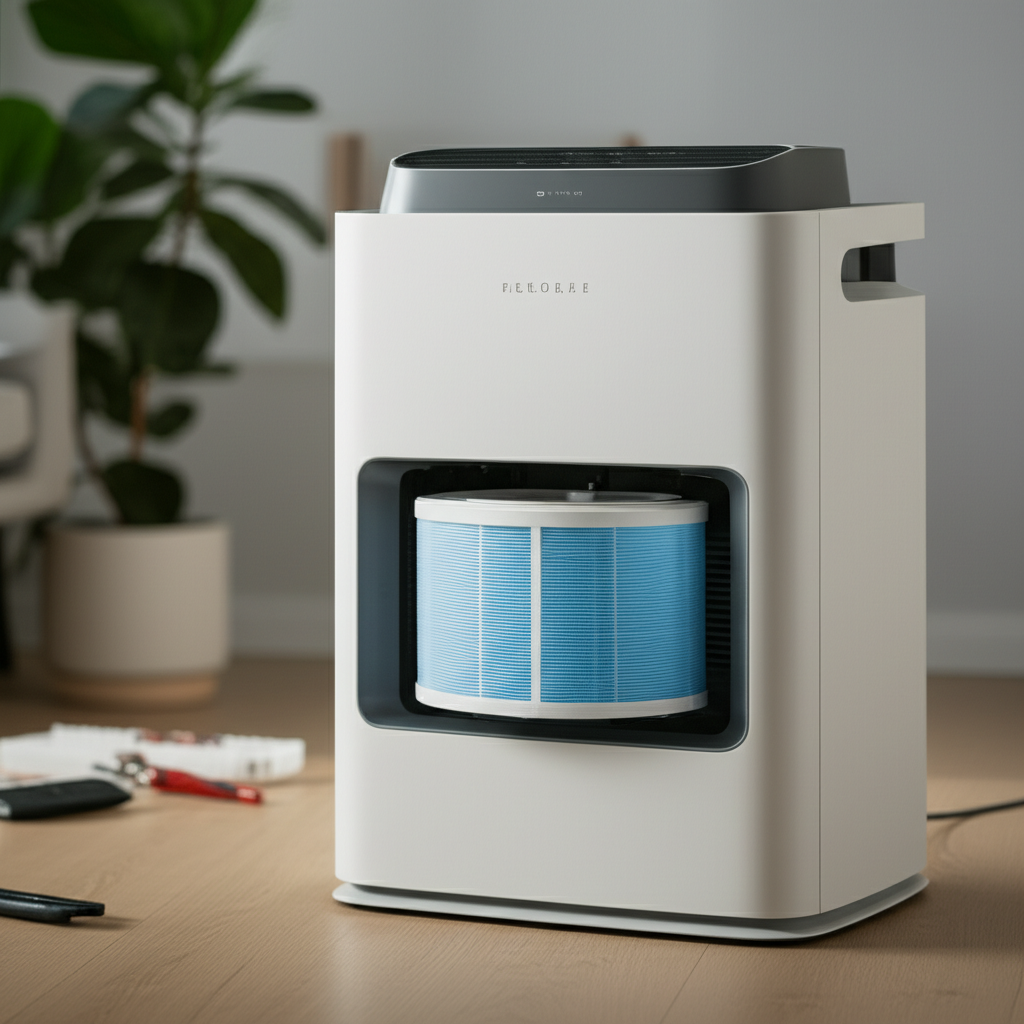
Choosing the right filter is crucial for effective air cleaning. An incorrect filter might not catch the pollutants you are trying to remove. For example, a filter for odors won’t help much with allergens. This can lead to wasted money and air that isn’t as clean as it could be.
HEPA Filters: The Gold Standard for Purity
HEPA stands for High-Efficiency Particulate Air. These filters are designed to capture very small particles. They are incredibly effective at removing things like dust, pollen, pet dander, and mold spores. To be called true HEPA, a filter must remove at least 99.97% of particles that are 0.3 microns in size. This tiny size is important because it’s often the most difficult to trap.
How HEPA Filters Work
HEPA filters use a dense mat of fibers. These fibers are arranged randomly. Particles get trapped through several mechanisms. These include impaction, interception, and diffusion. Think of it like a dense forest for tiny particles; they can’t get through easily.
Benefits of HEPA Filters
HEPA filters are excellent for allergy and asthma sufferers. They significantly reduce airborne irritants. This can lead to easier breathing and fewer allergy symptoms. Many studies show the positive impact of HEPA filtration on indoor air quality. For instance, a report by the EPA highlights their effectiveness.
Limitations of HEPA Filters
While HEPA filters are great for particles, they don’t remove gases or odors. They also don’t capture very large particles like hair. You will need other types of filters for those issues. HEPA filters also need to be replaced regularly to maintain their effectiveness.
Activated Carbon Filters: Tackling Odors and Gases
Activated carbon filters are made from carbon that has been treated to be very porous. This porous structure gives it a huge surface area. It works by a process called adsorption. This is where gases and odors stick to the surface of the carbon.
How Activated Carbon Filters Work
The carbon acts like a sponge for smells and chemicals. When air passes through, volatile organic compounds (VOCs) and odor molecules are attracted to the carbon. These include things like smoke, cooking smells, pet odors, and chemical fumes from cleaning products or furniture.
Benefits of Activated Carbon Filters
These filters are essential for removing unpleasant smells and harmful gases. If your home has issues with cooking odors, pet smells, or smoke, activated carbon is key. They make your living space smell fresher and can remove potentially harmful chemicals from the air.
Limitations of Activated Carbon Filters
Activated carbon filters are not effective at removing solid particles like dust or pollen. They are designed specifically for gases and odors. The amount of activated carbon in a filter also matters; more carbon means it can absorb more before needing replacement.
Pre-filters: The First Line of Defense
A pre-filter is usually the first layer of filtration in an air purifier. Its main job is to catch larger particles. These include things like pet hair, lint, and large dust bunnies. This protects the more sensitive filters, like HEPA and carbon, from getting clogged quickly.
The Role of Pre-filters
By capturing the big stuff first, pre-filters extend the life of your other filters. This means you won’t have to replace your HEPA or carbon filters as often. This can save you money in the long run. Pre-filters are often washable, making maintenance simple.
Types of Pre-filters
Pre-filters can be made from various materials. Some are simple mesh screens. Others might be a thin layer of foam. The key is that they are washable or easily replaceable.
Combination Filters: The Best of Both Worlds
Many modern air purifiers use combination filters. These filters include multiple layers in one unit. Typically, they combine a pre-filter, an activated carbon filter, and a HEPA filter. This offers a comprehensive solution for a wide range of air pollutants.
Advantages of Combination Filters
Using a combination filter is convenient. You get the benefits of particle removal and odor/gas removal from a single unit. This simplifies maintenance as you only need to replace one filter cartridge. It’s often the most cost-effective solution for general air purification.
What to Look For in Combination Filters
When choosing a combination filter, check the amount of activated carbon and the HEPA rating. A thicker carbon layer is generally better for odor control. Ensure the HEPA component meets true HEPA standards for effective particle capture.
Specialty Filters: For Unique Needs
Beyond the common types, some air purifiers offer specialty filters. These are designed for very specific problems. For example, some filters are made to target formaldehyde or other specific VOCs. Others might have antimicrobial coatings to kill bacteria and viruses.
UV-C Light Filters
UV-C light is a type of ultraviolet light. It can kill germs like bacteria and viruses. Some air purifiers include a UV-C lamp. This lamp shines on the air as it passes through. It helps to neutralize airborne pathogens.
Ionizers and Other Technologies
Ionizers release negative ions into the air. These ions attach to particles, making them heavier. They then fall out of the air or stick to surfaces. Some people prefer to avoid ionizers because they can produce small amounts of ozone. Ozone can be harmful to your lungs.
Choosing the Right Filter for Your Home
To decide which filter is best for your air purifier, consider your main concerns. Are you dealing with allergies? Do you have pets? Is there a persistent odor in your home? Answering these questions will guide your choice.
For Allergy and Asthma Sufferers
If allergies or asthma are your primary concern, a true HEPA filter is essential. Look for air purifiers that explicitly state they use a true HEPA filter. This will capture the pollen, dust mites, and dander that trigger symptoms. A good pre-filter will also help keep the HEPA filter working efficiently.
For Pet Owners
Pet owners often struggle with both dander and odors. A combination filter is usually the best choice here. The HEPA component will capture pet dander and hair. The activated carbon filter will help neutralize pet odors. Some units also have specialized filters for pet smells.
For Homes with Smoke or Strong Odors
If smoke from cooking or a fireplace is an issue, or if you have strong odors from pets or other sources, an activated carbon filter is critical. Look for an air purifier with a substantial amount of activated carbon. The more carbon, the better it will be at adsorbing odors and VOCs.
For General Air Quality Improvement
For general improvement of indoor air quality, a combination HEPA and activated carbon filter is highly recommended. This covers a broad range of pollutants, from dust and allergens to common odors. It’s a well-rounded solution for most homes.
Maintenance and Filter Replacement
Air purifier filters don’t last forever. They need regular maintenance and replacement to stay effective. This is a crucial part of owning an air purifier. Neglecting this step means your purifier won’t clean your air properly.
How Often Should Filters Be Replaced?
Filter replacement schedules vary by model and usage. Generally, HEPA filters need replacing every 6-12 months. Activated carbon filters might need replacement every 3-6 months, especially if dealing with strong odors. Always check your air purifier’s manual for specific recommendations.
Can Filters Be Cleaned?
Pre-filters are often washable. This helps extend their life. However, HEPA and activated carbon filters cannot be effectively cleaned. Washing them can damage their structure and reduce their ability to trap pollutants. They must be replaced.
Top Air Purifier Filter Brands and Models
Several brands offer excellent air purifiers with effective filtration systems. Companies like Coway, Blueair, Levoit, and Winix are known for their reliable units. When comparing models, always look at the specific filter types they use. For example, Coway often features multi-stage filtration with HEPA and carbon. Blueair uses a combination of electrostatic and mechanical filtration. Levoit offers many models with true HEPA and substantial carbon filters. Winix units often include HEPA, carbon, and plasma wave technology.
| Filter Type | Primary Function | Best For |
|---|---|---|
| HEPA | Captures fine particles (dust, pollen, dander) | Allergies, asthma, general particle removal |
| Activated Carbon | Absorbs odors and VOCs (smoke, chemicals) | Pet odors, smoke, cooking smells, chemical fumes |
| Pre-filter | Captures large particles (hair, lint) | Extending life of other filters, pet hair |
| Combination (HEPA + Carbon) | Particles, odors, and gases | General air purification, multi-issue homes |
Frequently Asked Questions (FAQ)
What is the most important filter in an air purifier?
The most important filter depends on your needs. For general air cleaning and allergies, a true HEPA filter is essential. For odors and gases, activated carbon is key.
Can I use an air purifier without a HEPA filter?
Yes, you can, but it won’t be as effective at removing fine particles like dust, pollen, and dander. Other filters might handle odors or larger particles.
How do I know if my air purifier filter needs replacing?
Many air purifiers have indicator lights. You might also notice reduced airflow or a slight odor returning to the air. Always check the manual for replacement intervals.
Are washable filters as good as replaceable ones?
Washable pre-filters are good for catching large particles. However, HEPA and activated carbon filters cannot be washed effectively and must be replaced.
Do air purifiers with UV light kill viruses?
UV-C light can help neutralize or kill airborne viruses and bacteria. However, its effectiveness depends on the UV intensity and exposure time. It’s a supplementary feature.
Is activated carbon filter better than HEPA?
Neither is inherently “better.” They serve different purposes. HEPA filters trap particles, while activated carbon filters trap gases and odors. For comprehensive cleaning, you often need both.
What does a “true HEPA” filter mean?
“True HEPA” means the filter meets stringent standards. It must capture at least 99.97% of airborne particles 0.3 microns in size.
Conclusion
Choosing the right filter for your air purifier is fundamental to achieving cleaner air. For most homes, a combination of a true HEPA filter and an activated carbon filter provides the most comprehensive protection. HEPA filters are proven essentials for trapping allergens and fine particles, while activated carbon excels at removing odors and VOCs. Always consider your specific needs, whether it’s managing allergies, tackling pet odors, or simply improving general air quality. Regular filter maintenance and timely replacement are key to ensuring your air purifier continues to work effectively. By understanding these filter types, you can confidently select the best option for a healthier home environment.