What Is The Difference Between A Dehumidifier and Air Purifier: Essential Guide

The primary difference between a dehumidifier and an air purifier is their function: dehumidifiers remove excess moisture from the air, while air purifiers remove airborne particles like dust, pollen, and smoke. Understanding this distinction is key to choosing the right device for your home’s specific needs.
Breathe Easier: Understanding Dehumidifiers vs. Air Purifiers
Do you ever feel like your home is too damp, or perhaps filled with floating dust that makes you sneeze? It’s a common problem. Many people wonder if a dehumidifier or an air purifier is the right solution. This guide will clearly explain what each device does. We will help you understand what is the difference between a dehumidifier and air purifier so you can make the best choice for a healthier, more comfortable living space. Let’s dive in!
What Exactly Does a Dehumidifier Do?
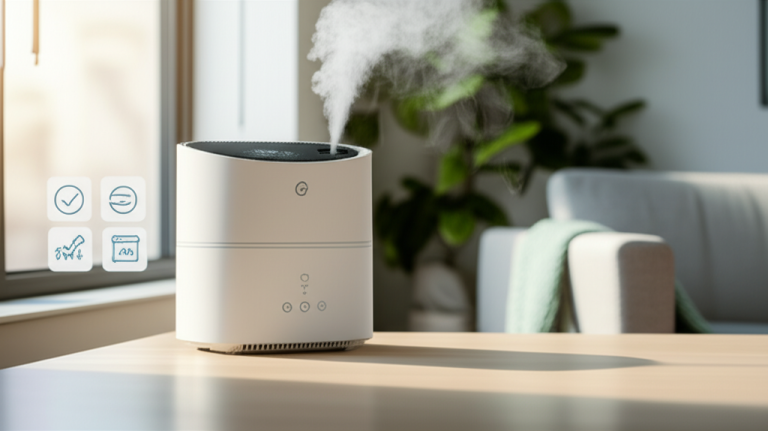
A dehumidifier is a home appliance designed to reduce the level of humidity, or moisture, in the air. It works by drawing in moist air, cooling it to condense the water vapor, and then releasing the drier air back into the room. This collected water is stored in a tank or can be drained away.
How Dehumidifiers Tackle Excess Moisture
Dehumidifiers are like sponges for your air. They pull in damp air, cool it down, and make the water in the air turn into liquid. This liquid water is then collected, leaving the air feeling drier. This process is crucial for preventing mold growth and making your home feel more comfortable.
What Exactly Does an Air Purifier Do?
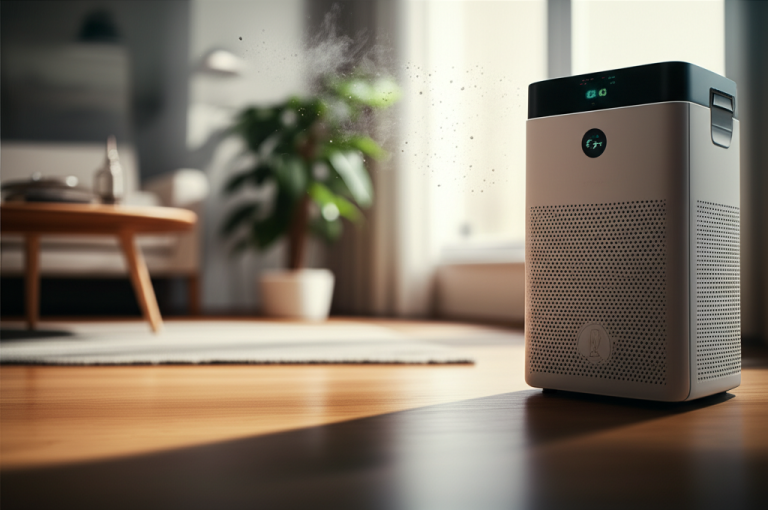
An air purifier is a device that removes contaminants and impurities from the air. It uses various filtration technologies, such as HEPA filters, activated carbon, or UV-C light, to trap or neutralize airborne particles like dust, pollen, pet dander, smoke, and even some bacteria and viruses.
How Air Purifiers Clean Your Air
Think of an air purifier as a vacuum cleaner for the air in your home. It sucks in air, passes it through special filters that catch tiny particles, and then blows the cleaner air back out. This is great for people with allergies or asthma, as it removes the things that can make breathing difficult.
Key Differences: Function and Purpose
The fundamental distinction lies in their primary jobs. A dehumidifier’s main goal is to control moisture levels, preventing issues like mold and mildew. An air purifier’s main goal is to remove airborne pollutants, improving overall air quality and health. They tackle different problems, though both contribute to a more comfortable home environment.
Dehumidifier vs. Air Purifier: Core Functions
| Feature | Dehumidifier | Air Purifier |
| :————– | :—————————————– | :—————————————– |
| Primary Goal | Reduce humidity | Remove airborne particles |
| How it Works | Cools air to condense moisture | Filters air through HEPA, carbon, etc. |
| Main Benefit| Prevents mold, mildew, musty odors | Reduces allergens, smoke, dust, odors |
| Output | Drier air, collected water | Cleaner air |
When Do You Need a Dehumidifier?
You likely need a dehumidifier if your home feels consistently damp, sticky, or smells musty. This often happens in basements, bathrooms, or during humid summer months. High humidity can lead to mold growth, damage to your home, and discomfort for its occupants. Addressing this moisture is key.
Signs Your Home is Too Humid
Condensation: Water droplets forming on windows, pipes, or walls.
Musty Odors: A persistent damp or mildew smell.
Mold or Mildew: Visible fuzzy or discolored patches on surfaces.
Sticky Feeling: Air that feels heavy and uncomfortable.
Warping Materials: Wood furniture or building materials showing signs of damage from moisture.
When Do You Need an Air Purifier?
An air purifier is beneficial if you suffer from allergies, asthma, or are sensitive to airborne irritants. It’s also useful for homes with pets, smokers, or those located in areas with high outdoor pollution. If you notice a lot of dust settling quickly or unpleasant odors, an air purifier can help.
Signs Your Air Needs Purifying
Allergies or Asthma: Frequent sneezing, coughing, itchy eyes, or breathing difficulties indoors.
Pet Dander: Persistent pet odors or dander floating in the air.
Smoke: Lingering smoke smell from cooking or cigarettes.
Dust: Rapid dust accumulation on surfaces despite regular cleaning.
Unpleasant Odors: Lingering smells from cooking, pets, or other sources.
Can a Dehumidifier Replace an Air Purifier?
No, a dehumidifier cannot replace an air purifier. While both devices improve indoor air quality, they do so through different mechanisms and address distinct issues. A dehumidifier focuses on moisture, while an air purifier targets airborne particles and pollutants. Using one will not perform the function of the other.
Complementary, Not Interchangeable
Think of them as specialized tools. A dehumidifier is like a waterproof spray for your walls, preventing damage. An air purifier is like a dust mask for your lungs, filtering out irritants. You need the right tool for the specific problem you are trying to solve.
Can an Air Purifier Replace a Dehumidifier?
Similarly, an air purifier cannot replace a dehumidifier. An air purifier effectively removes particles from the air but does not significantly reduce the moisture content. If your primary concern is high humidity, an air purifier will not solve that problem. You’ll still face issues like mold and musty smells.
Different Problems, Different Solutions
An air purifier can help remove mold spores from the air after they have formed due to high humidity. However, it won’t prevent new mold from growing. A dehumidifier tackles the root cause by removing the excess moisture that mold needs to thrive.
Do Both Devices Work Together?
Yes, in many cases, using both a dehumidifier and an air purifier can provide the most comprehensive improvement to your indoor air quality. They address separate but often related issues. For instance, high humidity can exacerbate allergy symptoms by promoting mold and dust mite growth, which an air purifier then helps to remove.
Achieving Optimal Indoor Air Quality
By combining their strengths, you can create a healthier living environment. The dehumidifier controls moisture, preventing mold and dust mites. The air purifier captures allergens, dust, and other airborne irritants. This dual approach is ideal for homes struggling with both humidity and air quality concerns. According to the Environmental Protection Agency (EPA), maintaining indoor humidity levels between 30-50% is recommended for health and comfort.
Key Features to Consider
When choosing between or selecting both devices, consider their features. For dehumidifiers, look at tank capacity, coverage area, and drainage options. For air purifiers, focus on HEPA filter type, CADR (Clean Air Delivery Rate) ratings, and coverage area. Understanding these specs helps you match the device to your needs.
Dehumidifier Features to Note:
Capacity: Measured in pints of water removed per day. Choose based on room size and humidity level.
Coverage Area: Typically stated in square feet.
Drainage: Options include manual emptying of a tank or continuous drainage via a hose.
Humidistat: Allows you to set a desired humidity level.
Air Purifier Features to Note:
Filter Type: True HEPA filters are best for capturing small particles. Activated carbon filters help with odors and gases.
CADR: Indicates how quickly the unit can filter air for smoke, dust, and pollen. Higher is better.
Coverage Area: Similar to dehumidifiers, stated in square feet.
Noise Level: Important for bedrooms or living areas.
Can You Use Them in the Same Room?
Yes, you can absolutely use a dehumidifier and an air purifier in the same room. They are designed to operate independently and do not interfere with each other’s functions. In fact, using them together in a single space can offer significant benefits, especially in areas prone to both dampness and airborne irritants.
Maximizing Room Comfort and Health
Placing both devices in the same room allows them to work in tandem. The dehumidifier will manage the moisture, creating an environment less conducive to mold and dust mites. The air purifier will then capture any remaining allergens or pollutants, providing cleaner, drier air. This combination is particularly effective in basements or bathrooms.
Frequently Asked Questions (FAQ)
Will a dehumidifier make my air cleaner?
A dehumidifier primarily makes your air drier by removing moisture. This can indirectly help by reducing mold growth, which is a common air pollutant. However, it does not filter out dust, pollen, or smoke particles like an air purifier does.
Will an air purifier help with a musty smell?
Yes, many air purifiers, especially those with activated carbon filters, are very effective at removing musty odors. These filters absorb odor-causing molecules from the air, leaving your home smelling fresher.
Can I run both appliances all the time?
For optimal results, it is generally recommended to run both appliances as needed. Dehumidifiers should run when humidity is high, and air purifiers can run continuously or during times when air quality is a concern (e.g., during allergy season, or when cooking).
Which one should I buy first?
The one you should buy first depends on your biggest concern. If your home feels damp, has condensation, or smells musty, start with a dehumidifier. If you suffer from allergies, notice lots of dust, or have pets, prioritize an air purifier.
Can a dehumidifier cause dry air?
Yes, a dehumidifier’s purpose is to reduce moisture. If you run it excessively or in a very dry climate, it can make the air too dry, which can cause discomfort like dry skin or a sore throat. Most modern dehumidifiers have humidistats to prevent over-drying.
Do air purifiers use a lot of electricity?
Air purifiers vary in energy consumption. Generally, smaller units or those with energy-saving modes use less electricity. Look for Energy Star certified models, which are designed for efficiency. Running them on lower fan speeds can also reduce power usage.
Conclusion: Choosing the Right Tool for Your Home
Understanding what is the difference between a dehumidifier and air purifier is crucial for creating a healthy and comfortable living space. Dehumidifiers excel at controlling moisture, preventing mold, and reducing that sticky, damp feeling. Air purifiers focus on removing airborne particles like dust, allergens, and smoke, leading to cleaner air for breathing. While they serve different purposes, they can work together effectively. By assessing your home’s specific needs – whether it’s dampness or airborne irritants – you can confidently choose the right device, or combination of devices, to breathe easier and live healthier.