The Best Air Purifier for Dust: Proven Allergy Relief

Find the best air purifier for dust to get proven allergy relief. We’ll guide you through choosing a purifier that effectively captures dust, pet dander, and pollen, making your home cleaner and your breathing easier. Get ready for a healthier living space.
Dust might seem like a small problem, but it can cause big issues for your health, especially if you have allergies or asthma. Tiny dust particles float in your air, landing on surfaces and getting into your lungs. This can lead to sneezing, itchy eyes, and breathing difficulties. But there’s a simple solution to this common frustration. Choosing the right air purifier can make a world of difference, clearing your air and helping you breathe easier. We’ll show you exactly how to find the best air purifier for dust.
Why Dust is a Big Deal for Your Home and Health
Dust is more than just an eyesore; it’s a mix of many things. It includes skin flakes, pet dander, fabric fibers, and even tiny bugs. These particles can trigger allergies and worsen asthma symptoms for many people. According to the American College of Allergy, Asthma & Immunology, dust mites are a common allergen found in homes. These microscopic creatures thrive in dust, feeding on dead skin cells.
Breathing in these allergens day after day can lead to chronic respiratory problems. It can also disrupt your sleep and reduce your overall quality of life. Even if you clean regularly, dust can settle back quickly. An air purifier acts as a powerful ally in your fight against airborne irritants.
Understanding How Air Purifiers Tackle Dust

Air purifiers work by drawing in the air from a room. Inside the purifier, a fan pulls air through a series of filters. These filters are designed to trap different types of particles. The cleaner air is then released back into your room. This continuous cycle helps to reduce the amount of dust and other allergens in your home.
The effectiveness of an air purifier depends on its filter type and its ability to clean the air in a given space. For dust, a filter with a high MERV rating or a True HEPA filter is crucial. These filters can capture even the smallest dust particles.
Key Features to Look for in the Best Air Purifier for Dust
When searching for the best air purifier for dust, certain features are non-negotiable. You want a machine that is powerful, efficient, and easy to use. Understanding these features will help you make an informed choice. A good air purifier can significantly improve your indoor air quality.
True HEPA Filters: The Gold Standard for Dust Capture
True HEPA (High-Efficiency Particulate Air) filters are the most important component of an air purifier for dust. These filters are certified to capture at least 99.97% of airborne particles as small as 0.3 microns. This includes dust, pollen, mold spores, and pet dander. Many cheaper filters claim to be HEPA-like, but only a True HEPA filter meets this stringent standard.
Look for purifiers that explicitly state they use a “True HEPA filter.” This certification ensures you are getting the best possible filtration for your money. It’s a vital feature for anyone suffering from allergies.
Activated Carbon Filters: Tackling Odors and VOCs
While HEPA filters are essential for capturing dust particles, activated carbon filters are excellent for removing odors and gases. Dust can sometimes carry unpleasant smells, and activated carbon adsorbs these molecules. It also helps to eliminate Volatile Organic Compounds (VOCs) released from cleaning products or furniture.
Many air purifiers combine a HEPA filter with an activated carbon filter in a multi-stage system. This dual approach offers comprehensive air cleaning. It ensures your air is not only free of dust but also fresh-smelling.
CADR: How Fast Can It Clean Your Air?
CADR stands for Clean Air Delivery Rate. It’s a measure of how quickly an air purifier can clean a room of dust, pollen, and smoke. A higher CADR number means the purifier is more powerful and can clean a larger space faster. For dust removal, focus on the dust CADR rating.
Manufacturers typically provide CADR ratings for different pollutants. When choosing the best air purifier for dust, ensure its CADR is suitable for the size of your room. A good rule of thumb is to pick a purifier with a CADR that is at least two-thirds of the room’s square footage. For example, a 300 sq ft room might benefit from a purifier with a dust CADR of 200 or higher.
Room Size and Coverage: Matching Purifier to Space
Air purifiers are rated for specific room sizes. Using a purifier that is too small for your space will be ineffective. It will run constantly without adequately cleaning the air. Conversely, an oversized unit might be more powerful than you need, leading to unnecessary energy consumption.
Always check the manufacturer’s recommended room coverage. This is usually stated in square feet. It’s often best to choose a purifier rated for a slightly larger room than you have. This ensures it can effectively handle even heavy dust loads. A study published in the Journal of Environmental Health highlighted the importance of proper air purifier sizing for optimal performance.
Top Air Purifier Picks for Dust and Allergy Relief
Finding the best air purifier for dust involves looking at several highly-rated models. These options consistently perform well in tests for particle capture and air cleaning speed. They are also praised for their durability and user-friendly features. I’ve researched several top contenders to help you decide.
Coway Airmega 200M: A Powerful All-Rounder
The Coway Airmega 200M is often cited as one of the best air purifiers for dust. It features a True HEPA filter and an activated carbon filter. This combination effectively captures dust, dander, and odors. Its coverage area is suitable for medium to large rooms.
This model is known for its quiet operation and energy efficiency. It also includes an air quality sensor that automatically adjusts fan speed. This means it works harder when dust levels are high. Many users report significant relief from allergy symptoms after using this purifier.
Levoit Core 300S: Compact Powerhouse for Smaller Spaces
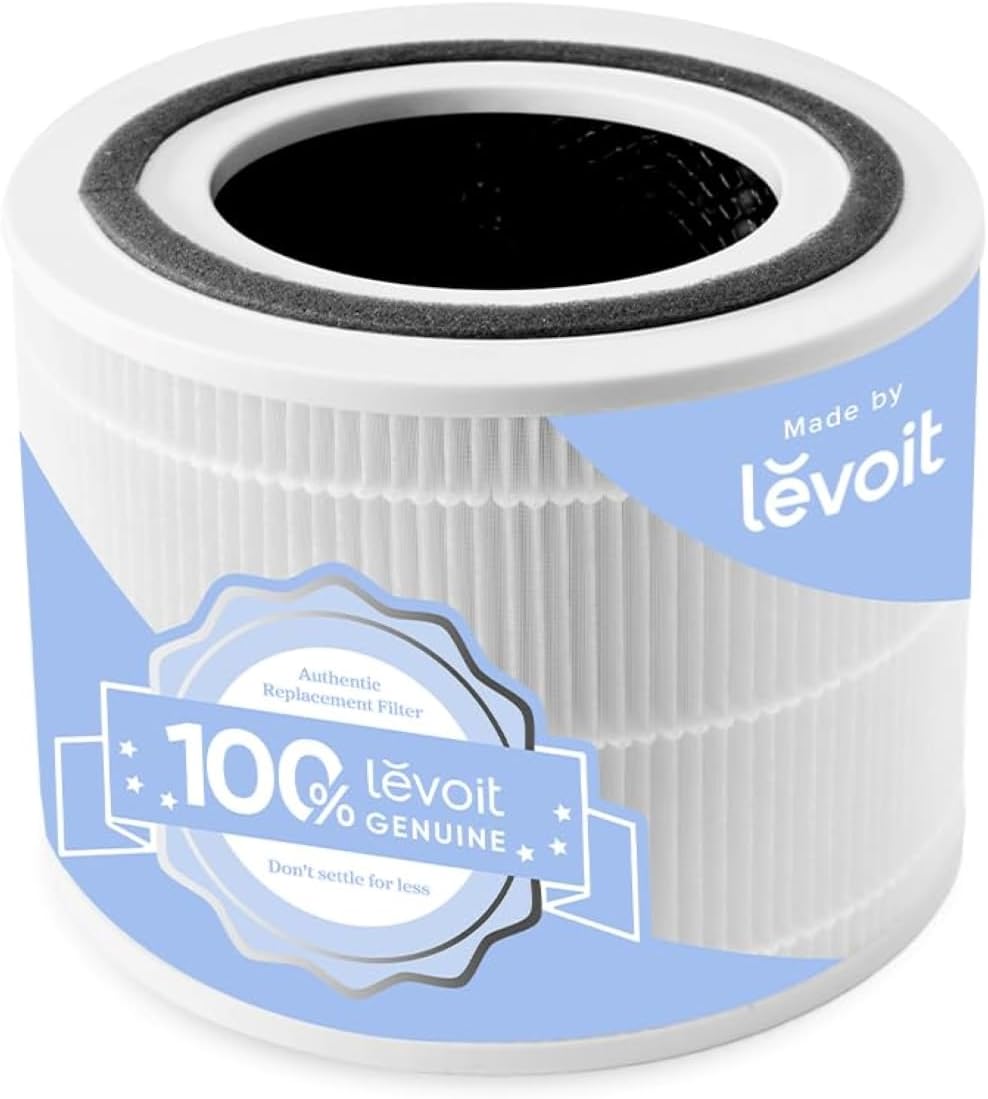
For smaller rooms or bedrooms, the Levoit Core 300S is an excellent choice. It boasts a three-stage filtration system, including a True HEPA filter. This compact unit is surprisingly effective at removing dust and allergens. It’s also very budget-friendly.
The Core 300S is exceptionally quiet, making it ideal for nighttime use. It features smart controls, allowing you to manage it via an app or voice commands. Despite its size, it delivers powerful air purification.
Blueair Blue Pure 211+ Auto: Sleek Design and Performance
The Blueair Blue Pure 211+ Auto is another strong contender. It uses a unique HEPASilent technology, which combines electrostatic and mechanical filtration. This allows for high performance at low noise levels. It effectively captures dust, pollen, and other airborne particles.
This purifier features a stylish, fabric pre-filter that is washable and replaceable. The auto mode adjusts fan speed based on air quality. It’s designed for larger rooms and offers excellent value.
How to Maximize Your Air Purifier’s Effectiveness Against Dust
Even the best air purifier needs proper care and placement to work its best. Following a few simple guidelines can significantly boost its dust-fighting capabilities. This ensures you get the most out of your investment.
Placement Matters: Where to Put Your Purifier
The ideal placement for an air purifier is in the room where you spend the most time. This is often the bedroom or living room. For maximum airflow, place the purifier at least a few feet away from walls and furniture. This allows the air to circulate freely into and out of the unit.
Avoid placing it in corners or behind curtains. These locations can restrict airflow and reduce its effectiveness. Think of it like a fan; it needs space to push air around.
Filter Maintenance: Keeping Your Purifier Running Smoothly
Regular filter maintenance is crucial for any air purifier. HEPA filters cannot be cleaned; they need to be replaced periodically. The frequency depends on the model and the air quality in your home, but typically ranges from 6 to 12 months. A clogged filter cannot capture dust effectively.
Activated carbon filters also need replacement, often more frequently than HEPA filters, as they become saturated with odors and gases. Check your purifier’s manual for specific replacement schedules. Some models have filter indicator lights to remind you.
Understanding Air Changes Per Hour (ACH)
Air Changes Per Hour (ACH) indicates how many times an air purifier can cycle all the air in a room within one hour. For allergy sufferers, a higher ACH is generally better. Aim for a purifier that can achieve at least 4-5 ACH in your room. This means the air is being cleaned and recirculated multiple times each hour.
For example, a purifier with a good CADR for a 200 sq ft room might achieve 5 ACH in that space. This ensures that dust particles are captured quickly. This is a key metric for effective dust removal.
Beyond Dust: Other Benefits of Air Purifiers
While we are focusing on the best air purifier for dust, these devices offer a range of health benefits. They can improve your overall indoor environment. This makes your home a more comfortable and healthier place to live.
Reducing Pet Dander and Allergens
If you have pets, pet dander is a significant contributor to indoor allergens. Air purifiers with True HEPA filters are highly effective at capturing these microscopic dander particles. This can greatly reduce allergy symptoms for pet owners and their guests.
Eliminating Smoke and Other Odors
Beyond dust, air purifiers can tackle smoke from cooking or fireplaces. They also help remove odors from pets, mold, and general household activities. The activated carbon filter plays a key role here.
Combating Mold Spores and Bacteria
Air purifiers can also help reduce the spread of mold spores and bacteria in the air. While they don’t eliminate mold growth on surfaces, they can capture airborne spores. This is beneficial for preventing mold-related allergies and respiratory issues.
Choosing the Right Air Purifier: A Quick Guide
Deciding on the best air purifier for dust can feel overwhelming. Here’s a simple breakdown to help you make the best choice for your needs. Focus on what matters most for your specific situation.
Here’s a comparison of some popular models based on key features:
| Feature | Coway Airmega 200M | Levoit Core 300S | Blueair Blue Pure 211+ Auto |
| :—————- | :————————- | :————————- | :————————– |
| Filter Type | True HEPA + Carbon | True HEPA + Carbon | HEPASilent + Pre-filter |
| Room Size (sq ft) | Up to 361 | Up to 219 | Up to 540 |
| CADR (Dust) | ~140 | ~141 | ~180 |
| Noise Level | Low to Medium | Very Low | Low |
| Smart Features | Yes | Yes | Yes |
| Price Point | Mid-High | Low | Mid |
This table provides a quick look at how these models stack up. It helps in comparing their capabilities for different room sizes and budgets.
Consider Your Specific Allergy Triggers
While dust is our main focus, consider if you have other allergy triggers. If you also suffer from pollen allergies or pet dander sensitivities, ensure the purifier has a robust True HEPA filter. For smoke or strong odors, an enhanced activated carbon filter is beneficial. Tailor your choice to your unique needs.
Budget and Running Costs
Air purifiers range in price. Consider your budget for the initial purchase. Also, factor in the cost of replacement filters. These ongoing costs can add up over time. Look for purifiers with readily available and reasonably priced filters. Energy efficiency is another factor to consider for long-term savings.
Frequently Asked Questions About Air Purifiers for Dust
Here are some common questions people have about using air purifiers to combat dust and improve their home’s air quality.
Q1: How often should I replace the HEPA filter in my air purifier?
A: Most manufacturers recommend replacing HEPA filters every 6 to 12 months. This depends on how much you use the purifier and the air quality in your home. Always check your specific model’s manual for the best recommendation.
Q2: Can an air purifier eliminate all dust from my home?
A: An air purifier significantly reduces airborne dust, but it cannot eliminate it entirely. Regular cleaning, like dusting and vacuuming, is still necessary. The purifier works best as a supplement to your cleaning routine.
Q3: Are air purifiers noisy?
A: The noise level varies by model. Many modern air purifiers are designed to be very quiet, especially on lower fan settings. Some even have a sleep mode for quiet operation at night. Look for decibel ratings in product specifications.
Q4: Do air purifiers help with allergies caused by dust mites?
A: Yes, air purifiers with True HEPA filters are very effective at capturing dust mite allergens. They remove the microscopic particles that trigger allergic reactions, providing significant relief for dust mite allergy sufferers.
Q5: How large of a room can an air purifier cover?
A: Air purifiers are rated for specific room sizes, usually in square feet. It’s important to choose a purifier that matches or slightly exceeds the size of the room you intend to use it in. This ensures it can effectively clean the air.
Q6: Can air purifiers help with dust that settles on furniture?
A: Air purifiers primarily target airborne dust particles. While they reduce the amount of dust that settles, they do not replace the need for dusting surfaces. They help by reducing the continuous supply of new dust in the air.
Conclusion: Breathe Easier with the Right Air Purifier
Finding the best air purifier for dust is a crucial step towards a healthier home environment and proven allergy relief. By understanding key features like True HEPA filters, CADR ratings, and proper placement, you can make an informed decision. A good air purifier actively works to remove dust, dander, and other allergens from your living space. This leads to fewer allergy symptoms and a more comfortable home.
Investing in a quality air purifier is an investment in your well-being. It helps create a sanctuary free from irritating airborne particles. Take control of your indoor air quality today and experience the difference.
If you found this guide helpful, consider subscribing to Home Hygia for more tips on creating a healthy home.