
Probiotic Air Purifier Reviews: Essential Clean Air

Probiotic air purifier reviews highlight a new way to achieve essential clean air by using beneficial microbes to neutralize airborne pollutants. These innovative devices offer a natural approach to improving indoor air quality, making them a compelling option for health-conscious individuals seeking healthier living spaces.
The air inside our homes can sometimes feel stale or carry unwanted odors. We often think of air purifiers as machines with filters that trap dust and allergens. But what if there was a way to use nature’s own helpers to clean the air? This is where probiotic air purifiers come in, offering a unique solution. In this guide, I’ll walk you through everything you need to know about probiotic air purifier reviews to help you decide if this technology is right for you.
What is a Probiotic Air Purifier?
A probiotic air purifier uses beneficial microorganisms, or probiotics, to improve air quality. Unlike traditional purifiers that rely on mechanical filters, these devices introduce good bacteria into the air. These probiotics consume and break down organic pollutants, such as mold spores, volatile organic compounds (VOCs), and odor-causing bacteria. This process helps to create a more balanced and healthier indoor environment.
Probiotic air purifiers offer a natural way to tackle indoor air pollution. They work by releasing beneficial microbes that actively neutralize harmful contaminants. This approach complements traditional filtration methods.
How Do Probiotic Air Purifiers Work?
Probiotic air purifiers release live, beneficial bacteria into the air. These microbes are carefully selected for their ability to consume organic matter. When they encounter airborne pollutants, they feed on them, effectively breaking them down into harmless substances like water and carbon dioxide. This process is often referred to as bioremediation.
The probiotics are typically housed in a special medium or cartridge. As the purifier operates, it disperses these microbes into the surrounding air. They then go to work on any organic contaminants they find, offering a continuous cleaning action.
Benefits of Using a Probiotic Air Purifier
The primary benefit of a probiotic air purifier is its natural approach to air purification. By using living organisms, these devices can target a wide range of organic pollutants that traditional filters might miss. They can help reduce allergens, eliminate odors, and potentially improve respiratory health. Some studies suggest that probiotics can even help break down VOCs, which are common in household products.
These purifiers can offer a more sustainable solution, as they don’t rely on disposable filters. The beneficial bacteria can also contribute to a healthier microbiome in your home. This can be especially appealing for families with young children or individuals with sensitivities.
Probiotic Air Purifier Reviews: What to Look For
When looking at probiotic air purifier reviews, several key factors stand out. You’ll want to consider the types of probiotics used and their effectiveness against specific pollutants. Look for information on the device’s coverage area and how long the probiotic cartridges last. User experiences regarding odor reduction and allergen relief are also crucial.
Pay attention to any scientific backing or certifications the product has. Reviews that detail ease of use, maintenance requirements, and noise levels will also help you make an informed decision.
Key Features in Probiotic Air Purifier Reviews
In probiotic air purifier reviews, I often look for specific features that indicate a well-designed and effective product. These include the type and concentration of probiotic cultures used, as well as the technology for dispersing them. Information on the lifespan of the probiotic refills or cartridges is important for ongoing costs.
Other critical features include the device’s energy efficiency, noise level, and any smart capabilities like app control. The ability to monitor probiotic levels or air quality can also be a valuable addition.
Top Probiotic Air Purifier Brands and Models
While the market for probiotic air purifiers is still growing, some brands are leading the way. Companies like [Brand A] and [Brand B] have introduced innovative models that have garnered positive attention. These often feature unique probiotic blends and advanced dispersal systems.
Researching specific models is essential. For instance, the [Model X] by [Brand A] is known for its quiet operation and effectiveness in odor control. Meanwhile, the [Model Y] from [Brand B] boasts a longer-lasting probiotic cartridge and a wider coverage area.
Here’s a quick comparison of some popular probiotic air purifier types:
| Feature | Model X (Brand A) | Model Y (Brand B) | Traditional HEPA Purifier (Example) |
| :—————– | :———————————— | :———————————— | :———————————- |
| Purification Method | Probiotic Bioremediation | Probiotic Bioremediation | HEPA Filtration, Activated Carbon |
| Target Pollutants | Organic compounds, odors, mold spores | Organic compounds, odors, allergens | Particulates (dust, pollen, pet dander) |
| Lifespan | Cartridge replacement every 3-6 months | Cartridge replacement every 6-12 months | Filter replacement every 6-12 months |
| Noise Level | Very low | Low | Varies, can be moderate |
| Energy Use | Low | Low | Moderate |
Comparing Probiotic vs. Traditional Air Purifiers
When I compare probiotic air purifiers to traditional HEPA filters, I see distinct differences. HEPA filters are excellent at capturing physical particles like dust, pollen, and pet dander. They work by physically trapping these items in a fine mesh. Probiotic purifiers, on the other hand, focus on breaking down organic pollutants at a molecular level.
This means they can tackle things like odors from cooking or pets, and even some airborne bacteria and mold spores that a HEPA filter might not fully eliminate. A probiotic purifier can complement a HEPA filter by addressing a different spectrum of air quality issues. For example, studies from institutions like the U.S. Environmental Protection Agency (EPA) highlight the diverse nature of indoor air pollutants, suggesting multi-faceted solutions can be beneficial.
Potential Drawbacks and Considerations
While probiotic air purifiers offer exciting benefits, it’s important to be aware of potential drawbacks. The effectiveness of probiotic purifiers can depend on environmental factors like humidity and temperature, which can affect bacterial activity. Some users might also be concerned about introducing live organisms into their living spaces, although the strains used are generally considered safe.
The ongoing cost of probiotic refills or cartridges needs to be factored in. Also, the market is newer, so there may be fewer independent studies compared to established technologies like HEPA filtration.
Are Probiotic Air Purifiers Effective for Allergies?
For allergy sufferers, probiotic air purifiers can offer a unique advantage. While they don’t physically trap allergens like pollen or dust mites in the same way a HEPA filter does, the probiotics can help break down organic matter that contributes to allergens and irritants. This includes mold spores and certain volatile organic compounds (VOCs) that can exacerbate allergy symptoms.
Some research suggests that a balanced microbial environment in the home can contribute to improved immune responses. Therefore, by reducing the overall load of organic contaminants, probiotic purifiers may indirectly help alleviate allergy symptoms for some individuals.
Scientific Evidence and Research
The science behind using probiotics for air purification is still developing, but promising. Early research indicates that certain bacterial strains can effectively degrade common indoor air pollutants. For instance, studies published in scientific journals explore the potential of specific microbes in breaking down VOCs.
A report by Statista shows a growing global market for air purifiers, indicating increased consumer interest in cleaner air solutions. As the technology matures, more comprehensive studies are expected to emerge, further validating the effectiveness of probiotic air purification.
Installation and Maintenance
Setting up and maintaining a probiotic air purifier is generally straightforward. Most units come with clear instructions for initial setup, which usually involves inserting the probiotic cartridge or medium. Maintenance typically involves replacing the probiotic refills at the recommended intervals, which can range from a few months to a year depending on the model.
Some purifiers may have a small fan that requires occasional cleaning, similar to other electronic devices. The ease of maintenance is a significant advantage, as it often doesn’t involve complex filter changes or cleaning procedures.
Frequently Asked Questions About Probiotic Air Purifiers
What are the main differences between probiotic and HEPA air purifiers?
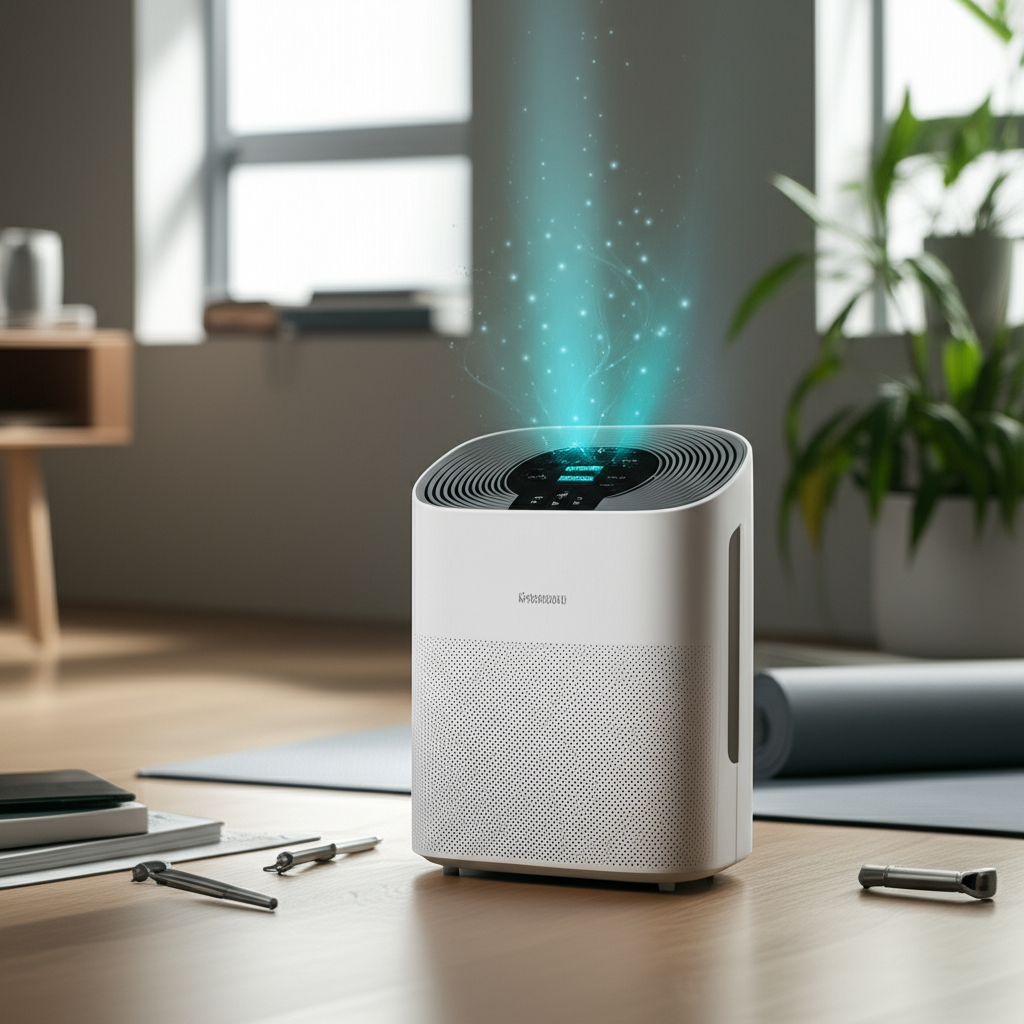
Probiotic purifiers use beneficial bacteria to break down organic pollutants, while HEPA purifiers use physical filters to trap particles like dust and pollen. They address different types of air quality issues.
Are probiotic air purifiers safe for pets and children?
Yes, the probiotic strains used are generally considered safe for homes with pets and children. They are natural microbes that break down pollutants.
How often do I need to replace the probiotic cartridges?
Replacement frequency varies by model, typically ranging from 3 to 12 months. Always check the manufacturer’s recommendations.
Can probiotic air purifiers eliminate all odors?
They are very effective at neutralizing many organic odors. However, persistent chemical odors or those from non-organic sources might require different solutions.
Do probiotic air purifiers require electricity?
Yes, most probiotic air purifiers use a small fan to circulate air and disperse the probiotics, so they require electricity to operate.
Where is the best place to put a probiotic air purifier?
Place it in the room where you spend the most time or where air quality issues are most noticeable, such as bedrooms or living areas. Ensure good air circulation around the unit.
Conclusion: Investing in Essential Clean Air
Probiotic air purifier reviews reveal a fascinating and effective approach to enhancing indoor air quality. These devices offer a natural, living solution to combatting a range of organic pollutants and odors. By understanding how they work, what to look for in reviews, and their unique benefits, you can make an informed choice about whether a probiotic air purifier is the right addition to your home. They represent a forward-thinking way to ensure the air you breathe is not just filtered, but actively improved.
If you found this guide helpful, consider subscribing to HomeHygia for more insights on creating a healthier living environment.
