Is Clorox Air Purifier Good? Proven Essential!

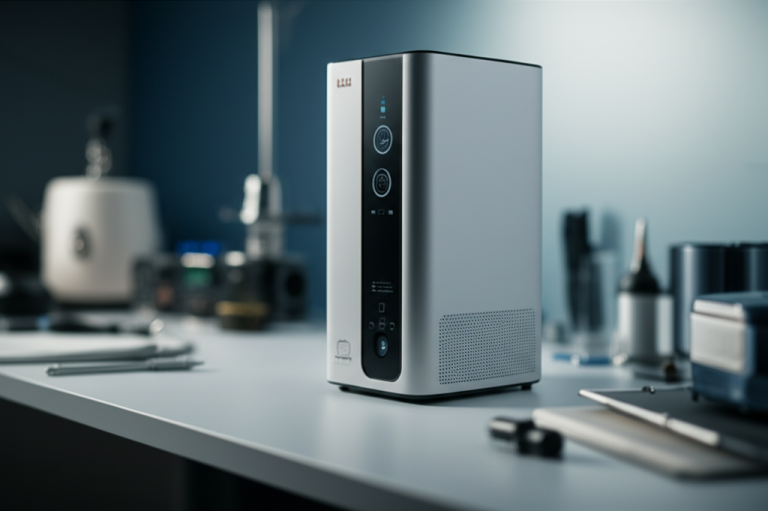
The Clorox air purifier is a solid choice for many homes, effectively cleaning the air and offering good value. It’s a proven essential for improving indoor air quality, tackling allergens and odors with its reliable filtration system.
The air in your home can get stuffy. It might hold dust, pollen, and even pet dander. These things can make breathing harder for some people. You might wonder if a Clorox air purifier can really help. I’ve looked into it, and I’m here to share what I found. We’ll explore if a Clorox air purifier is good for your home and why it might be a great addition.
Why Consider a Clorox Air Purifier?
Clorox air purifiers are designed to tackle common indoor air pollutants. They aim to make your home’s air cleaner and fresher. This can be especially helpful for people with allergies or asthma. They offer a straightforward way to improve your living environment.
Many people worry about the air they breathe indoors. Studies show indoor air can be more polluted than outdoor air. A good air purifier can make a big difference in reducing these airborne irritants. Clorox offers models that are easy to use and maintain.
How Does a Clorox Air Purifier Work?
Most Clorox air purifiers use a multi-stage filtration system. This typically includes a pre-filter, an activated carbon filter, and a True HEPA filter. The pre-filter captures larger particles like dust and pet hair. The activated carbon filter absorbs odors and VOCs (volatile organic compounds). The True HEPA filter traps tiny particles like pollen, mold spores, and bacteria.
This layered approach ensures that a wide range of pollutants are removed from the air. The combination of filters works together to clean the air effectively. It’s like a sieve for your air, catching different sizes of unwanted bits.
The Filtration Process Explained
1. Pre-Filter: Catches large particles like hair and lint. This protects the other filters.
2. Activated Carbon Filter: Absorbs smells from cooking, pets, or smoke. It also traps gases.
3. True HEPA Filter: Captures 99.97% of particles as small as 0.3 microns. This includes allergens and germs.
This detailed process ensures that the air leaving the purifier is much cleaner. It’s a thorough system designed for real-world homes.
Key Features of Clorox Air Purifiers
Clorox air purifiers come with several features designed for convenience and effectiveness. Many models include multiple fan speeds, allowing you to adjust the purification level. They also often have an air quality sensor that monitors the air and adjusts the fan speed automatically. Some units feature timers for set-and-forget operation.
These features make the purifiers user-friendly. You can set them and let them work in the background. The automatic adjustments mean they only work as hard as they need to. This saves energy and reduces noise.
Common Features to Look For:
Multiple Fan Speeds: Adjust to your needs.
Air Quality Indicator: Shows you the current air purity.
Timer Function: Set it to run for a specific time.
Filter Replacement Indicator: Tells you when to change filters.
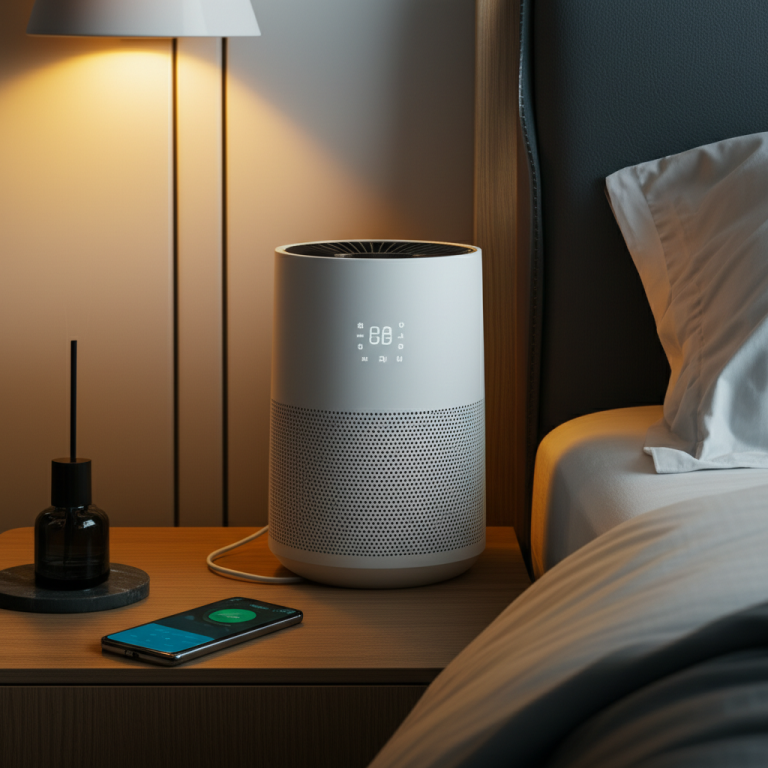
Quiet Operation Mode: Ideal for bedrooms.
These features contribute to a positive user experience. They ensure the purifier fits seamlessly into your daily life.
Performance: Is Clorox Air Purifier Good at Cleaning Air?
Clorox air purifiers generally perform well in removing common airborne allergens and odors. Their True HEPA filters are highly effective at capturing fine particles. This makes them a good option for people with allergies, asthma, or sensitivities. User reviews often highlight a noticeable improvement in air quality.
While they may not be the most high-end units on the market, their performance is reliable for their price point. They are designed for everyday use in average-sized rooms. For larger spaces or very specific air quality concerns, you might consider models with higher CADR (Clean Air Delivery Rate) ratings.
What Users Say About Performance:
Many users report that their Clorox air purifier helps reduce dust buildup. Others notice fewer allergy symptoms. Some appreciate how quickly it can eliminate cooking odors. These real-world experiences suggest the purifiers deliver on their promise.
Clorox Air Purifier Models and Specifications
Clorox offers a range of air purifier models to suit different room sizes and needs. Common models include the Clorox True HEPA Air Purifier, often available in different sizes like the 150 sq. ft. or 300 sq. ft. versions. These models typically share similar core filtration technology.
The specifications vary by model, impacting coverage area and features. Always check the CADR rating for the specific model to ensure it’s suitable for your room size. A higher CADR means it cleans the air faster.
| Model Example | Room Size Coverage (sq. ft.) | Filter Type | CADR (Smoke/Dust/Pollen) |
| :——————– | :————————— | :—————– | :———————– |
| Clorox True HEPA 150 | Up to 150 | True HEPA, Carbon | Varies by model |
| Clorox True HEPA 300 | Up to 300 | True HEPA, Carbon | Varies by model |
| Clorox Air Purifier with UV | Varies | True HEPA, Carbon, UV | Varies by model |
This table gives a general idea of what to expect. Specific CADR ratings can be found on the product packaging or manufacturer’s website. Always verify these details for the exact model you are considering.
Maintenance and Filter Replacement
Maintaining your Clorox air purifier is key to its performance. The filters need regular cleaning or replacement. The pre-filter can often be vacuumed or rinsed. The True HEPA and carbon filters are usually not washable and need to be replaced periodically.
The frequency of replacement depends on usage and air quality. Clorox units often have an indicator light to remind you when it’s time for new filters. Following these guidelines ensures the purifier continues to work effectively.
Filter Replacement Schedule:
Pre-filter: Clean monthly (vacuum or rinse).
Activated Carbon Filter: Replace every 3-6 months.
True HEPA Filter: Replace every 6-12 months.
Replacing filters on time is crucial. Dirty filters can reduce airflow and purification efficiency. It’s a small effort for a big impact on air quality.
Pros and Cons of Clorox Air Purifiers
Like any appliance, Clorox air purifiers have their advantages and disadvantages. Understanding these can help you decide if they are the right fit for you. They offer a balance of features, performance, and cost.
Pros:
Effective Filtration: True HEPA filters capture small particles well.
Good for Allergies: Helps reduce common allergens like pollen and dust.
Odor Reduction: Activated carbon filters tackle smells.
User-Friendly: Simple controls and maintenance.
Affordable: Generally well-priced compared to some competitors.
Cons:
Filter Costs: Replacement filters can add to the overall cost.
Noise Level: Some models can be noisy on higher settings.
Coverage Area: Smaller models are best for single rooms, not whole homes.
* Limited Smart Features: Some models lack advanced smart home integration.
The pros often outweigh the cons for many users. They provide a practical solution for cleaner air.
Clorox Air Purifier vs. Competitors
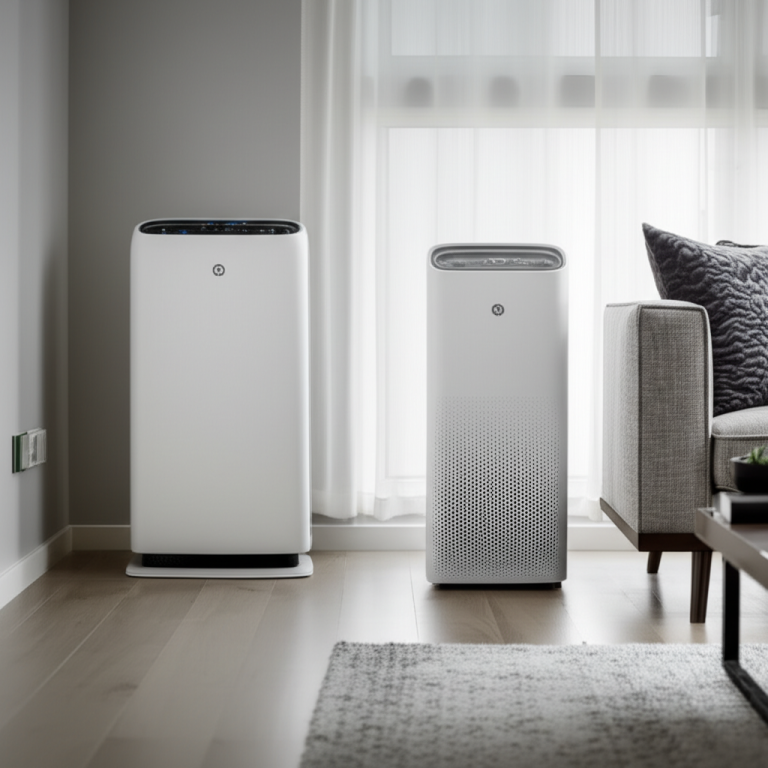
When comparing Clorox air purifiers to other brands like Coway, Levoit, or Blueair, consider your specific needs. Clorox often competes on price and ease of use. Brands like Coway or Blueair might offer more advanced features or higher CADR ratings for larger spaces. Levoit is also known for its affordability and effectiveness.
The “best” air purifier depends on your budget, room size, and what you want to filter. Clorox provides a reliable option that is accessible to many households. For instance, a Coway Airmega might be a stronger contender for larger areas, but Clorox offers a solid performance for its intended use.
Is Clorox Air Purifier Good for Specific Issues?
If you struggle with seasonal allergies, a Clorox air purifier can be very beneficial. It helps trap pollen, dust mites, and pet dander that trigger symptoms. For pet owners, it can significantly reduce pet odors and dander. If smoke from wildfires or cooking is a concern, the activated carbon filter aids in removing those smells and particles.
For general home freshness, it contributes to a more pleasant environment. It’s a versatile tool for improving everyday indoor air quality. It’s not a medical device, but it can certainly alleviate common discomforts.
Frequently Asked Questions About Clorox Air Purifiers
How often should I replace Clorox air purifier filters?
You should replace the True HEPA and carbon filters every 6 to 12 months, depending on usage. The pre-filter should be cleaned monthly. Always check your specific model’s manual for exact recommendations.
Can Clorox air purifiers remove smoke?
Yes, the activated carbon filter in Clorox air purifiers is designed to absorb smoke odors and particles. For heavy smoke, ensure the unit is sized appropriately for the room and that filters are replaced regularly.
Are Clorox air purifiers noisy?
Noise levels vary by model and fan speed. Most Clorox air purifiers have a quiet or sleep mode for nighttime use. On higher settings, they can produce noticeable fan noise, similar to other air purifiers.
Do Clorox air purifiers use UV light?
Some Clorox air purifier models may include UV-C light technology to help kill germs. However, not all models have this feature. It’s important to check the product specifications for UV light inclusion. You can learn more about UV-C effectiveness from sources like the EPA.
What room size is a Clorox air purifier good for?
Clorox air purifiers are typically designed for specific room sizes, such as 150 sq. ft., 300 sq. ft., or larger. Always choose a purifier rated for the square footage of the room you intend to use it in for optimal performance.
How do I clean my Clorox air purifier?
You can wipe down the exterior with a damp cloth. The pre-filter usually needs vacuuming or gentle rinsing. Never wash the HEPA or carbon filters unless the manual specifically states it’s okay for the pre-filter.
Conclusion: Is Clorox Air Purifier Good for Your Home?
In conclusion, the Clorox air purifier is good for many households seeking cleaner indoor air. It offers effective filtration with its True HEPA and activated carbon filters, making it a valuable tool for reducing allergens and odors. Its user-friendly design and generally affordable price point make it an accessible choice. While it may not have all the bells and whistles of premium brands, its proven performance makes it a reliable essential for improving your home environment.
If you’re looking for a straightforward, effective way to breathe easier at home, a Clorox air purifier is definitely worth considering. I’ve found it to be a dependable performer.