How Do Ionizers Compare To Traditional Air Purifiers: Essential Guide

Ionizers release charged particles to neutralize airborne pollutants, while traditional air purifiers use physical filters to trap them. Understanding how ionizers compare to traditional air purifiers reveals key differences in effectiveness, safety, and maintenance, crucial for choosing the best solution for your home’s air quality.
The air in our homes can feel fresh, but it often carries invisible threats like dust, pollen, pet dander, and even microscopic viruses and bacteria. Many people turn to air purifiers to combat these issues, but the market is filled with different technologies. You might have seen “ionizers” and wondered how they stack up against the more familiar filter-based “traditional” air purifiers. It’s a common point of confusion, leaving many unsure which option truly delivers cleaner air. This guide will break down exactly how ionizers compare to traditional air purifiers, equipping you with the knowledge to make the best choice for your health and home.
What Are Traditional Air Purifiers?
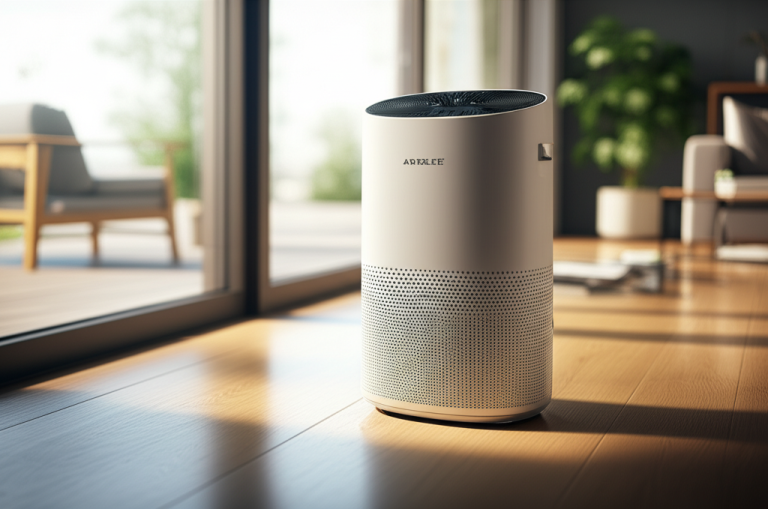
Traditional air purifiers, often called HEPA air purifiers, rely on a physical filtration system to clean the air. They work by drawing in room air and passing it through one or more filters. The most important of these is typically a High-Efficiency Particulate Air (HEPA) filter, designed to capture at least 99.97% of airborne particles 0.3 microns in size.
These devices are effective at removing a wide range of pollutants, including dust, pollen, mold spores, pet dander, and even some bacteria and viruses. They physically trap these contaminants, preventing them from circulating back into your living space. Many also include activated carbon filters to tackle odors and volatile organic compounds (VOCs).
How Do Ionizers Work?
Ionizers operate on a different principle, using electricity to create negatively charged ions. These ions are then released into the air. When these negative ions come into contact with airborne particles (like dust or allergens), they attach to them, giving them a negative charge.
This process causes the charged particles to clump together, making them heavier. The theory is that these heavier clumps will then fall to the ground or stick to surfaces, rather than remaining suspended in the air for you to breathe. Some ionizers also have a positive electrode that attracts the negatively charged particles, collecting them on a plate.
Ionizers vs. Traditional Air Purifiers: The Core Differences
The fundamental difference lies in their purification method. Traditional air purifiers physically trap pollutants in filters, acting like a sieve for the air. Ionizers, on the other hand, electrically charge particles, causing them to settle out of the air or be attracted to collection plates.
This distinction impacts what they can remove and how they operate. While traditional purifiers capture a broad spectrum of particles, ionizers primarily aim to make particles heavier or attract them, which can be less effective for certain contaminants. The presence or absence of a physical filter is the most significant differentiator.
Effectiveness: Capturing vs. Charging Particles
When considering how do ionizers compare to traditional air purifiers in terms of effectiveness, traditional HEPA purifiers generally have the edge for comprehensive particle removal. HEPA filters are scientifically proven to capture a vast majority of microscopic particles. This means they actively remove allergens, dust, and other irritants from the air you breathe.
Ionizers can help reduce airborne particles by causing them to settle. However, they don’t actually remove the particles from the room; they just deposit them onto surfaces like floors, furniture, and walls. This can lead to more frequent cleaning. Some studies also suggest ionizers may not be as effective against very small particles or certain gaseous pollutants.
Ozone Production: A Key Concern with Ionizers
A significant drawback of many ionizers is their potential to produce ozone as a byproduct. Ozone is a lung irritant that can worsen respiratory conditions like asthma and bronchitis. Regulatory bodies, such as the U.S. Environmental Protection Agency (EPA), have raised concerns about ozone-generating air purifiers.
It’s crucial to choose ionizers that are certified as low-ozone or ozone-free. Even then, some residual ozone might be produced. Traditional HEPA purifiers, when functioning correctly, do not produce ozone, making them a safer choice for many individuals, especially those with respiratory sensitivities.
Maintenance and Filter Replacement
Traditional air purifiers require regular filter replacement. HEPA filters typically need to be changed every 6-12 months, depending on usage and air quality, and pre-filters may need cleaning more often. This is an ongoing cost and a task that needs to be remembered.
Ionizers often have washable collection plates instead of disposable filters. This can seem like a cost-saving advantage initially, as there are no ongoing filter purchase costs. However, these plates need to be cleaned frequently and thoroughly to maintain their effectiveness. If not cleaned, they can become breeding grounds for bacteria.
Cost: Initial Purchase vs. Long-Term Expenses
The initial purchase price can vary widely for both types of purifiers. Basic ionizers might be less expensive upfront than a high-quality HEPA air purifier. However, the long-term costs need careful consideration.
While ionizers may not have recurring filter replacement costs, the potential need for more frequent dusting and wiping down surfaces due to settled particles could be considered an indirect cost. Traditional HEPA purifiers have the predictable expense of replacement filters, which can add up over time but are essential for continued performance.
Noise Levels and Airflow
The noise level of an air purifier is a significant factor for many users, especially for use in bedrooms or living areas. Traditional HEPA air purifiers often have fans that can generate noticeable noise, though many modern units are designed to be very quiet on lower settings. The fan speed directly impacts both noise and the volume of air processed.
Ionizers, particularly those without fans that rely on electrostatic forces, can operate very quietly. However, some ionizer designs incorporate fans to help distribute the charged ions throughout the room, which can produce noise similar to traditional purifiers. The effectiveness of ion distribution can also impact how well they perform.
Safety Considerations: Ozone and Electrical Components
As mentioned, ozone production is a primary safety concern with ionizers. Even low-ozone models should be used with caution, especially in smaller, poorly ventilated spaces. It’s important to look for certifications from organizations like CARB (California Air Resources Board) that test for ozone emissions.
Traditional HEPA purifiers are generally considered safer as they don’t produce harmful byproducts like ozone. Their primary function is physical filtration, which is a well-understood and safe process. The main safety consideration is ensuring they are used according to manufacturer instructions and that electrical components are not damaged.
Comparing Ionizers and Traditional Air Purifiers: A Snapshot
To summarize how ionizers compare to traditional air purifiers, let’s look at a direct comparison:
| Feature | Traditional Air Purifier (HEPA) | Ionizer |
| :—————— | :———————————————– | :————————————————- |
| Purification Method | Physical filtration (HEPA, carbon) | Electrostatic charging, ion release |
| Particle Removal| High; traps particles effectively | Moderate; causes particles to settle or cling |
| Ozone Production| None (typically) | Potential concern; choose low-ozone models |
| Maintenance | Regular filter replacement (6-12 months) | Frequent cleaning of collection plates |
| Ongoing Costs | Filter replacement costs | Minimal direct costs, but potential for more dusting |
| Noise | Varies; fan-dependent | Can be very quiet, or fan-dependent |
| Best For | Allergies, asthma, comprehensive air cleaning | Odor reduction (with carbon), general particle reduction |
This table highlights that while ionizers offer a different approach, traditional HEPA purifiers often provide more robust and safer air purification. The choice depends heavily on your specific needs and priorities.
When Might an Ionizer Be Suitable?
Despite the concerns, ionizers can have a place in air purification, especially when used correctly. If your primary concern is odor control, many ionizers are combined with activated carbon filters, making them effective at neutralizing smells. They can also be useful for reducing the amount of dust that settles on surfaces in a room.
For individuals with mild sensitivities who are not prone to respiratory issues, a certified low-ozone ionizer might offer some benefit in reducing airborne particles. However, it’s often recommended to use them in conjunction with other purification methods or in larger, well-ventilated spaces to minimize ozone exposure. You can learn more about air quality standards on the EPA’s website.
When Are Traditional Air Purifiers the Better Choice?
Traditional HEPA air purifiers are generally the preferred choice for most households, particularly for those with allergies, asthma, or other respiratory conditions. Their ability to physically capture a high percentage of airborne particles, including allergens, dust mites, pet dander, and even some viruses, makes them highly effective.
If you’re looking for the most comprehensive and safest solution for improving your indoor air quality, a HEPA air purifier is likely your best bet. They provide peace of mind knowing that harmful particles are being actively removed from the air you breathe, not just redistributed or settled. A study by Consumer Reports often highlights the effectiveness of HEPA models.
Frequently Asked Questions
Q1: Do ionizers really clean the air?
Ionizers can help reduce airborne particles by charging them, causing them to clump and settle on surfaces. However, they don’t physically remove particles from the room and can produce ozone, which is a lung irritant.
Q2: Are ionizers safe for my pets?
Some ionizers can produce ozone, which can be harmful to pets, especially those with respiratory issues. It’s crucial to choose ozone-free or certified low-ozone models and monitor your pet for any signs of distress.
Q3: How often do I need to replace filters in a traditional air purifier?
Typically, HEPA filters in traditional air purifiers need replacement every 6 to 12 months, depending on the model, usage, and the air quality in your home. Always check the manufacturer’s recommendations.
Q4: Can ionizers get rid of odors?
Many ionizers are combined with activated carbon filters, which are effective at absorbing odors and VOCs. The ionizer itself primarily addresses particles, not gases or odors.
Q5: What is the main disadvantage of ionizers?
The primary disadvantage is the potential for ozone production, which can be harmful to health. Another issue is that particles are often just deposited on surfaces rather than removed from the environment.
Q6: Which type of air purifier is best for allergies?
Traditional HEPA air purifiers are generally considered the best for allergies because they physically trap a high percentage of allergens like pollen, dust mites, and pet dander.
Conclusion
When we look at how do ionizers compare to traditional air purifiers, the choice becomes clearer based on your priorities. Traditional HEPA air purifiers offer a proven, effective, and generally safer method for comprehensive air cleaning by physically removing pollutants. They are an excellent investment for anyone concerned about allergies, asthma, or overall indoor air quality.
Ionizers, while offering a different approach and potentially lower upfront costs or less frequent filter replacement, come with the significant caveat of potential ozone production and the less effective method of particle settling. If you opt for an ionizer, prioritize models certified for low or no ozone output and be prepared for more frequent cleaning of your living spaces. For the most reliable and safest path to cleaner air, a high-quality HEPA air purifier is usually the superior choice.