Honeywell HPA300 True HEPA Air Purifier Reviews: Essential Guide

Honeywell HPA300 True HEPA air purifier reviews reveal a powerful, effective device for allergy sufferers and those seeking cleaner indoor air, excelling in large rooms and featuring a robust three-stage filtration system.
The air you breathe indoors can significantly impact your health and comfort. Dust, pollen, pet dander, and other allergens can accumulate, causing discomfort and aggravating respiratory issues. Finding a reliable air purifier is key to creating a healthier living space. This guide dives deep into the Honeywell HPA300 True HEPA Air Purifier, offering comprehensive Honeywell HPA300 True HEPA air purifier reviews to help you make an informed decision. We’ll explore its features, performance, and what makes it a popular choice for many households.
Honeywell HPA300: A Closer Look at the Design and Build
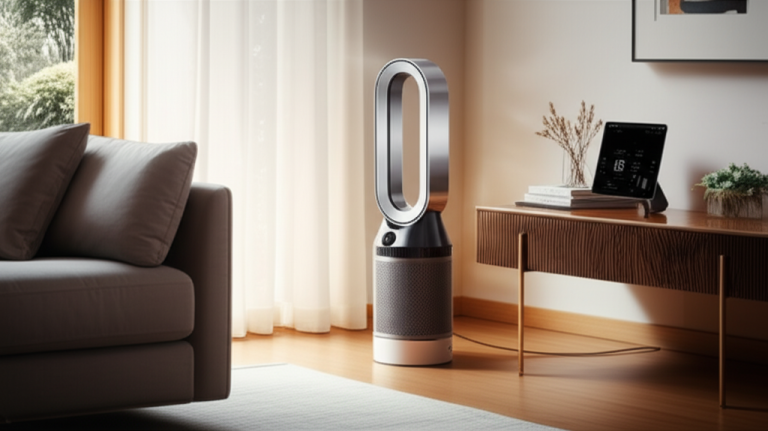
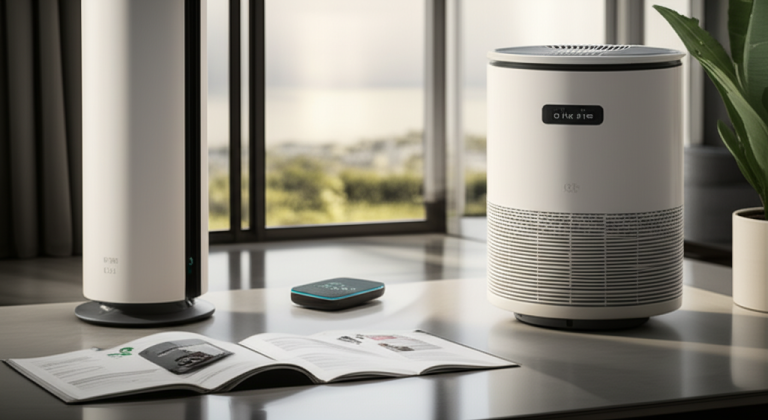
The Honeywell HPA300 boasts a straightforward, functional design that prioritizes performance over aesthetics. Its rectangular tower shape allows for efficient air intake and output, fitting seamlessly into most room décors. The durable plastic construction feels solid, and the unit is designed for stability, preventing accidental tipping.
This air purifier is built to last, with a focus on ease of use. Its simple controls are intuitive, making operation accessible for everyone. The overall design emphasizes practicality, ensuring it effectively serves its primary purpose: cleaning your air.
Understanding the Honeywell HPA300’s Filtration System
At the heart of the Honeywell HPA300’s effectiveness is its robust three-stage filtration process. This multi-layered approach ensures comprehensive removal of airborne contaminants, providing cleaner air. It’s designed to capture a wide range of particles, from large dust bunnies to microscopic allergens.
The system works by first capturing larger particles, then trapping smaller ones, and finally neutralizing odors and VOCs. This thorough purification process is what sets the HPA300 apart for many users.
Stage 1: Pre-Filter for Larger Particles
The first line of defense is a washable pre-filter. This layer is crucial for capturing larger particles like dust, lint, and pet hair. By trapping these bigger items, it helps extend the life of the HEPA filter.
Regular cleaning of the pre-filter is recommended to maintain optimal performance. This simple maintenance step ensures the unit continues to operate efficiently.
Stage 2: True HEPA Filtration
The core of the HPA300 is its True HEPA filter. This medical-grade filter is certified to capture 99.97% of microscopic airborne allergens as small as 0.3 microns. This includes dust mites, pollen, mold spores, and pet dander.
For individuals suffering from allergies or asthma, this level of filtration is incredibly beneficial. It directly addresses common indoor air irritants. According to the Environmental Protection Agency (EPA), HEPA filters are highly effective at removing particulate matter.
Stage 3: Activated Carbon Filter
The final stage involves an activated carbon filter. This component is designed to absorb odors, gases, and volatile organic compounds (VOCs). These can come from cooking, cleaning products, smoke, and even new furniture.
This odor-absorbing capability makes the HPA300 suitable for kitchens, basements, or any area where stale smells might linger. It contributes to a fresher, more pleasant indoor environment.
Performance and Effectiveness: What the Honeywell HPA300 Delivers
The Honeywell HPA300 is renowned for its powerful performance, especially in medium to large rooms. Its CADR (Clean Air Delivery Rate) ratings are impressive for its price point, indicating its ability to quickly purify air. Users often report noticeable improvements in air quality within hours of operation.
This air purifier is particularly effective at reducing common allergens and improving symptoms for allergy sufferers. Its ability to circulate and clean air in larger spaces makes it a versatile choice for various living situations.
Room Coverage and CADR Ratings
The HPA300 is designed for rooms up to 500 square feet. It achieves 4.8 air changes per hour (ACH) in a 390 sq ft room, meaning it effectively cycles the air in the space nearly five times every hour. This rapid air exchange is crucial for quickly removing pollutants.
Its CADR ratings are:
Smoke: 160
Dust: 161
Pollen: 162
These high ratings demonstrate its efficiency in tackling different types of airborne particles.
User Experiences and Allergy Relief
Many Honeywell HPA300 True HEPA air purifier reviews highlight its positive impact on allergy symptoms. Users frequently mention reduced sneezing, coughing, and itchy eyes after using the unit. The HEPA filter is the primary driver of this relief, capturing the microscopic triggers for allergic reactions.
“I used to wake up with a stuffy nose every morning, but since I got the Honeywell HPA300, it’s like a night and day difference. My allergies have never been better,” shares a satisfied customer. This anecdotal evidence aligns with the product’s intended benefits.
Ease of Use and Control Features
The Honeywell HPA300 prioritizes user-friendliness with its simple control panel. The intuitive layout makes it easy to select fan speeds, set timers, and activate special modes. There’s no complicated app or setup process required, making it a plug-and-play solution.
The straightforward controls ensure that anyone can operate the purifier effectively without a steep learning curve. This accessibility is a significant advantage for many consumers.
Fan Speeds and Modes
The unit offers three distinct fan speeds: low, medium, and high. This allows you to adjust the purification intensity based on your needs and the current air quality. A turbo or “max” setting is also available for rapid air cleaning when necessary.
Additionally, the HPA300 features an “Auto” mode, which uses an electronic sensor to detect air quality and automatically adjust the fan speed. This hands-off approach is convenient for continuous purification.
Timer and Filter Life Indicator
A convenient timer function allows you to set the purifier to run for specific durations, such as 2, 4, or 8 hours. This is useful for energy saving or ensuring continuous operation overnight. The unit also includes a filter replacement indicator, alerting you when it’s time to change the HEPA and carbon filters.
This feature takes the guesswork out of filter maintenance, ensuring your purifier always operates at peak efficiency. Prompt filter replacement is vital for maintaining air quality.
Noise Levels: A Key Consideration
Like most air purifiers with powerful fans, the Honeywell HPA300 does produce some noise. The sound level varies depending on the fan speed setting. On the lowest setting, it’s generally quiet enough for use in bedrooms without disturbing sleep.
However, on higher settings, the noise becomes more noticeable. This is a common trade-off for increased air purification power. Many users find the noise acceptable, especially considering the benefits of cleaner air.
Decibel Ratings by Fan Speed
Low: Approximately 35 dB (comparable to a quiet library)
Medium: Approximately 45 dB (like a quiet conversation)
High: Approximately 55 dB (similar to a typical refrigerator hum)
While the higher settings are audible, they are not excessively loud for most environments.
Maintenance and Filter Replacement Costs
Maintaining the Honeywell HPA300 is relatively straightforward, but it involves ongoing costs for filter replacements. The pre-filter is washable, but the True HEPA and activated carbon filters need to be replaced periodically. This is a crucial aspect of long-term ownership to consider.
Regular filter changes are essential for the purifier to continue performing effectively. Neglecting this can lead to reduced air purification and potential strain on the motor.
Recommended Replacement Schedule
Pre-Filter: Washable and should be cleaned every 30 days.
True HEPA Filter (HRF-H3): Replace every 6-12 months, depending on usage and air quality.
Activated Carbon Filter (HRF-C3): Replace every 3-6 months, as they become saturated with odors.
The frequency of replacement can vary based on how often you run the unit and the level of pollutants in your home.
Cost of Replacement Filters
Replacement filter sets for the Honeywell HPA300 can range from $30 to $60. Purchasing genuine Honeywell filters is recommended to ensure optimal performance and compatibility. While third-party filters might be cheaper, they may not offer the same level of filtration or durability.
Considering the annual cost of filters is an important part of the overall Honeywell HPA300 True HEPA air purifier reviews. For many, the investment is well worth the improved air quality.
Pros and Cons of the Honeywell HPA300
Every product has its strengths and weaknesses. The Honeywell HPA300 is no exception, offering significant benefits alongside a few drawbacks that potential buyers should be aware of.
Here’s a balanced look at what makes the HPA300 a great choice and where it might fall short for some users.
Advantages:
Effective True HEPA Filtration: Captures 99.97% of allergens down to 0.3 microns.
Powerful Performance: Excellent air cleaning capabilities for medium to large rooms.
Three-Stage Purification: Addresses particles, odors, and gases.
User-Friendly Controls: Simple operation with auto mode and timer.
Durable Build: Sturdy construction designed for longevity.
Filter Replacement Indicator: Takes the guesswork out of maintenance.
Disadvantages:
Noise Levels: Can be noticeable on higher fan speeds.
Filter Replacement Costs: Ongoing expense for HEPA and carbon filters.
Basic Design: Lacks advanced smart features or sleek aesthetics.
* No Air Quality Sensor Display: Auto mode relies on an internal sensor without a visible readout.
These pros and cons paint a clear picture of who this air purifier is best suited for.
Honeywell HPA300 vs. Competitors: Where Does It Stand?
When comparing the Honeywell HPA300 to other air purifiers in its class, it consistently ranks high for its core functionality: effective air purification. Brands like Coway, Levoit, and Blueair also offer strong contenders, but the HPA300 often stands out for its robust HEPA filtration and room coverage at a competitive price point.
Many competitor models may offer more advanced features like app control or air quality displays, but the HPA300 focuses on delivering essential purification performance reliably. For users prioritizing pure air cleaning power over smart technology, the HPA300 is a top choice.
Key Differentiators
The HPA300’s primary strength lies in its straightforward, no-nonsense approach to air purification. While some competitors might integrate Wi-Fi connectivity or complex sensors, the Honeywell HPA300 excels in its core mission. Its washable pre-filter also offers a cost-saving advantage over units with disposable pre-filters.
The consistent performance and ease of use make it a reliable workhorse in the air purification market.
Frequently Asked Questions (FAQ)
Q1: How often should I replace the Honeywell HPA300 filters?
You should replace the True HEPA filter every 6-12 months and the activated carbon filter every 3-6 months. The pre-filter is washable and should be cleaned monthly.
Q2: Is the Honeywell HPA300 noisy?
On its lowest setting, the Honeywell HPA300 is relatively quiet. However, on medium and high settings, the noise level increases and can be noticeable, similar to a fan or quiet conversation.
Q3: Can the Honeywell HPA300 filter out pet dander and odors?
Yes, the True HEPA filter effectively captures 99.97% of pet dander, while the activated carbon filter helps to absorb pet odors.
Q4: What room size is the Honeywell HPA300 best suited for?
The HPA300 is designed for medium to large rooms, up to 500 square feet, providing 4.8 air changes per hour in a 390 sq ft space.
Q5: Does the Honeywell HPA300 have an air quality sensor?
Yes, it has an electronic sensor that detects air quality and automatically adjusts the fan speed in Auto mode. However, it does not display the actual air quality readings.
Q6: Is it worth buying the Honeywell HPA300?
For users prioritizing effective HEPA filtration, reliable performance in larger rooms, and ease of use without smart features, the Honeywell HPA300 is generally considered a very worthwhile purchase.
Conclusion: Honeywell HPA300 True HEPA Air Purifier Reviews Verdict
After thoroughly examining the Honeywell HPA300 True HEPA air purifier reviews, it’s clear that this unit is a powerhouse for anyone seeking cleaner indoor air. Its three-stage filtration system, led by a True HEPA filter, effectively tackles allergens, dust, pet dander, and odors, making it an excellent choice for allergy sufferers and general air quality improvement. While it may lack the smart features of some newer models, its robust performance, user-friendly design, and reliable operation in medium to large rooms make it a standout option. The ongoing cost of filters is a factor, but the health benefits and improved comfort often outweigh this expense. If you’re looking for a no-fuss, highly effective air purifier, the Honeywell HPA300 is a solid investment for a healthier home.