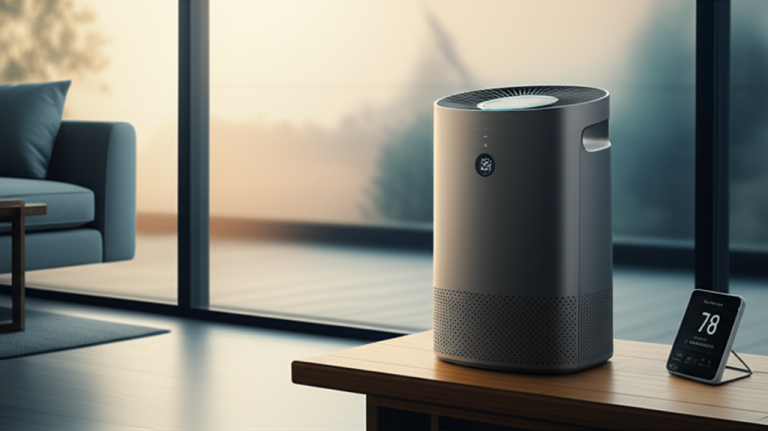
Honeywell HPA300 Reviews: Essential Air Quality

Honeywell HPA300 reviews reveal this air purifier as a robust solution for cleaner indoor air, effectively tackling allergens, pet dander, and smoke. Its large capacity and certified performance make it a top choice for maintaining essential air quality in medium to large rooms.
The air you breathe inside your home significantly impacts your health and comfort. Dust, pollen, pet dander, and even smoke can linger, causing discomfort and respiratory issues. Finding a reliable way to combat these invisible irritants is crucial for a healthier living space. Many people struggle with persistent allergies or simply want to ensure their family breathes the freshest air possible. This guide delves into the Honeywell HPA300 reviews to help you understand if this powerful air purifier is the right choice for your essential air quality needs.
Why Clean Air Matters So Much
Indoor air can be surprisingly polluted, often more so than outdoor air. Common household activities like cooking, cleaning, and even furniture off-gassing release particles and volatile organic compounds (VOCs) into the air. For those with allergies or asthma, these pollutants can trigger significant health problems, making a quality air purifier a necessity, not a luxury.
Honeywell HPA300: At a Glance
The Honeywell HPA300 is a popular choice for a reason. It’s designed to capture a high percentage of microscopic airborne particles, making it a strong contender for improving indoor air quality. Its performance is often highlighted in Honeywell HPA300 reviews for its ability to handle larger spaces effectively.
Understanding the Technology Behind the HPA300
This air purifier utilizes a three-stage filtration system. It includes a pre-filter to capture larger particles, an activated carbon filter for odors and VOCs, and a True HEPA filter that traps 99.97% of microscopic allergens and particles as small as 0.3 microns. This multi-layered approach ensures comprehensive air cleaning.
The True HEPA Filter: A Game Changer
A True HEPA filter is the gold standard for air purification. It’s engineered to trap even the tiniest airborne irritants, such as dust mites, pollen, pet dander, mold spores, and smoke particles. The effectiveness of this filter is a key reason why units like the Honeywell HPA300 are so highly rated in Honeywell HPA300 reviews. According to the U.S. Department of Energy, HEPA filters are designed to remove at least 99.97% of airborne particles 0.3 micrometers (µm) in diameter.
Activated Carbon for Odor Elimination
Beyond allergens, unpleasant odors can make a home feel less welcoming. The activated carbon filter in the HPA300 is crucial for absorbing common household smells from cooking, pets, and smoke. This feature is frequently praised in user feedback for significantly improving the overall freshness of a room.
Design and User Experience
The Honeywell HPA300 features a straightforward, functional design. It’s typically a tower-style unit, intended to be placed on the floor. Controls are usually located on the top panel for easy access, offering different fan speeds and timer settings.
Ease of Use and Controls
Setting up and operating the HPA300 is generally simple. Most users find the control panel intuitive, allowing them to select fan speeds or set the unit to run for a specific duration. This user-friendly aspect is often mentioned positively in Honeywell HPA300 reviews.
Noise Levels: What to Expect
Like most air purifiers, the HPA300 does produce some noise, particularly on higher fan settings. However, many Honeywell HPA300 reviews indicate that the noise level is generally considered acceptable for its performance, especially on lower settings. It’s designed to be less intrusive during sleep or quiet periods.
Performance Metrics and Room Coverage
One of the standout features of the Honeywell HPA300 is its ability to clean the air in larger rooms. It’s often recommended for spaces up to 465 square feet, with a Clean Air Delivery Rate (CADR) that signifies its efficiency.
CADR Ratings Explained
The Clean Air Delivery Rate (CADR) measures how quickly an air purifier filters specific pollutants. The HPA300 typically boasts strong CADR ratings for smoke, dust, and pollen. These high ratings mean it can effectively circulate and clean the air in a room multiple times per hour, which is vital for allergy sufferers. You can find detailed CADR information on the U.S. Environmental Protection Agency’s Energy Star website.
Real-World Effectiveness: What Users Say
Countless Honeywell HPA300 reviews from real users highlight its effectiveness. Many report a noticeable reduction in dust accumulation, fewer allergy symptoms, and a significant decrease in pet odors. This anecdotal evidence, combined with its technical specifications, paints a clear picture of its performance.
User Testimonial Snippet:
“After getting the Honeywell HPA300, my morning sniffles have drastically reduced. It’s been a game-changer for my seasonal allergies!” – Sarah K., Verified Buyer
Filter Replacement and Maintenance
To ensure the Honeywell HPA300 continues to perform optimally, regular filter maintenance is essential. The unit will typically indicate when it’s time to replace the filters.
Filter Lifespan and Costs
The pre-filter is usually washable, but the True HEPA and activated carbon filters are replaceable. Their lifespan can vary based on usage and air quality, but they typically last between 6 to 12 months. The cost of replacement filters is a recurring expense to consider when purchasing the unit.
How to Maintain Your HPA300
Beyond filter replacement, occasional dusting of the exterior and cleaning of the pre-filter (if applicable) will keep the unit running smoothly. Always ensure the unit is unplugged before performing any maintenance.
Honeywell HPA300 vs. Competitors
When comparing air purifiers, it’s helpful to see how the HPA300 stacks up against other popular models. While many brands offer HEPA filtration, the Honeywell HPA300 often stands out for its balance of price, performance, and capacity.
| Feature | Honeywell HPA300 | Competitor A (e.g., Coway AP-1512HH) | Competitor B (e.g., Levoit Core 300) |
| :————— | :———————————————- | :———————————– | :———————————– |
| Room Size | Up to 465 sq. ft. | Up to 361 sq. ft. | Up to 219 sq. ft. |
| Filtration | Pre-filter, Activated Carbon, True HEPA | Pre-filter, Carbon, True HEPA | Pre-filter, Carbon, True HEPA |
| CADR (Smoke) | High | Moderate | Moderate |
| Noise Level | Moderate (quieter on low) | Quiet | Very Quiet |
| Filter Cost | Moderate | Moderate | Lower |
| Smart Features | None | None | None |
This table provides a quick overview, but individual needs might lean towards different features. For larger spaces or more severe air quality concerns, the HPA300 often proves its worth.
Who is the Honeywell HPA300 Best For?
Based on numerous Honeywell HPA300 reviews, this air purifier is an excellent choice for:
Allergy Sufferers: Its True HEPA filter effectively captures common allergens like pollen, dust mites, and pet dander.
Pet Owners: It’s adept at reducing pet odors and dander.
Smoke Exposure: Efficiently filters smoke particles from cooking or other sources.
Medium to Large Rooms: Its capacity makes it suitable for living rooms, master bedrooms, or open-plan areas.
* Budget-Conscious Buyers: It offers strong performance without the premium price tag of some high-end models.
Frequently Asked Questions about the Honeywell HPA300
Q1: How often do I need to replace the Honeywell HPA300 filters?
You should replace the True HEPA filter and the activated carbon pre-filters every 6 to 12 months, depending on your home’s air quality and how often you use the unit. The unit usually has a filter life indicator.
Q2: Can the Honeywell HPA300 help with pet odors?
Yes, the activated carbon filter in the HPA300 is specifically designed to capture and neutralize odors from pets, cooking, and smoke, significantly improving the air’s freshness.
Q3: Is the Honeywell HPA300 noisy?
On its lowest setting, the Honeywell HPA300 is generally considered quiet, comparable to a gentle fan. However, on higher settings, it produces more noticeable white noise, which some users find soothing.
Q4: What is the CADR for the Honeywell HPA300?
The Honeywell HPA300 has excellent CADR ratings for smoke, dust, and pollen, typically around 200-250+ for each. This signifies its rapid air-cleaning capability.
Q5: Does the Honeywell HPA300 have an ionizer or ozone generator?
No, the Honeywell HPA300 does not use an ionizer or ozone generator. It relies solely on mechanical filtration, which is a safer option for many users, especially those with respiratory sensitivities.
Conclusion: A Solid Investment for Essential Air Quality
After reviewing numerous Honeywell HPA300 reviews, it’s clear that this air purifier is a reliable and effective solution for improving indoor air quality. Its robust three-stage filtration system, strong CADR ratings, and suitability for medium to large rooms make it a standout choice. While it might lack some of the smart features found in newer models, its core performance and durability are consistently praised. If you’re seeking essential air quality improvement for common household pollutants, allergens, and odors without breaking the bank, the Honeywell HPA300 is a highly recommended investment.
For more insights into maintaining a healthy home environment, consider exploring our other articles on home air quality testing and best humidifiers for allergies.