
Filter vs Filterless Air Purifier: Essential Choice

Choosing between a filter vs filterless air purifier is crucial for your home’s air quality. Filterless models offer cost savings and convenience, while traditional filter purifiers excel at capturing fine particles. This guide breaks down the essential differences to help you make the right choice for your needs.
Breathing clean air at home is more than just a comfort; it’s a cornerstone of good health. Yet, the air in our homes can be surprisingly polluted, harboring dust, allergens, pet dander, and even volatile organic compounds (VOCs). When looking to improve your indoor environment, air purifiers are a popular solution. However, navigating the options can be overwhelming, especially when faced with the fundamental decision: filter vs filterless air purifier. This choice significantly impacts performance, maintenance, and ongoing costs. I understand how confusing this can be, so let’s walk through it step-by-step to ensure you find the perfect solution for your sanctuary.
Understanding the Core Difference: Filter vs Filterless Air Purifier
The primary distinction between filter and filterless air purifiers lies in how they remove pollutants from the air. Traditional air purifiers rely on physical filters, while filterless models use alternative technologies to trap or neutralize contaminants. This fundamental difference dictates everything from their effectiveness against specific pollutants to their long-term operational expenses. Making an informed decision hinges on understanding these core mechanics and their implications for your home.
How Traditional Filter Air Purifiers Work
Traditional air purifiers use a multi-stage filtration system, most notably a HEPA (High-Efficiency Particulate Air) filter. As air is drawn into the unit, it passes through these filters, which physically trap airborne particles. Pre-filters capture larger debris like hair, while HEPA filters capture at least 99.97% of particles as small as 0.3 microns. Activated carbon filters are often included to adsorb odors and gases.
These filters act like a net, catching and holding onto pollutants. Once the filter is full, it needs to be replaced to maintain the purifier’s effectiveness. This ongoing need for replacement filters is a key characteristic of this technology.
The Role of HEPA Filters
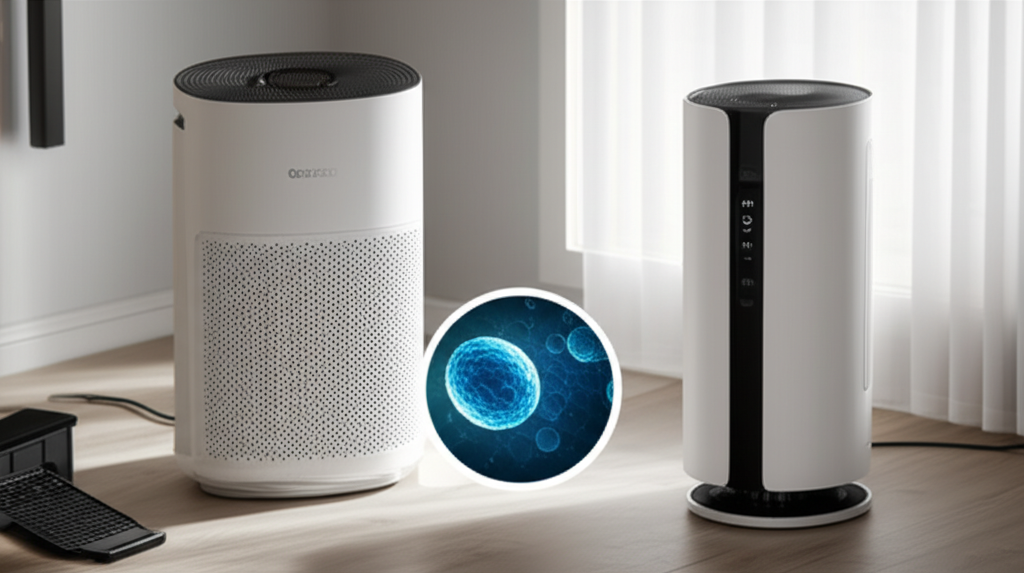
HEPA filters are the gold standard for capturing particulate matter. They are designed with a dense mesh of fibers that create a tortuous path for air, making it difficult for even microscopic particles to pass through. This makes them incredibly effective against allergens like pollen, dust mites, pet dander, and mold spores. For individuals with allergies or respiratory conditions, a HEPA filter is often non-negotiable.
The effectiveness of a HEPA filter is certified by rigorous standards, ensuring a high level of purification. Their ability to physically trap such small particles is their greatest strength.
Activated Carbon Filters for Odors and Gases
Beyond particulate matter, many filter air purifiers incorporate activated carbon filters. These filters are highly porous and designed to adsorb gases, odors, and VOCs from the air. Activated carbon is treated to be extremely absorbent, making it effective at neutralizing smells from cooking, pets, smoke, and chemical off-gassing from furniture or cleaning products.
While HEPA filters tackle the physical particles, activated carbon addresses the gaseous and odor components of air pollution. This dual approach offers comprehensive air cleaning.
The Mechanics of Filterless Air Purifiers
Filterless air purifiers employ various technologies to clean the air without disposable filters. Common methods include ionizers, UV-C light, and electrostatic precipitation. Ionizers release charged ions that attach to airborne particles, causing them to clump together and fall to the ground or stick to surfaces. UV-C light is used to kill bacteria, viruses, and mold spores. Electrostatic precipitators use charged plates to attract and capture pollutants.
These technologies aim to eliminate the recurring cost and hassle of filter replacement. However, they often come with their own set of considerations.
Ionizer Technology: Pros and Cons
Ionizers can be effective at reducing airborne particles by causing them to become charged and then settle. This can make surfaces appear dusty, but the air itself can feel cleaner. Some ionizers produce ozone as a byproduct, which can be a lung irritant and is particularly problematic for individuals with asthma or other respiratory sensitivities.
It’s essential to check for certifications like CARB (California Air Resources Board) approval if considering an ionizer, as they often have strict ozone emission limits. The potential for ozone production is a significant drawback for some users.
UV-C Light for Sterilization
UV-C light has germicidal properties, meaning it can kill or inactivate microorganisms like bacteria, viruses, and mold. In air purifiers, a UV-C bulb is often used to treat the air as it passes through the unit, or it can be directed at accumulated particles on internal components. This technology targets biological contaminants specifically.
While effective against germs, UV-C light doesn’t remove particulate matter like dust or pollen from the air. It works as a sterilization method rather than a particle-capture system.
Electrostatic Precipitators Explained
Electrostatic precipitators use high voltage to create an electric field. As air passes through, particles become electrically charged and are then attracted to oppositely charged collection plates. These plates can often be washed, eliminating the need for disposable filters. This method is efficient at capturing fine particles, including those smaller than what HEPA filters can catch.
However, like ionizers, some electrostatic precipitators can produce ozone. Regular cleaning of the collection plates is also necessary to maintain efficiency.
Filter vs Filterless Air Purifier: A Comparative Look
When deciding between a filter vs filterless air purifier, several factors come into play. Filter purifiers are generally better at capturing a wide range of particles, especially very fine ones, but require ongoing filter purchases. Filterless models offer cost savings on consumables and convenience but may have limitations in particle capture or potential byproducts like ozone.
Understanding these trade-offs is key to making the best choice for your specific needs and priorities. Let’s break down the key comparison points.
Effectiveness Against Different Pollutants
| Pollutant Type | Traditional Filter (HEPA + Carbon) | Filterless (Ionizer/UV/Electrostatic) |
| :——————– | :——————————— | :———————————— |
| Particulate Matter | Excellent (≥99.97% for HEPA) | Varies; Electrostatic can be good |
| Allergens (Pollen, Dander) | Excellent | Varies |
| Mold Spores | Excellent | UV-C targets, but not captured |
| Bacteria & Viruses | Traps effectively | UV-C sterilizes |
| Odors & Gases (VOCs) | Excellent (with Carbon filter) | Limited to specific technologies |
| Ozone Production | Generally None | Potential issue with ionizers/ESPs |
Traditional HEPA filters excel at capturing a broad spectrum of airborne particles, from large dust bunnies to microscopic bacteria. Activated carbon filters then tackle odors and gases. Filterless technologies often focus on specific types of pollutants, with varying degrees of success across the board.
Cost of Ownership: Initial vs. Long-Term
The initial purchase price of filterless air purifiers can sometimes be higher than comparable models with filters. However, the long-term cost savings can be significant as you avoid the recurring expense of buying replacement filters. A set of HEPA and carbon filters can cost anywhere from $50 to $150 or more annually, depending on the unit and filter quality.
Consider the lifespan of the filters and the cost of replacements when evaluating the total cost of ownership for a traditional filter air purifier. For filterless models, the primary ongoing cost is electricity, and potentially replacement UV bulbs or cleaning supplies.
Maintenance and Convenience
Filterless air purifiers typically offer a more convenient maintenance routine. Instead of scheduling filter replacements every few months, you might only need to periodically wash collection plates or wipe down internal components. This can be a significant advantage for busy households or those who prefer minimal upkeep.
However, the “convenience” of filterless models can sometimes mask other maintenance needs, such as ensuring ionizer components are clean or UV bulbs are functioning. Regular checks are still important for optimal performance.
Environmental Impact
The environmental impact of air purifiers is an important consideration. Traditional filter air purifiers generate waste from discarded filters, which often end up in landfills. While some manufacturers offer filter recycling programs, it’s not a universal practice. This continuous generation of waste can be a concern for eco-conscious consumers.
Filterless models, by eliminating disposable filters, generally have a lower environmental footprint in terms of waste generation. Their energy consumption and the lifespan of their components are other factors to consider.
When to Choose a Traditional Filter Air Purifier
A traditional filter air purifier is often the best choice for those prioritizing maximum particle removal and comprehensive air cleaning. If you suffer from severe allergies, asthma, or have a household with young children or the elderly, the proven effectiveness of HEPA filtration is invaluable. The ability to trap fine particles and the absence of ozone production are significant benefits.
For users who want a reliable, well-understood method of air purification and don’t mind the ongoing cost of filters, this is a solid option.
Allergy and Asthma Sufferers
For individuals battling allergies or asthma, the choice is often clear: a filter air purifier with a true HEPA filter. These filters are scientifically proven to capture the tiny allergens that trigger symptoms, such as pollen, pet dander, dust mites, and mold spores. A good HEPA filter can make a tangible difference in symptom severity and frequency.
The American Lung Association strongly recommends air purifiers with HEPA filters for improving indoor air quality for people with respiratory conditions. Their ability to physically remove allergens is unparalleled.
Homes with Pets or Smoke
If you have pets or live in an environment where smoke is a concern (e.g., near wildfire areas, or if someone smokes indoors), a filter air purifier with both HEPA and activated carbon filters is highly recommended. The HEPA filter will capture pet dander and smoke particles, while the activated carbon filter will adsorb the associated odors and harmful gases. This combination offers comprehensive protection.
Without activated carbon, smoke odors can linger and continue to be a nuisance. The dual filtration system is key here.
When to Opt for a Filterless Air Purifier
Filterless air purifiers can be an attractive option for those looking to save money on consumables and reduce maintenance frequency. They are often suitable for individuals who are less sensitive to specific airborne particles or are primarily concerned with reducing larger dust and general air freshness. If you’re looking for a set-it-and-forget-it solution and are mindful of ongoing costs, a filterless model might be for you.
However, it’s crucial to research the specific technology used and any potential downsides, such as ozone production.
Budget-Conscious Consumers
For consumers who are mindful of long-term expenses, the appeal of a filterless air purifier is undeniable. The initial investment might be higher, but the absence of recurring filter replacement costs can lead to significant savings over the lifespan of the unit. This makes them a compelling choice for budget-conscious households.
Calculate the annual cost of filters for a traditional unit versus the electricity cost of a filterless one to make a clear financial comparison.
Reducing Waste and Environmental Concerns
If reducing household waste is a priority, a filterless air purifier presents a more environmentally friendly solution. By eliminating the need for disposable filters, these units contribute less to landfill waste. This aligns with a desire for a more sustainable lifestyle and a reduced ecological footprint.
Choosing a filterless model can be a conscious step towards a greener home.
Key Considerations for Filterless Models
While filterless air purifiers offer advantages, it’s vital to be aware of their specific characteristics. Understanding the technology, potential byproducts, and cleaning requirements will help you make an informed decision. Always check for certifications regarding ozone emissions and research the manufacturer’s claims about effectiveness.
Being diligent in researching filterless options ensures you’re not trading one problem for another.
Ozone Emissions and Safety
One of the most significant concerns with some filterless technologies, particularly ionizers and electrostatic precipitators, is ozone production. Ozone is a lung irritant and can worsen respiratory conditions. Regulatory bodies like the California Air Resources Board (CARB) set strict limits for ozone emissions from air purifiers.
Always look for CARB certification or similar safety approvals to ensure the unit operates within safe ozone limits. This is a critical safety factor.
Cleaning and Maintenance Requirements
While filterless models eliminate filter replacement, they still require regular cleaning to maintain their effectiveness. This might involve washing collection plates, cleaning pre-filters, or wiping down internal components. The frequency and complexity of this cleaning can vary between different models and technologies.
Neglecting this maintenance can lead to reduced performance and even potential health risks if contaminants build up.
Making Your Essential Choice: Filter vs Filterless Air Purifier
Ultimately, the choice between a filter vs filterless air purifier depends on your individual needs, priorities, and sensitivities. For most people seeking comprehensive air purification, especially those with allergies or respiratory issues, a traditional HEPA filter air purifier remains the most reliable and effective option. The proven performance and lack of ozone concerns make it a top recommendation.
However, if you are primarily concerned with reducing ongoing costs, minimizing waste, and are less sensitive to specific airborne particles, a well-researched filterless model might be a suitable alternative. Always prioritize safety and effectiveness in your decision.
Frequently Asked Questions About Air Purifiers
What is the biggest difference between a filter and a filterless air purifier?
The biggest difference is how they remove pollutants: filter purifiers use physical filters (like HEPA) that need replacing, while filterless models use technologies like ionizers or UV light and often have washable parts.
Are filterless air purifiers as effective as filtered ones?
Effectiveness varies greatly. True HEPA filters are proven to capture at least 99.97% of particles, while filterless models’ effectiveness depends heavily on the specific technology used and can sometimes produce ozone.
Do filterless air purifiers produce ozone?
Some filterless technologies, like ionizers and electrostatic precipitators, can produce ozone as a byproduct. It’s crucial to choose models certified to be low in ozone emissions, such as those with CARB approval.
How often do I need to clean a filterless air purifier?
Cleaning frequency depends on the model and usage, but typically ranges from monthly to quarterly. This might involve washing collection plates or wiping down internal components.
Which type is better for allergies and asthma?
For allergies and asthma, a traditional air purifier with a true HEPA filter is generally recommended because it effectively captures tiny allergens without producing ozone.
Can filterless air purifiers remove odors?
Some filterless technologies can help with odors, but they are typically not as effective as activated carbon filters found in traditional air purifiers, which are specifically designed to adsorb gases and smells.
What are the long-term costs of each type?
Traditional filter purifiers have ongoing costs for replacement filters (annually or more). Filterless models have a higher initial cost but save money on consumables, with ongoing costs mainly being electricity and occasional part replacement (like UV bulbs).
Conclusion: Your Healthier Air Awaits
Deciding on the right air purifier, whether it’s a filter vs filterless air purifier, is a significant step towards a healthier home environment. For unparalleled particle capture and peace of mind regarding allergens and respiratory health, traditional HEPA filter purifiers are the gold standard. They offer a robust, time-tested solution for cleaner air.
However, if you’re seeking a lower-maintenance, waste-reducing option and are confident in the safety and effectiveness of specific filterless technologies, they can also be a viable choice. Always research thoroughly, prioritize safety (especially regarding ozone), and consider your specific household needs before making your final purchase. Your commitment to cleaner air will undoubtedly benefit your well-being.
