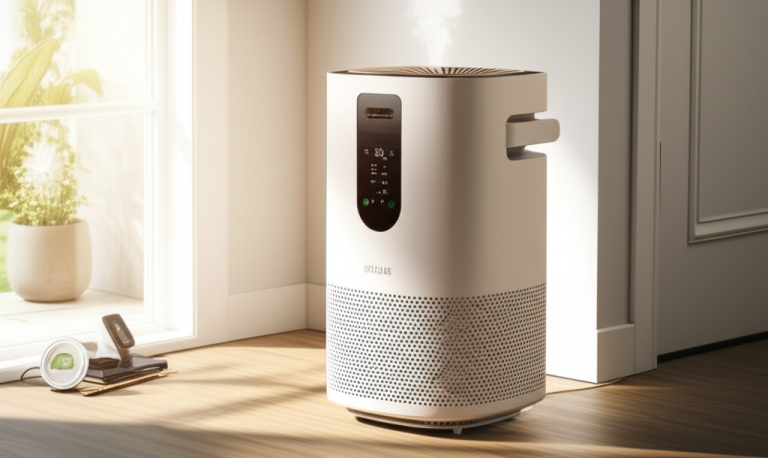
Best Type of Air Purifier for Allergies: Proven Relief

Discover the best type of air purifier for allergies to breathe easier and find proven relief from bothersome symptoms like sneezing, itchy eyes, and congestion, creating a healthier home environment.
Living with allergies can feel like a constant battle against invisible irritants. Every breath can trigger a sneeze, an itchy eye, or a stuffy nose, making your own home feel less like a sanctuary and more like a source of discomfort. But what if there was a simple, effective way to significantly reduce these allergens and reclaim your peace? This guide will walk you through identifying the best type of air purifier for allergies, offering proven relief and a breath of fresh air.
Why Air Purifiers Are Essential for Allergy Sufferers
Air purifiers can dramatically improve your indoor air quality by removing airborne allergens. They capture particles like pollen, dust mites, pet dander, and mold spores that often trigger allergic reactions. Investing in the right air purifier means investing in fewer allergy symptoms and more comfortable days.
The Invisible Culprits: Common Indoor Allergens

Understanding what you’re fighting against is the first step to finding relief. Common indoor allergens are microscopic particles that float in the air and can cause significant discomfort for sensitive individuals. Identifying these triggers helps in selecting the most effective air purification solution.
Dust Mites: Microscopic creatures that thrive in dust, bedding, and carpets, their waste products are potent allergens.
Pollen: Tiny grains released by plants, which can easily enter homes through open windows and doors.
Pet Dander: Tiny flakes of skin shed by pets, along with saliva and urine proteins, are a major allergen for many.
Mold Spores: Fungi that grow in damp areas, releasing spores into the air that can cause respiratory issues.
Smoke and VOCs: While not typical allergens, smoke from cooking or cigarettes and Volatile Organic Compounds (VOCs) from cleaning products can irritate airways and worsen allergy symptoms.
Understanding Air Purifier Technologies: HEPA is Key
When it comes to finding the best type of air purifier for allergies, one technology stands out: High-Efficiency Particulate Air (HEPA) filters. These filters are the gold standard for capturing tiny airborne particles that trigger allergic reactions. Understanding how HEPA filters work and their effectiveness is crucial for making an informed decision.
What is a HEPA Filter and Why It’s Superior for Allergies
A true HEPA filter is designed to capture at least 99.97% of airborne particles as small as 0.3 microns. This includes most common allergens like pollen, pet dander, and dust mite debris. Their dense fiber structure effectively traps these minuscule irritants, preventing them from circulating in your home’s air.
Efficiency: Captures 99.97% of particles 0.3 microns in size.
Particle Size: Catches pollen, pet dander, dust mites, and mold spores.
Certification: Look for filters certified to meet HEPA standards.
Beyond HEPA: Activated Carbon Filters for Odors and Gases
While HEPA filters excel at capturing particles, activated carbon filters are essential for addressing odors, smoke, and Volatile Organic Compounds (VOCs). These filters use a porous carbon material that adsorbs (attracts and holds) gas molecules. For allergy sufferers, this means removing not just irritants but also lingering smells that can exacerbate respiratory sensitivity.
Adsorption: Carbon’s porous surface traps gases and odors.
Effectiveness: Removes smoke, cooking smells, pet odors, and chemical fumes.
Combination: Often paired with HEPA filters for comprehensive air purification.
Other Filtration Technologies to Consider
While HEPA and activated carbon are the most critical, some purifiers use other technologies. Ionizers and UV-C lights are sometimes included, but it’s important to use them cautiously. Some ionizers can produce ozone, which can irritate the lungs and worsen allergies. UV-C lights aim to kill germs but may not be effective against all allergens and can also produce ozone.
Ionizers: Release negative ions to charge particles, causing them to clump and fall. Be mindful of ozone production.
UV-C Light: Intended to kill bacteria and viruses. Effectiveness against allergens varies.
Photocatalytic Oxidation (PCO): Breaks down pollutants but can also produce byproducts.
Key Features to Look for in an Allergy Air Purifier
Selecting the best type of air purifier for allergies involves more than just looking for a HEPA filter. Several features can enhance its effectiveness and user experience, ensuring you get the most relief possible. Consider these aspects when making your choice.
Coverage Area (CADR) and Room Size
The Clean Air Delivery Rate (CADR) indicates how quickly an air purifier can filter a room. It measures the volume of filtered air delivered per minute for specific pollutants like smoke, dust, and pollen. Ensure the purifier’s CADR is appropriate for the size of the room you intend to use it in.
High CADR: Better for larger rooms or more severe allergies.
Room Size Matching: Check manufacturer recommendations for room coverage.
Multiple Units: Consider multiple smaller units for different rooms.
Noise Level and Sleep Modes
An air purifier running constantly can be disruptive, especially in bedrooms. Look for models with low noise levels, often measured in decibels (dB), and features like “sleep mode” or “night mode.” These settings reduce fan speed and dim indicator lights for undisturbed rest. A quiet operation ensures you can benefit from clean air all night long.
Decibel Rating: Lower is quieter, especially for bedrooms.
Sleep Mode: Reduces fan speed and light for peaceful sleep.
White Noise: Some users find the gentle hum of an air purifier comforting.
Filter Replacement and Maintenance Costs
Air purifiers require regular maintenance, primarily filter replacement. HEPA and activated carbon filters have a limited lifespan and need to be changed periodically, typically every 6-12 months. Factor in the cost and availability of replacement filters when choosing a model, as this is an ongoing expense.
Filter Lifespan: Varies by model and usage; check manufacturer guidelines.
Replacement Cost: Budget for recurring filter purchases.
Indicator Lights: Many units have reminders for filter changes.
Energy Efficiency and Certifications
An energy-efficient air purifier can save you money on electricity bills over time. Look for the ENERGY STAR certification, which indicates that a product meets strict energy efficiency guidelines set by the U.S. Environmental Protection Agency. This ensures your allergy relief doesn’t come with an excessive energy footprint.
ENERGY STAR: Certified models use less energy.
Power Consumption: Check the wattage listed on the product.
Long-Term Savings: Energy efficiency reduces operational costs.
Top Types of Air Purifiers for Allergy Relief
Based on the technologies and features discussed, certain types of air purifiers are consistently recommended for allergy sufferers. Understanding these categories will help you pinpoint the best fit for your specific needs and home environment.
1. HEPA Air Purifiers with Activated Carbon Filters
This is widely considered the best type of air purifier for allergies. These units combine the particle-capturing power of a HEPA filter with the odor and gas absorption of an activated carbon filter. They offer comprehensive protection against a broad range of allergens and irritants, making them highly effective for most allergy sufferers.
Dual Action: Captures particles and adsorbs gases/odors.
Versatile: Effective against pollen, dander, dust, smoke, and VOCs.
Recommended: Ideal for general allergy relief in homes.
2. Whole-House Air Purification Systems
For severe allergies or larger homes, a whole-house system integrated into your HVAC unit can provide consistent, building-wide air purification. These systems filter the air as it circulates through your heating and cooling system, offering continuous protection without requiring multiple portable units. While a significant investment, they offer unparalleled convenience and coverage.
Integrated Solution: Filters air throughout your entire home.
Convenient: No need for multiple portable units.
Effective: Ideal for severe allergies or larger living spaces.
3. Specialized Allergy Air Purifiers
Some air purifiers are marketed specifically for allergy relief and may include enhanced features. These could involve medical-grade HEPA filters, higher CADR ratings, or advanced sensor technology to detect and respond to air quality changes. When choosing a specialized unit, ensure it clearly states its HEPA certification and the types of allergens it targets.
Targeted Performance: Often designed with enhanced allergen capture.
Advanced Features: May include smart sensors or higher efficiency filters.
Consideration: Verify HEPA certification and specific allergen targeting.
Choosing the Right Air Purifier for Your Needs: A Step-by-Step Guide
Selecting the best type of air purifier for allergies can feel overwhelming, but breaking it down into steps makes it manageable. By considering your specific allergy triggers, room sizes, and budget, you can confidently choose a unit that provides significant relief.
Step 1: Identify Your Primary Allergy Triggers
Knowing what bothers you most is the first crucial step. Are you sensitive to pet dander, pollen that blows in from outside, or dust mites in your bedding? While most HEPA filters handle common allergens, understanding your specific triggers can help you prioritize features like a robust activated carbon filter for pet odors or a high CADR for pollen season.
Step 2: Measure Your Room Sizes
Air purifiers are rated for specific room sizes. Measure the square footage of the rooms where you spend the most time, especially bedrooms and living areas. Choose a purifier with a CADR rating that exceeds the needs of your largest room to ensure effective air cleaning. Using a unit too small for the space will be inefficient.
Step 3: Consider Noise Levels and Placement
Think about where the air purifier will be placed and how noise might affect you. If it’s for a bedroom, prioritize quiet operation and sleep modes. For living areas, a slightly louder unit might be acceptable. Ensure you have a suitable spot with good airflow, away from obstructions.
Step 4: Evaluate Filter Costs and Lifespan
Factor in the ongoing cost of replacement filters. Check the manufacturer’s recommendations for filter lifespan and the price of new filters. Some units have washable pre-filters that can extend the life of the main HEPA and carbon filters, potentially saving you money.
Step 5: Read Reviews and Look for Certifications
Before purchasing, read reviews from other allergy sufferers to gauge real-world performance. Look for certifications like AHAM Verifide (for CADR ratings) and ENERGY STAR. Reputable brands often provide detailed specifications and transparent information about their filter technology.
Popular Brands and Models to Consider
While I can’t recommend specific models due to the dynamic nature of product availability and evolving technology, I can highlight reputable brands known for producing high-quality air purifiers for allergies. Researching models from these companies will likely lead you to effective solutions.
Coway: Often praised for their effective HEPA filtration and user-friendly designs.
Blueair: Known for combining high performance with sleek aesthetics and quiet operation.
Levoit: Offers a range of affordable yet effective options, often featuring multi-stage filtration.
Honeywell: A trusted name in home appliances, providing reliable air purification solutions.
Winix: Frequently includes advanced features like PlasmaWave technology (with an option to turn it off) alongside HEPA and carbon filters.
When exploring these brands, always verify that the specific model you are considering uses a true HEPA filter and includes an activated carbon component for comprehensive allergy relief.
Maintaining Your Air Purifier for Maximum Allergy Relief
To ensure your air purifier continues to provide the best type of relief for your allergies, consistent maintenance is key. Neglecting your unit can reduce its effectiveness and even lead to it becoming a source of allergens itself. Regular care guarantees optimal performance.
Regular Filter Checks and Replacements
This is the most critical maintenance task. Follow the manufacturer’s recommendations for how often to check and replace your filters. A clogged HEPA filter cannot capture new allergens efficiently, and a saturated carbon filter loses its ability to absorb odors and gases. Many purifiers have indicator lights to remind you.
Cleaning the Pre-Filter
Many air purifiers have a washable pre-filter that captures larger particles like hair and lint. Cleaning this pre-filter regularly, often with a vacuum cleaner or by hand washing, can significantly extend the life of your HEPA and carbon filters. This simple step prevents the more expensive filters from clogging too quickly.
Wiping Down the Exterior and Interior
Periodically, wipe down the exterior of your air purifier with a damp cloth to remove dust. You can also carefully vacuum or wipe the intake and outlet grilles to ensure unobstructed airflow. This keeps the unit looking good and functioning efficiently.
Monitoring Performance
Pay attention to how your air purifier is performing. If you notice a decrease in air quality, increased allergy symptoms, or unusual noises, it might be time to check the filters or consider a deeper clean. Consistent monitoring ensures you catch any issues early.
FAQs: Your Air Purifier Questions Answered
Here are answers to some common questions about choosing and using air purifiers for allergy relief.
What is the most important feature in an air purifier for allergies?
The most important feature is a true HEPA filter, which captures 99.97% of airborne particles down to 0.3 microns. This includes common allergens like pollen, dust mites, and pet dander.
Can air purifiers really help with seasonal allergies?
Yes, air purifiers can significantly help with seasonal allergies by capturing pollen and other outdoor allergens that enter your home. Running one, especially during peak pollen seasons, can create a cleaner, more comfortable indoor environment.
How often should I run my air purifier?
For maximum allergy relief, it’s recommended to run your air purifier continuously, especially in rooms where you spend the most time, like bedrooms and living areas. Many models are energy-efficient, making continuous operation feasible.
Do air purifiers get rid of dust?
Air purifiers are very effective at removing airborne dust particles, which are a common trigger for allergies. They capture dust as it circulates in the air, preventing it from settling and becoming a bigger problem.
Are ozone-producing air purifiers safe for allergies?
No, ozone-producing air purifiers are generally not recommended for allergy sufferers. Ozone is a lung irritant and can worsen respiratory conditions and allergy symptoms. Always opt for ozone-free models.
How do I know if my air purifier is working effectively?
You should notice a reduction in airborne allergens, fewer allergy symptoms, and potentially fresher-smelling air. Also, check that the unit is running consistently and that you are performing regular maintenance, such as filter replacements.
Conclusion: Breathe Easier with the Right Air Purifier
Finding the best type of air purifier for allergies is about understanding your needs and the technology that addresses them. A true HEPA filter, often combined with activated carbon, is your most powerful ally against airborne irritants like pollen, pet dander, and dust mites. By considering coverage area, noise levels, maintenance costs, and other key features, you can select a unit that offers proven relief and transforms your home into a haven. Don’t let allergies dictate your comfort; invest in cleaner air and enjoy a healthier, more breathable life.