Best Quiet Air Purifier for Allergies: Proven Relief

Find proven relief from allergies with the best quiet air purifier, designed to create a serene, breathable sanctuary in your home.
Suffering from allergies can make your own home feel like a battlefield, with sneezing, itchy eyes, and congestion disrupting your peace. You deserve a haven, a place where you can breathe freely and rest deeply. Fortunately, the right air purifier can transform your living space into a sanctuary of clean air, tackling allergens without adding noise pollution. This guide will walk you through selecting the best quiet air purifier for allergies, ensuring you find effective relief and tranquility.
Why a Quiet Air Purifier is Essential for Allergy Sufferers
A quiet air purifier is crucial because it tackles airborne allergens like pollen, dust mites, pet dander, and mold spores without adding to the stress of allergy symptoms. Constant noise can be a significant irritant, especially for those sensitive to environmental stimuli, exacerbating headaches and sleep disturbances. The goal is to improve your indoor air quality and your overall well-being, creating a peaceful environment for recovery and rest.
Understanding the Enemy: Common Allergy Triggers
Understanding what triggers your allergies is the first step to combating them effectively. Common culprits include microscopic particles like pollen that drift in from outdoors, dust mites that thrive in soft furnishings, pet dander shed by our furry friends, and mold spores that can grow in damp areas. These tiny invaders can significantly impact your respiratory health and comfort.
Pollen’s Persistent Presence
Pollen, a fine powder released by plants, trees, and grasses, is a major seasonal allergen. It easily enters homes through open windows and doors, clinging to surfaces and circulating in the air. Even indoors, it can cause significant discomfort for allergy sufferers.
Dust Mites: The Invisible Invaders
Dust mites are microscopic creatures that feed on dead skin cells found in household dust. They are a year-round allergen, commonly residing in mattresses, carpets, and upholstery, making it difficult to escape their presence. Their waste products are potent allergens.
Pet Dander: A Furry Friend’s Fallout
While many love their pets, their dander—tiny flakes of skin—can be a significant allergen. This dander, along with pet saliva and urine proteins, can become airborne and trigger allergic reactions in sensitive individuals. It’s a common cause of indoor allergies.
Mold Spores: The Hidden Menace
Mold thrives in moist environments and releases spores into the air, which can be a potent allergen. Areas like bathrooms, kitchens, basements, and even poorly ventilated closets can harbor mold, making its spores a constant threat to indoor air quality.
What Makes an Air Purifier “Quiet”?
The noise level of an air purifier is typically measured in decibels (dB). For a quiet operation, look for models that operate between 20-50 dB, especially on their lower settings. This range is comparable to a whisper or a quiet library, ensuring it won’t disrupt your sleep or daily activities.
Decibel Levels Explained
Decibels are a logarithmic scale, meaning a small increase in dB represents a significant jump in loudness. A typical conversation is around 60 dB, while a quiet room might be 30-40 dB. For sleeping or focused work, aiming for below 45 dB is ideal.
Key Features for Quiet Operation
Several design elements contribute to a quiet air purifier. These include energy-efficient, brushless motors, specialized fan blade designs that minimize turbulence, and robust housing that dampens vibrations. Some models also feature specific “sleep modes” or ultra-low fan speeds.
The Role of HEPA Filters in Allergy Relief
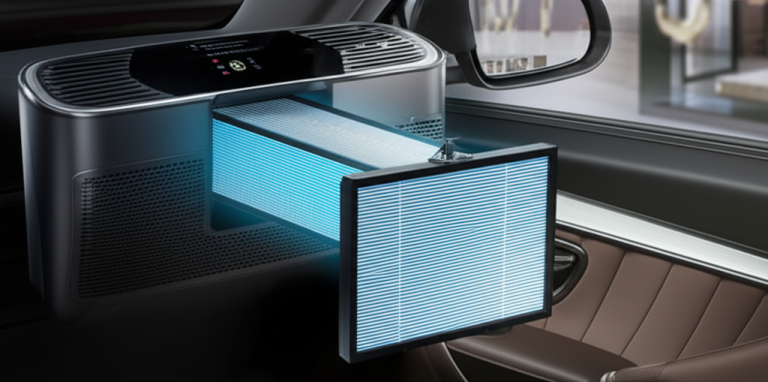
High-Efficiency Particulate Air (HEPA) filters are the gold standard for capturing allergens. A true HEPA filter is certified to remove at least 99.97% of airborne particles as small as 0.3 microns. This includes pollen, dust mites, pet dander, and mold spores.
True HEPA vs. HEPA-Type Filters
It’s important to distinguish between “True HEPA” and “HEPA-type” filters. True HEPA filters meet the stringent standards set by the U.S. Department of Energy, while HEPA-type filters may capture a high percentage of particles but don’t meet the same rigorous certification. Always look for “True HEPA” for maximum allergy relief.
Beyond HEPA: Activated Carbon Filters
Many air purifiers also incorporate activated carbon filters. These filters are excellent at adsorbing odors, gases, and volatile organic compounds (VOCs) that can be released from cleaning products, furniture, and cooking. This dual filtration provides comprehensive air purification.
Top Quiet Air Purifiers for Allergy Sufferers: Our Picks
After extensive research, we’ve identified several models that excel in quiet operation and effective allergen removal. These purifiers balance powerful performance with a peaceful presence in your home, making them ideal for allergy sufferers seeking relief.
Coway Airmega AP-1512HH Mighty
The Coway Airmega AP-1512HH Mighty is a perennial favorite for its excellent performance-to-price ratio. It features a multi-stage filtration system, including a True HEPA filter, and an eco-mode that adjusts fan speed based on air quality. Its noise levels are impressively low, especially on lower settings.
Levoit Core 300S Smart True HEPA Air Purifier
Levoit’s Core 300S offers smart capabilities with app control and voice commands. It boasts a three-stage filtration system with a True HEPA filter and operates at a whisper-quiet 22 dB on its lowest setting. This makes it perfect for bedrooms and living areas where peace is paramount.
Blueair Blue Pure 411 Auto
The Blueair Blue Pure 411 Auto is known for its sleek design and efficient, quiet performance. It uses a unique combination of electrostatic and mechanical filtration to capture allergens and particles. Its low noise level and simple operation make it a user-friendly choice.
Winix 5500-2 Air Purifier
The Winix 5500-2 is a robust option that includes a True HEPA filter, an activated carbon filter, and the PlasmaWave technology. It’s effective at capturing a wide range of airborne pollutants and operates relatively quietly, especially on its medium and low settings. Its auto mode is particularly convenient.
Factors to Consider When Choosing Your Air Purifier
Selecting the right air purifier involves more than just looking at noise levels. Several other factors play a crucial role in ensuring you get the best relief for your allergies and a device that fits your lifestyle.
Room Size and CADR Ratings
Consider the Clean Air Delivery Rate (CADR) of the purifier, which indicates how quickly it can clean the air in a specific room size. Higher CADR ratings mean faster air purification. Ensure the purifier’s CADR is appropriate for the square footage of the room you intend to use it in.
Filter Replacement Costs and Frequency
Air purifiers require regular filter replacements to maintain their effectiveness. Factor in the cost and availability of replacement filters when making your decision. Some manufacturers offer subscription services for filters, which can sometimes be more cost-effective.
Energy Consumption
Look for Energy Star certified models, which are designed to be more energy-efficient. This not only saves you money on electricity bills but also reduces your environmental footprint. Quiet operation often correlates with lower energy consumption as well.
Additional Features: Smart Capabilities and Sensors
Modern air purifiers often come with smart features like Wi-Fi connectivity, app control, and air quality sensors. These sensors can automatically adjust the fan speed based on detected pollutant levels, offering convenience and optimized performance.
How to Maximize Your Air Purifier’s Effectiveness for Allergies
Simply owning an air purifier isn’t enough; proper placement and maintenance are key to achieving optimal allergy relief. Following these tips will ensure your device works efficiently to create a cleaner, healthier environment.
Strategic Placement in Your Home
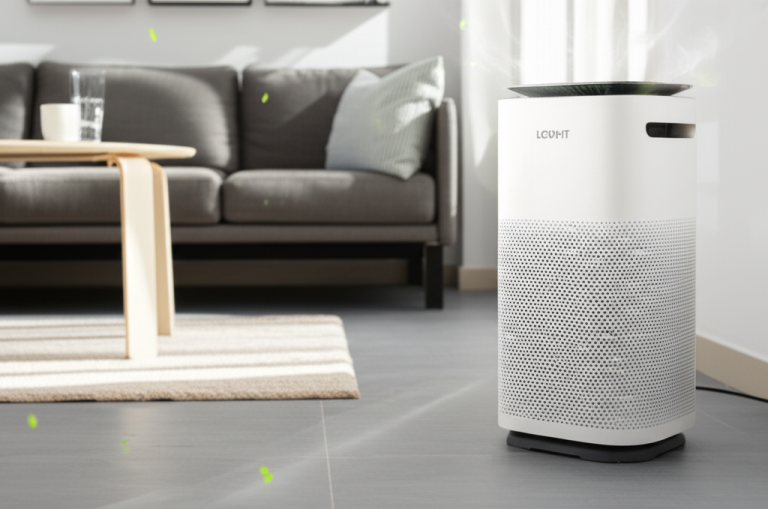
Place your air purifier in the room where you spend the most time, such as your bedroom or living room. Ensure there’s at least a foot of clearance around the unit to allow for optimal airflow. Avoid placing it directly behind furniture or in corners.
Regular Maintenance and Filter Changes
Adhere to the manufacturer’s recommended schedule for cleaning pre-filters and replacing HEPA and carbon filters. Clogged filters reduce airflow and purification efficiency, diminishing the unit’s ability to capture allergens. This is a crucial step for sustained relief.
Complementary Allergy Management Strategies
An air purifier is a powerful tool, but it works best as part of a broader allergy management plan. Regularly vacuuming with a HEPA-filter vacuum, dusting with a damp cloth, and washing bedding in hot water can further reduce allergen levels in your home.
Understanding Air Purifier Technology for Allergies
Different technologies are employed in air purifiers, each with its strengths in combating allergens. Understanding these can help you make an informed choice for proven relief from your specific allergy triggers.
HEPA Filtration: The Allergen Champion
As mentioned, True HEPA filters are the cornerstone of allergy relief. They physically trap microscopic particles, preventing them from circulating in your breathing space. Their efficiency is unparalleled for capturing common allergens like pollen and dander.
Activated Carbon: Tackling Odors and VOCs
Activated carbon filters work by adsorption, trapping gases, odors, and VOCs. While not directly targeting particulate allergens, they improve overall air freshness and can remove irritants that exacerbate allergy symptoms, contributing to a more comfortable environment.
Ionizers and Ozone: A Word of Caution
Some air purifiers use ionizers to charge particles, causing them to clump and fall out of the air. While effective, some ionizers can produce ozone, a lung irritant that can worsen allergies and asthma. Always choose models that are certified as low-ozone or ozone-free.
UV-C Light: For Germs, Not Typically Allergens
UV-C light is primarily used to kill bacteria and viruses. While it can neutralize some airborne microorganisms, it’s generally not the primary technology for removing common allergens like pollen or dust mites. Its effectiveness against particulate allergens is limited.
Best Quiet Air Purifier for Allergies: A Comparative Look
To further illustrate the benefits, let’s compare a few popular models based on key features for allergy sufferers. This comparison highlights how different purifiers balance quiet operation with powerful allergen capture.
| Air Purifier Model | Noise Level (dB) | True HEPA Filter | Activated Carbon | Room Size Coverage (sq ft) | Key Allergy Feature |
| :———————— | :————— | :————— | :————— | :————————- | :———————————————— |
| Coway Airmega AP-1512HH | 24-53 | Yes | Yes | Up to 361 | Eco-mode, highly effective multi-stage filtration |
| Levoit Core 300S | 22-50 | Yes | Yes | Up to 219 | Smart controls, very quiet on low settings |
| Blueair Blue Pure 411 Auto | 17-48 | Yes (HEPA Silent) | Yes | Up to 161 | Compact design, low energy consumption |
| Winix 5500-2 | 28-55 | Yes | Yes | Up to 360 | PlasmaWave (optional), auto mode |
Note: Noise levels can vary based on fan speed setting.
This table provides a snapshot of how these top-tier quiet air purifiers stack up. Each offers a compelling solution for allergy sufferers looking for a peaceful home environment.
Frequently Asked Questions about Quiet Air Purifiers for Allergies
Here are answers to some common questions new users have when looking for the best quiet air purifier for allergies.
Q1: How many air purifiers do I need for my home?
For optimal allergy relief, it’s best to have an air purifier in each room where you spend significant time, especially bedrooms and living areas. One unit can effectively clean a specific room size, so strategically placing them ensures consistent air quality throughout your home.
Q2: Can an air purifier completely eliminate my allergies?
While an air purifier significantly reduces allergens in your indoor air, it cannot completely eliminate them, especially if you frequently go outdoors or have pets. It’s a powerful tool to manage symptoms and improve air quality, but it should be part of a comprehensive allergy management strategy.
Q3: How often should I replace the HEPA filter?
Typically, HEPA filters need replacement every 6 to 12 months, depending on the model, usage, and the level of allergens in your environment. Always check your air purifier’s manual for specific recommendations and consider air quality monitors to gauge filter life.
Q4: Are “ozone-free” air purifiers truly ozone-free?
Look for certifications from reputable organizations like the California Air Resources Board (CARB) for ozone emission standards. CARB-certified air purifiers are required to meet strict limits for ozone production, ensuring they are safe for use around people and pets.
Q5: Do air purifiers help with pet allergies specifically?
Yes, air purifiers with True HEPA filters are highly effective at capturing pet dander, which is a primary allergen for many pet owners. They also help reduce pet odors when equipped with activated carbon filters, contributing to a fresher home environment.
Conclusion: Breathe Easier with a Quiet Air Purifier
Finding the best quiet air purifier for allergies is about creating a sanctuary of clean, fresh air without the distraction of noise. By understanding the technologies, considering your room size, and prioritizing HEPA filtration, you can effectively combat airborne allergens like pollen, dust, and dander. Investing in a quiet air purifier is investing in your health, comfort, and peace of mind, allowing you to finally breathe easy and enjoy your home to its fullest.