
Best Home Air Purifiers For Pets: Essential Guide

Breathe easier with the best home air purifiers for pets, tackling dander, odors, and allergens to create a healthier, fresher living space for you and your furry companions.
The joy of having pets comes with a few furry trade-offs, like shedding, dander, and those unmistakable pet odors. For many pet owners, these airborne irritants can lead to sneezing, itchy eyes, and general discomfort, making their own homes feel less like a sanctuary. But what if you could significantly improve your indoor air quality and reduce these pet-related issues? This guide will walk you through everything you need to know to find the best home air purifiers for pets, ensuring a cleaner, healthier environment for everyone.
Why Pet Owners Need Air Purifiers
Pet dander is a common allergen that can trigger respiratory issues and allergic reactions in humans. These microscopic skin flakes are easily dispersed into the air and can linger, causing persistent symptoms. Beyond dander, pets can also contribute to unpleasant odors and even carry airborne bacteria and viruses. An effective air purifier acts as a vital tool to combat these airborne contaminants, creating a more comfortable and hygienic living space.
Understanding How Air Purifiers Work for Pets
Air purifiers work by drawing in the surrounding air, passing it through a series of filters, and then releasing cleaner air back into the room. For pet owners, the most crucial filters are typically High-Efficiency Particulate Air (HEPA) filters, which are excellent at capturing tiny particles like dander, pollen, and dust mites. Activated carbon filters are also essential for absorbing and neutralizing pet odors.
The Role of HEPA Filters
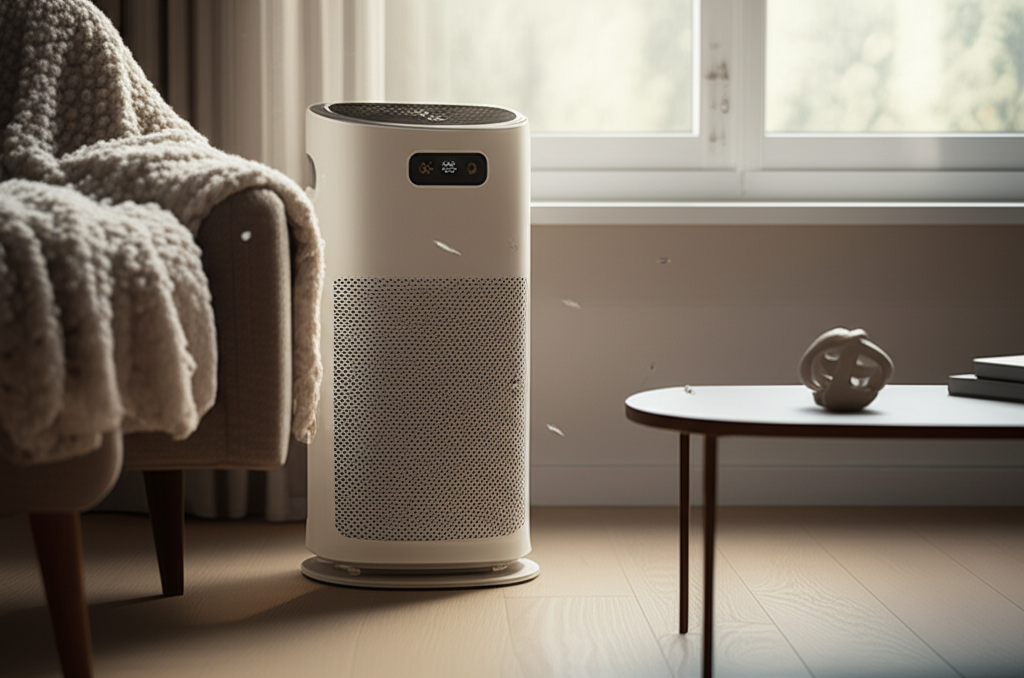
A true HEPA filter is designed to capture at least 99.97% of airborne particles that are 0.3 microns in size. This includes common pet allergens such as dander, as well as dust, mold spores, and pollen. For pet owners, a HEPA filter is non-negotiable when selecting an air purifier.
Activated Carbon for Odor Elimination
While HEPA filters tackle particles, activated carbon filters are the heroes of odor control. These filters are highly porous and have a large surface area, allowing them to adsorb a wide range of volatile organic compounds (VOCs) and other odor-causing molecules. This is particularly effective for neutralizing common pet smells like urine, wet dog, and litter box odors.
Key Features to Look For in the Best Home Air Purifiers for Pets
When choosing the best home air purifiers for pets, several features stand out as particularly beneficial for pet-specific needs. Prioritizing these will help you make an informed decision that directly addresses your household’s challenges.
Coverage Area and CADR Ratings
The effectiveness of an air purifier is directly related to the size of the room it can adequately clean. Always check the manufacturer’s recommended room size coverage and the Clean Air Delivery Rate (CADR) for smoke, dust, and pollen. A higher CADR indicates a more powerful unit capable of cleaning the air faster.
Filter Types and Replacement Costs
Beyond HEPA and activated carbon, some purifiers offer additional filtration layers like pre-filters, which capture larger particles like pet hair, extending the life of the main filters. It’s crucial to factor in the cost and frequency of filter replacements, as this is an ongoing expense.
Noise Levels
Air purifiers often run continuously, especially in homes with pets. Consider the noise level, particularly if you plan to use the purifier in a bedroom or living area. Many models offer a “sleep mode” with reduced fan speed and noise.
Smart Features and Portability
Modern air purifiers can come with smart features like app control, air quality sensors, and automatic mode adjustments. Portability is also a factor if you intend to move the purifier between rooms.
Top Recommendations for Best Home Air Purifiers for Pets
After thorough research, I’ve identified several models that consistently perform well for pet owners. These units offer a strong combination of filtration capabilities, room coverage, and odor control.
Coway AP-1512HH Mighty
This popular model is a fantastic all-rounder, excelling in capturing pet dander and neutralizing odors. It features a multi-stage filtration system, including a True HEPA filter and an odor-absorbing activated carbon filter. Its compact size and quiet operation make it suitable for most rooms.
Levoit Core 300S
The Levoit Core 300S is a budget-friendly yet highly effective option. It utilizes a three-stage filtration system with a fine preliminary filter, a True HEPA filter, and an activated carbon filter. Its smart capabilities allow for app control and voice commands, making it convenient to use.
Winix 5500-2
The Winix 5500-2 is a powerful purifier that uses a True HEPA filter, an activated carbon filter, and PlasmaWave technology (which can be turned off if preferred). It’s well-suited for larger spaces and effectively tackles pet dander, odors, and other airborne pollutants.
Blueair Blue Pure 411 Auto
This sleek purifier is known for its simplicity and effectiveness. It uses a combination of a pre-filter and a particle filter that also captures odors. The Auto model features an air quality sensor for automatic adjustments, and it’s remarkably quiet on lower settings.
Comparing Air Purifiers for Pet Households
To help you visualize the differences, here’s a comparison of some leading air purifiers based on key features relevant to pet owners.
| Model | Room Size (sq ft) | HEPA Filter Type | Activated Carbon | Noise Level (dB) | Smart Features |
| :———————— | :—————- | :————— | :————— | :————— | :————- |
| Coway AP-1512HH Mighty | 361 | True HEPA | Yes | 24-54 | No |
| Levoit Core 300S | 219 | True HEPA | Yes | 22-50 | Yes |
| Winix 5500-2 | 360 | True HEPA | Yes | 28-54 | No |
| Blueair Blue Pure 411 Auto | 161 | Hybrid Particle | Yes (integrated) | 17-46 | Yes |
Advanced Filtration Technologies for Pet Owners
While HEPA and activated carbon are standard, some air purifiers incorporate additional technologies that can be beneficial for pet households. Understanding these can help you choose a unit that offers comprehensive air purification.
Pre-filters for Pet Hair
A washable pre-filter is a game-changer for pet owners. It traps larger particles like pet hair and lint before they reach the more sensitive HEPA and carbon filters. This not only improves air quality but also significantly extends the lifespan of your main filters, saving you money in the long run.
Ionizers and UV-C Lights
Some air purifiers include ionizers, which release negative ions to help particles clump together and fall out of the air, or UV-C lights, which aim to kill airborne bacteria and viruses. However, it’s important to research ionizers, as some can produce ozone, which can be harmful to respiratory health. Always opt for purifiers that certify ozone-free operation or allow you to disable the ionizer.
Placement and Maintenance of Your Air Purifier
Where you place your air purifier and how you maintain it significantly impacts its performance. Proper placement ensures optimal air circulation, while regular maintenance keeps the filters working efficiently.
Optimal Placement Strategies
For best results, place your air purifier in the room where your pet spends the most time, or where pet odors are most noticeable. Ensure there’s adequate space around the unit for air intake and exhaust – avoid placing it directly against walls or furniture. If you have multiple problem areas, consider using more than one purifier.
Regular Filter Checks and Replacements
The most critical maintenance task is checking and replacing your air purifier’s filters according to the manufacturer’s recommendations. Neglecting this can severely reduce the unit’s effectiveness and even lead to it becoming a source of poor air quality. Some purifiers have filter indicator lights to remind you.
Addressing Specific Pet-Related Air Quality Issues
Pet owners face a unique set of air quality challenges. The best home air purifiers for pets are specifically designed to tackle these common problems head-on.
Tackling Pet Dander Allergies
For those suffering from pet dander allergies, a high-quality HEPA filter is paramount. These filters are designed to capture the microscopic dander particles that often cause sneezing, itchy eyes, and respiratory discomfort. Consistent use of a powerful air purifier can dramatically reduce allergen levels in your home.
Eliminating Persistent Pet Odors
Pet odors can be notoriously difficult to eliminate, permeating furniture and fabrics. An air purifier with a substantial activated carbon filter is your best defense. These filters adsorb odor molecules, rather than just masking them, leaving your home smelling fresh and clean.
Reducing Airborne Pet Bacteria
Pets can sometimes carry bacteria and viruses that can become airborne. While not a substitute for proper cleaning and veterinary care, some air purifiers with UV-C light technology can help neutralize these airborne pathogens, contributing to a healthier home environment.
Choosing the Right Size Air Purifier for Your Space
Selecting an air purifier that’s appropriately sized for your room is crucial for its effectiveness. An undersized unit will struggle to clean the air, while an oversized one might be unnecessarily noisy and expensive to run.
Understanding Room Size Ratings
Manufacturers typically provide a square footage rating for their air purifiers. This rating often indicates the maximum room size the unit can effectively clean within a certain timeframe (e.g., four air changes per hour). Always measure your room and choose a purifier with a rating that meets or exceeds your space.
The Importance of CADR
The Clean Air Delivery Rate (CADR) is a standardized measure of how quickly an air purifier can remove specific pollutants from a room. Look for CADR ratings for dust, pollen, and smoke. A higher CADR means the purifier is more efficient at cleaning the air in your specific space, especially important for busy pet households. According to the Association of Home Appliance Manufacturers (AHAM), a good starting point is a CADR of at least two-thirds of the room’s square footage.
Maintaining Your Air Purifier for Peak Performance
Consistent maintenance is key to ensuring your air purifier continues to deliver clean air. Neglecting this can lead to reduced effectiveness and even costly damage.
Filter Replacement Schedule
Follow the manufacturer’s recommended filter replacement schedule religiously. This is typically every 6-12 months for HEPA and activated carbon filters, but can vary based on usage and air quality. Some units feature filter life indicators to help you track this.
Cleaning the Exterior and Pre-filter
Regularly wipe down the exterior of your air purifier with a damp cloth to keep it clean and prevent dust buildup. If your unit has a washable pre-filter, rinse or vacuum it regularly, as this is the first line of defense against pet hair and large debris.
Frequently Asked Questions About Air Purifiers for Pets
Q1: Will an air purifier completely eliminate pet odor?
While air purifiers with activated carbon filters are excellent at reducing and neutralizing pet odors, they may not completely eliminate them, especially if the source of the odor is not addressed. Regular cleaning and maintenance of your pet’s living areas are also essential.
Q2: How often should I run my air purifier for pets?
For best results, it’s recommended to run your air purifier continuously, especially in rooms where your pets spend the most time. This ensures consistent removal of dander, odors, and other airborne irritants.
Q3: Can air purifiers help with pet shedding?
Air purifiers primarily address airborne particles like dander. While they don’t stop shedding, they effectively capture loose pet hair and dander that become airborne, reducing the amount that settles on surfaces and circulates in the air.
Q4: Are ozone-producing air purifiers safe for pets?
No, ozone-producing air purifiers are generally not recommended for homes with pets, as ozone can be harmful to respiratory systems. Look for purifiers that are certified ozone-free or allow you to disable the ionizer function.
Q5: How do I know which air purifier is best for my specific pet situation?
Consider the size of your room, the types of issues you’re experiencing (e.g., heavy shedding, strong odors), and your budget. Reading reviews from other pet owners can also provide valuable insights into a model’s real-world performance.
Conclusion: Investing in a Healthier Home for You and Your Pets
Finding the best home air purifiers for pets is an investment in the health and comfort of your entire household. By understanding the key features, such as HEPA and activated carbon filtration, appropriate room coverage, and regular maintenance, you can make an informed choice. A well-chosen air purifier will significantly reduce pet dander, neutralize odors, and contribute to a fresher, cleaner living environment for both you and your beloved furry companions. Don’t let pet-related allergens and odors compromise your home’s atmosphere; take control with the right air purification solution.


