
Asbestos Air Purifier: Essential Protection

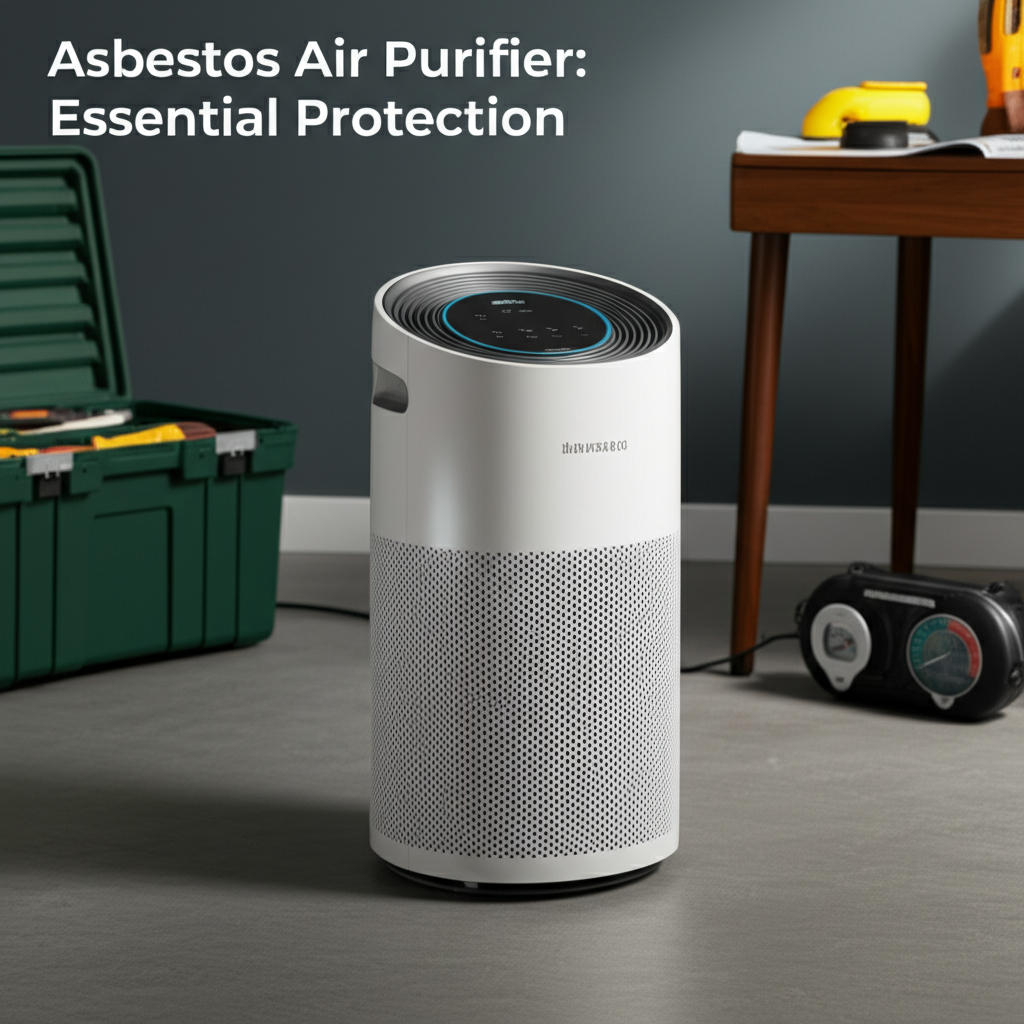
An asbestos air purifier is crucial for homes with potential asbestos exposure, filtering out microscopic fibers that pose severe health risks. This guide explores why these purifiers are vital and how they offer essential protection for your family’s well-being.
Asbestos, once a popular building material, poses a silent threat to homeowners today. Its microscopic fibers, when disturbed, can become airborne and inhaled, leading to serious respiratory illnesses like mesothelioma and asbestosis. While professional asbestos removal is the ultimate solution, an asbestos air purifier can offer an immediate layer of protection. This guide will walk you through why an asbestos air purifier is essential, how it works, and what to look for.
Why You Might Need an Asbestos Air Purifier
Discovering potential asbestos in your home can be unnerving, but understanding the risks is the first step toward safeguarding your family. Even small renovations or disturbances can release these dangerous fibers into the air you breathe daily.
Asbestos fibers are incredibly small and lightweight, allowing them to remain suspended in the air for extended periods. Inhaling these fibers can lead to severe and often fatal diseases years after exposure. Therefore, proactive measures are essential for protecting your household’s health.
Understanding Asbestos and Its Risks
Asbestos is a naturally occurring mineral known for its heat and fire resistance. It was widely used in construction materials like insulation, flooring, and roofing until its severe health risks became undeniable. The danger lies in its fibrous nature; when disturbed, these fibers can break off and become airborne.
The primary health concern associated with asbestos exposure is the development of serious lung diseases. This includes asbestosis, a chronic lung condition that causes scarring, and various forms of cancer, most notably mesothelioma, a rare but aggressive cancer of the lining of the lungs, abdomen, or heart. These conditions often have a long latency period, meaning symptoms may not appear for decades after initial exposure.
When to Be Concerned About Asbestos
Homes built before the 1980s are more likely to contain asbestos-containing materials (ACMs). Common culprits include textured paints, insulation around pipes and furnaces, vinyl floor tiles, and roofing shingles. Disturbing these materials during renovations, repairs, or even due to natural wear and tear can release asbestos fibers.
Any indication of damage to suspected ACMs, such as crumbling insulation or peeling floor tiles, should raise a red flag. If you are planning any home improvement projects, especially those involving demolition or sanding, it’s crucial to consider the possibility of asbestos presence. Professional testing is the only way to confirm asbestos. Learn more about asbestos testing from the Environmental Protection Agency (EPA).
How an Asbestos Air Purifier Works
An asbestos air purifier is designed to capture microscopic airborne particles, including asbestos fibers, offering a vital layer of defense. Understanding its filtration technology helps appreciate its protective capabilities.
These devices utilize advanced filtration systems to trap even the smallest hazardous particles from your indoor air. By continuously circulating and cleaning the air, they significantly reduce the concentration of airborne asbestos fibers, contributing to a safer living environment.
The Role of HEPA Filters
The most critical component of an asbestos air purifier is its High-Efficiency Particulate Air (HEPA) filter. A true HEPA filter is certified to capture at least 99.97% of airborne particles as small as 0.3 microns. Asbestos fibers, while varying in size, often fall within this range or are even smaller, making HEPA filtration highly effective.
These filters work by forcing air through a fine mesh that traps particles. The dense weave of a HEPA filter physically obstructs the passage of these minuscule fibers, preventing them from recirculating back into your living space. Regular replacement of HEPA filters is essential to maintain optimal performance.
Additional Filtration Layers
Beyond HEPA filters, many high-quality asbestos air purifiers incorporate additional filtration layers for enhanced air cleaning. These can include pre-filters to capture larger particles like dust and pet dander, extending the life of the HEPA filter. Activated carbon filters are also common, effectively absorbing odors, gases, and volatile organic compounds (VOCs).
While activated carbon is not primarily for asbestos, it contributes to overall indoor air quality. For asbestos protection, the HEPA filter remains the star player, but these supplementary filters ensure a more comprehensive approach to purifying your home’s air. This multi-stage approach is key to maximizing protection.
Choosing the Right Asbestos Air Purifier
Selecting the appropriate asbestos air purifier involves considering several factors to ensure it meets your specific needs and provides effective protection. It’s not a one-size-fits-all solution.
Focus on units with certified HEPA filters and adequate coverage for your room size. Understanding the specifications and features will help you make an informed decision for your home’s safety.
Key Features to Look For
When shopping for an asbestos air purifier, prioritize models that explicitly state they are equipped with a true HEPA filter. Look for certifications from reputable organizations, such as the Association of Home Appliance Manufacturers (AHAM), which verifies performance metrics like CADR (Clean Air Delivery Rate). A higher CADR indicates faster air cleaning.
Consider the air purifier’s coverage area (square footage) and ensure it’s suitable for the room you intend to use it in. Features like multiple fan speeds, a quiet night mode, and filter replacement indicators can enhance usability and maintenance. Some units may also offer advanced sensors that monitor air quality and adjust fan speed automatically.
Coverage Area and Room Size
The effectiveness of an air purifier is directly tied to its ability to process the air in a given space. Manufacturers typically provide a recommended room size or CADR rating for different pollutants. For asbestos protection, it’s often advisable to choose an air purifier rated for a slightly larger room than you intend to use it in.
This ensures the unit can cycle the air multiple times per hour, providing more thorough filtration. For instance, if you have a 200-square-foot room, consider a purifier designed for up to 300 square feet. This oversizing strategy maximizes the chances of capturing airborne asbestos fibers effectively. Always check the specifications carefully.
Placement and Maintenance for Optimal Protection
The effectiveness of your asbestos air purifier hinges on proper placement and diligent maintenance. Even the best unit won’t perform optimally if not set up and cared for correctly.
Positioning the unit where it can freely circulate air and regularly replacing filters are crucial steps. Following these guidelines ensures continuous protection against airborne asbestos fibers.
Where to Place Your Air Purifier
For maximum effectiveness, place your asbestos air purifier in the room where you spend the most time or where exposure is most likely. This could be a bedroom, living room, or even near areas where renovations are occurring (if safe to do so). Ensure there’s at least a foot of clearance around the unit to allow for unobstructed airflow.
Avoid placing the air purifier directly against walls or furniture, as this can impede its ability to draw in and expel air efficiently. If you have multiple areas of concern, consider using more than one unit or a larger one that can cover a wider space. Optimal placement is key to capturing those insidious fibers.
Filter Replacement Schedule
HEPA filters have a finite lifespan and become less effective as they become clogged with trapped particles. It is essential to adhere to the manufacturer’s recommended filter replacement schedule, which is typically every 6 to 12 months, depending on usage and air quality.
Ignoring filter replacement can lead to reduced airflow, decreased purification efficiency, and even potential strain on the motor. Some air purifiers have indicator lights to remind you when it’s time for a change. Keeping a spare filter on hand ensures you can replace it promptly when needed. This is a non-negotiable part of maintaining your asbestos air purifier’s efficacy.
Limitations of Asbestos Air Purifiers
While an asbestos air purifier offers significant benefits, it’s important to understand its limitations. It is a supplementary tool, not a complete solution for asbestos abatement.
An air purifier cannot remove asbestos from building materials or prevent its release. Its role is to capture fibers that have already become airborne.
Air Purifiers vs. Asbestos Removal
It’s crucial to understand that an asbestos air purifier is not a substitute for professional asbestos testing and abatement. If you suspect asbestos is present in your home, the safest course of action is to consult with certified asbestos professionals. They can identify, test, and safely remove or encapsulate the asbestos-containing materials.
Air purifiers work by filtering the air, meaning they only address fibers that have already been released. They do not address the source of the asbestos material itself. For comprehensive safety, professional assessment and remediation are paramount. You can find certified professionals through resources like the National Association of Environmental Professionals (NAEP).
When to Seek Professional Help
You should always seek professional help if you suspect asbestos is present and it has been disturbed, or if you plan to undertake renovations that may disturb suspect materials. Signs of potential asbestos issues include crumbling or damaged materials, dust or debris that might contain asbestos fibers, or if you’re planning significant structural work.
Professionals have the training, equipment, and expertise to handle asbestos safely. They can perform air sampling to assess the level of airborne fibers and recommend the most appropriate course of action. Relying solely on an air purifier in these situations would be insufficient and potentially dangerous. Prioritize professional guidance for serious concerns.
A Comprehensive Approach to Asbestos Safety
Protecting your home from asbestos requires a multi-faceted strategy. An asbestos air purifier is a valuable component, but it works best as part of a broader safety plan.
By combining professional assessment, careful management of suspect materials, and effective air purification, you can create a significantly safer living environment for your family. This holistic approach addresses both the source and the airborne threat.
Creating a Safe Home Environment
Beyond air purifiers, minimizing the risk of asbestos exposure involves being vigilant about potential sources. If you have suspect materials, avoid disturbing them. This means refraining from sanding, drilling, or scraping them.
Keep these areas clean using wet cleaning methods or a HEPA-filtered vacuum cleaner, as dry sweeping can stir up fibers. Regular visual inspections for damage are also important. Educating yourself and your household about asbestos risks empowers everyone to contribute to a safer home.
The Role of Air Quality Monitoring
For those particularly concerned about airborne contaminants, consider investing in an indoor air quality monitor. While standard monitors may not specifically detect asbestos fibers (as it requires specialized lab analysis), they can detect other harmful particles and VOCs, giving you a broader picture of your home’s air health.
Some advanced monitors can indicate the presence of fine particulate matter (PM2.5), which can be an indicator of disturbed materials. Combining data from an air quality monitor with the diligent use of your asbestos air purifier provides a more informed approach to maintaining a healthy indoor environment. This provides peace of mind and actionable data.
Frequently Asked Questions (FAQ)
What is the smallest particle an asbestos air purifier can capture?
A true HEPA filter, essential for an asbestos air purifier, is certified to capture at least 99.97% of airborne particles down to 0.3 microns. Many asbestos fibers are within or even smaller than this size range, making HEPA filtration highly effective.
Can an air purifier eliminate asbestos from my home?
No, an air purifier cannot eliminate asbestos from your home. It works by filtering out airborne fibers that have already been released into the air. It does not remove asbestos from building materials.
How often should I replace the HEPA filter in an asbestos air purifier?
You should replace the HEPA filter according to the manufacturer’s recommendations, typically every 6 to 12 months. This frequency can vary based on usage and the level of airborne particles in your home.
Is it safe to run an air purifier in a room with known asbestos?
If asbestos has been disturbed and fibers are airborne, running an air purifier can help reduce the concentration of these fibers. However, it is not a substitute for professional asbestos abatement, which addresses the source of the material.
What’s the difference between a regular air purifier and one for asbestos?
The primary difference is the emphasis on a true HEPA filter with a high capture rate for very small particles. While many regular air purifiers use HEPA filters, units specifically marketed for asbestos protection often ensure the highest standard of HEPA filtration and robust construction.
Should I test my air for asbestos if I have an air purifier?
If you suspect asbestos in your home, especially if it’s disturbed or you’re planning renovations, professional air testing is recommended regardless of whether you use an air purifier. An air purifier is a protective measure, not a diagnostic tool.
Conclusion
An asbestos air purifier is an indispensable tool for enhancing protection in homes where asbestos exposure is a concern. By effectively capturing microscopic airborne fibers, these devices significantly contribute to improving indoor air quality and safeguarding your family’s respiratory health.
Remember, while an asbestos air purifier offers vital supplementary protection, it is not a replacement for professional asbestos inspection and abatement. Combining diligent air purification with professional guidance ensures the most comprehensive approach to creating a safe and healthy living environment. Invest in peace of mind and protect your loved ones from the invisible threat of asbestos today.
