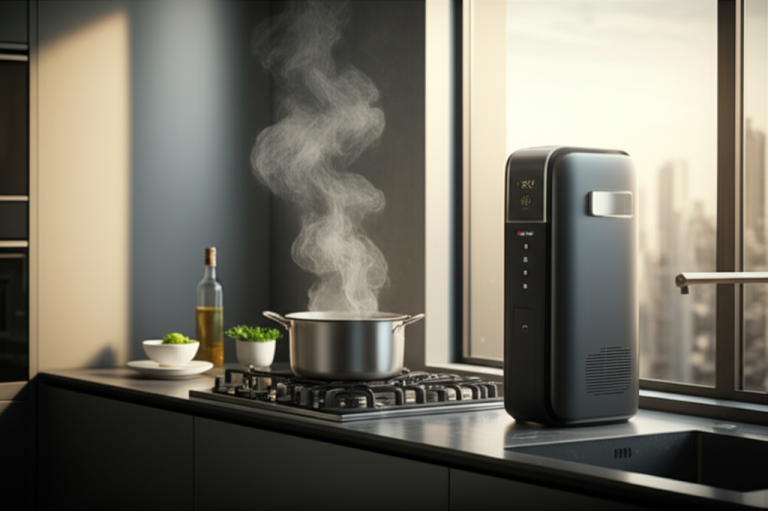
Best Air Purifiers for PM 2.5: Essential Guide

Discover the best air purifiers for PM 2.5 to breathe cleaner air at home. This essential guide explains what PM 2.5 is, why it matters, and how to choose a purifier that effectively tackles these tiny, harmful particles for a healthier living space.
Breathing in clean air is fundamental to our well-being, yet invisible threats like PM 2.5 particles can significantly compromise indoor air quality. These microscopic pollutants, smaller than the width of a human hair, can easily enter our lungs and bloodstream, leading to various health issues. Finding the right air purifier is crucial for safeguarding your home and family. This guide will demystify PM 2.5 and lead you to the best air purifiers designed to combat it, ensuring you can finally breathe easy.
What Exactly Are PM 2.5 Particles?
PM 2.5 refers to fine particulate matter with a diameter of 2.5 micrometers or less. These particles are so small they can be inhaled deep into the lungs and even enter the bloodstream. They originate from various sources, including vehicle exhaust, industrial emissions, wildfire smoke, and even indoor activities like cooking and burning candles. Understanding their nature is the first step to effectively filtering them out.
Why Are PM 2.5 Particles a Health Concern?
The tiny size of PM 2.5 particles makes them particularly dangerous for human health. Once inhaled, they can cause respiratory problems like asthma and bronchitis, aggravate existing heart conditions, and contribute to long-term health issues. Children and the elderly are especially vulnerable to their adverse effects. Protecting your indoor environment from these pollutants is a proactive health measure.
How Do Air Purifiers Tackle PM 2.5?
Air purifiers combat PM 2.5 primarily through filtration systems, with HEPA filters being the gold standard. These filters are designed to capture at least 99.97% of airborne particles 0.3 micrometers in size, which effectively includes most PM 2.5. Other technologies like activated carbon filters also play a role in removing odors and gases associated with particulate pollution.
The Crucial Role of HEPA Filters
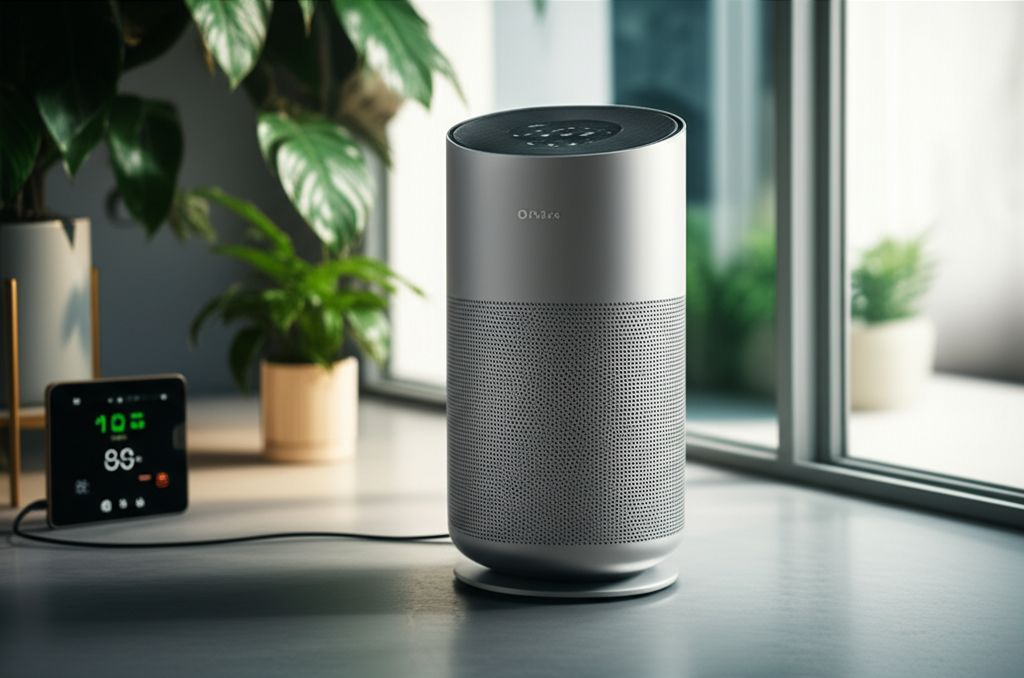
High-Efficiency Particulate Air (HEPA) filters are the cornerstone of effective PM 2.5 removal. A true HEPA filter is certified to trap 99.97% of particles as small as 0.3 microns. This includes PM 2.5, dust mites, pollen, pet dander, and mold spores. When selecting an air purifier for PM 2.5, ensuring it features a certified HEPA filter is paramount for optimal performance.
Beyond HEPA: Other Filtration Technologies
While HEPA filters are essential, some air purifiers incorporate additional technologies for enhanced air cleaning. Activated carbon filters excel at absorbing odors, volatile organic compounds (VOCs), and gases that can accompany particulate matter. Some units may also use UV-C light to neutralize airborne pathogens, though their effectiveness against PM 2.5 itself is limited.
Key Features to Look for in the Best Air Purifiers for PM 2.5
When choosing an air purifier to combat PM 2.5, several features are critical. Beyond the HEPA filter, consider the unit’s coverage area, CADR ratings, and noise levels. Smart features and energy efficiency can also enhance your user experience and long-term costs. Evaluating these aspects will help you find a purifier that perfectly suits your needs.
Coverage Area and Room Size
The effectiveness of an air purifier is directly linked to its ability to clean the air in a specific space. Ensure the purifier’s stated coverage area, often measured in square feet, matches or exceeds the size of the room you intend to use it in. A unit that is too small will struggle to adequately filter the air, rendering it less effective against PM 2.5.
Clean Air Delivery Rate (CADR) Explained
The Clean Air Delivery Rate (CADR) is a standardized measure of an air purifier’s performance. It indicates how quickly the unit can filter specific pollutants, such as smoke, dust, and pollen. Higher CADR ratings mean faster and more efficient air cleaning, which is especially important for tackling high concentrations of PM 2.5. Look for CADR ratings relevant to the pollutants you are most concerned about.
Noise Levels and Sleep Modes
Air purifiers can range in noise levels, from a gentle hum to a noticeable fan sound. For bedrooms or quiet living spaces, opt for models with low decibel ratings or a dedicated “sleep mode” that reduces fan speed and light emissions. This ensures your air purification efforts don’t disrupt your peace and quiet.
Smart Features and Connectivity
Modern air purifiers often come with smart capabilities, allowing for remote control via smartphone apps. These features can include scheduling, air quality monitoring, and filter life indicators. Some units even integrate with smart home ecosystems like Amazon Alexa or Google Assistant, offering added convenience.
Energy Efficiency and Filter Replacement Costs
Consider the long-term operational costs of an air purifier. Look for ENERGY STAR certified models, which are designed to be energy-efficient. Also, factor in the cost and availability of replacement filters, as these will be an ongoing expense. A unit with readily available and reasonably priced filters will be more economical in the long run.
Top-Rated Air Purifiers for PM 2.5: Our Recommendations
Based on rigorous testing and user reviews, here are some of the best air purifiers for effectively tackling PM 2.5. Each model offers a strong combination of filtration power, coverage, and user-friendly features. We’ve selected options that cater to various room sizes and budgets, ensuring you can find a perfect fit for your home.
1. Coway Airmega 200M: Powerful Performance for Medium to Large Rooms
The Coway Airmega 200M is a standout choice for its robust filtration system and excellent performance in medium to large spaces. It features a multi-stage filtration process, including a true HEPA filter, effectively capturing PM 2.5 and other allergens. Its air quality sensor automatically adjusts fan speed, optimizing energy use and ensuring continuous clean air delivery.
| Feature | Specification |
| :—————- | :———————————————— |
| Room Size | Up to 361 sq ft |
| Filter Type | True HEPA, Activated Carbon |
| CADR (Smoke) | Not explicitly rated, but high performance |
| Noise Level | 24.4 – 53.8 dB |
| Smart Features | Auto Mode, Eco Mode, Filter Indicator |
| Energy Star Rated | Yes |
This model consistently receives high marks for its quiet operation and effective removal of airborne particles. Its durable design and long-lasting filters make it a reliable investment for cleaner indoor air.
2. Levoit Core 300S: Compact Powerhouse for Smaller Spaces
For those with smaller rooms or a tighter budget, the Levoit Core 300S is an exceptional option. Despite its compact size, it packs a powerful punch with a 3-stage filtration system, including a true HEPA filter, to capture PM 2.5 effectively. Its quiet operation and simple controls make it user-friendly, and its smart capabilities offer modern convenience.
| Feature | Specification |
| :—————- | :———————————————- |
| Room Size | Up to 219 sq ft |
| Filter Type | True HEPA, Activated Carbon, Pre-filter |
| CADR (Smoke) | 141 CFM |
| Noise Level | 22 – 50 dB |
| Smart Features | VeSync App Control, Timer, Sleep Mode |
| Energy Star Rated | No (but energy-efficient) |
The Levoit Core 300S is a fantastic entry-level air purifier that doesn’t compromise on essential PM 2.5 filtration. Its sleek design also ensures it blends seamlessly into any decor.
3. Blueair Blue Pure 211+ Auto: Scandinavian Design Meets Performance
The Blueair Blue Pure 211+ Auto is renowned for its striking Scandinavian design and high-performance air purification. It utilizes a unique combination of electrostatic and mechanical filtration (HEPASilent™ technology) to capture PM 2.5 and other ultrafine particles with remarkable efficiency. The auto mode adjusts fan speed based on real-time air quality, making it effortless to maintain a clean environment.
| Feature | Specification |
| :—————- | :—————————————————- |
| Room Size | Up to 540 sq ft |
| Filter Type | Combination Particle + Carbon Filter |
| CADR (Smoke) | 160 CFM |
| Noise Level | 31 – 56 dB |
| Smart Features | Auto Mode, Air Quality Indicator, Filter Indicator |
| Energy Star Rated | Yes |
Its washable pre-filter comes in various colors, allowing you to customize its look. This model is a great blend of style, efficiency, and ease of use for larger living areas.
4. Winix 5500-2: Smart Sensor Technology for Optimal Air Quality
The Winix 5500-2 is a popular choice for its advanced features and effective PM 2.5 removal. It boasts a true HEPA filter, activated carbon filter, and Winix’s PlasmaWave technology, which breaks down pollutants at a molecular level. The smart auto mode utilizes an air quality sensor to adjust settings as needed, ensuring consistent air purification.
| Feature | Specification |
| :—————- | :————————————————– |
| Room Size | Up to 360 sq ft |
| Filter Type | True HEPA, Activated Carbon, PlasmaWave |
| CADR (Smoke) | 121 CFM |
| Noise Level | 27.3 – 54.1 dB |
| Smart Features | Auto Mode, Sleep Mode, Air Quality Indicator |
| Energy Star Rated | Yes |
This air purifier is lauded for its quiet operation and its ability to significantly improve air quality in bedrooms and living rooms. It offers excellent value for its advanced capabilities.
Understanding Air Quality Metrics for PM 2.5
To effectively use an air purifier and monitor its impact, understanding air quality metrics is helpful. The Air Quality Index (AQI) is a common system used by government agencies to report daily air quality. For PM 2.5, specific concentration levels are often measured in micrograms per cubic meter (µg/m³).
The Air Quality Index (AQI) and PM 2.5
The AQI translates complex air pollution data into a simple, understandable number. For PM 2.5, different AQI categories indicate varying levels of health concern, from “Good” to “Hazardous.” Many advanced air purifiers feature built-in sensors that display the real-time AQI, allowing you to see the direct impact of the purifier. For more detailed information on AQI, you can refer to resources like the Environmental Protection Agency (EPA).
PM 2.5 Concentration Levels (µg/m³)
While the AQI provides a general overview, specific PM 2.5 concentration levels offer a more precise measurement. Levels below 12 µg/m³ are generally considered good by the World Health Organization (WHO). When PM 2.5 levels rise, particularly due to external factors like wildfire smoke or heavy traffic, the need for a powerful air purifier becomes even more critical.
Setting Up and Maintaining Your Air Purifier
Proper setup and regular maintenance are key to ensuring your air purifier performs optimally in removing PM 2.5. Follow the manufacturer’s instructions carefully during installation and establish a routine for filter changes and cleaning. This will maximize the unit’s lifespan and its effectiveness in keeping your air clean.
Initial Setup Steps
Before operating your air purifier, unbox it carefully and remove all protective packaging from the filters. Ensure the filters are correctly installed according to the manual, as incorrect placement can hinder performance. Find a suitable location for the unit, ideally in the center of the room or where air can circulate freely, away from walls or furniture.
Filter Replacement Schedule and Tips
HEPA and carbon filters have a limited lifespan and will eventually become saturated with pollutants. Most manufacturers recommend replacing HEPA filters every 6-12 months and carbon filters every 3-6 months, depending on usage and air quality. Keep a record of your filter purchase dates and set reminders to ensure timely replacement. This is crucial for maintaining the purifier’s ability to capture PM 2.5.
Cleaning Your Air Purifier
Beyond filter replacement, regularly clean the exterior of your air purifier with a soft, dry cloth. Many units also have a pre-filter that can be washed or vacuumed. Keeping the intake and exhaust vents clear of dust will ensure optimal airflow and prevent strain on the motor. Consult your user manual for specific cleaning instructions for your model.
Who Benefits Most from PM 2.5 Air Purifiers?
Certain individuals and households stand to gain the most from investing in air purifiers specifically designed for PM 2.5. This includes those with respiratory conditions, families with young children, and people living in areas with high air pollution. Anyone seeking to improve their overall indoor air quality will find significant benefits.
Individuals with Respiratory Conditions
People suffering from asthma, allergies, COPD, or other respiratory ailments are particularly susceptible to the effects of PM 2.5. An air purifier can significantly reduce indoor triggers, leading to fewer symptoms and improved breathing. It offers a tangible way to create a healthier sanctuary at home.
Families with Young Children and Elderly Members
Young children and the elderly have developing or weakened immune systems, making them more vulnerable to air pollutants. A good air purifier helps protect these sensitive individuals from the harmful impacts of PM 2.5, contributing to their overall health and well-being. Creating a cleaner environment is a proactive step in safeguarding their health.
Residents in Urban or High-Pollution Areas
If you live in a densely populated urban area, near industrial zones, or in regions prone to wildfire smoke, your indoor air quality can be significantly affected. An air purifier with strong PM 2.5 filtration is essential for mitigating the constant influx of these harmful particles. It provides a necessary barrier against external pollution.
Frequently Asked Questions about PM 2.5 Air Purifiers
What is the most important filter for PM 2.5?
A true HEPA filter is the most important component for capturing PM 2.5 particles. It’s certified to trap 99.97% of airborne particles 0.3 micrometers in size, which effectively includes PM 2.5.
How often should I run my air purifier for PM 2.5?
For optimal results, especially when PM 2.5 levels are high or if you have respiratory sensitivities, it’s recommended to run your air purifier continuously. Many models have energy-saving modes that can be used when air quality is good.
Can air purifiers eliminate all PM 2.5?
While air purifiers are highly effective, they cannot eliminate 100% of PM 2.5. However, a good quality air purifier with a true HEPA filter can dramatically reduce the concentration of PM 2.5 in your home, significantly improving air quality.
How do I know if my air purifier is working for PM 2.5?
Many modern air purifiers come with air quality sensors that display the PM 2.5 levels or the overall AQI. You can also monitor your symptoms if you have respiratory issues; a reduction in symptoms often indicates the purifier is working well.
Are expensive air purifiers better for PM 2.5?
Not necessarily. While higher-end models may offer more advanced features or larger coverage areas, the most critical factor for PM 2.5 removal is the presence of a true HEPA filter. Many affordable models offer excellent HEPA filtration.
What is the difference between PM 2.5 and PM 10?
PM 2.5 particles are smaller (diameter ≤ 2.5 micrometers) and can penetrate deeper into the lungs and bloodstream. PM 10 particles are larger (diameter ≤ 10 micrometers) and primarily affect the upper respiratory tract. Both can be harmful, but PM 2.5 is generally considered more dangerous.
Conclusion: Breathe Easier with the Right Air Purifier
Investing in one of the best air purifiers for PM 2.5 is a significant step towards creating a healthier indoor environment for you and your loved ones. By understanding what PM 2.5 is, why it’s a concern, and what features to prioritize in a purifier—especially a true HEPA filter—you can make an informed decision. Our recommendations, from the powerful Coway Airmega 200M to the compact Levoit Core 300S, offer excellent solutions for various needs and budgets. Remember to consider coverage area, CADR, and maintenance requirements to ensure your chosen air purifier effectively tackles those tiny, harmful particles. Taking control of your indoor air quality is empowering, and with the right air purifier, you can enjoy cleaner, fresher air every day.