
Best Air Purifiers For Office: Essential Guide

Best Air Purifiers for Office: Your Essential Guide to a Healthier Workspace
Breathe easier in your office with our guide to the best air purifiers for office spaces. We explore essential features, top picks, and expert advice to help you choose a unit that effectively tackles common office pollutants, enhancing productivity and well-being.
The office environment, while a hub of collaboration and productivity, can often harbor a surprising number of airborne irritants. From lingering stale air and VOCs off-gassed by furniture and cleaning products to dust, allergens, and even viruses, the air we breathe at work can significantly impact our health and focus. Finding the right solution is crucial, and that’s where the best air purifiers for office settings come into play, offering a breath of fresh air for everyone.
Why an Air Purifier is Essential for Your Office
An office air purifier is more than just an appliance; it’s a vital tool for creating a healthier and more productive workspace. These devices actively remove pollutants from the air, mitigating common office ailments and fostering a better environment for concentration and overall well-being.
The Invisible Threats in Office Air
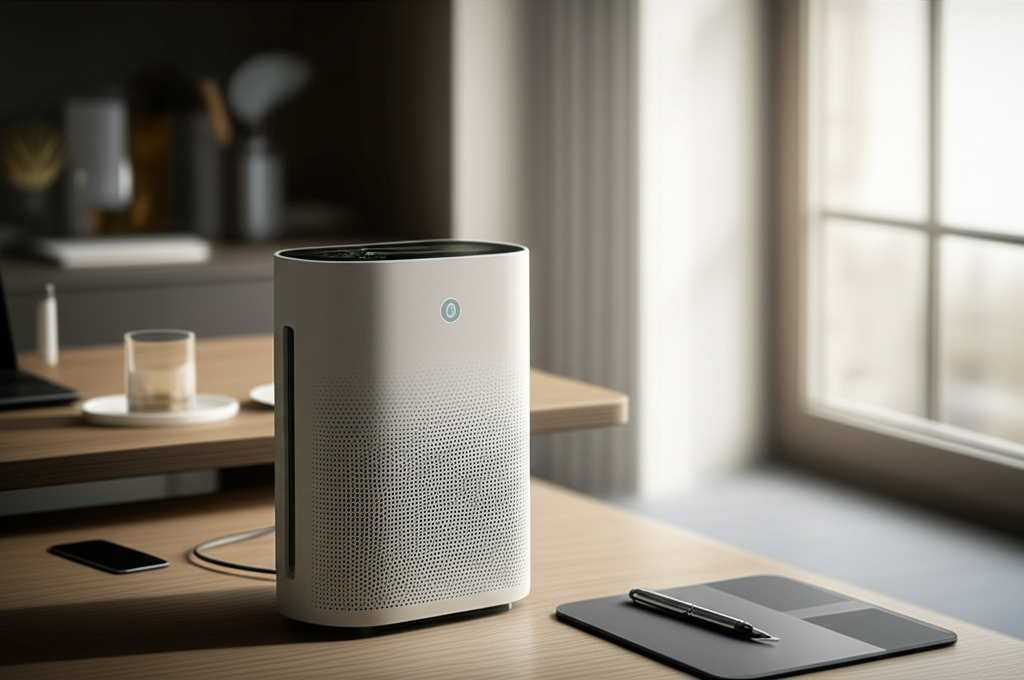
Office spaces can accumulate a variety of airborne contaminants that often go unnoticed. These include dust mites, pet dander (especially if pets visit or employees bring them in), mold spores from damp areas, pollen tracked in from outside, and volatile organic compounds (VOCs) emitted from printers, carpets, and cleaning supplies. These can trigger allergies, asthma, and general discomfort.
Boosting Productivity and Focus
Clean air directly correlates with cognitive function. When your brain receives adequate oxygen and is free from the distraction of allergens and irritants, your ability to concentrate, solve problems, and maintain energy levels improves. A good air purifier can make a tangible difference in daily work performance.
Reducing Sick Days and Improving Morale
By reducing the spread of airborne viruses and bacteria, an air purifier can help minimize the number of sick days taken by employees. A healthier workforce is a happier and more engaged workforce, leading to better overall morale and a more positive company culture.
Key Features to Look For in Office Air Purifiers
Selecting the right air purifier involves understanding the technology and features that best suit an office environment. Not all purifiers are created equal, and prioritizing specific capabilities will ensure you get the most effective unit for your needs.
HEPA Filtration: The Gold Standard
True HEPA (High-Efficiency Particulate Air) filters are designed to capture at least 99.97% of airborne particles as small as 0.3 microns. This includes dust, pollen, pet dander, mold spores, and even some bacteria and viruses. For an office, this level of filtration is paramount.
Activated Carbon Filters for Odors and VOCs
While HEPA filters excel at capturing particles, activated carbon filters are crucial for absorbing gases, odors, and VOCs. Common office sources like printers, cleaning products, and even stale air can be effectively neutralized by a robust carbon filter, ensuring a fresh-smelling and healthier environment.
CADR: Measuring Performance
Clean Air Delivery Rate (CADR) indicates how quickly an air purifier can clean a room of specific pollutants. Higher CADR ratings mean faster purification. Look for CADR ratings that are appropriate for the square footage of your office space. Organizations like AHAM (Association of Home Appliance Manufacturers) provide valuable information on CADR and air purifier performance.
Noise Levels: A Critical Consideration
In an office setting, noise can be a significant distraction. Look for purifiers with low decibel (dB) ratings, especially when operating on lower fan speeds. Many models offer a “sleep mode” or quiet operation settings that are ideal for work environments.
Coverage Area and Room Size
It’s essential to choose an air purifier rated for the size of your office. Manufacturers typically provide a recommended room size or CADR for specific areas. An undersized unit will struggle to purify the air effectively, while an oversized one might be unnecessarily expensive and noisy.
Energy Efficiency and Maintenance Costs
Consider the long-term costs associated with running an air purifier. Look for Energy Star certified models, which consume less electricity. Also, factor in the cost and frequency of replacing filters, as this is an ongoing expense.
Top Air Purifier Recommendations for Office Use
Based on performance, features, and suitability for shared workspaces, here are some of the best air purifiers for office environments. I’ve chosen models that balance effectiveness with user-friendly design and reasonable noise levels.
1. Coway Airmega 200M: Versatile and Effective
The Coway Airmega 200M is a popular choice for its robust multi-stage filtration system, including a True HEPA filter and an activated carbon filter. It’s designed for medium to large rooms and features an eco-mode that adjusts fan speed based on air quality, saving energy. Its coverage area is substantial, making it suitable for many office layouts.
Pros: Excellent filtration, energy-efficient eco-mode, quiet operation on lower settings, good coverage area.
Cons: Filter replacement can be a recurring cost, slightly larger footprint.
2. Levoit Core 300S: Compact Powerhouse
For smaller offices or individual workspaces, the Levoit Core 300S is an excellent option. This compact unit boasts a 3-stage filtration system, including a HEPA filter and a specialized high-efficiency activated carbon filter. It’s incredibly quiet, making it unobtrusive in a busy office.
Pros: Very quiet operation, compact design, affordable, effective for small spaces.
Cons: Limited coverage area for larger offices, may require more frequent filter changes in high-pollution environments.
3. Blueair Classic 480i: Smart and Powerful
The Blueair Classic 480i is a high-performance air purifier suitable for larger office spaces. It uses a unique combination of electrostatic and mechanical filtration (HEPASilent™ technology) to deliver high CADR ratings with remarkably low noise levels. Its smart features allow for remote control and air quality monitoring via a mobile app.
Pros: High CADR for large spaces, very quiet operation, smart connectivity, sleek design.
Cons: Higher initial cost, filter replacements are proprietary.
4. Winix 5500-2: All-Around Performer
The Winix 5500-2 is a well-regarded air purifier that offers a comprehensive filtration system, including a True HEPA filter, an activated carbon filter, and Winix’s PlasmaWave™ technology (which can be turned off if preferred). It’s effective for medium to large rooms and offers good value for its performance.
Pros: Effective multi-stage filtration, includes PlasmaWave technology, quiet operation, good value.
Cons: PlasmaWave technology may not be preferred by all users, filter replacements are necessary.
5. Honeywell HPA300: Reliable and Robust
The Honeywell HPA300 is a powerhouse designed for larger rooms, capable of purifying the air in an office space quickly and efficiently. It features a True HEPA filter and an activated carbon pre-filter to capture a wide range of pollutants and odors. It’s a reliable workhorse for busy offices.
Pros: Excellent for larger spaces, rapid air cleaning, robust build, effective filtration.
Cons: Can be a bit louder on higher settings, larger unit size.
Understanding Air Purifier Technologies
Beyond the basic filters, air purifiers employ various technologies to enhance their cleaning capabilities. Understanding these can help you make a more informed decision for your office.
HEPA vs. HEPA-Type Filters
It’s crucial to distinguish between True HEPA filters and “HEPA-type” or “HEPA-like” filters. True HEPA filters meet the strict standard of capturing 99.97% of particles 0.3 microns in size. HEPA-type filters may capture a similar percentage but often for larger particle sizes or with less efficiency. Always look for the “True HEPA” designation for optimal performance.
Activated Carbon: The Odor and Gas Neutralizer
Activated carbon is a highly porous material that adsorbs gases, odors, and VOCs. In air purifiers, it’s typically used in granular or powdered form. The more activated carbon a purifier contains, the more effective it will be at tackling smells from cooking, cleaning products, or even general stuffiness in an office.
Ionizers and UV-C Lights: Pros and Cons
Some air purifiers incorporate ionizers, which release negative ions to help particles clump together and fall out of the air, or UV-C light technology, which aims to kill airborne germs. While these can be supplementary, it’s important to note that ionizers can sometimes produce ozone, a lung irritant. Ensure any purifier with these features has certifications (like California Air Resources Board (CARB) approval) to ensure ozone levels are within safe limits.
Sizing Your Office Air Purifier Correctly
Choosing an air purifier that’s the right size for your office is fundamental to its effectiveness. An undersized unit will run constantly without achieving optimal air quality, while an oversized unit might be overkill and unnecessarily consume energy.
Calculating Your Office Square Footage
Measure the length and width of your office space and multiply them to get the square footage. For example, an office that is 10 feet by 12 feet has an area of 120 square feet. This measurement is key to selecting a purifier with an adequate CADR.
Understanding CADR and Room Size Recommendations
Manufacturers usually provide a recommended room size or a CADR rating for their units. A common guideline is that the CADR for smoke should be at least two-thirds of the room’s square footage. For instance, a 300-square-foot office would benefit from a purifier with a smoke CADR of at least 200.
Considering Air Changes Per Hour (ACH)
Air Changes Per Hour (ACH) refers to how many times the air purifier can circulate and filter the entire volume of air in a room within one hour. For general office use, aiming for 4-5 ACH is recommended. Some purifiers may offer higher ACH for faster cleaning or if the office has specific air quality concerns.
Placement and Maintenance for Optimal Performance
Once you’ve chosen the best air purifier for your office, proper placement and regular maintenance are crucial to ensure it functions at its peak efficiency. These steps will maximize its benefits and longevity.
Strategic Placement in the Office
Place your air purifier in a location where it can draw in air freely from all sides, avoiding corners or placement directly against walls. Placing it in a central location within the office, or near areas with higher pollutant concentration (like near printers or high-traffic zones), can improve its effectiveness.
Regular Filter Replacement Schedule
Air purifiers are only as good as their filters. HEPA and carbon filters have a limited lifespan and will become clogged with pollutants over time, reducing their effectiveness. Adhere to the manufacturer’s recommended replacement schedule, which typically ranges from 6 to 12 months, depending on usage and air quality.
Cleaning and General Care
Beyond filter replacement, periodically clean the exterior of the air purifier and the pre-filter (if it’s washable). This prevents dust buildup and ensures the unit operates smoothly. Always unplug the unit before cleaning.
When to Consider a Commercial-Grade Air Purifier
For larger office spaces, businesses with specific air quality challenges (like manufacturing or labs), or those prioritizing maximum air purification, a commercial-grade air purifier might be a worthwhile investment. These units are designed for higher capacity and more demanding environments.
Larger Offices and Open-Plan Workspaces
Commercial units are built to handle significantly larger square footage and higher air volumes than residential models. They often feature more powerful fans and larger, more robust filtration systems capable of maintaining clean air in expansive areas.
Specific Occupational Hazards
Certain industries or office types might deal with unique airborne contaminants. For example, a dental office might need to address aerosols, while a workshop might contend with fine dust or chemical fumes. Commercial purifiers can be selected with specialized filters to target these specific hazards.
Enhanced Durability and Longevity
Commercial-grade air purifiers are typically built with more durable materials and designed for continuous operation. They often come with longer warranties and are engineered for reliability in demanding work environments.
Frequently Asked Questions About Office Air Purifiers
Here are answers to some common questions I get asked about choosing and using air purifiers in an office setting.
Frequently Asked Questions
What is the most important feature in an office air purifier?
The most important features are True HEPA filtration for particles and an activated carbon filter for odors and VOCs. These address the most common office air pollutants effectively.
How often should I replace the filters in an office air purifier?
Filter replacement frequency varies by model and usage, but typically ranges from 6 to 12 months for HEPA and carbon filters. Always check your manufacturer’s recommendations.
Can an air purifier help with office allergies?
Yes, absolutely. By capturing allergens like dust, pollen, and pet dander, air purifiers can significantly reduce allergy symptoms for sensitive individuals in the office.
Are air purifiers noisy?
Modern air purifiers come with quiet operation modes, often measured in decibels (dB). Look for units with low dB ratings, especially for use in shared workspaces to minimize disruption.
Do air purifiers use a lot of electricity?
Energy efficiency varies. Look for Energy Star certified models, which are designed to be more power-efficient. The power consumption generally increases with the size and fan speed of the unit.
Should I turn off the air purifier at night?
It depends on your office usage. If the office is occupied 24/7 or you want continuous air cleaning, keep it on. If it’s only used during business hours, turning it off can save energy.
What is VOC and why is it important for office air purifiers?
VOC stands for Volatile Organic Compounds, which are gases emitted from many common office items like furniture, cleaning supplies, and electronics. Activated carbon filters in air purifiers are essential for removing these harmful and often odor-causing compounds.
Conclusion: Investing in Your Office’s Health
Choosing the best air purifiers for office spaces is a proactive step towards creating a healthier, more comfortable, and ultimately more productive work environment. By understanding the key features like True HEPA filtration, activated carbon, CADR, and noise levels, you can confidently select a unit that meets your specific needs. Whether you’re managing a small startup or a large corporation, investing in clean air is an investment in your employees’ well-being and your company’s success. Make the smart choice today and breathe easier tomorrow.
