Best Air Purifiers Allergies: Proven Relief

Breathe easier and reclaim your home from allergens with our guide to the best air purifiers for allergies. Discover proven relief through advanced filtration and smart features designed to tackle dust, pollen, pet dander, and more, creating a healthier indoor environment for allergy sufferers.
Best Air Purifiers for Allergies: Proven Relief for a Breath of Fresh Air
Living with allergies can make your own home feel like a battlefield. Sneezing, itchy eyes, and a constant stuffy nose can turn your sanctuary into a source of discomfort. Fortunately, the right air purifier can significantly reduce airborne allergens, offering much-needed relief. This guide will walk you through choosing the best air purifiers for allergies, ensuring you can finally breathe freely.
Why Air Purifiers are Essential for Allergy Sufferers
Air purifiers actively remove microscopic particles from your indoor air that trigger allergic reactions. These include common culprits like dust mites, pollen, pet dander, mold spores, and even smoke. By trapping these irritants, they prevent them from circulating and causing symptoms. Investing in a good air purifier is a proactive step towards managing your allergies effectively.
Understanding Allergy Triggers in Your Home
Your home environment can harbor a surprising number of allergens. Dust mites thrive in bedding and carpets, while pet dander is shed constantly by furry companions. Pollen can enter through open windows, and mold spores can grow in damp areas like bathrooms and kitchens. Identifying these triggers is the first step to combating them with an effective air purification strategy.
The Science Behind Air Purification: How They Work
Most effective air purifiers utilize a multi-stage filtration system to capture allergens. This typically includes a pre-filter for larger particles, a HEPA filter for microscopic irritants, and often an activated carbon filter for odors and gases. As air passes through these filters, allergens are trapped, leaving cleaner air to circulate back into your room. Understanding this process helps in selecting the right unit for your needs.
Key Features to Look for in the Best Air Purifiers for Allergies
When searching for the best air purifiers for allergies, several features are crucial. A true HEPA filter is non-negotiable, as it captures 99.97% of particles 0.3 microns in size. Consider the CADR (Clean Air Delivery Rate) to ensure it’s suitable for your room size. Noise levels, energy efficiency, and additional features like air quality sensors and smart connectivity also play a role.
HEPA Filtration: The Gold Standard for Allergy Relief
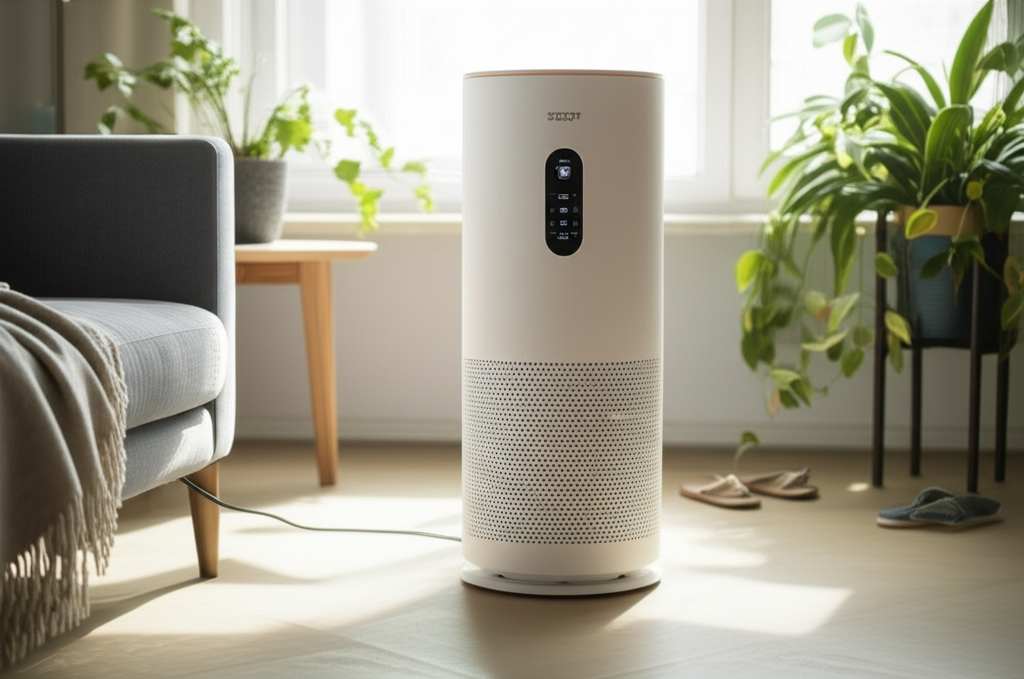
HEPA (High-Efficiency Particulate Air) filters are the cornerstone of any effective air purifier for allergies. These filters are designed to capture extremely small particles, including common allergens like pollen, pet dander, dust mites, and mold spores. Ensuring your chosen air purifier has a “true HEPA” filter guarantees a high level of particulate removal. This is the most critical component for allergy sufferers seeking proven relief.
Activated Carbon Filters: Tackling Odors and VOCs
Beyond allergens, many air purifiers include activated carbon filters. These filters are excellent at adsorbing odors from cooking, pets, and smoke, as well as volatile organic compounds (VOCs) released from cleaning products and furniture. While not directly targeting allergens, they contribute to a fresher, more pleasant indoor environment. This dual-action approach enhances overall air quality.
CADR and Room Size: Matching Power to Your Space
The Clean Air Delivery Rate (CADR) indicates how quickly an air purifier can clean a room of specific pollutants. Higher CADR ratings mean faster purification. It’s essential to match the purifier’s CADR to the size of your room for optimal performance. Manufacturers usually provide recommendations for room coverage, ensuring you select a unit powerful enough for your needs. Overlooking this can lead to ineffective purification.
Noise Levels and Sleep Modes: Ensuring Undisturbed Comfort
Air purifiers can sometimes be noisy, especially on higher settings. For bedrooms or quiet living spaces, look for models with low noise levels or a dedicated sleep mode. These modes typically reduce fan speed and dim indicator lights, allowing you to enjoy clean air without disruptive sounds. A peaceful night’s sleep is vital when managing allergy symptoms.
Additional Smart Features: Enhancing Convenience and Efficiency
Modern air purifiers often come with smart features that enhance convenience and efficiency. These can include automatic modes that adjust fan speed based on detected air quality, filter replacement indicators, and Wi-Fi connectivity for control via smartphone apps. Such features allow for seamless integration into your smart home and ensure the purifier is always operating optimally.
Top Picks: The Best Air Purifiers for Allergies in [Current Year]
Based on expert reviews and user satisfaction, several models stand out as the best air purifiers for allergies. These units offer robust HEPA filtration, effective allergen capture, and features tailored for allergy sufferers. We’ve researched extensively to bring you proven solutions for a cleaner, healthier home environment.
Coway Airmega AP-1512HH Mighty: A Powerful All-Rounder
The Coway Airmega AP-1512HH Mighty is frequently lauded for its excellent performance and value. It features a true HEPA filter, an activated carbon filter, and an advanced three-stage filtration system. Its intelligent auto mode and air quality indicator make it incredibly user-friendly, effectively tackling allergens and odors in medium to large rooms. Many users report significant relief from allergy symptoms after using this model.
Blueair Blue Pure 211+ Auto: Simplicity Meets Performance
For those seeking a straightforward yet highly effective solution, the Blueair Blue Pure 211+ Auto is a top contender. Its unique HEPASilent™ technology combines electrostatic and mechanical filtration to deliver exceptional air cleaning with minimal noise. The washable pre-filter comes in various colors, adding a stylish touch. It’s ideal for larger rooms and effectively captures dust, pollen, and pet dander.
Levoit Core 300S: A Smart and Compact Choice
The Levoit Core 300S offers impressive performance in a compact package, making it a great option for smaller rooms or bedrooms. It boasts a three-stage filtration system, including a true HEPA filter, and smart capabilities via the VeSync app. Its quiet operation and affordable price point make it a popular choice for allergy sufferers on a budget. This model proves that effective allergy relief can come in a small, smart device.
Honeywell HPA300: For Larger Spaces and Powerful Purification
The Honeywell HPA300 is a powerhouse designed for larger rooms, offering robust allergen capture. It features a true HEPA filter and a CADR that can handle significant air volume. Its three-stage filtration system effectively traps dust, pollen, pet dander, and even microscopic particles. Multiple speed settings and a filter change indicator add to its user-friendly design, making it a reliable choice for whole-room allergy control.
Comparing Top Air Purifiers for Allergies: A Quick Look
Here’s a comparative overview of some of the best air purifiers for allergies to help you make an informed decision.
| Model | Room Size (Sq. Ft.) | Filter Type | CADR (Smoke/Dust/Pollen) | Noise Level (dB) | Key Feature |
| :———————- | :—————— | :—————————————– | :———————– | :————— | :———————————— |
| Coway AP-1512HH Mighty | 361 | True HEPA, Activated Carbon, Pre-filter | 120/127/132 | 24-54 | Auto Mode, Air Quality Sensor |
| Blueair Blue Pure 211+ Auto | 540 | HEPASilent™, Washable Fabric Pre-filter | N/A (High Performance) | 31-56 | Large Room Coverage, Stylish Design |
| Levoit Core 300S | 219 | True HEPA, Activated Carbon, Pre-filter | 140/141/141 | 24-50 | Smart App Control, Compact Size |
| Honeywell HPA300 | 465 | True HEPA, Pre-filter | 200/230/246 | 32-53 | High CADR, Multiple Speed Settings |
This table highlights the key specifications to consider when selecting the best air purifiers for allergies for your specific needs.
Maximizing the Effectiveness of Your Air Purifier
To get the most out of your air purifier, proper placement and maintenance are key. Place the unit in the room where you spend the most time, ideally on a level surface away from walls or furniture that could obstruct airflow. Regularly clean or replace the filters according to the manufacturer’s instructions. This ensures consistent and effective allergen removal, providing continuous relief.
When to Consider a Professional Opinion
If your allergy symptoms are severe or persistent despite using an air purifier, it’s always wise to consult with an allergist or healthcare professional. They can help identify specific triggers and recommend a comprehensive treatment plan. An air purifier is a powerful tool, but it’s part of a broader strategy for managing allergies effectively.
Frequently Asked Questions About Air Purifiers for Allergies
What is the most important filter type for allergies?
The most important filter type for allergies is a true HEPA filter. It’s designed to capture at least 99.97% of airborne particles as small as 0.3 microns, including pollen, dust mites, pet dander, and mold spores.
How often should I replace the HEPA filter?
You should replace your HEPA filter typically every 6 to 12 months, depending on the model and the air quality in your home. Many purifiers have indicators to let you know when it’s time for a change.
Can air purifiers help with asthma symptoms?
Yes, air purifiers can help manage asthma symptoms by removing triggers like dust, pet dander, and smoke from the air. Cleaner air can lead to fewer asthma flare-ups.
Do air purifiers remove all allergens?
While best air purifiers for allergies with HEPA filters are highly effective at removing airborne allergens, they cannot remove all types of allergens. Allergens like those found in carpets or upholstery that aren’t actively circulating in the air may not be captured.
How large of a room can a typical air purifier cover?
The room coverage varies significantly by model. Always check the CADR (Clean Air Delivery Rate) and the manufacturer’s recommended room size to ensure the purifier is adequate for your space.
Should I run my air purifier all the time?
For maximum benefit, especially during allergy season or if you have pets, it’s recommended to run your air purifier continuously or for extended periods daily. Many models have energy-efficient modes for constant use.
Conclusion: Reclaim Your Health with Cleaner Air
Choosing the best air purifiers for allergies is a significant step towards creating a healthier and more comfortable living environment. By understanding the technology, key features, and selecting a model that suits your needs, you can effectively reduce airborne allergens and breathe easier. Invest in your well-being and enjoy a home free from the constant irritation of allergies.