Best Air Purifiers & Humidifiers: Essential Guide

Discover the best air purifiers and humidifiers to create a healthier, more comfortable home environment. This guide explains their benefits, how to choose the right models, and essential maintenance tips for optimal performance.
Are you struggling with dry air, allergens, or stale indoor smells? Many of us face these challenges, impacting our comfort and well-being. It can be frustrating trying to find the right solutions for a fresher, healthier living space. This guide will walk you through everything you need to know about the best air purifiers and humidifiers, making it simple to choose and use them effectively. Get ready to breathe easier and feel better at home.
Why Combine Air Purifiers and Humidifiers?
Combining the power of an air purifier and a humidifier offers a synergistic approach to improving indoor air quality and comfort. Air purifiers tackle airborne pollutants, while humidifiers add moisture to dry air, creating a balanced and healthier environment. This dual approach is particularly beneficial for those suffering from respiratory issues or living in climates with extreme air conditions. Together, they can significantly enhance your home’s atmosphere.
The Synergy of Clean and Moist Air
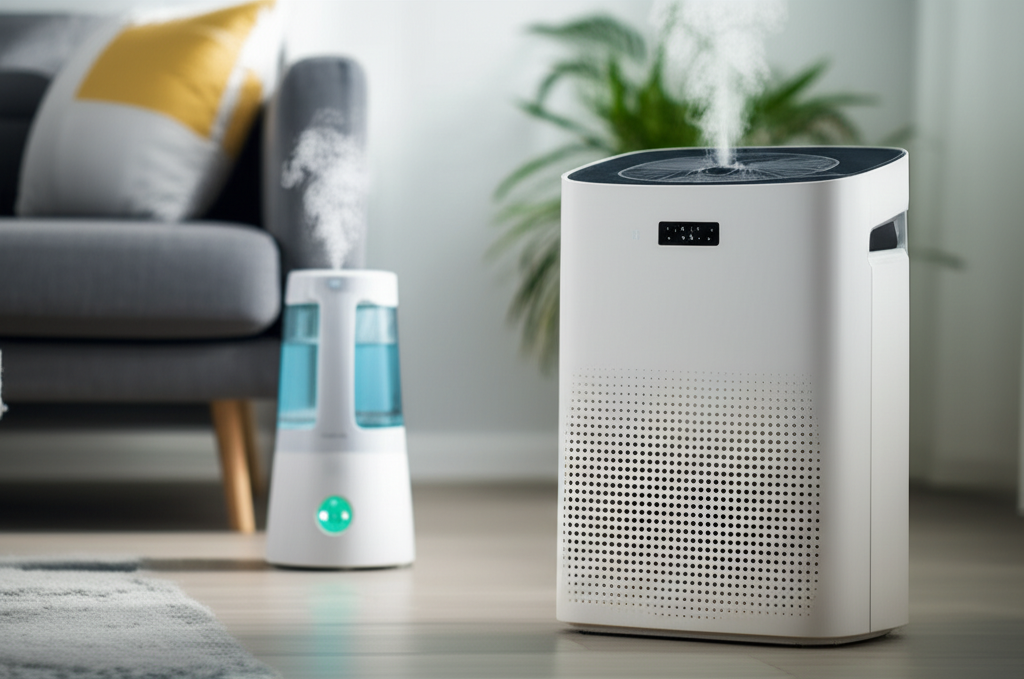
When used together, these devices complement each other perfectly. Purifiers remove dust, pollen, pet dander, and other allergens, while humidifiers combat the negative effects of dry air, such as irritated sinuses and dry skin. This creates a holistic solution for a more comfortable and healthier living space. It’s a smart strategy for anyone prioritizing indoor well-being.
Understanding Air Purifiers: Your Shield Against Pollutants
Air purifiers are designed to remove harmful particles from the air you breathe indoors. They employ various filtration technologies to capture everything from microscopic allergens to larger dust particles, significantly improving air quality. Investing in a good air purifier is a proactive step towards a healthier home environment, especially for those with allergies or asthma.
How Do Air Purifiers Work?
Air purifiers draw in room air and pass it through a series of filters. The most common and effective filter is the High-Efficiency Particulate Air (HEPA) filter, which captures at least 99.97% of airborne particles 0.3 microns in size. Other filters, like activated carbon, target odors and gases. Clean air is then released back into the room, reducing indoor pollution.
Key Features to Look For in an Air Purifier
When selecting an air purifier, consider several crucial features to ensure it meets your needs. Look for a true HEPA filter for maximum particle removal, an activated carbon filter for odor control, and an appropriate CADR (Clean Air Delivery Rate) for your room size. Energy efficiency and noise levels are also important factors for daily use.
True HEPA Filter: Essential for capturing fine particles like allergens and bacteria.
Activated Carbon Filter: Crucial for removing odors, smoke, and VOCs.
CADR Rating: Indicates how quickly the purifier can clean a room of a specific size.
Room Size Coverage: Ensure the unit is rated for the square footage of the space you intend to use it in.
Noise Level: Look for models with low decibel ratings, especially for bedrooms.
Energy Efficiency: Consider ENERGY STAR certified models to save on electricity bills.
Top Air Purifier Brands and Models
Several brands consistently deliver high-quality air purifiers. Levoit, Coway, and Blueair are popular choices known for their performance and reliability. Each offers models with different features and price points, catering to a wide range of consumer needs. Researching specific models within these brands can lead to excellent choices.
Understanding Humidifiers: Battling Dry Air
Humidifiers add moisture to the air, increasing the humidity level in your home. This is particularly beneficial during dry winter months or in arid climates, helping to alleviate dry skin, chapped lips, and respiratory discomfort. Maintaining optimal humidity levels can significantly improve your comfort and health. A good humidifier is a vital tool for a balanced indoor climate.
How Do Humidifiers Work?
Humidifiers work by releasing water vapor into the air. There are several types, including ultrasonic, evaporative, and steam humidifiers, each using a different method to achieve this. Ultrasonic models use high-frequency vibrations to create a cool mist, while evaporative ones use a fan to blow air through a wet wick. Steam humidifiers boil water to release warm mist.
Types of Humidifiers Explained
Choosing the right type of humidifier depends on your preferences and needs. Ultrasonic humidifiers are quiet and produce a cool mist, ideal for bedrooms. Evaporative humidifiers are generally more energy-efficient and self-regulating. Steam humidifiers can help kill bacteria in the water but pose a burn risk.
Ultrasonic Humidifiers: Quiet, cool mist, good for bedrooms.
Evaporative Humidifiers: Energy-efficient, self-regulating, can use a filter.
Steam Vaporizers: Boil water for warm mist, can help with congestion, potential burn risk.
Impeller Humidifiers: Cool mist, no heating element, generally safe for children.
Key Features to Look For in a Humidifier
When selecting a humidifier, several features can enhance its functionality and ease of use. Look for a large water tank capacity for longer operation, an adjustable mist output, and an automatic shut-off feature for safety. A built-in hygrometer to monitor humidity levels is also a valuable addition.
Tank Capacity: Larger tanks mean less frequent refilling.
Mist Output Control: Allows you to adjust the humidity level.
Automatic Shut-Off: Prevents damage and saves energy when the water runs out.
Hygrometer: Measures and displays the current humidity level.
Ease of Cleaning: Crucial for preventing mold and bacteria growth.
Quiet Operation: Important for use in living areas and bedrooms.
Top Humidifier Brands and Models
Popular humidifier brands include Honeywell, Crane, and Vicks, offering a range of models suitable for different room sizes and needs. These brands are recognized for their durability and user-friendly designs. Exploring their product lines can help you find a humidifier that perfectly fits your home.
The Best Air Purifiers & Humidifiers: Top Picks for 2024
Finding the perfect combination of an air purifier and humidifier can significantly enhance your home’s living environment. Based on performance, features, and user reviews, here are some of the best options available. These selections aim to address various needs, from large spaces to compact rooms, and from basic functionality to advanced features.
All-in-One Air Purifier and Humidifier Combos
While separate units are common, some manufacturers offer combined devices. These can save space and offer convenience, though they might not always match the performance of dedicated, high-end models for each function. However, for simplicity and integrated control, they are an excellent option.
Top-Rated Air Purifiers
Coway Airmega 200M: Known for its powerful filtration and excellent performance in medium to large rooms. It features a true HEPA filter and an activated carbon filter, effectively tackling pollutants and odors. Its user-friendly design and quiet operation make it a favorite.
Levoit Core 300S: A popular choice for smaller to medium rooms, offering a compact design and effective three-stage filtration (pre-filter, true HEPA, activated carbon). It’s quiet, energy-efficient, and often comes with smart features.
Blueair Blue Pure 411 Auto: Ideal for smaller spaces, this purifier is exceptionally quiet and energy-efficient. It uses a unique HEPASilent technology and has a washable fabric pre-filter, making maintenance simple.
Top-Rated Humidifiers
Honeywell HCM350W: An evaporative humidifier known for its large tank capacity and ability to run for extended periods. It uses a UV light to kill germs in the water, ensuring cleaner mist.
Crane EE-5301: A popular ultrasonic cool mist humidifier, recognized for its cute designs and ease of use. It’s suitable for small to medium rooms and is filter-free, reducing ongoing costs.
Vicks V750: A warm mist humidifier that effectively adds moisture to the air and can help soothe cold symptoms. It features a large tank and an essential oil tray for added aromatherapy benefits.
Choosing the Right Air Purifier & Humidifier for Your Home
Selecting the right devices depends on several factors specific to your living situation and needs. Consider the size of your rooms, the primary air quality issues you face, and your budget. Making an informed decision ensures you get the most benefit from your purchase.
Factors to Consider When Buying
Room Size: Ensure the device is rated for the square footage of the room where it will be used.
Filtration Type (Purifiers): Prioritize true HEPA for allergens and activated carbon for odors.
Humidity Level (Humidifiers): Aim for 50% relative humidity; choose a humidifier that can maintain this.
Noise Level: Essential for bedrooms and quiet living spaces.
Maintenance: Consider how easy it is to clean and replace filters or wicks.
Budget: Determine your spending limit and look for models that offer the best value within that range.
Understanding Coverage Area and CADR
For air purifiers, the Clean Air Delivery Rate (CADR) is a critical metric. It measures how quickly a purifier can filter smoke, dust, and pollen from a room. Match the CADR to your room size for optimal performance. A higher CADR means faster air cleaning.
Smart Features and Connectivity
Many modern air purifiers and humidifiers come with smart capabilities. These can include Wi-Fi connectivity, app control, voice assistant integration, and automatic adjustments based on air quality readings. These features add convenience and allow for remote monitoring and control.
Placement and Maintenance for Optimal Performance
Proper placement and regular maintenance are crucial for ensuring your air purifier and humidifier work efficiently and effectively. Following these guidelines will maximize their benefits and prolong their lifespan. Cleanliness is key to preventing issues like mold growth or reduced filtration efficiency.
Best Placement Strategies
Air Purifiers: Place them in areas with good airflow, away from walls or furniture that might obstruct intake. Centrally located in a room often works best. Avoid placing them near windows where pollutants might enter.
Humidifiers: Position them on a flat, water-resistant surface. Avoid placing them directly on wood furniture, as condensation can cause damage. Keep them away from electronics and vents.
Regular Cleaning and Filter Replacement
Both devices require regular cleaning to prevent mold, bacteria, and dust buildup. Humidifiers need frequent tank cleaning and descaling. Air purifiers require filter replacements at recommended intervals, usually every 6-12 months for HEPA filters and more often for pre-filters. Always follow the manufacturer’s instructions for cleaning and maintenance.
Monitoring Humidity Levels
Use a hygrometer to monitor your home’s humidity levels. The ideal indoor humidity range is typically between 30% and 50%. Too dry an environment can lead to health issues, while too humid an environment can promote mold growth. Adjust your humidifier settings accordingly.
When to Use an Air Purifier vs. a Humidifier (or Both)
Understanding when each device is most beneficial helps you optimize your indoor environment. While they serve different primary purposes, their combined use often creates the most comfortable and healthy atmosphere. Knowing the signs of dry air versus airborne pollutants will guide your usage.
Signs You Need an Air Purifier
If you experience frequent allergies, asthma symptoms, or notice lingering odors from cooking, pets, or smoke, an air purifier is likely beneficial. Visible dust accumulation or concerns about airborne viruses also indicate a need for purification. These devices actively remove irritants from your breathing space.
Signs You Need a Humidifier
Dry skin, chapped lips, a scratchy throat, static electricity, or worsening cold and flu symptoms can all point to dry indoor air. Wooden furniture cracking or wallpaper peeling can also be signs of excessive dryness. Adding moisture can bring immediate relief and prevent further damage.
The Power of Using Both Together
Using an air purifier and humidifier simultaneously offers comprehensive air quality management. The purifier cleans the air, while the humidifier adds comfortable moisture. This combination is particularly effective for those with respiratory conditions, creating an environment that is both clean and soothing.
Frequently Asked Questions (FAQ)
Can I run an air purifier and a humidifier in the same room?
Yes, absolutely. Running both in the same room is highly recommended for comprehensive air quality control. The air purifier removes pollutants while the humidifier adds moisture, creating an ideal environment.
How often should I clean my humidifier?
You should clean your humidifier at least once a week to prevent mold and bacteria growth. Deep cleaning and descaling should be done every 2-3 weeks, depending on water hardness and usage. Always refer to your manufacturer’s guide.
How often do I need to replace air purifier filters?
HEPA filters typically need replacement every 6-12 months, while activated carbon filters may need replacement every 3-6 months. Pre-filters can often be washed or vacuumed. Check your specific model’s recommendations.
What is the ideal humidity level for a home?
The ideal indoor humidity level is generally between 30% and 50%. Levels below 30% can cause dryness and discomfort, while levels above 50% can encourage mold and dust mite growth.
Are all-in-one air purifier and humidifier units effective?
Combined units can be effective and convenient, especially for smaller spaces or those seeking a simpler solution. However, dedicated units might offer superior performance for each function, particularly in larger areas.
Can humidifiers help with allergies?
Humidifiers don’t directly remove allergens but can help soothe irritated nasal passages and airways, which can alleviate allergy symptoms. An air purifier is essential for removing allergens themselves.
Should I use distilled water in my humidifier?
Using distilled or demineralized water is highly recommended, especially for ultrasonic and impeller humidifiers. It helps prevent the buildup of mineral deposits (white dust) and reduces the risk of bacteria growth.
Conclusion: Breathe Better, Live Healthier
Investing in the best air purifiers and humidifiers is a significant step towards creating a healthier and more comfortable living space. By understanding how these devices work, what features to look for, and how to maintain them, you can effectively combat dry air, allergens, and other indoor pollutants. Whether you choose separate units or a combined system, the benefits of cleaner, more balanced air are undeniable. Start making informed choices today to enjoy a fresher, healthier home environment for you and your family.