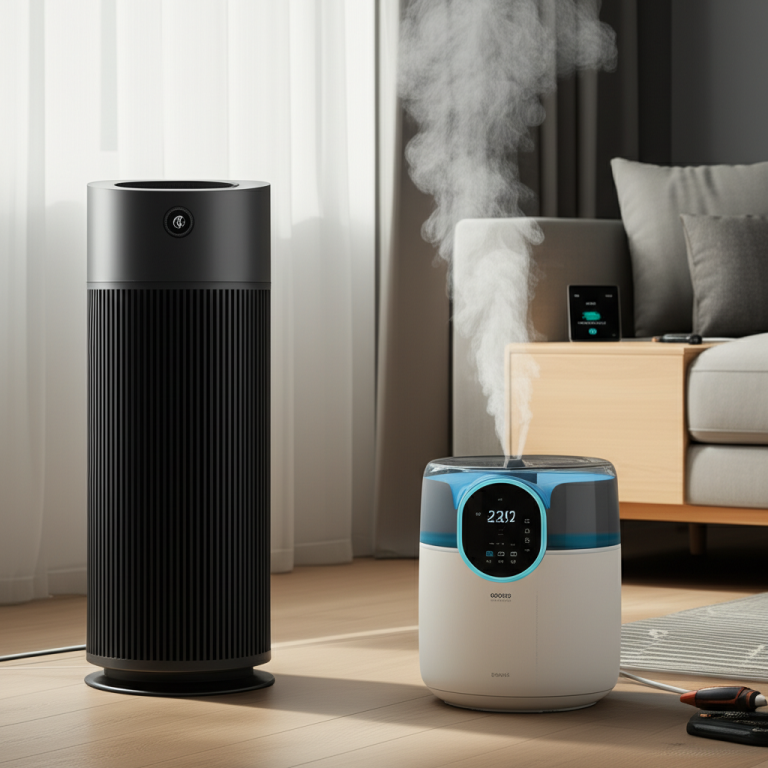
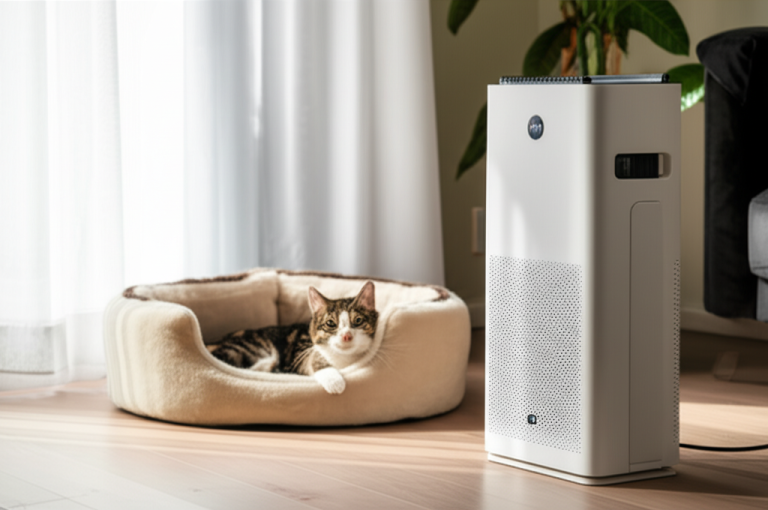
Best Air Purifier Master Bedroom: Proven Sleep Solution

Breathe easy and sleep soundly with the best air purifier for your master bedroom. Discover how cleaner air tackles allergens, reduces respiratory issues, and creates the perfect sanctuary for deep, restorative sleep.
Sleep is the foundation of our well-being, yet for many, achieving a truly restful night is a struggle. We often overlook a crucial factor: the air we breathe. Dust, pollen, pet dander, and even VOCs can disrupt our sleep cycles and trigger allergies. But there’s a simple, effective solution. This guide will help you find the best air purifier for your master bedroom, transforming it into a haven of clean air and unparalleled sleep.
Why Your Master Bedroom Needs an Air Purifier
Your master bedroom should be a sanctuary, a place where you can truly unwind and recharge. However, it can also be a breeding ground for airborne pollutants that silently sabotage your sleep. From dust mites thriving in bedding to volatile organic compounds (VOCs) off-gassing from furniture, these microscopic invaders can lead to congestion, coughing, and restless nights. Investing in the best air purifier for your master bedroom is a proactive step towards better health and significantly improved sleep quality.
The Hidden Culprits Lurking in Your Bedroom Air

Did you know that indoor air can be up to five times more polluted than outdoor air? Common bedroom culprits include dust mites, pollen tracked in from outside, pet dander if you have furry friends, mold spores from humidity, and VOCs from paints, cleaning products, and even new mattresses. These particles irritate your airways, trigger allergies, and can even contribute to headaches and fatigue, all of which are detrimental to a good night’s sleep.
The Link Between Air Quality and Sleep Quality
Poor air quality directly impacts your sleep. When allergens and pollutants irritate your respiratory system, your body works harder to breathe, leading to shallow sleep, frequent awakenings, and a general feeling of being unrested. Congestion, sneezing, and coughing can further disrupt your sleep cycles. Conversely, clean, fresh air promotes easier breathing, reduces inflammation, and allows your body to enter deeper, more restorative sleep stages.
Key Features to Look for in a Master Bedroom Air Purifier
Choosing the right air purifier involves understanding specific features tailored for a bedroom environment. Noise level is paramount, as a loud machine can be more disruptive than the air it cleans. Coverage area ensures the unit is effective for the size of your room, while filter type dictates what pollutants it can capture. Energy efficiency is also a consideration for round-the-clock operation.
HEPA Filters: The Gold Standard for Allergen Removal
High-Efficiency Particulate Air (HEPA) filters are the cornerstone of effective air purification. A true HEPA filter is certified to capture at least 99.97% of airborne particles as small as 0.3 microns. This includes common allergens like dust, pollen, pet dander, and mold spores. For anyone suffering from allergies or asthma, a HEPA filter is non-negotiable when seeking the best air purifier for your master bedroom.
Activated Carbon Filters: Tackling Odors and VOCs
While HEPA filters excel at trapping particles, activated carbon filters are essential for neutralizing odors and absorbing gases. These filters contain porous carbon that adsorbs a wide range of volatile organic compounds (VOCs), smoke, cooking smells, and pet odors. This dual-filtration approach ensures your bedroom air is not only free of allergens but also fresh and free from irritating chemical smells.
CADR: Understanding Your Purifier’s Power
The Clean Air Delivery Rate (CADR) is a standardized measure of an air purifier’s effectiveness. It indicates the volume of filtered air delivered by the purifier for three pollutants: smoke, dust, and pollen. Higher CADR ratings mean the purifier can clean the air in a room more quickly and efficiently. For your master bedroom, aim for a CADR that is appropriate for the room’s square footage to ensure optimal performance.
Noise Levels: Prioritizing Quiet Operation
A noisy air purifier can be counterproductive, disrupting the very sleep you’re trying to improve. Look for models with low decibel (dB) ratings, especially on their lowest settings. Many purifiers offer a “sleep mode” that reduces fan speed and dims indicator lights for minimal disturbance. A quiet operation is a key characteristic of the best air purifier for your master bedroom.
Room Size and Coverage Area
It’s crucial to select an air purifier that’s appropriately sized for your master bedroom. An undersized unit will struggle to adequately clean the air, while an oversized one might be unnecessarily noisy or power-hungry. Check the manufacturer’s recommended room coverage area (usually in square feet) and compare it to your bedroom’s dimensions. Many purifiers also list their CADR ratings, which can help you gauge effectiveness.
Top Air Purifier Recommendations for Master Bedrooms
After extensive research, I’ve identified several air purifiers that consistently rank high for bedroom use. These models balance effective filtration, quiet operation, and user-friendly features, making them excellent choices for creating a healthier sleep environment.
Levoit Core 300S: A Budget-Friendly Powerhouse
The Levoit Core 300S is a popular choice for its compact size, effective three-stage filtration (pre-filter, true HEPA, activated carbon), and quiet operation. Its smart features, including app control and voice assistant compatibility, add convenience. It’s an excellent option for smaller to medium-sized bedrooms, offering great value for its performance.
Coway Airmega AP-1512HH Mighty: Reliable and Efficient
The Coway Airmega AP-1512HH Mighty is renowned for its robust performance and energy efficiency. It features a multi-stage filtration system, including a true HEPA filter, and an “Eco Mode” that automatically adjusts fan speed based on air quality. Its real-time air quality monitoring is also a valuable feature for any bedroom.
Blueair Blue Pure 211+ Auto: High Performance, Low Noise
For larger master bedrooms, the Blueair Blue Pure 211+ Auto offers exceptional performance with its large coverage area and advanced HEPASilent technology. This system combines electrostatic and mechanical filtration to capture a vast range of pollutants while operating at very low noise levels. Its sleek design also complements modern bedroom decor.
Winix 5500-2: Comprehensive Filtration and Odor Control
The Winix 5500-2 is a highly-rated air purifier that excels in capturing both airborne particles and odors. It utilizes a true HEPA filter, an activated carbon filter, and Winix’s PlasmaWave technology, which breaks down pollutants at a molecular level. Its quiet sleep mode and air quality sensor make it ideal for bedrooms.
Understanding Different Air Purifier Technologies
Beyond HEPA and activated carbon, air purifiers employ various technologies to clean your air. While most focus on filtration, some utilize ionization or UV-C light. It’s important to understand how these work and their potential implications for your bedroom environment.
Ionizers and Ozone: A Word of Caution
Some air purifiers use ionizers to release negatively charged ions into the air, which attach to airborne particles, causing them to clump together and fall out of the air. While effective, some ionizers can produce ozone as a byproduct. Ozone is a lung irritant, and prolonged exposure can be harmful, especially for individuals with respiratory conditions. Always choose an ozone-free or certified low-ozone producing ionizer if considering this technology.
UV-C Light: Targeting Microorganisms
UV-C light technology is designed to kill bacteria, viruses, and mold spores that pass through the purifier. While it can be an effective addition for sanitization, its effectiveness depends on the intensity and duration of exposure. For most bedroom applications, focusing on robust HEPA and carbon filtration is generally sufficient and safer than relying solely on UV-C.
Setting Up and Maintaining Your Air Purifier
Once you’ve chosen the best air purifier for your master bedroom, proper setup and regular maintenance are key to ensuring its optimal performance and longevity. Following these simple steps will help you maximize the benefits of your new device.
Choosing the Optimal Placement
The placement of your air purifier significantly impacts its effectiveness. For best results, position it in a location where air can circulate freely around the unit, avoiding corners or direct proximity to furniture. Placing it near where you spend most of your time, such as beside your bed, can provide the most direct benefit. Ensure it’s on a stable, flat surface.
Filter Replacement Schedule
Air purifiers are only as effective as their filters. HEPA and activated carbon filters have a limited lifespan and will eventually become saturated with pollutants. Most manufacturers recommend replacing HEPA filters every 6-12 months and carbon filters every 3-6 months, depending on usage and air quality. Neglecting filter replacement can reduce the purifier’s efficiency and even lead to secondary pollution.
Cleaning Your Air Purifier
Beyond filter replacement, regular cleaning of your air purifier is essential. This typically involves dusting the exterior casing and gently cleaning the pre-filter (if it’s washable) to remove larger particles that can clog the system. Always unplug the unit before cleaning and refer to the manufacturer’s instructions for specific guidance.
Creating the Ultimate Sleep Sanctuary
An air purifier is a powerful tool, but it’s just one piece of the puzzle for creating a truly restorative sleep environment. Consider these complementary strategies to enhance your bedroom’s atmosphere for deeper, more peaceful sleep.
Decluttering for Calmness
A cluttered bedroom can contribute to mental stress, which directly impacts sleep. Take time to declutter your space, organizing items and minimizing visual noise. A tidy bedroom promotes a sense of calm and tranquility, making it easier to relax and drift off to sleep.
Smart Lighting for Better Sleep Hygiene
The quality of light in your bedroom plays a crucial role in regulating your sleep-wake cycle. Opt for dim, warm lighting in the evenings to signal to your body that it’s time to wind down. Avoid bright, blue-toned lights from screens, which can suppress melatonin production. Smart bulbs that can be programmed for gradual dimming are an excellent addition.
Incorporating Natural Elements
Bringing elements of nature into your bedroom can have a calming effect. Consider incorporating plants that are known to purify air naturally, such as snake plants or spider plants. Soft, natural textures in your bedding and decor can also contribute to a more serene and relaxing atmosphere conducive to sleep.
Frequently Asked Questions About Bedroom Air Purifiers
Here are answers to some common questions I receive about using air purifiers in master bedrooms.
How often should I run my air purifier in the bedroom?
For optimal results, it’s recommended to run your air purifier continuously, especially in the master bedroom. This ensures that the air is consistently being cleaned, providing a stable environment for sleep. Many models have energy-saving modes that can be used when you’re away or sleeping.
Will an air purifier help with snoring?
While an air purifier won’t directly cure snoring, it can significantly alleviate symptoms that contribute to it. By reducing allergens and irritants that cause nasal congestion and inflammation, it can promote clearer airways, potentially leading to less snoring.
Can I use an air purifier in a small bedroom?
Absolutely! In fact, air purifiers can be particularly beneficial in smaller spaces where pollutants can concentrate quickly. Look for compact models designed for smaller rooms and ensure the CADR rating is appropriate for the square footage.
How do I know if my air purifier is working?
You can often tell if your air purifier is working by noticing a reduction in dust accumulation, fewer allergy symptoms, and a fresher smell in the room. Many models also feature air quality indicators that provide real-time feedback on pollutant levels.
Do air purifiers use a lot of electricity?
Modern air purifiers are generally energy-efficient, especially when using lower fan speeds or sleep modes. The energy consumption varies by model, so check the wattage or energy star rating when making your purchase. Running it continuously on a low setting is typically quite economical.
Conclusion: Invest in Your Sleep, Invest in Your Health
Finding the best air purifier for your master bedroom is more than just a purchase; it’s an investment in your health and well-being. By removing allergens, reducing irritants, and creating a consistently clean breathing environment, you pave the way for deeper, more restorative sleep. Don’t let poor air quality compromise your nights any longer. Take control of your bedroom’s atmosphere and wake up feeling refreshed, energized, and ready to face the day.