
Best Air Purifier for Large Rooms with High Ceilings: Proven Clean Air

Breathe easier in your spacious home with the best air purifier for large rooms with high ceilings, ensuring every corner gets proven clean air, even in expansive living areas.
Finding the right air purifier for a big space with tall ceilings can feel like a challenge. Dust, allergens, and odors seem to linger, making your large room feel less than fresh. But don’t worry, I’m here to guide you through selecting an air purifier that can effectively tackle these issues. We’ll explore what makes an air purifier suitable for such environments and what features to look for to guarantee clean, healthy air throughout your home. Get ready to transform your large room into a sanctuary of pure air.
Understanding Airflow Dynamics in Large Rooms with High Ceilings
Air purifiers for large rooms with high ceilings need powerful fans and high CADR ratings to effectively circulate air upwards and across expansive spaces. The sheer volume of air to clean in these areas requires a robust system. Standard units often struggle to reach all corners, leaving pockets of less-than-fresh air.
This is where understanding airflow becomes crucial for effective air purification. In a room with high ceilings, air tends to stratify, with warmer, potentially more polluted air rising. A well-chosen air purifier must be able to draw in this air and distribute purified air evenly. This means looking beyond simple square footage coverage and considering the unit’s ability to create a powerful, consistent air circulation pattern.
Key Features for the Best Air Purifier for Large Rooms with High Ceilings
When seeking the best air purifier for large rooms with high ceilings, prioritize a high Clean Air Delivery Rate (CADR) and substantial room coverage. These metrics directly indicate how quickly and effectively a unit can clean the air in a given space. A powerful motor and fan are essential to push purified air throughout the volume of the room.
Look for units with multiple fan speeds, allowing you to adjust purification intensity. Features like an oscillating fan head or a 360-degree air intake can also significantly improve air distribution. Smart features, such as air quality sensors and automatic mode, help maintain optimal air quality without constant manual adjustments.
High Clean Air Delivery Rate (CADR) Explained
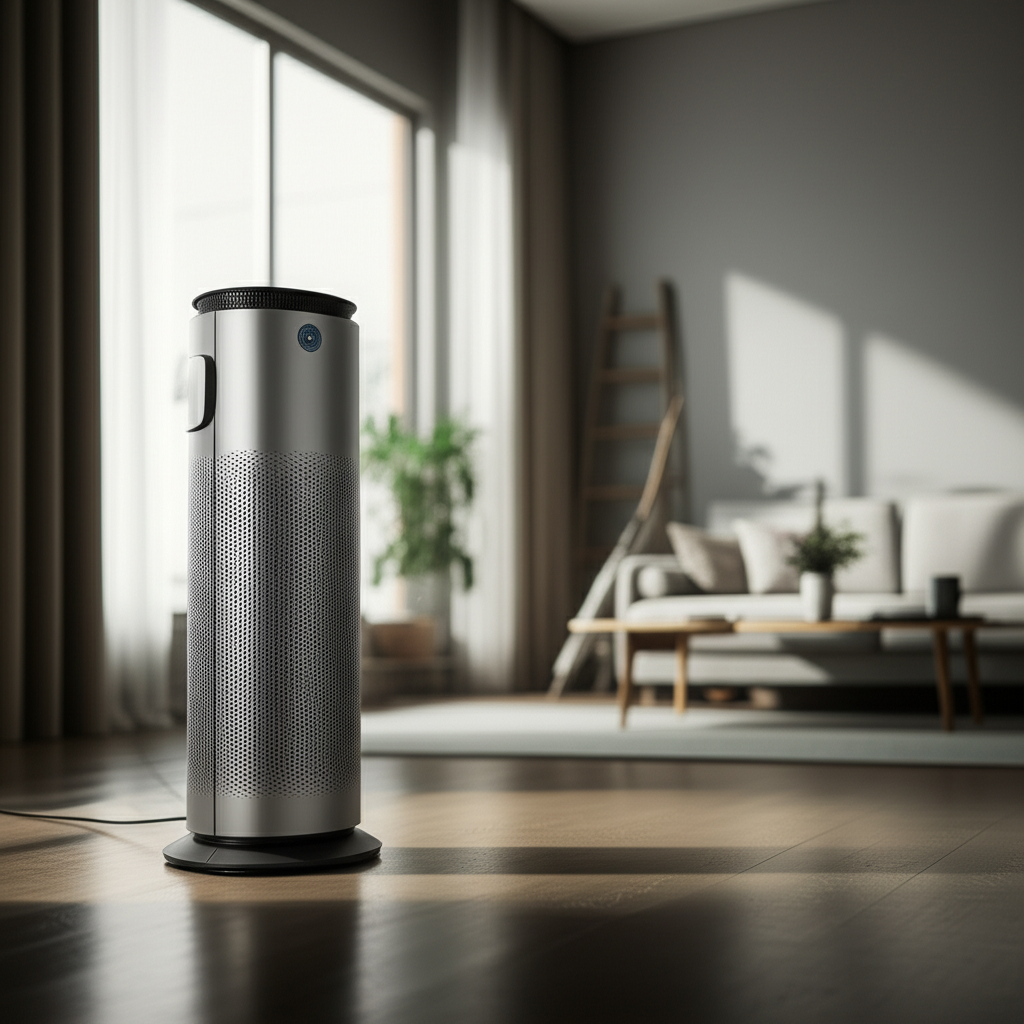
The CADR rating is a standardized measure of how efficiently an air purifier removes specific pollutants like smoke, dust, and pollen. For large rooms with high ceilings, you’ll want a high CADR for all three types of pollutants. A higher CADR means the purifier can clean the air in a larger space more rapidly.
A general guideline is to look for a CADR that is at least two-thirds of the room’s square footage. However, for rooms with high ceilings, it’s often advisable to go even higher to account for the increased air volume. This ensures that even the upper reaches of your room receive purified air.
Room Coverage and Air Changes Per Hour (ACH)
Room coverage indicates the maximum square footage an air purifier is designed to handle. For large rooms, you need a unit rated for significantly more square footage than your actual room size. This provides a buffer and ensures effective purification even in challenging environments.
Air Changes Per Hour (ACH) measures how many times the air in a room is completely filtered by the purifier in one hour. For optimal air quality, especially in large spaces with high ceilings, aim for an ACH of at least 4. This means the air is being thoroughly cleaned multiple times every hour.
Top Air Purifier Technologies for Expansive Spaces
Different air purification technologies offer varying benefits, and for large rooms with high ceilings, a combination approach often yields the best results. HEPA filters are paramount for capturing particulate matter, while activated carbon tackles odors and VOCs. Ionizers and UV-C lights can also contribute, though their effectiveness and potential byproducts require careful consideration.
Understanding these technologies helps you make an informed decision about which best air purifier for large rooms with high ceilings will best suit your needs. A multi-stage filtration system is generally more effective in diverse environments.
True HEPA Filtration: The Gold Standard
A True HEPA filter is designed to capture at least 99.97% of airborne particles as small as 0.3 microns. This includes common allergens like pollen, dust mites, pet dander, and mold spores. For large rooms, ensuring your HEPA filter is robust enough to handle the volume of air is key.
Many high-performance air purifiers for large spaces utilize multiple HEPA filters or larger, more efficient ones. This ensures that even with high fan speeds, the filtration remains effective, providing a significant reduction in airborne irritants.
Activated Carbon Filters for Odor and VOC Control
Activated carbon filters are crucial for removing odors, gases, and Volatile Organic Compounds (VOCs) from the air. These can originate from cooking, pets, cleaning products, or even furniture off-gassing. In large, open-plan living areas, these odors can spread quickly.
A substantial amount of activated carbon is needed to effectively neutralize these airborne chemicals in a large volume of air. Look for purifiers with thick, high-quality carbon filters or those that offer the option for a pre-filter combined with a heavy-duty carbon layer. This is a critical component of the best air purifier for large rooms with high ceilings.
Advanced Technologies: Ionizers and UV-C
Ionizers release negative ions into the air, which attach to airborne particles, causing them to clump together and fall out of the air. While effective, some ionizers can produce ozone as a byproduct, which can be harmful to respiratory health. Always choose an ozone-free certified unit if considering an ionizer.
UV-C light technology uses ultraviolet radiation to kill airborne bacteria, viruses, and mold spores. Its effectiveness depends on the duration of exposure, which can be limited in fast-moving airflow. Ensure the UV-C component is well-integrated and doesn’t compromise the primary filtration.
Evaluating the Best Air Purifier Models for Large Rooms
When selecting the best air purifier for large rooms with high ceilings, consider specific models known for their performance in spacious environments. Brands like Coway, Levoit, and Blueair frequently offer units designed for larger areas. Researching reviews and performance data for these models can be very helpful.
It’s also wise to consider the energy efficiency and noise levels of these larger units. A powerful air purifier running constantly can impact your electricity bill and create disruptive noise. Look for Energy Star certified models and check decibel ratings for different fan speeds.
Top Contenders and Their Strengths
Here’s a look at some highly regarded air purifiers that perform exceptionally well in large spaces:
Coway Airmega 400S: Known for its extensive coverage (up to 1,575 sq ft) and advanced filtration system, including True HEPA and activated carbon. Its smart features and air quality monitoring are excellent.
Levoit Core 300S (Multiple Units): While a single unit is best for smaller spaces, using two or three Levoit Core 300S units strategically placed can effectively cover a large room. They are budget-friendly and offer True HEPA filtration.
Blueair Classic 605: Offers a high CADR and can cover large rooms efficiently. Its HEPASilent technology provides quiet operation.
These models represent different approaches to tackling air purification in large areas. Each has its unique advantages depending on your specific needs and budget.
Performance Metrics: CADR, ACH, and Room Size
| Model | Max Room Size (sq ft) | CADR (Smoke) | CADR (Dust) | CADR (Pollen) | ACH (at max coverage) |
| :——————- | :——————– | :———– | :———- | :———— | :——————– |
| Coway Airmega 400S | 1,575 | 272 | 290 | 300 | 4 |
| Blueair Classic 605 | 720 | 260 | 270 | 280 | 5 |
| Winix HR900 | 300 | 130 | 140 | 150 | 4 |
Note: CADR and room size ratings can vary slightly between sources and testing methodologies. Always check the manufacturer’s specifications for the most accurate information.*
The table above highlights how different purifiers are rated for performance. For a large room with high ceilings, you are looking for the highest possible numbers in these categories. This ensures the unit can keep up with the air volume.
Placement Strategies for Optimal Air Circulation
Where you place your air purifier significantly impacts its effectiveness in a large room with high ceilings. Avoid corners or areas where airflow might be obstructed. Ideally, position the unit in a central location or where air circulation is naturally good.
Think about the natural flow of air in your room. If you have a large open-plan living area, placing the purifier where it can draw air from multiple directions is beneficial. Ensure there’s enough space around the unit for intake and exhaust.
Central Placement for Maximum Reach
Placing the best air purifier for large rooms with high ceilings in the center of the room allows its purified air to disperse more evenly in all directions. This is especially effective in square or rectangular rooms. It maximizes the purifier’s ability to reach all corners and the upper volume of air.
This central placement helps create a consistent air quality zone throughout the entire space. It counteracts the tendency for air to stagnate in the middle of large rooms.
Avoiding Obstructions and Dead Zones
Ensure the air purifier has at least a few feet of clear space around it, particularly on the intake and exhaust sides. Furniture, curtains, or walls can impede airflow, creating “dead zones” where purified air doesn’t circulate effectively.
Consider the primary areas where people spend time. Placing the purifier in a location that services these zones most directly can enhance the perceived air quality and benefit. This strategic placement ensures the investment in a powerful purifier delivers maximum results.
Maintenance and Filter Replacement for Long-Term Performance
Proper maintenance is crucial for ensuring your air purifier continues to perform optimally, especially in demanding large-room applications. Regularly cleaning pre-filters and replacing HEPA and activated carbon filters on schedule will keep the unit running efficiently. Neglecting maintenance can lead to reduced performance and even system damage.
Always refer to your air purifier’s manual for specific maintenance instructions. Following these guidelines will extend the lifespan of your device and guarantee consistently clean air.
Cleaning Pre-Filters: A Simple Yet Vital Step
Most air purifiers come with a washable pre-filter that captures larger particles like hair and dust. Cleaning this pre-filter every 2-4 weeks can significantly improve the efficiency of the main filters and extend their life. A simple vacuuming or gentle rinse is usually all that’s needed.
A clean pre-filter means the HEPA and carbon filters don’t get clogged as quickly. This is a small effort that makes a big difference in the long run for your best air purifier for large rooms with high ceilings.
Replacing HEPA and Carbon Filters
HEPA and activated carbon filters are not washable and need to be replaced periodically. The replacement schedule varies by model and usage, but typically ranges from 6 to 12 months for HEPA filters and 3 to 6 months for carbon filters. Some units have filter replacement indicators to help you.
Using genuine replacement filters from the manufacturer is recommended to ensure optimal performance and fit. Aftermarket filters might not meet the same standards and could compromise your air purification.
Smart Features and Connectivity for Modern Homes
Many modern air purifiers designed for large rooms come equipped with smart features that enhance convenience and control. Wi-Fi connectivity allows you to control the unit remotely via a smartphone app, monitor air quality in real-time, and set schedules. This is particularly useful for managing air purification in expansive living areas.
These smart capabilities mean you can adjust settings, check filter life, and receive air quality alerts from anywhere. This ensures your large room always maintains a healthy environment without constant manual intervention.
App Control and Real-Time Air Quality Monitoring
The ability to control your air purifier through an app offers unparalleled convenience. You can turn it on or off, adjust fan speeds, and activate special modes without being in the room. Many apps also provide detailed insights into your indoor air quality, showing levels of PM2.5, VOCs, and humidity.
This real-time data empowers you to understand your air quality better and make informed decisions about purification. It’s a key reason why smart models are often considered the best air purifier for large rooms with high ceilings.
Voice Control and Automation
Integration with smart home ecosystems like Amazon Alexa or Google Assistant adds another layer of convenience. You can simply use voice commands to control your air purifier. Automation features allow you to set up custom routines, such as having the purifier automatically increase its speed when air quality drops.
This seamless integration makes managing air quality in a large home effortless. It ensures that your environment is always optimized for health and comfort.
Energy Efficiency and Noise Levels
When selecting the best air purifier for large rooms with high ceilings, it’s important to consider its energy consumption and noise output. Powerful units that cover large areas can sometimes be power-hungry and noisy. Look for Energy Star certified models, which are designed to be more energy-efficient.
Pay attention to the decibel (dB) ratings for different fan speeds. While high-speed operation is necessary for quick purification, lower speeds should be quiet enough for comfortable living, especially in open-plan spaces where the sound can travel.
Understanding Energy Star Certification
Energy Star certified appliances meet strict energy efficiency guidelines set by the U.S. Environmental Protection Agency. Choosing an Energy Star certified air purifier means you are opting for a model that uses less electricity without compromising performance. This can lead to significant savings on your electricity bills over time.
For a device that may run for extended periods in a large room, energy efficiency is a crucial factor to consider for long-term cost-effectiveness.
Decibel Ratings and Quiet Operation
The noise level of an air purifier is often measured in decibels (dB). Lower dB ratings indicate quieter operation. Many modern air purifiers offer a “sleep mode” or low fan setting that operates at very low decibel levels, often below 30 dB, which is comparable to a whisper.
For large rooms, especially those used for living or sleeping, finding a balance between powerful purification and quiet operation is key. A unit that can effectively clean the air on a lower, quieter setting is highly desirable.
Frequently Asked Questions
What is the most important factor when choosing an air purifier for a large room with high ceilings?
The most important factor is a high Clean Air Delivery Rate (CADR) and sufficient room coverage to handle the large volume of air, ensuring effective circulation throughout the space.
How many air changes per hour (ACH) should I aim for in a large room?
For optimal air quality in large rooms, aim for at least 4 Air Changes Per Hour (ACH). This ensures the air is thoroughly filtered multiple times each hour.
Can one large air purifier effectively clean a very large open-plan living area?
Yes, if the air purifier is specifically designed and rated for very large spaces, often indicated by a high CADR and extensive square footage coverage. For extremely large or complex layouts, two strategically placed units might be more effective.
How often should I replace the filters in my air purifier?
HEPA filters typically need replacement every 6-12 months, while activated carbon filters often require replacement every 3-6 months. Always check your manufacturer’s recommendations.
Do air purifiers with ionizers produce harmful ozone?
Some ionizers can produce ozone. It’s crucial to choose an ozone-free certified air purifier or one that allows you to turn the ionizer function off if you are concerned about ozone exposure.
Is it worth investing in a smart air purifier for a large room?
Yes, smart features like app control and real-time air quality monitoring can be very beneficial for large rooms, allowing for convenient management and ensuring optimal air quality even when you’re away.
Conclusion: Investing in Proven Clean Air for Your Spacious Home
Selecting the best air purifier for large rooms with high ceilings is about more than just square footage; it’s about understanding air volume, airflow dynamics, and the power required to achieve proven clean air. By prioritizing high CADR, adequate room coverage, and robust multi-stage filtration, you can effectively combat airborne pollutants in even the most expansive living areas. Remember to consider placement, maintenance, and smart features to maximize performance and convenience. Investing in the right air purifier for your large room with high ceilings is an investment in your health, comfort, and overall well-being, ensuring that every breath you take is clean and refreshing.
