
Best Air Purifier for Large Home with Pets: Essential Guide

This essential guide helps you find the best air purifier for a large home with pets, tackling pet dander, odors, and allergens to ensure a fresher, healthier living space. Discover key features, top-rated models, and expert tips for ultimate pet-friendly air quality.
It’s a common struggle for pet owners: that lingering pet odor, the constant shedding of dander, and the worry about allergens affecting your family’s health. A large home amplifies these challenges, making it tough to maintain consistently fresh air. But don’t despair; finding the best air purifier for large home with pets is achievable. We’ll guide you through understanding what makes an air purifier effective for your specific needs, ensuring your home is a comfortable haven for everyone, furry friends included.
Why Pet Owners Need a Specialized Air Purifier
Pet owners face unique air quality challenges that standard air purifiers might not adequately address. Pet dander, microscopic skin flakes, is a major allergen, while pet odors can be pervasive and difficult to eliminate. A dedicated air purifier designed for pets can significantly improve your home’s air quality by capturing these specific airborne irritants. This leads to a healthier environment, reducing allergy symptoms and creating a more pleasant living space for all.
Understanding Air Purifier Technology for Pets
Choosing the best air purifier for large home with pets means understanding the technologies that tackle pet-related issues most effectively. Different filter types and purification methods offer varying levels of protection against dander, odors, and other pollutants. Selecting the right combination ensures optimal performance in your spacious, pet-filled environment.
The Crucial Role of HEPA Filters
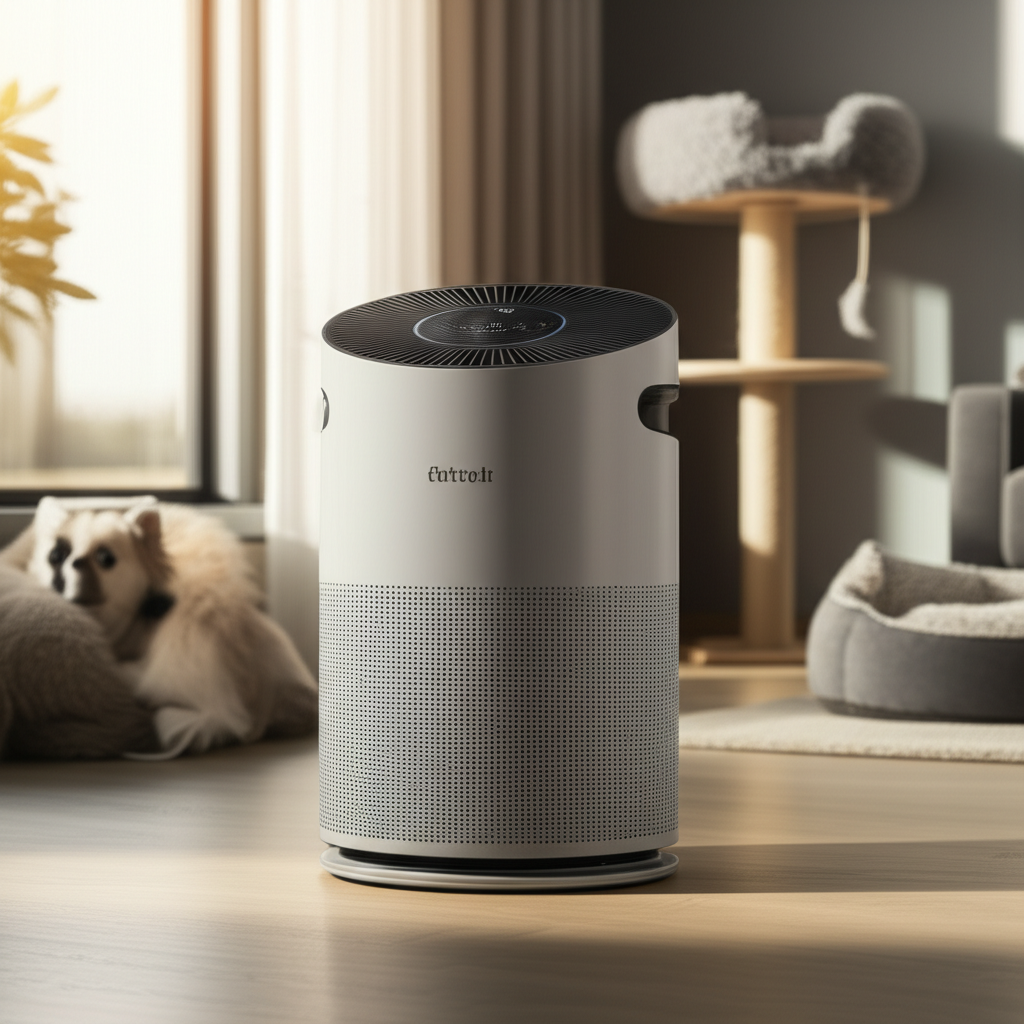
High-Efficiency Particulate Air (HEPA) filters are the gold standard for capturing tiny airborne particles. For pet owners, this means effectively trapping pet dander, dust mites, pollen, and other allergens as small as 0.3 microns. A true HEPA filter is essential for any air purifier aiming to combat pet-related respiratory issues.
Activated Carbon for Odor Elimination
Pet odors can be notoriously stubborn. Activated carbon filters are porous materials that absorb and trap odor molecules, rather than just masking them. An air purifier with a substantial activated carbon filter is indispensable for a large home with pets, ensuring that unwanted smells are effectively neutralized.
Pre-filters: The First Line of Defense
A washable pre-filter is a vital component, especially in homes with shedding pets. It captures larger particles like pet hair and larger dust bunnies, preventing them from clogging the more sensitive HEPA filter. This not only extends the life of your HEPA filter but also maintains the overall efficiency of the unit.
Other Purification Technologies: Pros and Cons
While HEPA and activated carbon are paramount, other technologies exist. UV-C light can kill airborne germs and viruses, while ionizers release negative ions to clump particles together. However, some ionizers can produce ozone, a lung irritant, so always choose models with ozone-free certifications.
Key Features to Look For in a Pet-Friendly Air Purifier
When searching for the best air purifier for large home with pets, several features elevate a unit from good to great. Considering your home’s size and your pets’ specific needs will help you prioritize these crucial functionalities. Think about coverage area, noise levels, and ease of maintenance.
Coverage Area (CADR and Room Size)
The Clean Air Delivery Rate (CADR) indicates how quickly an air purifier can clean a room of specific pollutants. For a large home, you’ll need a purifier with a high CADR and a recommended room coverage that matches or exceeds your largest living spaces. Ensure the unit is rated for the square footage you intend to use it in.
Noise Level and Sleep Mode
Air purifiers can be noisy, especially on higher settings. For living areas or bedrooms, look for models with low decibel ratings or a dedicated sleep mode that operates quietly. This ensures your pet-friendly air purification doesn’t disrupt your peace or your pets’ rest.
Filter Replacement Indicator and Cost
Regular filter replacement is crucial for optimal performance. An indicator light that alerts you when it’s time to change filters is a convenient feature. Also, consider the ongoing cost of replacement filters, as this can add up over time.
Smart Features and App Control
Modern air purifiers often come with smart features like app control, scheduling, and air quality monitoring. These can be beneficial for managing multiple units in a large home or for automatically adjusting settings based on real-time air quality.
Top Air Purifier Picks for Large Homes with Pets
Based on expert reviews and user feedback, these models consistently rank high for their effectiveness in large spaces and their ability to handle pet-related air quality issues. I’ve considered their filtration systems, coverage, and overall value to help you make an informed decision.
Coway Airmega 400S
This powerful unit is a standout for large spaces, boasting a true HEPA filter and a robust activated carbon filter. Its coverage area is impressive, making it ideal for open-plan living or spacious rooms where pets roam. The smart features and real-time air quality monitoring add significant value.
Blueair Classic 605
Blueair’s HEPASilent technology combines electrostatic charging and mechanical filtration for superior particle removal. The Classic 605 is designed for larger rooms and offers a sleek design with excellent performance against dander and odors. Its energy efficiency is also a plus.
Levoit Core 300S (for Smaller Zones or Multiple Units)
While not for an entire large home, the Levoit Core 300S is an excellent choice for smaller, high-traffic pet areas or for purchasing multiple units to cover different zones of a large house. It features a 3-stage filtration system, including a true HEPA filter, and is remarkably quiet.
Winix 5500-2
A popular choice for its balance of performance and affordability, the Winix 5500-2 includes a true HEPA filter, activated carbon filter, and PlasmaWave technology (which can be turned off if ozone is a concern). It’s well-suited for medium to large rooms and effectively tackles pet dander and odors.
How to Maximize Your Air Purifier’s Effectiveness
Purchasing the best air purifier for large home with pets is only half the battle; proper placement and maintenance are key to ensuring it performs at its peak. Following these tips will help you get the most out of your investment and create the cleanest air possible.
Strategic Placement in Your Home
Place your air purifier in the room where your pets spend the most time or where odors tend to accumulate. For large homes, consider placing units in high-traffic areas like the living room, bedrooms, or near pet beds. Ensure there’s adequate space around the unit for unobstructed airflow.
Regular Filter Maintenance and Replacement
Adhere strictly to the manufacturer’s recommendations for filter cleaning and replacement. Pre-filters should be cleaned weekly or bi-weekly, depending on shedding. HEPA and carbon filters typically need replacement every 6-12 months. Neglecting this can significantly reduce effectiveness.
Complementary Cleaning Practices
Air purifiers work best as part of a holistic approach to home cleanliness. Regular vacuuming with a HEPA filter vacuum, frequent dusting, and grooming your pets can further reduce airborne allergens and dander. These combined efforts create a truly healthy environment.
When to Consider Multiple Air Purifiers
For truly large homes, a single air purifier, no matter how powerful, might not be sufficient to cover every area effectively. You might need to strategically deploy multiple units to ensure optimal air quality throughout your entire dwelling. This approach allows for targeted purification where it’s needed most.
Zoning Your Large Home
Divide your large home into zones based on usage and pet activity. For example, designate the main living area, master bedroom, and a pet-specific zone as primary areas for air purification. This allows you to tailor the type and number of purifiers to each zone’s requirements.
Balancing Coverage and Cost
While investing in multiple high-end units might be ideal, it’s important to balance coverage with your budget. Consider using one or two larger, more powerful units for main living areas and supplementing with smaller, more affordable models for bedrooms or offices.
Common Pitfalls to Avoid
Even with the best intentions, pet owners can make mistakes when choosing or using air purifiers. Being aware of these common pitfalls can save you money and ensure you’re effectively improving your home’s air quality. I want you to succeed in creating a healthier home for you and your pets.
Overlooking Coverage Area
A common mistake is buying an air purifier that’s too small for the room it’s placed in. Always check the CADR and recommended room size to ensure adequate performance for your large home. An undersized unit will struggle to keep up with pet dander and odors.
Ignoring Ozone Production
Some air purification technologies, particularly certain types of ionizers, can produce ozone. This gas can be harmful to respiratory health, especially for pets and individuals with allergies or asthma. Always opt for ozone-free certified models or those that allow you to disable the ionizer.
Infrequent Filter Maintenance
Failing to clean pre-filters or replace HEPA and carbon filters on schedule drastically reduces an air purifier’s effectiveness. Clogged filters can’t capture pollutants and can even become a source of odors themselves. Consistent maintenance is non-negotiable.
Frequently Asked Questions About Pet Air Purifiers
Here are answers to some of the most common questions I receive about selecting and using air purifiers for homes with pets. These should help clarify any remaining doubts you might have.
Can an air purifier completely eliminate pet odors?
While an air purifier can significantly reduce pet odors, complete elimination might require a combination of a powerful purifier with a substantial activated carbon filter and regular cleaning practices. Some odors are deeply embedded in fabrics and may need more intensive cleaning.
How often should I run my air purifier?
For optimal air quality, especially with pets, it’s recommended to run your air purifier 24/7. Many models are energy-efficient, and continuous operation ensures that allergens and odors are constantly being removed from the air.
Are air purifiers safe for cats and dogs?
Yes, most air purifiers, especially those with true HEPA and activated carbon filters and without ozone production, are safe for pets. In fact, they help reduce allergens that can affect pets too. Always ensure your chosen model is certified ozone-free.
What’s the difference between a HEPA filter and a true HEPA filter?
A “true HEPA” filter is certified to capture at least 99.97% of airborne particles 0.3 microns in size. “HEPA-type” or “HEPA-like” filters may not meet this stringent standard, so always look for the “true HEPA” designation for maximum effectiveness against pet dander.
How do I know if my air purifier is working?
You’ll notice a reduction in pet odors and allergens. Many modern air purifiers also have air quality sensors that display the current air quality, which should improve over time as the purifier runs. You can also feel for airflow coming from the unit.
Conclusion: Breathe Easier with the Right Air Purifier
Finding the best air purifier for large home with pets is a crucial step toward creating a healthier and more comfortable living environment. By understanding the importance of HEPA and activated carbon filters, considering your home’s size and specific pet-related needs, and choosing models with appropriate features, you can significantly improve your indoor air quality. Remember that strategic placement and consistent maintenance are just as vital as the initial purchase. Investing in the right air purifier means investing in the well-being of your entire family, furry members included.
