Best Air Purifier For Chemo Patients: Essential Guide

The best air purifier for chemo patients provides critical protection by removing airborne contaminants, reducing infection risk, and creating a healthier recovery space. This guide helps you choose the right model for peace of mind.
Breathing clean air is vital for everyone, but for individuals undergoing chemotherapy, it’s a matter of paramount importance. The immune system is significantly weakened during treatment, making it crucial to minimize exposure to airborne pathogens and irritants. Finding the best air purifier for chemo patients can seem daunting, but it’s a proactive step towards a safer and more comfortable recovery. I’m here to guide you through understanding what makes an air purifier effective for this specific need, so you can make an informed decision with confidence.
Why Chemo Patients Need Air Purifiers
Chemotherapy treatments can severely compromise the immune system, leaving patients highly susceptible to infections. Airborne particles like bacteria, viruses, mold spores, and even common allergens can pose serious health risks. An air purifier acts as a vital barrier, actively removing these harmful elements from the indoor environment. This is essential for protecting vulnerable individuals during their treatment and recovery phases.
Understanding Air Purifier Technologies for Chemo Patients
Different air purifiers use various technologies, and understanding them is key to selecting the most effective one for a chemo patient’s needs. Not all technologies are equally beneficial, and some can even be counterproductive. It’s important to focus on methods that capture microscopic particles and neutralize pathogens without introducing harmful byproducts.
HEPA Filtration: The Gold Standard
True HEPA (High-Efficiency Particulate Air) filters are the cornerstone of effective air purification for immunocompromised individuals. These filters are certified to capture at least 99.97% of airborne particles as small as 0.3 microns. This includes dust, pollen, pet dander, mold spores, bacteria, and even some viruses.
A HEPA filter’s dense mesh traps these tiny particles, preventing them from circulating in the air. For chemo patients, this means a significant reduction in potential infection sources and irritants. Always look for the “True HEPA” certification to ensure you’re getting the highest level of filtration.
Activated Carbon Filters: Tackling Odors and VOCs
While HEPA filters excel at capturing particles, activated carbon filters are designed to absorb gases, odors, and volatile organic compounds (VOCs). These VOCs can come from cleaning products, furniture off-gassing, or even cooking. For a chemo patient, reducing exposure to these chemicals can improve air quality and alleviate potential respiratory discomfort.
Activated carbon filters work by adsorbing harmful molecules onto their porous surface. The more carbon a filter contains, generally, the more effective it will be at removing odors and gases. Many high-quality air purifiers combine HEPA and activated carbon filters for comprehensive air cleaning.
UV-C Light: Disinfection Capabilities
Some air purifiers incorporate UV-C (ultraviolet germicidal irradiation) light technology. This technology uses ultraviolet light to kill or inactivate airborne microorganisms like bacteria, viruses, and mold spores as they pass through the unit. UV-C light can be an effective secondary layer of defense for disinfection.
However, it’s crucial to ensure the UV-C light is properly contained within the unit. Exposure to UV-C light can be harmful to skin and eyes. The effectiveness of UV-C can also vary, and it’s often best considered as a complementary technology to robust HEPA filtration.
Ionizers and Ozone Generators: Caution Advised
Ionizers release negative ions into the air, which attach to airborne particles, causing them to clump together and fall to the ground or stick to surfaces. While they can help remove some particles, they can also produce ozone as a byproduct. Ozone is a lung irritant and is particularly harmful to individuals with compromised respiratory systems, making them unsuitable for chemo patients.
Ozone generators are even more concerning. They intentionally produce ozone to “purify” the air, but this is not recommended for occupied spaces, especially for vulnerable individuals. Always choose an air purifier that is certified ozone-free.
Key Features to Look for in an Air Purifier for Chemo Patients
When selecting the best air purifier for chemo patients, several features are non-negotiable. These elements directly contribute to the unit’s effectiveness and suitability for a sensitive environment. Prioritizing these features will ensure you invest in a device that genuinely supports their recovery.
CADR Ratings: Measuring Performance
CADR stands for Clean Air Delivery Rate. It measures how quickly an air purifier can clean the air in a room. There are separate ratings for dust, pollen, and smoke. A higher CADR rating indicates a more powerful and efficient air purifier.
For a chemo patient’s room, you’ll want a unit with a CADR rating high enough to effectively clean the space within a reasonable time. Consider the size of the room and aim for a CADR that can achieve multiple air changes per hour (ACH). Many manufacturers recommend the appropriate room size for their units based on CADR.
Room Size and Air Changes Per Hour (ACH)
It’s crucial to match the air purifier’s capacity to the size of the room it will be used in. An undersized unit will struggle to clean the air effectively, while an oversized one might be unnecessarily noisy or expensive. Most experts recommend an air purifier that can achieve at least 4-5 air changes per hour (ACH) in a standard bedroom.
This means the air in the room is completely filtered and replaced with clean air 4 to 5 times every hour. For chemo patients, aiming for a higher ACH, especially in the initial sensitive stages, can provide an added layer of protection. Always check the manufacturer’s specifications for recommended room size.
Noise Levels: A Crucial Consideration
Chemo patients often need rest and a peaceful environment. Therefore, the noise level of an air purifier is a critical factor. Look for units with low decibel (dB) ratings, especially for nighttime use. Many models offer a “sleep mode” or “quiet mode” that significantly reduces fan speed and noise.
A quiet air purifier ensures that the patient can rest without disruption. Consider the dB level at its lowest setting; a range of 20-40 dB is generally considered quiet and suitable for bedrooms. Some units even have specialized quiet operation features.
Ease of Use and Maintenance
For caregivers and patients, simplicity is key. The air purifier should be easy to operate, with intuitive controls. Filter replacement should also be straightforward, as this is a regular maintenance task. Look for models with filter replacement indicators that alert you when it’s time to change them.
Simple operation means less stress and more focus on recovery. Easy maintenance ensures the unit remains effective without becoming a burden. Some units have washable pre-filters that can be cleaned, extending the life of the main filters.
Certifications and Safety Standards
When choosing an air purifier, look for certifications that indicate safety and performance. For instance, the Association of Home Appliance Manufacturers (AHAM) provides CADR ratings and room size recommendations. Energy Star certification means the unit is energy-efficient, saving on electricity costs.
Crucially, ensure the unit is certified ozone-free. For chemo patients, any potential for ozone emission is a significant concern. Reputable brands will clearly state their safety certifications and compliance with relevant standards.
Top Air Purifier Models for Chemo Patients (2024)
Selecting the right air purifier can significantly impact a chemo patient’s well-being. Based on performance, features, and suitability for sensitive environments, here are some of the best options. I’ve focused on units that offer robust HEPA filtration, effective odor control, and quiet operation.
Coway Airmega 200M
The Coway Airmega 200M is a popular choice known for its excellent performance and user-friendly design. It features a multi-stage filtration system, including a washable pre-filter, an activated carbon filter, and a True HEPA filter. This combination effectively captures dust, allergens, pollutants, and odors.
Its real-time air quality monitor and auto mode adjust fan speed as needed, ensuring efficient operation. The unit is also relatively quiet, especially on lower settings, making it ideal for a bedroom. It’s designed for medium to large rooms, offering comprehensive coverage.
Blueair Classic 480i
Blueair purifiers are renowned for their HEPASilent technology, which combines electrostatic and mechanical filtration to capture even ultra-fine particles. The Classic 480i is a powerful unit suitable for larger spaces and features a robust combination of filters to tackle particles, gases, and odors.
Its sleek design and quiet operation make it unobtrusive in a home environment. The unit also offers smart features like air quality monitoring and app control, adding convenience for caregivers. This model is a strong contender for providing superior air quality.
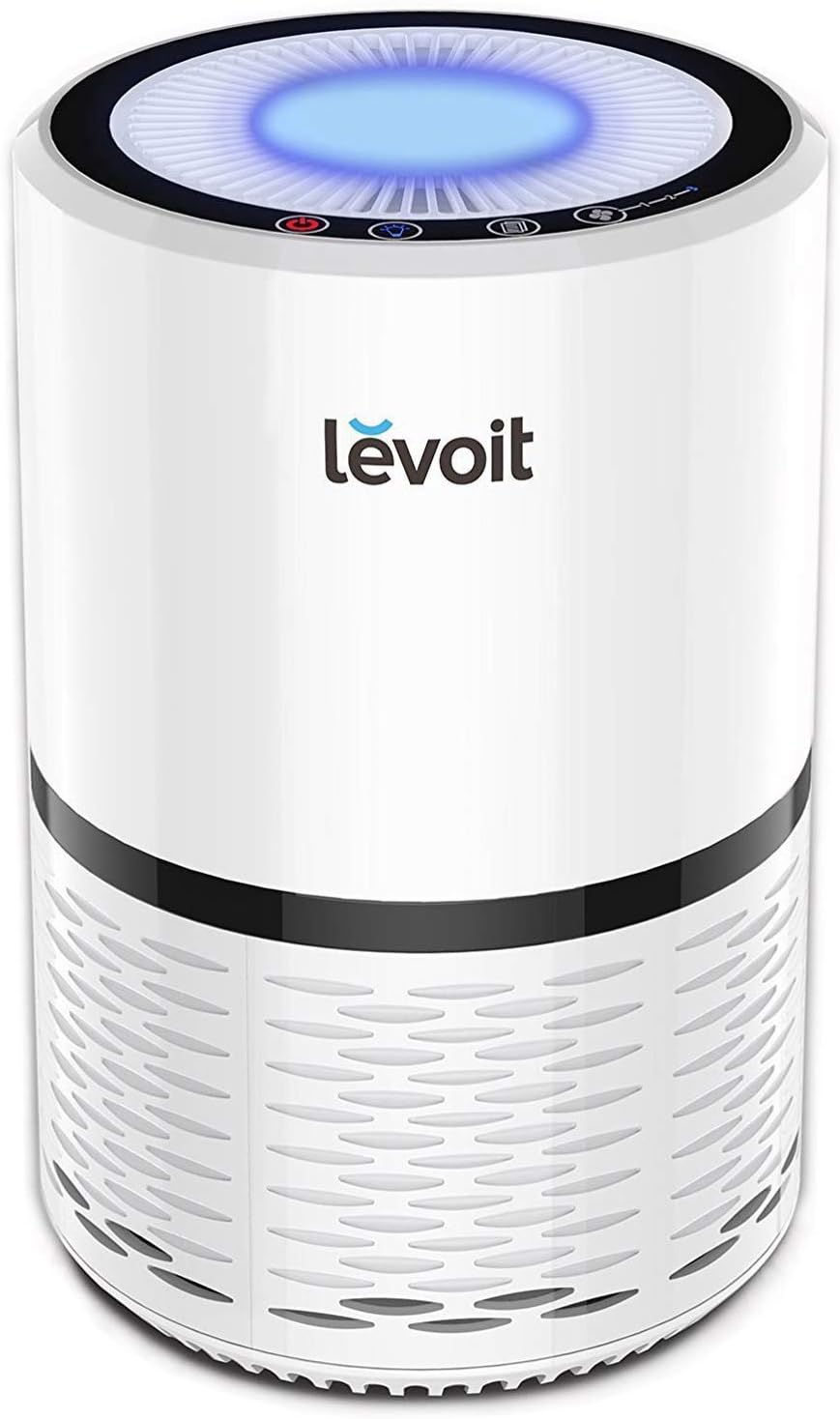
Levoit Core 300S
For smaller rooms or as a personal air purifier, the Levoit Core 300S is an excellent option. It utilizes a 3-stage filtration system: a pre-filter, a True HEPA filter, and an activated carbon filter. This system effectively removes allergens, dust, pet dander, smoke, and odors.
The Core 300S is compact, energy-efficient, and operates very quietly, especially on its lowest setting. It’s also known for being ozone-free. Its smart capabilities allow for app control and voice commands, which can be helpful for those with limited mobility.
Winix 5500-2
The Winix 5500-2 is a well-regarded air purifier that offers a comprehensive filtration system, including a True HEPA filter, an activated carbon filter, and Winix’s PlasmaWave technology. PlasmaWave can break down airborne pollutants at a molecular level without producing harmful ozone. It’s also AHAM verified for CADR and room size.
It features an auto mode and air quality sensor to adjust performance as needed. The unit is reasonably quiet and effective for medium to large rooms, making it a versatile choice for improving indoor air quality for chemo patients.
Philips Series 2000i Air Purifier
Philips is a trusted brand in home appliances, and their Series 2000i air purifier is a solid choice for sensitive environments. It features a multi-layer filtration system, including a pre-filter, an activated carbon filter, and a True HEPA filter, to capture particles and allergens. It also boasts an IAI (Indoor Air Quality) sensor that provides real-time feedback.
The unit is designed for quiet operation and includes a dedicated allergen mode. Its smart features, controllable via a connected app, allow for remote monitoring and adjustments, which can be very convenient for caregivers.
Table: Air Purifier Features Comparison for Chemo Patients
| Feature | Coway Airmega 200M | Blueair Classic 480i | Levoit Core 300S | Winix 5500-2 | Philips Series 2000i |
| :——————- | :—————– | :——————- | :————— | :———– | :——————- |
| Filtration Type | Pre-filter, Carbon, True HEPA | Pre-filter, Carbon, True HEPA (HEPASilent) | Pre-filter, True HEPA, Carbon | Pre-filter, Carbon, True HEPA, PlasmaWave | Pre-filter, Carbon, True HEPA |
| Room Size Coverage | Medium to Large | Large | Small to Medium | Medium to Large | Medium to Large |
| Noise Level | Quiet | Very Quiet | Extremely Quiet | Quiet | Quiet |
| Ozone Production | No | No | No | No (PlasmaWave certified ozone-free) | No |
| Smart Features | Yes | Yes | Yes | Yes | Yes |
| Filter Indicator | Yes | Yes | Yes | Yes | Yes |
Setting Up and Maintaining Your Air Purifier
Proper setup and regular maintenance are crucial for ensuring your air purifier performs optimally and continues to protect the chemo patient. Neglecting these steps can reduce its effectiveness and potentially lead to more harm than good. I always recommend reading the manufacturer’s manual thoroughly.
Initial Placement for Maximum Effectiveness
The placement of your air purifier can significantly impact its performance. Ideally, position it in the room where the chemo patient spends most of their time, such as their bedroom or a living area. Ensure there’s adequate space around the unit for air intake and exhaust; avoid placing it directly against walls or furniture.
Placing the unit on a flat, stable surface away from direct sunlight or heat sources is also advisable. If the patient has specific areas where they rest or receive visitors, consider using a smaller, portable unit in those locations as well.
Regular Filter Replacement Schedule
The heart of an air purifier’s effectiveness lies in its filters. HEPA and carbon filters have a limited lifespan and must be replaced according to the manufacturer’s recommendations. Overused filters become clogged, reducing airflow and their ability to capture pollutants.
Most manufacturers provide a filter replacement indicator, which is a convenient feature. However, in environments with higher pollution levels or for chemo patients, you might consider replacing filters slightly more frequently to maintain peak performance. Always use genuine replacement filters from the manufacturer to ensure compatibility and effectiveness.
Cleaning the Exterior and Pre-filters
Beyond filter replacement, regular cleaning of the air purifier’s exterior and any washable pre-filters is important. Dust accumulation on the unit’s casing can eventually be drawn into the system, so wiping it down with a damp cloth periodically is beneficial. Washable pre-filters capture larger particles like hair and dust bunnies, extending the life of the main HEPA filter.
These pre-filters can typically be rinsed under running water and should be dried completely before being reinserted. Checking and cleaning them every few weeks can make a noticeable difference in the overall performance and longevity of the unit.
Where to Place Your Air Purifier for the Best Results
Strategic placement is key to maximizing the benefits of an air purifier, especially for a chemo patient. The goal is to ensure the cleanest possible air reaches them where they need it most. Consider the patient’s daily routine and the areas they occupy.
The Patient’s Bedroom: A Sanctuary of Clean Air
The patient’s bedroom is often the most critical space to purify. This is where they spend a significant amount of time resting and sleeping, which are crucial for recovery. Placing a well-sized air purifier in the bedroom can drastically reduce their exposure to airborne pathogens and allergens during these vulnerable hours.
Ensure the unit is set to its quietest setting during sleep to avoid disturbing rest. A model with a sleep mode is highly recommended for this space. This ensures continuous air purification without disruption.
Common Areas: Shared Spaces, Shared Protection
If the chemo patient spends time in common areas like the living room or a home office, consider placing an air purifier there as well. This ensures that even when they are not in their bedroom, they are still breathing cleaner air. It helps create a generally healthier home environment for everyone.
For larger common areas, you might need a more powerful unit or even two smaller units strategically placed. The aim is to ensure that any airborne contaminants introduced into these spaces are quickly filtered out.
Consideration for Other Rooms
Depending on the patient’s needs and the home’s layout, you might consider purifiers for other rooms. If they have a dedicated space for therapy sessions or a hobby, a portable unit could be beneficial there. The key is to identify high-traffic or high-occupancy areas.
The goal isn’t to purify every single room, but to focus on the spaces where the patient spends the majority of their time. This targeted approach ensures the most critical areas receive the highest level of protection.
Cost and Budget Considerations
Investing in an air purifier is a health-related expense, and it’s wise to approach it with budget in mind. While the initial cost can vary, it’s important to consider the long-term expenses, such as filter replacements and energy consumption. The benefits to a chemo patient’s health often outweigh the costs.
Initial Purchase Price
Air purifiers can range from under $100 for smaller, basic models to over $500 for high-end units with advanced features and larger coverage areas. For chemo patients, I recommend prioritizing effective HEPA filtration and reliable performance over flashy features. A mid-range model from a reputable brand often strikes a good balance between cost and effectiveness.
Look for units that offer a good CADR rating for their price point and have proven durability. Sales and discounts can also make more advanced models more accessible.
Ongoing Costs: Filters and Energy
Remember to factor in the cost of replacement filters. HEPA filters typically need to be replaced every 6-12 months, depending on usage and air quality, and can cost anywhere from $30 to $100 or more per set. Activated carbon filters may also need periodic replacement.
Energy consumption is another factor. Look for Energy Star certified models, which are designed to be more energy-efficient, saving you money on your electricity bill over time. While the upfront cost of a more efficient model might be slightly higher, the long-term savings can be significant.
Frequently Asked Questions (FAQs)
What is the most important feature in an air purifier for chemo patients?
The most crucial feature is a True HEPA filter, which effectively captures 99.97% of airborne particles as small as 0.3 microns, including bacteria, viruses, and allergens.
Can air purifiers help prevent infections in chemo patients?
Yes, by significantly reducing the concentration of airborne pathogens and irritants, air purifiers can help lower the risk of respiratory infections for immunocompromised individuals.
How often should I replace the filters?
Filter replacement frequency varies by model and usage, but typically HEPA filters need replacing every 6-12 months. Many units have indicators to remind you.
Are ozone-producing air purifiers safe for chemo patients?
No, ozone generators and ionizers that produce ozone are not safe for chemo patients. Ozone is a lung irritant and can worsen respiratory issues. Always choose ozone-free certified models.
What room size should I aim for?
Choose an air purifier rated for the size of the room where it will be used, ensuring it can achieve at least 4-5 air changes per hour (ACH) for optimal cleaning.
Can I use an air purifier in conjunction with other air cleaning methods?
Yes, an air purifier is a primary defense, but maintaining good household hygiene, proper ventilation when safe, and avoiding strong fragrances can further enhance air quality.
Conclusion
Choosing the best air purifier for chemo patients is a proactive and essential step in safeguarding their health during a critical time. By focusing on True HEPA filtration, adequate room coverage, quiet operation, and ozone-free technology, you can create a significantly safer and more comfortable environment. Remember to consider the ongoing costs of filter replacements and energy usage to make a sustainable choice. Investing in a quality air purifier provides peace of mind and actively contributes to the patient’s well-being and recovery.