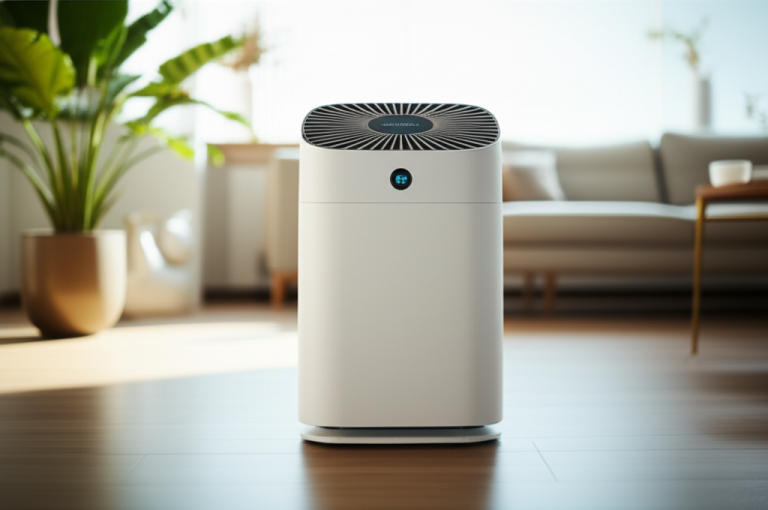
Best Air Purifier For Allergy Sufferers: Proven Relief

Breathe easy with the best air purifier for allergy sufferers, offering proven relief from common allergens like dust, pollen, pet dander, and mold. Discover top models and key features to find your perfect solution for a healthier home environment.
The constant sniffles, itchy eyes, and wheezing can make living with allergies feel like a daily battle. You deserve a sanctuary at home, free from the airborne irritants that trigger your symptoms. Finding the right air purifier can dramatically improve your quality of life, offering a breath of fresh air when you need it most. Let’s explore how to choose the best air purifier for allergy sufferers and reclaim your comfort.
Why an Air Purifier is Essential for Allergy Sufferers
An air purifier acts as a guardian for your indoor air quality, actively removing microscopic particles that cause allergic reactions. These devices are specifically designed to capture common allergens that circulate in your home, such as dust mites, pollen, pet dander, mold spores, and even smoke particles. By reducing the concentration of these triggers, an air purifier can significantly alleviate allergy symptoms, leading to better sleep and overall well-being.
Understanding Common Allergy Triggers
Allergies are often triggered by microscopic particles that become airborne and are inhaled. Common culprits include pollen from outdoor plants, dust mites that thrive in bedding and carpets, pet dander shed from furry friends, and mold spores that can grow in damp areas. Even volatile organic compounds (VOCs) from cleaning products and furniture can irritate sensitive airways.
How Air Purifiers Combat Allergens
Air purifiers work by drawing in room air, passing it through a series of filters, and then releasing cleaner air back into the space. The most critical filter for allergy sufferers is the HEPA filter, which is designed to capture at least 99.97% of airborne particles as small as 0.3 microns. This effectively traps the tiny allergens that cause so much discomfort.
Key Features to Look For in the Best Air Purifier for Allergy Sufferers
When selecting an air purifier, prioritizing specific features ensures it will effectively tackle your allergy concerns. Not all purifiers are created equal, and understanding these key components will guide you to the most beneficial models for proven relief.
The Power of HEPA Filtration
High-Efficiency Particulate Air (HEPA) filters are the gold standard for allergy sufferers. Look for purifiers that are certified True HEPA, meaning they meet stringent standards for particle removal. These filters are crucial for trapping the smallest allergens that can cause the most severe reactions.
A True HEPA filter is essential for capturing 99.97% of airborne particles down to 0.3 microns, including dust mites, pollen, pet dander, and mold spores. This level of filtration is paramount for significant allergy symptom reduction.
Activated Carbon Filters for Odors and VOCs
Beyond allergens, many air purifiers include activated carbon filters. These filters are excellent at absorbing odors from cooking, pets, and smoke, as well as volatile organic compounds (VOCs) emitted from household products. This dual-action filtration provides a more comprehensive approach to cleaner air.
Coverage Area and CADR Ratings
The effectiveness of an air purifier is also dependent on its ability to clean the air in your room. Look for the coverage area, usually measured in square feet, to ensure it’s suitable for the size of your space. Higher Clean Air Delivery Rate (CADR) ratings for smoke, dust, and pollen indicate a more powerful and efficient unit.
The CADR rating tells you how quickly an air purifier can filter specific pollutants. Higher numbers mean faster and more effective air cleaning for smoke, dust, and pollen.
Noise Levels and Sleep Modes
Air purifiers can sometimes be noisy, which can be disruptive, especially in bedrooms. Many models offer multiple fan speeds and a “sleep mode” that reduces fan speed and noise levels for quiet operation during the night. This feature is vital for maintaining a peaceful sleeping environment.
Additional Features: Smart Technology and Air Quality Sensors
Modern air purifiers often come with smart features like Wi-Fi connectivity, app control, and air quality sensors. These sensors can automatically adjust the fan speed based on real-time air quality, ensuring optimal performance without manual intervention. Some even provide historical air quality data.
Top Air Purifier Models for Allergy Relief in 2024
Based on performance, features, and user reviews, here are some of the best air purifier models that consistently deliver proven relief for allergy sufferers. I’ve chosen these based on their robust filtration systems and suitability for various home environments.
Coway Airmega AP-1512HH Mighty
The Coway Airmega AP-1512HH Mighty is frequently cited as a top contender for its excellent combination of HEPA filtration, activated carbon, and a pre-filter. Its smart sensor and auto mode make it incredibly user-friendly, while its compact design fits well in most rooms. This model is a reliable workhorse for allergy sufferers.
This purifier is celebrated for its quiet operation and effective allergen capture. Its multi-stage filtration system tackles a wide range of airborne irritants, making it a standout choice for consistently clean air.
Levoit Core 300S Smart True HEPA Air Purifier
For those seeking a balance of performance and affordability, the Levoit Core 300S is an excellent option. It features a 3-stage filtration system, including a True HEPA filter, and offers smart capabilities for remote control. Its compact size makes it ideal for bedrooms or smaller living spaces.
The Levoit Core 300S provides effective air purification for its size and price point. Its smart features add convenience, allowing you to manage your air quality effortlessly.
Blueair Blue Pure 411 Auto
The Blueair Blue Pure 411 Auto is known for its Scandinavian design and whisper-quiet operation. It uses a unique combination of electrostatic and mechanical filtration to capture particles, along with a carbon filter for odors. The “Auto” version includes an air quality sensor for automatic adjustments.
This model excels in providing silent yet powerful air cleaning. Its efficient filtration system is designed to remove allergens and pollutants quickly, contributing to a healthier indoor atmosphere.
Winix 5500-2 Air Purifier
The Winix 5500-2 is a popular choice due to its comprehensive filtration, including a True HEPA filter, washable AOC carbon filter, and PlasmaWave technology. It’s well-suited for medium to large rooms and effectively tackles pet dander, pollen, and other common allergens. It also boasts an auto mode and air quality sensor.
This purifier offers a robust, multi-layered approach to air cleaning. Its washable pre-filter and carbon filter contribute to long-term cost-effectiveness while maintaining high performance.
Honeywell HPA300
The Honeywell H500 is a powerful option for larger spaces, designed to capture up to 99.97% of allergens. It features a True HEPA filter and an activated carbon pre-filter. Its ability to perform multiple air changes per hour makes it suitable for reducing allergen levels quickly in significant areas.
This unit is engineered for maximum air purification in larger rooms. Its performance metrics are impressive, ensuring that allergens are effectively removed from your living space.
How to Choose the Right Air Purifier for Your Needs
Selecting the best air purifier for allergy sufferers involves more than just picking a popular model. I recommend considering your specific allergy triggers, the size of your space, and any additional features that would enhance your comfort and convenience.
Assess Your Specific Allergy Triggers
Are you most bothered by pollen, pet dander, dust mites, or mold? Some purifiers may have specialized filters or designs that are more effective against certain allergens. For instance, a robust pre-filter is excellent for capturing larger particles like pet hair.
Understanding your primary allergy triggers helps you focus on purifiers with filtration systems best suited to remove them. This targeted approach maximizes your relief and investment.
Consider Room Size and Air Changes Per Hour (ACH)
Ensure the air purifier’s coverage area matches or exceeds the square footage of the room where you’ll use it most. Also, consider the Air Changes Per Hour (ACH) rating; a higher ACH means the purifier cleans the air in the room more frequently, which is beneficial for severe allergies.
A higher ACH rating indicates the purifier can cycle and clean the air in the room more times per hour. Aim for at least 4-5 ACH for optimal allergy symptom reduction.
Evaluate Filter Replacement Costs and Availability
Air purifiers require regular filter replacements to maintain their effectiveness. Before purchasing, research the cost and availability of replacement filters for the models you’re considering. This ongoing cost can significantly impact your budget.
Factor in the recurring cost of replacement filters, as this is a crucial part of the long-term ownership expense for any air purifier. Ensure filters are readily available.
Placement and Maintenance for Optimal Performance
Even the best air purifier needs proper placement and regular maintenance to function at its peak. Following these guidelines will ensure you get the most out of your investment and enjoy consistently clean air.
Strategic Placement in Your Home
For maximum effectiveness, place your air purifier in the room where you spend the most time, such as your bedroom or living room. Ensure there’s at least a foot of clearance around the unit to allow for unrestricted airflow. Avoid placing it directly against walls or furniture.
Strategic placement allows the purifier to draw in air from all directions and circulate cleaner air efficiently throughout the room. This maximizes its allergen-capturing capabilities.
Regular Filter Cleaning and Replacement
Follow the manufacturer’s instructions for cleaning or replacing filters. HEPA filters typically need replacement every 6-12 months, while pre-filters may be washable and can be cleaned more frequently. Neglecting filter maintenance can significantly reduce the purifier’s performance.
Consistent filter maintenance is non-negotiable for sustained air purification performance. Dirty filters hinder airflow and reduce the unit’s ability to capture allergens effectively.
Frequently Asked Questions (FAQ) About Air Purifiers for Allergies
Here are answers to some common questions I receive about using air purifiers to combat allergy symptoms.
Can an air purifier completely eliminate my allergies?
While an air purifier can significantly reduce allergens in your home and alleviate symptoms, it cannot completely eliminate allergies, which are a bodily response. It’s a crucial tool for managing your environment, but it works best as part of a broader allergy management plan.
How often should I run my air purifier?
For allergy sufferers, it’s generally recommended to run your air purifier continuously, especially during peak allergy seasons or when allergens are most prevalent. Many models have energy-saving auto modes that adjust performance based on air quality.
Are air purifiers noisy?
The noise level of an air purifier varies by model and fan speed. Most modern purifiers offer quiet operation on lower settings or dedicated sleep modes, making them suitable for bedrooms. Always check the decibel (dB) ratings if noise is a concern.
How do I know if an air purifier is working?
You can often feel the difference in air quality, with less dust settling and a reduction in allergy symptoms. Many purifiers also have air quality indicators that change color or display a reading to show the current air quality.
What is the difference between HEPA and True HEPA filters?
“True HEPA” filters are certified to capture at least 99.97% of airborne particles 0.3 microns in size. “HEPA-type” or “HEPA-like” filters may capture a similar percentage but not necessarily at the same particle size, making True HEPA the superior choice for allergy sufferers.
Can air purifiers help with pet dander allergies?
Yes, air purifiers with True HEPA filters are highly effective at capturing pet dander, which is a common allergen. They also help reduce pet odors when equipped with activated carbon filters.
Conclusion: Breathe Freely with the Right Air Purifier
Investing in the best air purifier for allergy sufferers is a proactive step towards a more comfortable and healthier life. By understanding the key features like True HEPA filtration, considering your specific needs, and ensuring proper maintenance, you can effectively combat airborne allergens. Don’t let allergies dictate your well-being; take control of your indoor air quality and experience the proven relief of breathing cleaner, fresher air. Your sanctuary awaits.