
Are Air Purifiers Good For The Home? Essential Guide

Yes, air purifiers can be very good for the home, effectively removing allergens, pollutants, and odors to improve indoor air quality and promote better health for occupants. This guide explores their benefits, how they work, and what to consider when choosing one.
Air quality inside our homes can sometimes be worse than the air outside, filled with invisible particles that affect our health and comfort. You might be wondering, are air purifiers good for the home? Many people struggle with allergies, asthma, or just a general sense of stuffiness. This guide will walk you through everything you need to know, from how these devices work to which one is best for your needs.
What Exactly Are Air Purifiers and How Do They Work?
Air purifiers are designed to remove contaminants from the air in a room. They typically draw in air, pass it through a filtration system, and then release the cleaner air back into the environment. This process can significantly reduce airborne irritants and improve overall indoor air quality.
The Science Behind Cleaner Air: Filtration Technologies
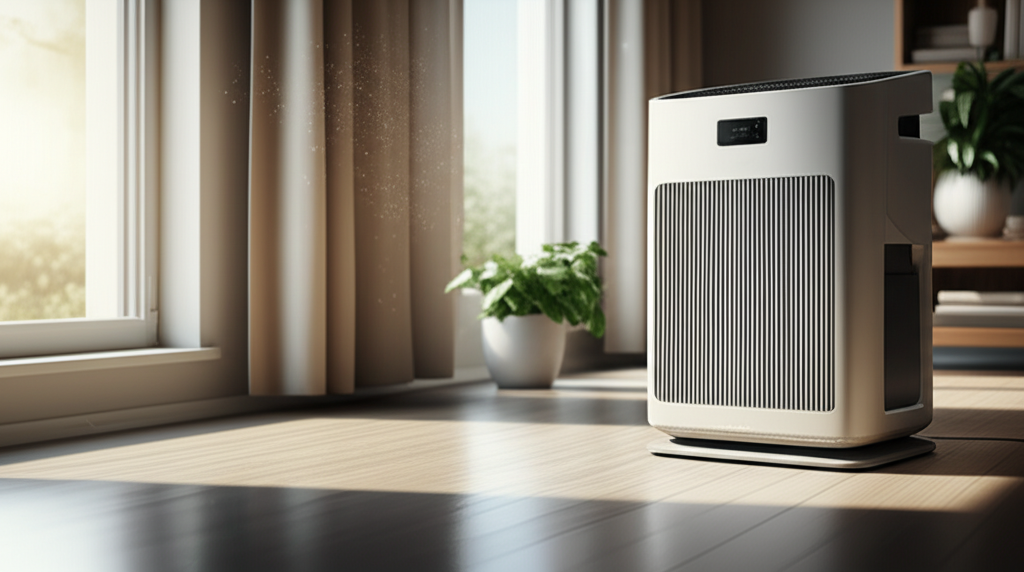
Most air purifiers rely on filters to capture pollutants. HEPA (High-Efficiency Particulate Air) filters are the gold standard, capturing at least 99.97% of particles 0.3 microns in size. Other technologies include activated carbon filters for odors and gases, and UV-C light for killing germs.
HEPA Filters: The Gold Standard for Particle Removal
HEPA filters are incredibly effective at trapping tiny particles like dust mites, pollen, pet dander, and mold spores. This makes them a crucial component for anyone suffering from allergies or respiratory issues. A true HEPA filter meets strict standards for particle capture.
Activated Carbon Filters: Tackling Odors and VOCs
While HEPA filters excel at particles, activated carbon filters are designed to absorb gases, odors, and volatile organic compounds (VOCs). These can come from cooking, cleaning products, or furniture off-gassing, and carbon filters help neutralize them.
Other Filtration Methods: UV-C and Ionizers
Some purifiers use UV-C light to kill airborne bacteria and viruses, while others employ ionizers to charge particles, causing them to stick to surfaces or collection plates. It’s important to research the effectiveness and potential byproducts of these technologies.
The Compelling Benefits: Are Air Purifiers Good For The Home?
The answer is a resounding yes, especially for specific health concerns and general well-being. Investing in an air purifier can lead to a noticeably healthier living environment. They are particularly beneficial for those with respiratory conditions.
Alleviating Allergy and Asthma Symptoms
For individuals with allergies or asthma, air purifiers are not just good; they can be life-changing. By removing common allergens like pollen, dust, and pet dander from the air, they can significantly reduce the frequency and severity of symptoms. This leads to easier breathing and better sleep.
Reducing Airborne Germs and Viruses
During cold and flu season, or for those with compromised immune systems, air purifiers can offer an extra layer of protection. Some purifiers with HEPA filters and UV-C technology can capture and neutralize airborne viruses and bacteria, helping to keep your household healthier.
Eliminating Unpleasant Odors
Lingering cooking smells, pet odors, or the musty scent of dampness can make a home feel less inviting. Air purifiers equipped with activated carbon filters are excellent at absorbing these odors, leaving your home smelling fresh and clean.
Improving Overall Sleep Quality
Poor air quality can disrupt sleep, leading to a stuffy nose or coughing fits. Cleaner air, free from irritants, can promote deeper and more restful sleep. Many people report waking up feeling more refreshed after using an air purifier.
Protecting Against Household Pollutants
Our homes are filled with potential pollutants from everyday activities, including cleaning supplies, air fresheners, and even new furniture. Air purifiers can help capture these VOCs and other harmful particles, contributing to a safer indoor environment.
Key Considerations When Choosing an Air Purifier
When you decide that an air purifier is a good investment for your home, the sheer number of options can be overwhelming. Focusing on a few key features will help you make the best choice for your specific needs and budget.
Understanding CADR Ratings
CADR (Clean Air Delivery Rate) is a standardized measure of how quickly an air purifier can clean a room of smoke, dust, and pollen. Higher CADR ratings mean the unit cleans the air more effectively and faster. Always match the CADR to your room size.
HEPA Filter Type: True HEPA vs. HEPA-like
It’s crucial to look for “True HEPA” filters, which meet the industry standard for capturing 99.97% of particles. “HEPA-like” or “HEPA-type” filters may not perform as effectively, so always check the specifications carefully.
Room Size and Placement Strategy
Air purifiers are rated for specific room sizes. Choosing a unit that’s too small for your space will render it less effective. Consider where you’ll place it; often, the bedroom or main living area are primary targets.
Noise Levels and Energy Consumption
Air purifiers can vary greatly in noise. If you’re sensitive to sound, especially in a bedroom, look for models with low decibel ratings or a quiet/sleep mode. Also, consider the energy efficiency to manage electricity costs.
Filter Replacement Costs and Availability
Filters need to be replaced regularly, typically every 6-12 months. Factor these ongoing costs into your purchase decision, and ensure the replacement filters are readily available for the model you choose.
Are Air Purifiers Good For The Home With Pets?
Absolutely, air purifiers are excellent for homes with pets. They are specifically designed to tackle pet dander, a common allergen, as well as pet odors. This makes them a valuable tool for pet owners who want to maintain cleaner air.
Tackling Pet Dander Effectively
Pet dander consists of tiny flecks of skin shed by animals with fur or feathers. These microscopic particles can easily become airborne and trigger allergic reactions. A good air purifier with a HEPA filter can capture a significant amount of this dander.
Neutralizing Pet Odors
Beyond dander, pets can contribute to noticeable odors in the home. Air purifiers with substantial activated carbon filters are highly effective at absorbing and neutralizing these unpleasant smells, leaving your home smelling fresher.
Are Air Purifiers Good For The Home With Allergies?
Yes, air purifiers are highly beneficial for individuals suffering from allergies. They act as a crucial defense against common airborne allergens that can trigger sneezing, itchy eyes, and breathing difficulties. They can significantly improve indoor air quality for allergy sufferers.
Capturing Pollen and Dust Mites
Pollen from outdoor plants and dust mites, which thrive in bedding and carpets, are major indoor allergens. Air purifiers with HEPA filters are adept at trapping these irritants, reducing your exposure and potential reactions.
Reducing Mold Spores
Mold can grow in damp areas of the home and release spores into the air, which are problematic for allergy sufferers. Air purifiers can help capture these mold spores, contributing to a healthier indoor environment.
Are Air Purifiers Good For The Home With Asthma?
Air purifiers can be an invaluable addition to the home for individuals with asthma. By removing irritants like dust, pet dander, smoke, and certain VOCs, they help create a cleaner environment that can reduce asthma triggers and improve breathing.
Minimizing Asthma Triggers
Asthma flare-ups can be caused by a variety of airborne particles. An air purifier works to remove many of these common triggers, offering a more comfortable and breathable living space for asthmatics.
Promoting Easier Breathing
When the air is cleaner, breathing becomes easier. For someone with asthma, this can mean fewer nighttime awakenings due to coughing or wheezing and a generally improved quality of life.
Are Air Purifiers Good For The Home With Babies or Children?
Yes, air purifiers are particularly good for homes with babies and young children. Their developing respiratory systems are more sensitive to air pollutants, making a cleaner indoor environment crucial for their health and well-being.
Protecting Developing Lungs
Children’s lungs are still growing, making them more vulnerable to the effects of poor air quality. An air purifier can help reduce their exposure to allergens and pollutants, supporting healthy respiratory development.
Creating a Healthier Nursery Environment
A clean-air environment in a nursery can contribute to better sleep for babies and reduce the risk of respiratory issues. It provides peace of mind for parents concerned about their child’s health.
Are Air Purifiers Good For The Home With Smokers?
For households where smoking occurs, even if it’s occasionally or just one person, an air purifier is highly recommended. They are excellent at capturing smoke particles and neutralizing the associated odors, significantly improving the air quality for everyone.
Capturing Smoke Particles
Cigarette smoke contains thousands of harmful chemicals and fine particulate matter. A powerful air purifier with both a HEPA filter and an activated carbon filter can effectively trap these particles and reduce their presence in the air.
Eliminating Smoke Odors
The lingering smell of smoke can be pervasive and difficult to remove. Air purifiers with robust carbon filters are key to absorbing these odors, making the home more pleasant for non-smokers.
Top Air Purifier Brands and Models to Consider
Choosing the right brand and model can make all the difference. While many excellent options exist, focusing on reputable brands known for performance and reliability is a good starting point. Researching specific models based on your needs is essential.
Popular and Trusted Brands
Brands like Coway, Levoit, Blueair, Winix, and Dyson are consistently rated highly for their performance and innovation. Each brand offers a range of models with different features and price points, catering to diverse consumer needs.
Key Features to Look For in Top Models
When comparing models, pay attention to CADR ratings, filter types (especially True HEPA and substantial carbon), room coverage, noise levels, smart features (app control, air quality sensors), and energy efficiency (ENERGY STAR certification).
Maintaining Your Air Purifier for Optimal Performance
To ensure your air purifier continues to work effectively, regular maintenance is key. This primarily involves cleaning the unit and, most importantly, replacing the filters as recommended by the manufacturer. Neglecting this can reduce its efficiency.
The Importance of Regular Filter Replacement
Filters have a limited lifespan. Once they become saturated with pollutants, they can no longer clean the air effectively and may even start to release trapped particles. Always follow the manufacturer’s guidelines for replacement.
Cleaning Your Air Purifier Unit
Beyond filter replacement, gently vacuuming the exterior and pre-filters can help maintain your unit. Some units have washable pre-filters that can be rinsed and dried. Refer to your manual for specific cleaning instructions.
Frequently Asked Questions About Air Purifiers
What is the most important factor when buying an air purifier?
The most important factor is ensuring it has a True HEPA filter and is rated for the size of the room you intend to use it in.
How often should I replace the filters?
Filter replacement schedules vary by model and usage, but typically range from 6 to 12 months. Always check your manufacturer’s manual.
Can air purifiers help with allergies and asthma?
Yes, they are highly beneficial by removing allergens like pollen, dust mites, and pet dander from the air, which can significantly reduce symptoms.
Do air purifiers use a lot of electricity?
Most modern air purifiers are quite energy-efficient, especially those with ENERGY STAR certification. Usage will vary based on fan speed and runtime.
Are air purifiers effective against viruses like COVID-19?
While air purifiers can help reduce airborne viral particles, they are not a substitute for other preventive measures like vaccination, mask-wearing, and good ventilation.
Can an air purifier make my room too dry or too humid?
No, air purifiers do not affect humidity levels in a room; they only filter the air.
Where is the best place to put an air purifier in a room?
Placing it in a central location with good airflow, away from walls or furniture that could obstruct intake, is generally best for maximum effectiveness.
Conclusion: Are Air Purifiers Good For The Home? A Clear Verdict
In conclusion, the answer to “are air purifiers good for the home?” is a definitive and enthusiastic yes. They offer a tangible way to improve indoor air quality, which is crucial for our health and well-being. From reducing allergy and asthma symptoms to eliminating odors and protecting against airborne germs, the benefits are substantial. By understanding how they work, what features to look for, and how to maintain them, you can make an informed decision and invest in a cleaner, healthier living space for yourself and your loved ones.
