
Air Purifier With Activated Charcoal For VOCs: Essential Guide

An air purifier with activated charcoal is your secret weapon against VOCs, offering a powerful, natural solution to common indoor air pollutants. This guide will demystify how it works, what to look for, and how to maximize its benefits for a healthier home.
Feeling a persistent stuffiness or noticing strange odors in your home? You’re not alone. Many of us are unknowingly breathing in Volatile Organic Compounds (VOCs), invisible gases released from everyday items like paints, cleaning supplies, and furniture. These can cause headaches, respiratory irritation, and long-term health concerns. Fortunately, a well-chosen air purifier with activated charcoal can make a significant difference. I’m here to guide you through understanding this powerful technology and finding the best solution for your home. Let’s explore how to breathe cleaner, fresher air together.
What Are VOCs and Why Should You Care?
Volatile Organic Compounds (VOCs) are gases emitted from various products and processes, often with a strong odor. They are a common indoor air pollutant, posing risks to your health and well-being.
VOCs are everywhere, silently impacting the air quality in our homes and workplaces. They are released from a wide array of sources, making it difficult to escape their presence. Understanding these compounds is the first step toward mitigating their effects and ensuring a healthier living environment.
Common Sources of VOCs in Your Home
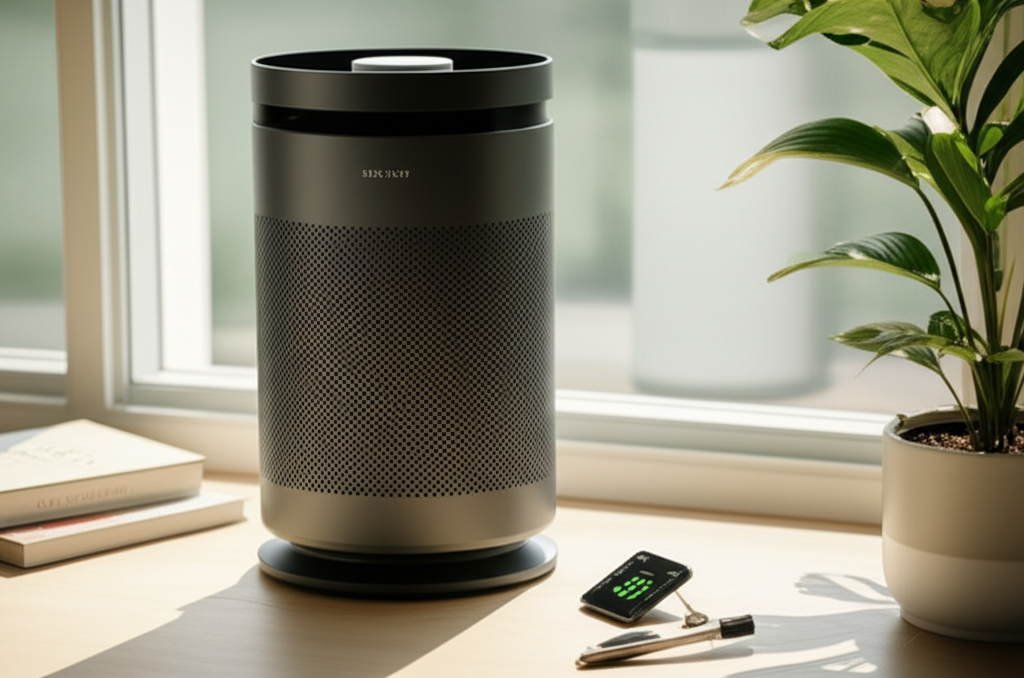
From the products you use daily to the very materials that build your home, VOCs are pervasive. Identifying these sources is key to reducing your exposure.
- Building Materials: New carpets, paints, varnishes, and adhesives can off-gas VOCs for extended periods.
- Household Products: Air fresheners, cleaning agents, disinfectants, and even cosmetics release VOCs into the air.
- Furniture and Decor: Upholstery, pressed wood furniture, and certain plastics can contain and release these harmful gases.
- Combustion Sources: Smoking, cooking, and poorly ventilated fireplaces or gas stoves contribute to VOC levels.
- Personal Care Products: Hairspray, perfumes, and nail polish removers are common culprits.
Being aware of these common sources empowers you to make more informed choices about the products you bring into your home.
The Health Impacts of VOC Exposure
Short-term exposure to VOCs can cause immediate discomfort, while long-term exposure may lead to more serious health issues. Protecting your indoor air is crucial for your family’s health.
The effects of VOCs range from mild irritation to significant health problems. Children, the elderly, and individuals with respiratory conditions are particularly vulnerable. Addressing VOCs in your home is an investment in your long-term well-being.
- Acute Symptoms: Eye, nose, and throat irritation, headaches, nausea, dizziness, and fatigue.
- Chronic Effects: Liver, kidney, and central nervous system damage. Some VOCs are known or suspected carcinogens.
- Respiratory Issues: Aggravation of asthma and other respiratory conditions.
Prioritizing good indoor air quality can help prevent these adverse health outcomes.
How Activated Charcoal Filters Work for VOCs
Activated charcoal uses a highly porous structure to trap VOC molecules through adsorption, effectively purifying the air. Its vast surface area makes it exceptionally efficient at capturing these invisible pollutants.
This natural material is a powerhouse in air purification, specifically targeting gases and odors that other filters might miss. Its unique properties make it an indispensable component in achieving truly clean indoor air. Understanding this mechanism helps appreciate why an air purifier with activated charcoal for VOCs is so effective.
The process is fascinating: activated charcoal is treated to create millions of tiny pores. These pores dramatically increase the surface area available for adsorption, the process where gas molecules stick to the surface of the solid material. When air passes through the filter, VOCs and other odor-causing molecules are captured and held within these pores, leaving the air cleaner.
The Science Behind Adsorption
Adsorption is a surface phenomenon where molecules adhere to the surface of a solid material. Activated charcoal’s immense surface area maximizes this process for VOC removal.
Unlike absorption, where a substance is dissolved into another, adsorption involves molecules clinging to the surface. This is precisely what happens with VOCs and activated charcoal. The chemical structure and physical properties of charcoal make it an ideal adsorbent for a wide range of organic compounds.
The key is the activation process, which involves heating charcoal to very high temperatures in the absence of air. This process creates a vast network of microscopic pores, increasing the surface area to an astonishing degree – a single gram can have a surface area of over 500 square meters. This enormous surface area provides countless sites for VOC molecules to bind to.
Why Activated Charcoal is Superior for Gases and Odors
While HEPA filters excel at capturing particles, activated charcoal is specifically designed to tackle gaseous pollutants like VOCs and odors. It’s the dynamic duo for comprehensive air purification.
Many air purifiers feature a multi-stage filtration system, and for good reason. A pre-filter captures larger particles, a HEPA filter removes fine particulates like dust and pollen, and the activated charcoal filter then addresses the invisible gases. This layered approach ensures that all types of pollutants are effectively managed, providing a complete solution for indoor air quality. An air purifier with activated charcoal for VOCs is thus a crucial part of a healthy home environment.
The effectiveness of activated charcoal lies in its chemical affinity for many VOCs. These compounds are often attracted to the charcoal’s surface and bond with it, effectively removing them from the air stream. This makes it an essential component for anyone concerned about chemical pollutants and lingering smells.
Choosing the Right Air Purifier with Activated Charcoal for VOCs
Selecting an air purifier with activated charcoal for VOCs requires careful consideration of filter size, material type, and coverage area. A good choice will significantly improve your indoor air quality.
Not all activated charcoal filters are created equal. The amount and quality of the charcoal, as well as the overall design of the air purifier, play a critical role in its effectiveness against VOCs. Here’s what I look for when recommending a unit.
When making your decision, think about the size of the room where you’ll use the purifier, the specific VOCs you’re most concerned about, and your budget. Reading reviews and understanding the manufacturer’s specifications will help you make an informed choice.
Key Features to Look For
Prioritize models with a substantial amount of activated charcoal, a robust pre-filter, and a certified HEPA filter for comprehensive air cleaning. These elements work together to create a powerful purification system.
- Amount of Activated Charcoal: Look for purifiers with a significant weight of activated charcoal (often measured in pounds or kilograms). More charcoal means longer-lasting effectiveness and better adsorption capacity for VOCs.
- Granular vs. Carbon Cloth: Granular activated charcoal is generally more effective and has a higher adsorption capacity than carbon-impregnated cloth filters.
- HEPA Filter: Ensure the unit also includes a True HEPA filter to capture fine particulate matter, which often accompanies VOCs.
- Pre-Filter: A washable pre-filter extends the life of the main filters by capturing larger particles like dust and pet hair.
- CADR Rating: Check the Clean Air Delivery Rate (CADR) for smoke, dust, and pollen to ensure the purifier is adequately sized for your room.
- Coverage Area: Match the purifier’s recommended coverage area to the square footage of your room.
By focusing on these features, you can be confident in selecting an air purifier that effectively tackles VOCs and other airborne contaminants.
Understanding Filter Lifespan and Replacement
Activated charcoal filters have a finite lifespan and need regular replacement to maintain optimal performance. This ensures your air purifier continues to effectively remove VOCs.
The lifespan of an activated charcoal filter varies based on usage, air quality, and the amount of charcoal in the unit. Manufacturers typically provide an estimated replacement interval, often ranging from 6 to 12 months. Ignoring replacement can lead to reduced effectiveness and even a release of trapped pollutants.
Factors influencing filter life include:
- Hours of Operation: The more the purifier runs, the faster the filter will saturate.
- Pollutant Levels: Heavily polluted environments will reduce filter life more quickly.
- Humidity: High humidity can affect the charcoal’s adsorption capacity.
Always refer to your air purifier’s manual for specific recommendations on filter replacement.
Top Brands and Models to Consider (Examples)
Several reputable brands offer excellent air purifiers with substantial activated charcoal filters designed for VOC reduction. Researching these options can lead you to a great fit for your home.
While specific model recommendations can change, certain brands consistently deliver high-quality air purification. I often see units from Coway, Blueair, Austin Air, and Molekule praised for their robust filtration systems, including effective activated charcoal components. Each offers unique technologies and price points, so it’s worth exploring their offerings.
For instance, some brands like air purifiers for smoke often feature extensive activated carbon filters, which are also highly effective against VOCs. When looking, pay attention to the stated amount of activated carbon and the overall filter design.
When researching, consider units that highlight their specific VOC removal capabilities. Brands like best air purifier for allergies also frequently incorporate strong activated carbon filters. These purifiers often provide detailed specifications about their filter composition, allowing for a more informed decision.
Maximizing the Effectiveness of Your Air Purifier
Proper placement, regular maintenance, and understanding your unit’s capabilities are crucial for maximizing the effectiveness of your air purifier with activated charcoal for VOCs. Consistent care ensures optimal performance.
Once you’ve invested in an air purifier, making sure it works as hard as possible is essential. Small adjustments and consistent habits can make a big difference in the air quality you experience. Let’s cover how to get the most out of your device.
Think of it like maintaining a car; regular checks and proper use ensure it runs smoothly and efficiently for years to come. Similarly, a little attention to your air purifier will ensure it consistently delivers clean air.
Optimal Placement in Your Home
Position your air purifier in a location where it can effectively circulate air, avoiding obstructions and ensuring optimal airflow. The right spot enhances its ability to capture VOCs throughout the room.
For best results, place your air purifier on a flat, stable surface, ideally in a central location within the room. Avoid corners or tight spaces where air circulation might be restricted. It should be at least a foot or two away from walls and furniture to allow for unimpeded intake and exhaust.
Consider placing it near the source of potential VOC emissions if you have a specific concern, such as a newly painted room or an area where cleaning supplies are stored. However, for general air purification, a central location is usually most effective. Ensure the unit is not placed where it could be easily knocked over, especially if you have pets or children.
Maintenance and Filter Replacement Schedule
Adhering to a strict maintenance schedule, including cleaning pre-filters and replacing activated charcoal and HEPA filters on time, is vital. This prevents performance degradation and ensures continuous VOC capture.
Regularly cleaning the pre-filter (usually monthly) is simple and significantly extends the life of the more expensive HEPA and charcoal filters. A dirty pre-filter clogs the system, reducing airflow and efficiency. For the activated charcoal and HEPA filters, follow the manufacturer’s recommended replacement schedule, typically noted in the user manual.
Some advanced air purifiers come with filter indicator lights that alert you when it’s time for a change. If yours doesn’t, mark your calendar or set a recurring reminder. Neglecting filter replacement means the activated charcoal can become saturated, rendering it ineffective and potentially releasing trapped pollutants back into the air.
Understanding Different Filtration Technologies
While activated charcoal is key for VOCs, understanding how it integrates with other technologies like HEPA and UV-C light provides a complete picture of air purification capabilities. Each technology serves a distinct purpose.
A multi-stage filtration system is the most effective. This typically includes:
- Pre-filter: Catches large particles like hair and dust.
- True HEPA Filter: Captures 99.97% of airborne particles down to 0.3 microns, including allergens, mold spores, and bacteria.
- Activated Charcoal Filter: Adsorbs VOCs, gases, and odors.
- Optional Technologies: Some units may include UV-C light for germicidal action or ionizers, though ionizers can sometimes produce ozone, which is itself a lung irritant.
When choosing an air purifier with activated charcoal for VOCs, ensure it also has a high-quality HEPA filter for comprehensive particle removal.
When to Consider an Air Purifier with Activated Charcoal
If you’re experiencing persistent odors, using chemical-heavy products, or concerned about off-gassing from new furnishings, an air purifier with activated charcoal for VOCs is a wise investment. It directly addresses these common indoor air quality issues.
The decision to buy an air purifier with activated charcoal for VOCs often stems from specific concerns or noticeable changes in your living environment. It’s not just about general air cleaning; it’s about targeting particular problems effectively. Let me walk you through some common scenarios where this type of purifier truly shines.
If you find yourself frequently asking “What is that smell?” or experiencing symptoms like headaches or itchy eyes without a clear cause, it might be time to consider better air filtration.
For Homes with Pets
Pets can contribute to odors and dander, both of which can be effectively managed by an air purifier with activated charcoal. The charcoal helps neutralize pet-related smells, while the HEPA filter captures dander.
Pet owners often struggle with lingering odors and airborne allergens like dander. While HEPA filters capture the dander, the activated charcoal component is crucial for tackling the various odors associated with pets, from litter boxes to general pet smells. This combination ensures a fresher, cleaner environment for both pets and their owners.
An air purifier with activated charcoal for VOCs can significantly reduce these issues, making your home more pleasant. It’s a proactive step towards a cleaner, healthier space for everyone in the household.
In Homes with New Furniture or Renovations
New furniture, carpets, and recent renovations can release significant amounts of VOCs. An activated charcoal filter is essential for adsorbing these off-gassed chemicals during the break-in period.
The “new home smell” is often a sign of off-gassing VOCs from paints, adhesives, and manufactured materials. These chemicals can linger for weeks or even months. An air purifier specifically designed to capture VOCs using activated charcoal is your best defense during this period.
Running such a purifier can help speed up the process of clearing these pollutants, making your newly renovated space or new furniture feel more comfortable and healthier much sooner. It’s a practical solution for mitigating the immediate impact of these common household changes.
For Allergy and Asthma Sufferers
While HEPA filters are primary for allergens, activated charcoal can help by removing VOCs that can exacerbate respiratory conditions and trigger allergy symptoms. It contributes to a more comprehensive approach to managing sensitivities.
People with allergies or asthma are often more sensitive to airborne irritants. VOCs can act as triggers, worsening symptoms and making breathing more difficult. By removing these gases, an air purifier with activated charcoal can contribute to a calmer respiratory environment.
This type of purifier offers an added layer of protection, complementing the particle-filtering capabilities of a HEPA filter. For individuals managing chronic respiratory conditions, creating the cleanest possible indoor air is paramount. An air purifier with activated charcoal for VOCs is a valuable tool in this effort.
Comparing Air Purifiers: Activated Charcoal vs. Other Technologies
While activated charcoal excels at VOCs, understanding its role alongside HEPA, UV-C, and ionizers provides a clear picture of comprehensive air purification. Each technology has its strengths and weaknesses.
Choosing the right air purification technology depends on your specific needs. Activated charcoal is a standout for gases and odors, but it works best as part of a complete system. Let’s break down how it compares to other common technologies.
This comparison will help you appreciate why an air purifier with activated charcoal for VOCs is often recommended for a holistic approach to indoor air quality.
Activated Charcoal vs. HEPA Filters
HEPA filters capture tiny particles, while activated charcoal adsorbs gases and odors. Together, they offer superior, comprehensive air cleaning. You need both for truly clean air.
It’s a common misconception that one filter type can do it all. HEPA (High-Efficiency Particulate Air) filters are designed to trap physical particles like dust, pollen, pet dander, and mold spores. They are incredibly effective at removing these from the air. However, they are largely ineffective against gases, chemicals, and odors.
This is where activated charcoal shines. Its porous structure is specifically designed to chemically adsorb gaseous molecules, including VOCs and odor compounds. Therefore, an air purifier with activated charcoal for VOCs that also includes a True HEPA filter provides the most complete solution for improving indoor air quality.
The Role of UV-C Light and Ionizers
UV-C light can kill airborne germs, while ionizers charge particles to make them easier to capture. However, be mindful of potential ozone production with some ionizers.
UV-C light is a germicidal technology that can inactivate bacteria, viruses, and mold spores as they pass through the purifier. It’s an added layer of sanitization, particularly useful in humid environments or if someone in the household is frequently ill. It doesn’t, however, remove VOCs or particles.
Ionizers work by releasing negative ions into the air. These ions attach to airborne particles, giving them a negative charge. This causes the particles to clump together and fall out of the air or stick to surfaces, making them easier for other filters to capture. Some ionizers, however, can produce ozone as a byproduct. Ozone is a lung irritant and can worsen respiratory conditions, so it’s important to choose an ozone-free ionizer or one with very low ozone emissions. An air purifier with activated charcoal for VOCs is less concerned with these technologies, focusing instead on gas adsorption.
Ozone Production Concerns
Some air purification technologies, particularly certain ionizers and electrostatic precipitators, can produce ozone. It’s crucial to opt for ozone-free or low-ozone models, especially if you have respiratory sensitivities.
Ozone (O3) is a gas that, while beneficial in the Earth’s stratosphere, can be harmful to breathe at ground level. It can irritate the lungs, aggravate asthma, and damage lung tissue. Technologies that intentionally or unintentionally produce ozone should be approached with caution.
Activated charcoal filters themselves do not produce ozone. This makes an air purifier with activated charcoal for VOCs a safer choice for those concerned about ozone pollution. Always check the specifications for any air purifier regarding ozone emissions, and look for certifications like CARB (California Air Resources Board) compliance, which sets strict limits on ozone production.
Frequently Asked Questions (FAQ)
How long does an activated charcoal filter typically last?
Activated charcoal filters usually need replacement every 6 to 12 months, depending on usage and air quality. Some units have indicators to signal replacement time.
Can an air purifier with activated charcoal remove all VOCs?
While highly effective, no single filter can remove 100% of all VOCs. The amount and type of activated charcoal, along with other filter stages, determine its overall effectiveness.
Is activated charcoal safe for use in air purifiers?
Yes, activated charcoal is a safe and natural material widely used for purification. It does not produce harmful byproducts like ozone when used in air purifiers.
How much activated charcoal is considered “enough” in an air purifier?
More is generally better. Look for purifiers that specify the weight of activated charcoal used, often several pounds for effective VOC reduction in larger rooms.
Can I wash or regenerate an activated charcoal filter?
Activated charcoal filters are generally not washable. While some types can be “regenerated” by heating, this is typically not feasible or recommended for home use. Replacement is usually necessary.
Will an air purifier with activated charcoal help with cooking odors?
Absolutely. Activated charcoal is excellent at adsorbing a wide range of odors, including those from cooking, making it very effective for kitchen use.
Conclusion
Investing in an air purifier with activated charcoal for VOCs is a proactive step towards creating a healthier indoor environment. By understanding how activated charcoal works, what features to look for, and how to maintain your unit, you can significantly reduce harmful airborne pollutants and enjoy cleaner, fresher air in your home.
The battle against indoor air pollution, particularly VOCs, is ongoing, but armed with the knowledge of how an air purifier with activated charcoal for VOCs can help, you are well-equipped to make a positive change. This technology offers a powerful, natural defense against invisible threats, contributing to your overall well-being and peace of mind. Prioritize your home’s air quality, and breathe easier knowing you’ve made a smart choice for a healthier life.
