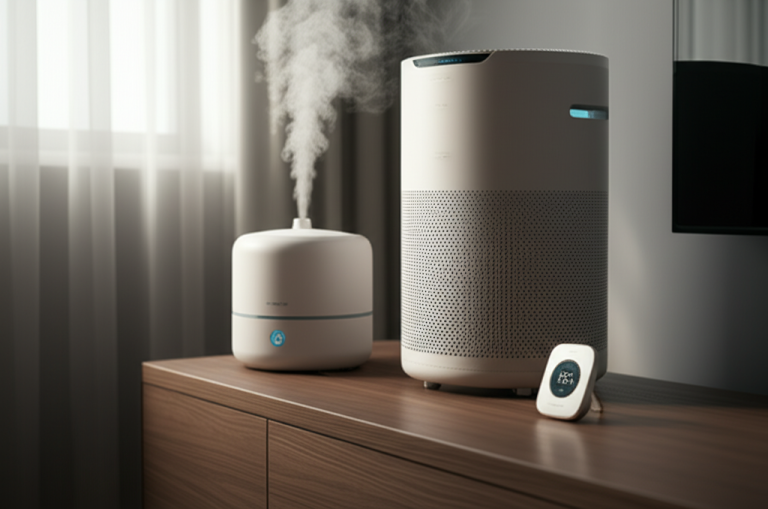
Air Purifier Versus Dehumidifier: Essential Choice

Choosing between an air purifier versus dehumidifier depends on your specific indoor air quality concerns: purifiers tackle airborne pollutants, while dehumidifiers combat excess moisture. Understanding their distinct functions is key to a healthier home environment.
Air quality in our homes significantly impacts our well-being, yet many of us struggle to pinpoint the right solution for our specific needs. You might be wondering if an air purifier versus dehumidifier is the answer to your stuffy rooms or musty smells. It’s a common dilemma, and I’m here to guide you through it step-by-step, so you can make an informed choice for a fresher, more comfortable living space.
Air Purifier Versus Dehumidifier: What’s the Difference?
The core distinction between an air purifier versus dehumidifier lies in their primary functions. Air purifiers are designed to clean the air by removing microscopic particles, while dehumidifiers focus on reducing the amount of moisture in the air. Both contribute to a healthier home, but they address different problems.
How Air Purifiers Work to Clean Your Air
Air purifiers draw in air, pass it through a filtration system, and then release cleaner air back into the room. They are excellent at trapping common indoor air pollutants like dust, pollen, pet dander, mold spores, and even volatile organic compounds (VOCs). This process significantly improves air quality for those with allergies or respiratory issues.
The Role of Dehumidifiers in Moisture Control
Dehumidifiers work by drawing moist air over a cooling coil, causing the water vapor to condense into liquid. This collected water is then stored in a tank or drained away, effectively lowering the humidity levels in a room. This is crucial for preventing mold growth and mitigating that uncomfortable, sticky feeling.
Understanding Your Indoor Air Quality Concerns
Before deciding between an air purifier versus dehumidifier, it’s essential to assess what issues you’re experiencing. Are you sneezing more than usual, or does your home feel damp and smell like mildew? Identifying the root cause will guide you to the most effective solution.
Signs You Might Need an Air Purifier
If you’re dealing with allergies, asthma, or simply notice a lot of dust settling quickly, an air purifier is likely your best bet. Symptoms like sneezing, itchy eyes, coughing, and difficulty breathing indoors often point to airborne irritants that a good air purifier can significantly reduce. You may also notice lingering odors from pets or cooking that an air purifier can help neutralize.
Indicators That Suggest a Dehumidifier is Necessary
A consistently damp feeling in your home, condensation on windows, peeling wallpaper, or a persistent musty odor are strong indicators that you need a dehumidifier. High humidity levels create an ideal breeding ground for mold and dust mites, which can exacerbate respiratory problems and damage your home’s structure over time. Bathrooms and basements are common areas where humidity issues arise.
Air Purifier Technologies Explained
Modern air purifiers utilize various technologies to achieve their cleaning goals. Understanding these different mechanisms can help you choose a unit that best suits your needs, whether it’s a HEPA filter, activated carbon, or UV-C light. Each plays a distinct role in tackling different types of pollutants.
High-Efficiency Particulate Air (HEPA) Filters
HEPA filters are the gold standard for trapping tiny particles. They are designed to capture at least 99.97% of airborne particles 0.3 microns in size. This includes common allergens like pollen, pet dander, and mold spores, making them highly effective for allergy sufferers.
Activated Carbon Filters for Odor and Gas Removal
Activated carbon filters are porous materials that adsorb odors, gases, and VOCs. While HEPA filters capture particles, activated carbon is crucial for eliminating smells from cooking, pets, smoke, and chemical off-gassing from furniture or cleaning products. Many air purifiers combine HEPA and activated carbon for comprehensive air cleaning.
Other Air Purification Technologies
Beyond HEPA and carbon, some air purifiers feature UV-C light to kill germs and bacteria, or ionizers that release negative ions to help particles clump together and fall out of the air. While these can offer additional benefits, it’s important to research their effectiveness and potential for ozone production, which can be an irritant.
Dehumidifier Types and How They Function
Dehumidifiers come in several types, each suited for different needs and room sizes. From compact portable units to whole-house systems, understanding the options will help you find the perfect fit for your moisture control challenges. The technology behind them is relatively straightforward, focusing on moisture extraction.
Refrigerant Dehumidifiers: The Most Common Type
Refrigerant dehumidifiers are the most popular choice for homes. They work like a mini-refrigerator, cooling coils to condense moisture from the air. These are generally effective in warmer, more humid conditions and are available in a range of sizes suitable for single rooms or larger areas.
Desiccant Dehumidifiers: Ideal for Colder Climates
Desiccant dehumidifiers use a moisture-absorbing material (like silica gel) to pull water from the air. They don’t rely on cooling coils, making them more efficient in cooler temperatures where refrigerant models might struggle. These are often quieter and lighter than their refrigerant counterparts.
Whole-House Dehumidifier Systems
For severe humidity problems affecting an entire home, a whole-house dehumidifier can be integrated into your HVAC system. These powerful units continuously manage humidity levels throughout your house, offering a comprehensive and automated solution for consistent comfort and protection. They require professional installation.
Air Purifier Versus Dehumidifier: Key Features to Compare
When looking at an air purifier versus dehumidifier, their features are vastly different. An air purifier will boast filter types and coverage area, while a dehumidifier will highlight moisture removal capacity and tank size. Comparing these specific attributes is crucial for making the right purchase.
What to Look for in an Air Purifier
Key features for air purifiers include the type and efficiency of their filters (especially HEPA rating), the Clean Air Delivery Rate (CADR) for room size coverage, noise levels, energy consumption, and any smart features like app control or air quality sensors. Look for units that effectively address your specific concerns, whether it’s allergens, odors, or smoke.
Essential Features of a Dehumidifier
When choosing a dehumidifier, consider its moisture removal capacity (measured in pints per day), tank size and auto-shutoff features, energy efficiency (Energy Star rating), noise level, and whether it has a continuous drain option. For convenience, look for features like a humidistat to set desired humidity levels and automatic defrost.
When to Choose an Air Purifier
You should opt for an air purifier if your primary concern is airborne irritants like dust, pollen, pet dander, mold spores, smoke, or unpleasant odors. They are particularly beneficial for individuals suffering from allergies, asthma, or other respiratory conditions. An air purifier actively cleans the air you breathe.
Benefits of Using an Air Purifier
The main benefit of an air purifier is improved indoor air quality, leading to fewer allergy symptoms, reduced exposure to harmful pollutants, and a fresher-smelling home. They can help create a healthier environment for everyone, especially children and the elderly who are more susceptible to air pollution.
When to Choose a Dehumidifier
A dehumidifier is your solution if high humidity is the main problem in your home. This is especially true in damp climates, basements, bathrooms, or during humid summer months. Excessive moisture can lead to mold, mildew, dust mites, and that pervasive musty smell, all of which a dehumidifier combats.
Advantages of Employing a Dehumidifier
The primary advantage of a dehumidifier is its ability to prevent mold and mildew growth, protect your home from moisture damage, and create a more comfortable living environment by reducing that sticky, clammy feeling. It can also help preserve furniture, electronics, and other belongings susceptible to moisture damage.
Can You Use an Air Purifier and Dehumidifier Together?
Absolutely! In many cases, using an air purifier and a dehumidifier simultaneously can provide the most comprehensive solution for indoor air quality management. They address different issues, so they complement each other rather than compete. This dual approach tackles both airborne particles and excess moisture effectively.
Synergistic Benefits of Combined Use
By using both devices, you create an environment that is not only free from airborne pollutants but also controlled for optimal humidity. This is particularly beneficial for individuals with severe allergies or asthma who are sensitive to both allergens and the effects of high humidity, such as increased dust mite populations.
Making the Air Purifier Versus Dehumidifier Decision
Ultimately, the choice between an air purifier versus dehumidifier hinges on your specific indoor environment and health concerns. If airborne particles and odors are the issue, an air purifier is the answer. If dampness and mold are the culprits, a dehumidifier is what you need.
Factors to Consider for Your Home
Consider the climate you live in, the specific rooms experiencing issues, the presence of allergies or respiratory problems in your household, and the overall age and ventilation of your home. A quick assessment of these factors will point you in the right direction for the most effective solution.
Which is Right for You: A Simple Guide
Choose an Air Purifier if: You suffer from allergies or asthma, have pets, live in an area with poor outdoor air quality, or want to eliminate odors and smoke.
Choose a Dehumidifier if: Your home feels damp, you see condensation on windows, you have musty smells, or you have mold/mildew problems, especially in basements or bathrooms.
Frequently Asked Questions About Air Purifiers and Dehumidifiers
Q1: Can an air purifier reduce humidity?
No, an air purifier is not designed to reduce humidity levels. Its primary function is to filter airborne particles like dust, pollen, and smoke from the air. Humidity control is the job of a dehumidifier.
Q2: Can a dehumidifier clean the air?
While a dehumidifier can help reduce mold and mildew, which are airborne, it doesn’t actively filter out particles like dust or pollen. Its main purpose is moisture removal, not air purification.
Q3: Do I need both an air purifier and a dehumidifier?
You may need both if you experience both airborne irritants and high humidity. They address different problems and can work together to create a healthier indoor environment.
Q4: Which is better for allergies, an air purifier or a dehumidifier?
An air purifier is generally better for allergies as it directly removes allergens like pollen, dust mites, and pet dander from the air. A dehumidifier helps by reducing dust mites and mold, which can also trigger allergies.
Q5: How often should I replace the filters in my air purifier?
Filter replacement frequency varies by model and usage, but typically HEPA filters need replacing every 6-12 months, and pre-filters or carbon filters may need attention more often. Always check your manufacturer’s recommendations.
Q6: How do I know if my home has high humidity?
Signs of high humidity include condensation on windows and walls, a damp or musty smell, peeling paint or wallpaper, and a generally sticky or clammy feeling in the air. You can also use a hygrometer to measure humidity levels, aiming for 30-50%.
Conclusion: Your Path to a Healthier Home Environment
Deciding between an air purifier versus dehumidifier is a crucial step towards a more comfortable and healthier home. By understanding their distinct roles – the air purifier tackling airborne pollutants and the dehumidifier managing moisture – you can confidently select the device that best addresses your specific needs. In many scenarios, combining both offers the most comprehensive solution, ensuring you breathe cleaner, fresher air while protecting your home from the damaging effects of excess humidity. Your journey to an improved indoor environment starts with this informed choice.