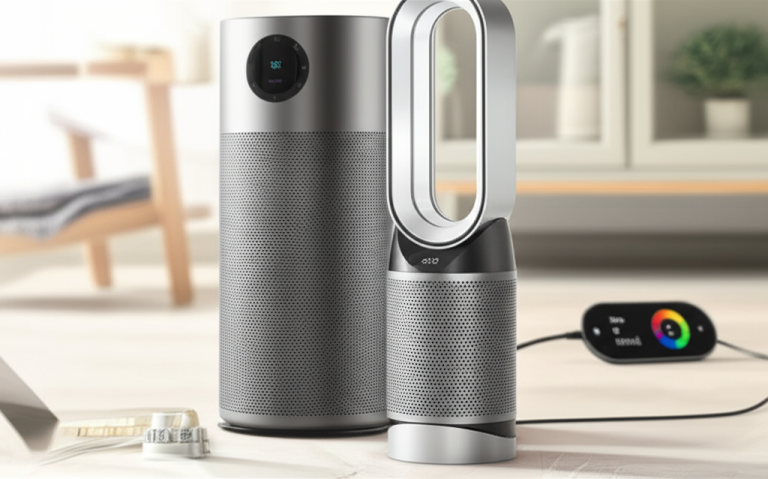
Air Purifier Difference From Humidifier: Essential Guide

The core air purifier difference from humidifier lies in their function: purifiers clean air of pollutants, while humidifiers add moisture. Understanding this distinction is key to choosing the right device for your home’s air quality and comfort.
Air Purifier Difference From Humidifier: Your Essential Guide to Cleaner, Healthier Air
Navigating the world of home air quality can feel overwhelming, especially when faced with two seemingly similar devices: air purifiers and humidifiers. Many people wonder about the fundamental air purifier difference from humidifier, often mistaking their functions or unsure which one addresses their specific needs. This guide is designed to cut through the confusion, providing a clear, step-by-step explanation so you can confidently make the best choice for your home.
What Exactly is an Air Purifier?
An air purifier is a device designed to remove airborne contaminants from a room. It actively cleans the air, making it healthier to breathe.
Air purifiers work by drawing in surrounding air, passing it through a series of filters, and then releasing the cleaner air back into the room. These filters capture various pollutants, improving indoor air quality significantly.
How Does a Humidifier Work?
A humidifier’s primary function is to increase the moisture content in the air. It adds water vapor to your indoor environment.
These devices combat dry air by releasing water molecules into the atmosphere, typically through evaporation, steam, or ultrasonic vibrations. This process is crucial for maintaining optimal humidity levels.
The Core Air Purifier Difference From Humidifier: Functionality
The most significant air purifier difference from humidifier is their core purpose. One cleans the air, while the other adds moisture to it.
Air purifiers focus on removing particles like dust, pollen, pet dander, mold spores, and volatile organic compounds (VOCs). Humidifiers, conversely, focus on increasing the relative humidity of a room.
Understanding Air Pollutants and Their Impact
Indoor air can be surprisingly polluted, containing particles that affect our health and well-being. Common culprits include dust mites, smoke, and even microscopic bacteria and viruses.
Exposure to these pollutants can trigger allergies, asthma, and other respiratory issues, making clean air a necessity for a healthy home environment.
Why is Humidity Important for Your Home?
Maintaining the right humidity level is essential for comfort and health. Too little humidity can lead to dry skin, irritated sinuses, and static electricity.
Optimal indoor humidity, typically between 30% and 50%, can prevent these issues and even help preserve wooden furniture and musical instruments.
Key Differences in How They Operate
Air purifiers employ sophisticated filtration systems, often including HEPA filters and activated carbon, to trap and neutralize pollutants. They are essentially air cleaning machines.
Humidifiers, on the other hand, use water reservoirs and mechanisms like wicks, heating elements, or ultrasonic transducers to release moisture into the air. They are moisture-adding devices.
When to Choose an Air Purifier
You should consider an air purifier if you suffer from allergies, asthma, or have pets. It’s also beneficial if you live in an area with high outdoor pollution or if someone in your household smokes.
An air purifier actively tackles airborne irritants, providing relief and promoting a healthier living space. A good example of a high-quality air purifier is the Coway Airmega line, known for its robust filtration.
When to Choose a Humidifier
A humidifier is your best bet if you experience symptoms of dry air, such as dry skin, chapped lips, or a persistent cough. It’s particularly useful during winter months when heating systems tend to dry out indoor air.
Humidifiers can also help alleviate congestion and improve sleep quality by keeping your airways moist. Brands like Levoit offer popular and effective humidifier models.
Can You Use an Air Purifier and Humidifier Together?
Absolutely! Many households benefit from using both devices simultaneously, especially those with complex air quality concerns. Using them together can address both pollution and dryness.
Combining an air purifier with a humidifier allows you to achieve optimal indoor air conditions, tackling airborne particles while ensuring comfortable humidity levels. This is often referred to as a “combo unit” or using two separate devices in tandem.
Comparing Features and Technologies
Air purifiers come with various filter types, including HEPA, activated carbon, and pre-filters, each targeting different pollutants. Some advanced models also offer UV-C light or ionizers.
Humidifiers vary in their mechanism, from cool-mist evaporative models to warm-mist steam vaporizers and ultrasonic mist makers. Each has its own advantages and maintenance requirements. For example, evaporative humidifiers are generally energy-efficient.
Maintenance: What to Expect for Each Device
Both devices require regular maintenance to function effectively and prevent issues like mold growth or reduced performance. Filter replacement is a common task for air purifiers.
Humidifiers need regular cleaning to prevent mineral buildup and bacteria growth in the water tank. Descaling and disinfecting are crucial steps for maintaining hygiene.
Air Purifier vs. Humidifier: A Comparison Table
| Feature | Air Purifier | Humidifier |
| :————— | :———————————————- | :——————————————– |
| Primary Goal | Remove airborne pollutants (dust, allergens) | Add moisture to the air |
| How it Works | Filters air through HEPA, carbon, etc. | Releases water vapor into the air |
| Best For | Allergies, asthma, smoke, pet dander | Dry air, sinus irritation, chapped skin |
| Maintenance | Filter replacement, occasional cleaning | Regular cleaning, descaling, filter changes |
| Key Benefit | Cleaner, healthier air | Increased comfort, relief from dry air symptoms |
Choosing the Right Device for Your Home Hygia Needs
Your decision hinges on your specific indoor environment and health concerns. If your primary issue is airborne irritants, an air purifier is your solution.
If dry air is the problem, a humidifier will provide the much-needed relief. For comprehensive air quality management, consider using both.
Frequently Asked Questions About Air Purifiers and Humidifiers
What is the main difference between an air purifier and a humidifier?

The main air purifier difference from humidifier is their function: purifiers clean the air of pollutants, while humidifiers add moisture to the air to combat dryness.
Can an air purifier help with allergies?
Yes, air purifiers are highly effective at reducing allergy symptoms by capturing airborne allergens like pollen, dust mites, and pet dander.
Will a humidifier help if I have a cold?
A humidifier can help soothe symptoms of a cold by keeping nasal passages and airways moist, which can ease congestion and coughing.
Do I need both an air purifier and a humidifier?
You may need both if you experience issues with both air pollution and dry air. They address different problems, and using them together offers comprehensive air quality improvement.
How often should I clean my humidifier?
It’s recommended to clean your humidifier at least once a week to prevent mold and bacteria buildup. Always follow the manufacturer’s instructions.
Are air purifiers noisy?
The noise level of air purifiers varies by model. Many modern purifiers are designed to operate quietly, especially on lower settings, often with a white noise effect.
Conclusion: Mastering Your Home’s Air Quality
Understanding the distinct roles of air purifiers and humidifiers is the first step toward creating a healthier and more comfortable living space. The fundamental air purifier difference from humidifier lies in their purpose: purification versus humidification. While air purifiers diligently scrub your air of harmful particles, humidifiers gently infuse it with essential moisture. For those battling allergies or respiratory issues, an air purifier is indispensable. Conversely, if dry air plagues your home, leading to discomfort and health woes, a humidifier will be your ally. In many cases, the optimal solution involves integrating both devices to achieve a perfectly balanced indoor environment. With this guide, you’re now equipped to make informed choices and breathe easier.