
A Powered Air Purifying Respirator: Essential Safety

A Powered Air Purifying Respirator: Essential Safety for Cleaner Air
A powered air purifying respirator (PAPR) offers superior protection against airborne contaminants by actively drawing air through filters. This guide explores why a PAPR is essential for safety, covering its benefits, types, and proper usage for optimal respiratory health.
Breathing in clean air is fundamental to our well-being, yet many environments pose risks from dust, fumes, and pathogens. When standard masks fall short, advanced respiratory protection becomes crucial. This is where a powered air purifying respirator, often called a PAPR, steps in as a vital tool. If you’re concerned about air quality in your workspace or home, understanding the power of a PAPR can bring immense peace of mind.
Why is a Powered Air Purifying Respirator Essential?
A powered air purifying respirator is essential because it provides a higher level of protection than many disposable or half-face respirators. By using a blower to force air through filters, it creates positive pressure inside the head covering, preventing contaminants from leaking in. This active system ensures a constant supply of clean, filtered air, significantly reducing exposure to harmful particles.
The primary benefit of a PAPR lies in its enhanced protection factor, offering a more reliable barrier against a wider range of airborne hazards. Unlike passive respirators that rely on the wearer’s breathing to draw air through filters, a PAPR actively pushes filtered air towards the user. This active filtration is particularly advantageous in environments with high concentrations of contaminants or when prolonged wear is necessary. Furthermore, the positive pressure within the respirator helps to prevent leaks, making it a more comfortable and effective option for many individuals.
Understanding How a Powered Air Purifying Respirator Works
At its core, a powered air purifying respirator operates with a simple yet effective mechanism. A battery-powered blower motor draws ambient air and forces it through a series of filters. These filters are designed to capture specific types of airborne contaminants, such as particulates, gases, and vapors. The purified air is then channeled into a comfortable head covering, such as a hood, helmet, or tight-fitting respirator, creating a positive pressure environment.
This positive pressure is a key differentiator. It means that the air pressure inside the respirator is higher than the pressure outside, actively pushing air outwards. This outward flow helps to prevent unfiltered air from entering the breathing zone, even if there are minor gaps or leaks in the head covering. The system continuously supplies fresh, filtered air, ensuring a consistent level of respiratory protection.
Key Components of a PAPR System
A typical a powered air purifying respirator system comprises several essential components that work in unison to deliver clean air. Understanding these parts helps in appreciating the technology and ensuring proper maintenance for optimal performance. Each component plays a critical role in the overall effectiveness and user experience.
Blower Unit: This is the heart of the PAPR, housing the battery-powered motor that draws in and pushes air through the filters. It’s usually worn on the belt or back for user convenience.
Filters/Cartridges: These are specialized to remove specific contaminants. They can range from high-efficiency particulate air (HEPA) filters for dust and aerosols to chemical cartridges for gases and vapors.
Head Covering: This can be a loose-fitting hood, a tight-fitting half-mask or full-face mask, or even a helmet with a visor. It encloses the breathing zone and directs the purified air.
Air Tubing: Connects the blower unit to the head covering, delivering the filtered air.
Battery Pack: Powers the blower motor, with rechargeable options being common for extended use.
Types of Powered Air Purifying Respirators
The variety of PAPR systems available ensures that there’s a solution for nearly any hazardous air environment. These respirators are typically categorized based on the type of head covering they employ, each offering different levels of protection and comfort for specific applications. Choosing the right type is crucial for effective safety.
Loose-Fitting Hoods
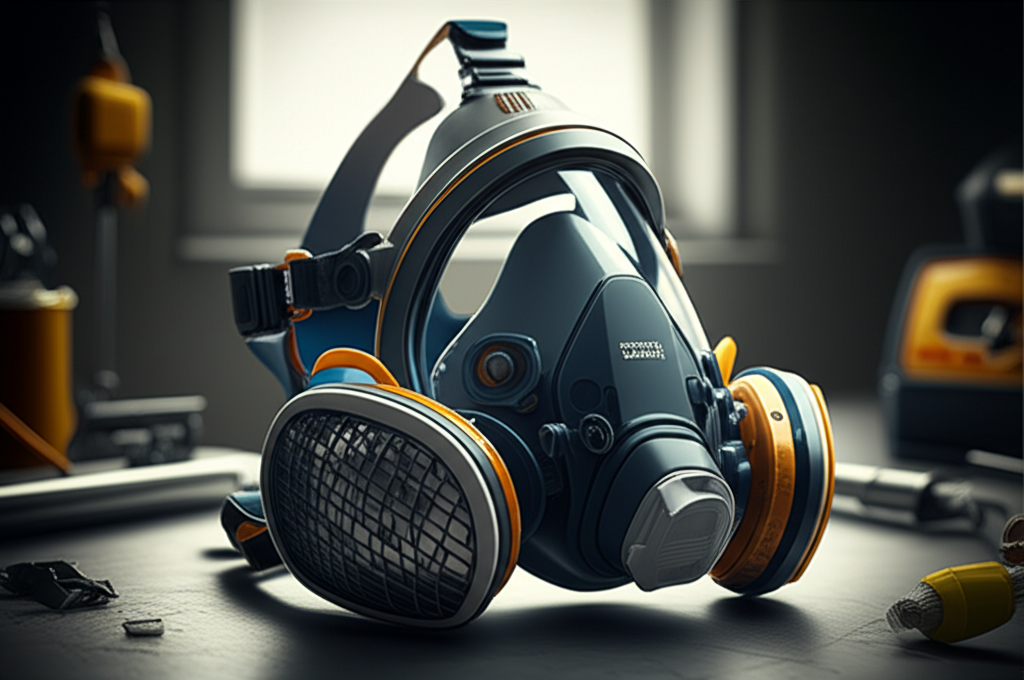
Loose-fitting hoods are a popular choice for their comfort and ease of use, especially for individuals who wear glasses or have facial hair. They provide a comfortable environment for the head and neck, delivering a continuous flow of filtered air. This type is often preferred for longer durations of wear.
Tight-Fitting Respirators (Half-Mask and Full-Face)
Tight-fitting PAPRs, available as half-mask or full-face options, create a seal against the wearer’s face. This seal, combined with the positive pressure, offers a very high level of protection against airborne contaminants. Full-face respirators also provide eye protection, which is vital in certain industrial settings.
Helmets and Hard Hats with Face Shields
For industries requiring head protection alongside respiratory safety, PAPRs integrated with helmets or hard hats are ideal. These systems often feature a face shield or visor, offering robust protection for the entire head and face against both airborne hazards and physical impacts. They are commonly seen in construction, manufacturing, and heavy industry.
Applications Where a PAPR is Crucial
The versatility of a powered air purifying respirator makes it indispensable across a wide spectrum of industries and situations. From healthcare settings to heavy manufacturing, the need for reliable respiratory protection is paramount. Understanding these applications highlights the importance of investing in this advanced safety equipment.
Healthcare: During pandemics or when dealing with infectious diseases, PAPRs protect healthcare professionals from airborne pathogens like viruses and bacteria. They are particularly useful during aerosol-generating procedures.
Industrial Manufacturing: Workers in factories exposed to dust, chemical fumes, or welding fumes benefit greatly from PAPRs. They ensure a safe breathing environment in environments with poor ventilation.
Construction: Demolition, sanding, and working with hazardous materials on construction sites generate significant dust and particulate matter. PAPRs offer critical protection against these airborne irritants.
Agriculture: Farmers and agricultural workers can be exposed to pesticides, dust, and animal dander. PAPRs help maintain respiratory health in these challenging conditions.
Pharmaceutical and Chemical Industries: Handling fine powders, volatile chemicals, or during lab work, PAPRs provide a necessary barrier against potentially toxic substances.
Emergency Response: First responders dealing with hazardous material incidents or biological threats rely on PAPRs for immediate and effective respiratory protection.
Choosing the Right PAPR: Factors to Consider
Selecting the appropriate a powered air purifying respirator requires careful consideration of the specific hazards present and the user’s needs. A mismatch can lead to inadequate protection or discomfort, defeating the purpose of the device. Consulting safety guidelines and expert advice is recommended.
Here are key factors to evaluate when choosing a PAPR:
Type of Contaminant: Are you protecting against particulates, gases, vapors, or a combination? This dictates the type of filters or cartridges required.
Required Protection Factor (APF): This indicates the level of protection a respirator provides. Higher APFs are needed for more hazardous environments.
Work Environment: Consider temperature, humidity, and the physical demands of the job. Some PAPRs are designed for specific conditions.
Duration of Use: For extended wear, comfort and battery life become critical factors.
User Fit and Comfort: The head covering must fit properly and be comfortable for the wearer to ensure compliance and effectiveness.
Maintenance Requirements: Understand the cleaning, filter replacement, and battery charging schedule.
Proper Use and Maintenance for Maximum Effectiveness
Even the best a powered air purifying respirator is only effective if used and maintained correctly. Regular inspection, proper fitting, and diligent care ensure that the device performs as intended, providing the highest level of respiratory safety. Neglecting maintenance can compromise protection.
Follow these essential steps:
1. Pre-Use Inspection: Before each use, check the blower, battery, tubing, and head covering for any damage or wear. Ensure filters are correctly installed and not expired.
2. Fit Testing and Adjustment: Ensure the head covering provides a comfortable and secure fit. For tight-fitting respirators, a seal check is crucial.
3. Operation: Turn on the blower and confirm airflow. Adjust settings as needed for comfort and optimal performance.
4. Post-Use Cleaning: Clean the head covering and any reusable parts according to the manufacturer’s instructions. This typically involves mild soap and water.
5. Storage: Store the PAPR in a clean, dry place, away from contaminants, and protected from physical damage.
6. Filter/Cartridge Replacement: Replace filters and cartridges according to the manufacturer’s guidelines or when indicated by the respirator’s performance (e.g., reduced airflow, odor detection).
Benefits of Using a PAPR Over Other Respirators
While other respiratory protection methods exist, a powered air purifying respirator offers distinct advantages that make it a superior choice in many scenarios. These benefits translate directly into enhanced safety, comfort, and compliance for the user. The active air supply is a game-changer.
| Feature | PAPR | Disposable N95 Mask | Half-Mask Respirator |
| :——————— | :—————————————- | :————————- | :———————— |
| Protection Level | High to Very High | Moderate | Moderate to High |
| Airflow | Active, positive pressure | Passive, user-breathing | Passive, user-breathing |
| Comfort (Extended) | Generally Higher | Lower | Moderate |
| Fit Sensitivity | Less sensitive (loose-fitting hoods) | Sensitive (seal required) | Sensitive (seal required) |
| Cost (Initial) | Higher | Very Low | Moderate |
| Maintenance | Regular cleaning, filter/battery upkeep | None | Filter replacement, cleaning |
The continuous flow of air in a PAPR reduces breathing resistance, making it significantly more comfortable for long shifts. This comfort can lead to better compliance, as users are more likely to wear their respirator consistently. The positive pressure system also offers a more reliable seal compared to negative-pressure respirators, which can be compromised by facial hair or improper fit.
Safety Standards and Regulations for PAPRs
Adherence to established safety standards ensures that a powered air purifying respirator systems meet rigorous performance requirements. Organizations like the Occupational Safety and Health Administration (OSHA) in the U.S. and similar bodies globally set guidelines for respiratory protection. These standards are critical for guaranteeing user safety.
In the United States, OSHA’s Respiratory Protection Standard (29 CFR 1910.134) outlines requirements for respirator selection, use, and maintenance. For PAPRs, specific performance criteria related to their Assigned Protection Factor (APF) are crucial. The National Institute for Occupational Safety and Health (NIOSH) also certifies respirators, ensuring they meet stringent design and performance benchmarks. Users should always look for NIOSH-approved respirators.
Common Challenges and Solutions with PAPRs
While highly effective, users might encounter a few challenges when using a powered air purifying respirator. Awareness of these potential issues and their solutions can ensure a smoother and safer experience. Proactive problem-solving is key to maximizing the benefits of PAPR technology.
Challenge: Battery Life: Batteries may not last an entire shift.
Solution: Ensure batteries are fully charged before use. Carry spare batteries or ensure charging stations are available.
Challenge: Overheating: Some users may feel warm inside the head covering.
Solution: Choose PAPRs with good airflow and ventilation designs. Wear appropriate undergarments and stay hydrated.
Challenge: Noise: The blower motor can produce some noise.
Solution: Select models known for quieter operation. Ear protection may be necessary in extremely noisy environments, though this can sometimes interfere with communication.
Challenge: Bulkiness: Carrying the blower unit can be cumbersome.
* Solution: Opt for lighter, more ergonomic blower designs. Ensure the harness is comfortable and adjustable.
Frequently Asked Questions about PAPRs
What is the main advantage of a PAPR?
A PAPR’s primary advantage is its ability to provide a higher and more consistent level of respiratory protection due to its powered airflow and positive pressure system, reducing breathing resistance and improving comfort.
Can I wear a PAPR with facial hair?
Yes, loose-fitting PAPR hoods are ideal for individuals with facial hair, as they do not rely on a tight seal against the skin for protection, unlike tight-fitting respirators.
How often do I need to change the filters on a PAPR?
Filter replacement frequency depends on the type of filter, the concentration of contaminants, usage duration, and manufacturer recommendations. Always follow the specific guidelines for your PAPR model.
Are PAPRs comfortable for long-term wear?
Many users find PAPRs, especially those with loose-fitting hoods, to be more comfortable for extended wear than other types of respirators due to reduced breathing resistance and positive airflow.
What is the difference between a PAPR and a supplied-air respirator?
A PAPR purifies the ambient air, while a supplied-air respirator provides clean air from an independent source (like an air compressor or cylinder), which is often used in highly toxic or oxygen-deficient environments.
How do I clean my PAPR head covering?
Most head coverings can be cleaned with mild soap and water. Always refer to the manufacturer’s instructions for specific cleaning and disinfection procedures to avoid damaging the material.
Conclusion: Prioritizing Your Respiratory Health with a Powered Air Purifying Respirator
In environments where air quality is a concern, investing in a powered air purifying respirator is not just a safety measure; it’s an essential step towards safeguarding your long-term health. The advanced technology, combined with user comfort and a high protection factor, makes PAPRs a superior choice for many demanding applications. By understanding how they work, choosing the right model, and adhering to proper usage and maintenance, you can ensure reliable protection against a wide range of airborne hazards. Make a powered air purifying respirator a cornerstone of your safety strategy and breathe easier, knowing you’re protected.


