
3M Versaflo: Essential Safety for Educators

3M Versaflo: Essential Safety for Educators – Protecting Your Health in the Classroom
3M Versaflo powered air purifying respirators offer educators a vital layer of protection against airborne contaminants, ensuring a healthier learning environment by filtering out dust, allergens, and potentially harmful particles.
The classroom can be a vibrant, dynamic place, but it also presents unique airborne challenges. From chalk dust and craft supplies to the inevitable spread of germs, educators are often exposed to a cocktail of particles that can impact their well-being. It’s easy to feel overwhelmed by these daily irritants, but there’s a powerful solution designed to help. I’m here to guide you through how advanced respiratory protection, specifically the 3M Versaflo system, can make a significant difference in your classroom safety and personal health. Let’s explore how you can breathe easier and focus on what you do best: teaching.
Why Educators Need Enhanced Respiratory Protection
Educators face a daily barrage of airborne particles that can affect their respiratory health and overall well-being. These can range from everyday classroom dust and chalk particles to potential allergens and even pathogens circulating among students. Without adequate protection, prolonged exposure can lead to chronic respiratory issues and increased susceptibility to illness. Investing in advanced respiratory solutions like the 3M Versaflo system is a proactive step towards safeguarding your health in the demanding educational environment.
The Airborne Realities of the Classroom
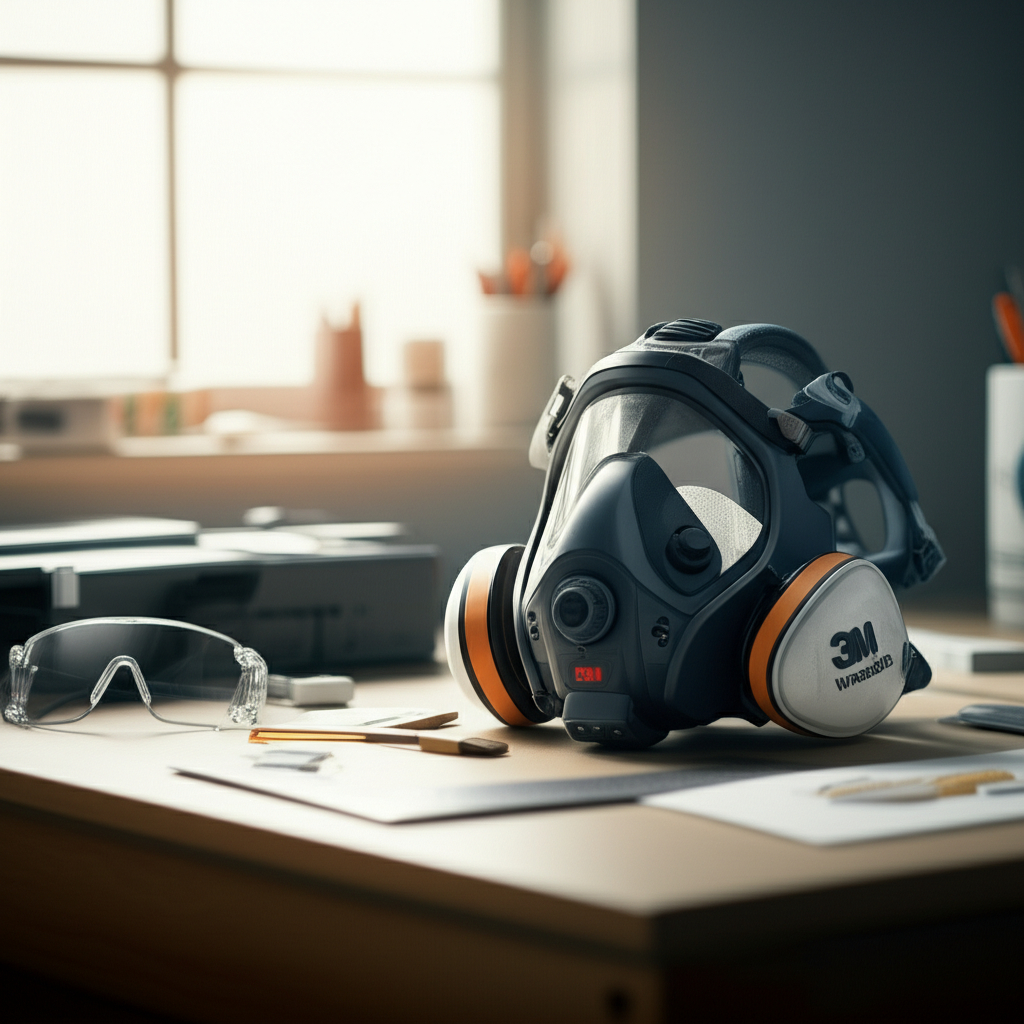
The classroom environment, while fostering learning and growth, is surprisingly rich in airborne irritants. Think about the fine dust from chalkboards, the microscopic particles released from art supplies like glitter and spray adhesives, and even the natural shedding from pets if you have a classroom animal. These seemingly minor elements can accumulate over time, impacting air quality significantly. Understanding these common classroom contaminants is the first step toward creating a safer breathing space for yourself and your students.
Common Classroom Airborne Contaminants and Their Effects
Beyond dust and craft supplies, classrooms can harbor a variety of airborne substances. Allergens like pollen tracked in from outside, mold spores from damp areas, and volatile organic compounds (VOCs) from cleaning products or new furniture can all contribute to poor indoor air quality. For educators with pre-existing conditions like asthma or allergies, these contaminants can trigger symptoms, leading to discomfort, reduced concentration, and increased absenteeism. Protecting yourself is not just about comfort; it’s about maintaining your ability to perform your job effectively and healthily.
Introducing the 3M Versaflo Powered Air Purifying Respirator (PAPR) System
The 3M Versaflo PAPR system represents a significant leap forward in personal respiratory protection for professionals in demanding environments. Unlike traditional masks, these systems actively draw air through a filter using a powered fan, creating a positive pressure environment that helps prevent contaminants from entering the breathing zone. This technology offers a higher level of protection and comfort, making it an ideal choice for educators seeking to mitigate classroom airborne risks.
What is a Powered Air Purifying Respirator (PAPR)?
A Powered Air Purifying Respirator, or PAPR, is an advanced type of respiratory protection that uses a battery-powered fan to pull air through a filter before delivering it to the user’s breathing zone. This creates a positive pressure within the mask or hood, which helps to keep airborne particles out. PAPRs are generally considered more comfortable for extended wear than traditional respirators because they require less breathing effort and can offer a wider field of vision depending on the headgear chosen.
How 3M Versaflo Systems Work
The genius of the 3M Versaflo system lies in its active air filtration process. A small, lightweight blower unit, typically worn on the belt, draws ambient air through a high-efficiency particulate filter. This filtered air is then delivered through a breathing tube to a comfortable headgear – which can be a hood, helmet, or tight-fitting respirator. This continuous flow of clean air not only removes harmful particles but also helps to reduce fogging and provides a more comfortable breathing experience, even during extended periods of wear.
Key Components of the 3M Versaflo System for Educators
A complete 3M Versaflo PAPR system is comprised of several interconnected parts, each designed to work harmoniously to provide optimal respiratory protection. Understanding these components is crucial for selecting the right system and ensuring its effective use. From the power source to the air-purifying filters and the comfortable headgear, each element plays a vital role in delivering clean air to the educator.
The Blower Unit: The Heart of the System
The blower unit is the engine of the 3M Versaflo system, housing the battery and the fan that drives the air purification process. These units are designed to be lightweight and ergonomic, often worn comfortably on the waist, ensuring they don’t impede movement. The rechargeable battery provides hours of operation, making it suitable for a full school day. Choosing a blower unit with adequate battery life is essential for uninterrupted protection.
Air-Purifying Filters: Capturing the Contaminants
The effectiveness of any PAPR system hinges on its filters. For educators, particulate filters are paramount. The 3M Versaflo system utilizes high-efficiency particulate air (HEPA) filters, which are exceptionally adept at capturing very fine particles, including dust, allergens, and most biological contaminants. Selecting the correct filter type based on the specific airborne hazards in your classroom environment is a critical step in ensuring adequate protection.
Headgear Options: Comfort and Protection Combined
3M offers a variety of headgear options for the Versaflo system, catering to different needs and preferences. These can range from comfortable hoods that provide head and face coverage to more robust helmets that offer impact protection. Some options include integrated eye protection, ensuring comprehensive safety. The choice of headgear significantly impacts comfort and the overall user experience, especially for educators who wear their respirator for extended periods.
Breathing Tubes and Accessories
Connecting the blower unit to the headgear is the breathing tube, which delivers the filtered air. These tubes are designed to be flexible and durable. Various accessories are also available, such as comfortable head suspension systems, battery chargers, and carrying cases, all contributing to the usability and longevity of the 3M Versaflo system. Regular maintenance and proper storage of these components are key to sustained performance.
Benefits of Using 3M Versaflo for Educators
The advantages of implementing a 3M Versaflo PAPR system in an educational setting extend beyond mere compliance; they directly impact the health, comfort, and productivity of educators. By providing a superior level of respiratory protection, these systems empower teachers to focus on their students without the constant worry of airborne irritants. The enhanced comfort and reduced breathing effort also contribute to a more positive and sustainable working experience.
Superior Respiratory Protection
The primary benefit of the 3M Versaflo PAPR is its advanced level of respiratory protection. Unlike disposable masks that can have imperfect seals and lower filtration efficiency, PAPRs create a constant flow of filtered air. This significantly reduces the inhalation of harmful particles, allergens, and potential pathogens, offering a much higher Assigned Protection Factor (APF). For educators, this translates to a tangible reduction in exposure to the diverse range of airborne hazards present in classrooms.
Enhanced Comfort for Extended Wear
One of the most significant advantages of PAPRs, especially for professionals who need to wear respiratory protection for hours, is their comfort. The powered airflow reduces the effort required to breathe, preventing the feeling of suffocation or heat buildup often associated with traditional respirators. Many 3M Versaflo headgear options are designed with ventilation in mind, further enhancing comfort during long teaching days. This comfort is crucial for maintaining focus and energy throughout the school day.
Reduced Breathing Effort and Fatigue
Traditional respirators can require significant effort to draw air through the filter, leading to fatigue and discomfort over time. The powered fan in a 3M Versaflo system eliminates this strain. It actively pushes filtered air into the breathing zone, making respiration feel natural and effortless. This reduction in breathing effort can lead to less physical fatigue, allowing educators to dedicate more energy to their students and teaching tasks.
Improved Visibility and Communication
Certain 3M Versaflo headgear, particularly the hoods and some helmet designs, offer an excellent field of vision without the fogging issues that can plague other types of respirators. This is vital for educators who need to maintain visual contact with students and navigate their classroom environment safely. Furthermore, the positive airflow can help reduce exhalation fogging on any integrated face shields, making communication clearer and more effective.
Selecting the Right 3M Versaflo System for Your Classroom Needs
Choosing the most suitable 3M Versaflo system involves a careful consideration of your specific classroom environment and personal needs. While the core technology remains the same, the variety of headgear and filter options means there’s a configuration tailored for almost any situation. Understanding these choices will help you make an informed decision that maximizes both protection and comfort.
Assessing Your Specific Classroom Hazards
Before selecting a system, take a moment to identify the primary airborne hazards you encounter. Are you dealing with significant chalk dust? Are there concerns about allergens like pet dander or mold? Or is the primary concern general germ transmission? The answers will guide your choice of filters. For instance, if dust is a major issue, a high-efficiency particulate filter is essential. Consulting with a safety professional or reviewing your school’s air quality reports can provide valuable insights.
Filter Selection: Particulate vs. Gas/Vapor
For most educational settings, high-efficiency particulate air (HEPA) filters are the primary requirement for the 3M Versaflo system. These filters are designed to capture solid and liquid aerosols, including dust, fumes, mists, and biological particles. If your classroom involves specific chemical use, such as certain art supplies or cleaning agents, you might need to consider filters that also address gases and vapors, although this is less common for general educator needs. Always confirm the filter’s rating against the contaminants you need to protect against.
Choosing the Appropriate Headgear
The variety of headgear options for the 3M Versaflo system is a key feature. Hoods are lightweight and offer good overall coverage, ideal for general dust and allergen protection. Helmets provide impact resistance, which might be beneficial in workshops or science labs. Some models offer a combination of hard hat and face shield. Consider factors like comfort, mobility, communication needs, and any specific safety requirements for your teaching environment when making this choice.
Battery Life and Maintenance Considerations
Ensure the chosen blower unit’s battery life meets your daily needs. Most 3M Versaflo units offer several hours of operation on a single charge, but it’s wise to have a backup plan or ensure charging facilities are available. Understand the maintenance requirements for the blower, filters, and headgear. Regular cleaning and timely replacement of filters are crucial for the system’s continued effectiveness and longevity. Refer to the 3M technical documentation for detailed maintenance schedules.
Proper Use and Maintenance of Your 3M Versaflo System
To ensure your 3M Versaflo PAPR provides maximum protection and longevity, proper usage and diligent maintenance are absolutely essential. Even the most advanced equipment is only as effective as its upkeep. Following manufacturer guidelines for donning, doffing, cleaning, and filter replacement will safeguard your health and the performance of your respirator.
Donning and Doffing Procedures
Correctly putting on and taking off your 3M Versaflo system is crucial for maintaining the integrity of the seal and preventing contamination. Always ensure the blower is running and delivering clean air before donning the headgear. Follow the specific sequence recommended by 3M for your chosen headgear to achieve a proper fit. When doffing, be careful not to contaminate yourself with used filters or the exterior of the equipment.
Cleaning and Storage Guidelines
Regular cleaning of the headgear, breathing tube, and blower unit is vital for hygiene and preventing the buildup of contaminants. Use mild soap and water or approved cleaning solutions as per the manufacturer’s instructions. Never use harsh solvents. Store your 3M Versaflo system in a clean, dry place, preferably in its designated carrying case, to protect it from damage and environmental contaminants when not in use.
Filter Replacement Schedule
Filters have a finite lifespan and will become clogged over time, reducing airflow and filtration efficiency. Adhere strictly to the filter replacement schedule recommended by 3M, which is often based on usage hours or when you notice a significant decrease in airflow. Always use genuine 3M replacement filters to ensure the system’s performance and your safety.
Battery Care and Charging
Proper battery care ensures the longevity and reliability of your 3M Versaflo system. Always use the correct charger supplied by 3M. Avoid overcharging or completely depleting the battery regularly, as this can impact its overall lifespan. Store batteries in a cool, dry environment and follow any specific battery maintenance instructions provided in the user manual.
3M Versaflo vs. Traditional Respiratory Protection for Educators
When considering respiratory protection, educators often compare PAPRs like the 3M Versaflo with more traditional options such as disposable N95 masks. While N95s offer a basic level of protection, PAPRs provide a significantly higher standard of safety, comfort, and usability, especially for daily wear in a dynamic classroom environment. Understanding these differences highlights why a PAPR is often the superior choice.
Disposable Masks (e.g., N95s)
N95 respirators filter out at least 95% of airborne particles. They are lightweight and readily available, making them a common choice for basic protection. However, their effectiveness relies heavily on a tight facial seal, which can be difficult to achieve and maintain consistently. They can also be uncomfortable for prolonged wear, leading to breathing resistance and potential skin irritation. Their single-use nature also generates waste.
Reusable Elastomeric Respirators
Reusable half-face or full-face respirators offer better durability and filtration than disposable masks, using replaceable cartridges. They can provide a good seal when fitted correctly. However, they can still feel heavy and restrictive, and breathing can be more difficult compared to a PAPR. The need for regular cartridge replacement and strict cleaning protocols is also a consideration.
Advantages of 3M Versaflo PAPRs
The 3M Versaflo PAPR system excels by actively supplying clean air, overcoming the breathing resistance of traditional masks. The powered airflow ensures a consistent, high level of protection regardless of facial fit issues. The comfort factor is a major advantage, allowing for extended wear without significant fatigue. Furthermore, the system’s design often leads to less fogging and a better overall user experience, making it a more practical and effective solution for the demanding daily life of an educator.
Implementing 3M Versaflo in Educational Institutions
Integrating advanced respiratory protection like the 3M Versaflo system into an educational institution requires a thoughtful approach, involving planning, training, and support. While the initial investment may seem significant, the long-term benefits in terms of educator health, reduced absenteeism, and a safer learning environment are substantial. Collaboration between administration, safety officers, and educators is key to successful implementation.
Cost-Benefit Analysis for Schools
When evaluating the cost of 3M Versaflo PAPRs, schools should consider the return on investment. Reduced sick days for educators translate directly to lower substitute teacher costs and less disruption to student learning. Furthermore, a proactive approach to health and safety can improve staff morale and retention. The long-term health benefits for staff, preventing chronic respiratory issues, represent an invaluable, though less quantifiable, benefit.
Training and Fit Testing Requirements
Proper training on how to use, maintain, and care for the 3M Versaflo system is paramount. Educators need to understand the system’s components, operating procedures, and the importance of regular maintenance. While PAPRs with hoods or loose-fitting headgear do not require traditional fit testing like tight-fitting respirators, users should be trained to recognize signs of proper airflow and system function. Understanding OSHA’s respiratory protection standards can provide a framework for training programs.
Creating a Culture of Safety
Implementing PAPR systems is more effective when it’s part of a broader commitment to workplace safety. Encouraging open communication about health concerns and providing accessible resources can foster a positive safety culture. When educators feel supported and valued, they are more likely to embrace new safety measures and contribute to a healthier school environment for everyone.
Frequently Asked Questions About 3M Versaflo for Educators
Q1: Can I use a 3M Versaflo PAPR with my glasses?
Yes, many 3M Versaflo headgear options, especially hoods, are designed to accommodate eyeglasses comfortably without compromising the seal or airflow.
Q2: How often do I need to replace the filters on my 3M Versaflo?
Filter replacement frequency depends on usage and the environment. Always follow the manufacturer’s recommendations, typically based on hours of use or when you notice reduced airflow.
Q3: Is the 3M Versaflo system noisy?
The blower unit emits a low hum, but it’s generally not disruptive. The system is designed to be as unobtrusive as possible, allowing for communication and focus.
Q4: Can students tell if I’m wearing a respirator?
Depending on the headgear, some designs are more visible than others. However, the focus is on your protection and ability to teach effectively. Many educators find that the comfort and clear breathing allow them to engage more fully with students.
Q5: Do I need a prescription to buy a 3M Versaflo PAPR?
No, 3M Versaflo PAPR systems are generally available for purchase without a prescription. They are considered personal protective equipment.
Q6: What is the difference between a 3M Versaflo and a standard dust mask?
A 3M Versaflo is a Powered Air Purifying Respirator (PAPR) that uses a fan to actively pull air through a high-efficiency filter, providing superior protection and comfort. A standard dust mask offers basic filtration and relies on your breathing effort, with a less reliable seal.
* Q7: Where can I find more information or purchase a 3M Versaflo system?
You can find detailed product information, specifications, and purchasing options on the official 3M website or through authorized 3M safety equipment distributors.
Conclusion: Prioritizing Educator Health with 3M Versaflo
In conclusion, the health and well-being of educators are paramount to a thriving educational environment. The daily exposure to airborne contaminants in classrooms presents a genuine risk that can impact performance and long-term health. The 3M Versaflo powered air purifying respirators offer a robust, comfortable, and highly effective solution to this challenge. By investing in and properly utilizing a 3M Versaflo system, educators can significantly enhance their respiratory protection, reduce fatigue, and create a safer, healthier space for themselves and their students. Prioritizing your health with advanced tools like the 3M Versaflo is not just a smart choice; it’s an essential step towards a more sustainable and fulfilling career in education.
