Activated Carbon Air Purifier For Kitchen Odors: Essential Solution

Banish stubborn kitchen smells with an activated carbon air purifier for kitchen odors. This guide reveals how this essential solution tackles everything from burnt toast to lingering curry, ensuring a fresh, inviting cooking space.
Activated Carbon Air Purifier for Kitchen Odors: Your Essential Solution for a Fresh Kitchen
The kitchen is the heart of the home, but it can also be a source of persistent, unwelcome odors. From the tantalizing aroma of dinner to the unfortunate scent of something burnt, these smells can linger, making your sanctuary less inviting. Fortunately, an activated carbon air purifier for kitchen odors offers an effective and straightforward way to combat these issues, restoring freshness to your culinary space. I’ll guide you through why these purifiers are so vital and how they work their magic.
Why Kitchen Odors Are a Persistent Problem
Kitchens are hotspots for odor-producing activities. Cooking, especially frying and sautéing, releases volatile organic compounds (VOCs) and tiny food particles into the air. These can cling to surfaces and fabrics, creating a continuous cycle of unpleasant smells.
Even everyday activities like storing food, running the dishwasher, or dealing with waste bins can contribute to the olfactory challenges. These odors aren’t just unpleasant; some can even indicate poor air quality.
Understanding How Activated Carbon Works
Activated carbon, also known as activated charcoal, is a powerhouse when it comes to odor absorption. Its secret lies in its incredibly porous structure, which creates a massive surface area. This surface area acts like a magnet, trapping odor molecules through a process called adsorption.
Think of it like a super-fine sponge. When air passes through the activated carbon filter, odor particles get stuck to its surface, leaving the air around it cleaner and fresher. This makes it an ideal component for an activated carbon air purifier for kitchen odors.
The Science Behind Adsorption vs. Absorption
It’s important to distinguish between adsorption and absorption. Absorption is when a substance soaks up another substance, like a sponge soaking up water. Adsorption, however, is when molecules stick to the surface of a material.
Activated carbon excels at adsorption. Its unique structure provides countless tiny nooks and crannies where odor molecules can bind, effectively removing them from the air rather than just diluting them. This is why it’s so effective for tackling tough kitchen smells.
Key Benefits of Using an Activated Carbon Air Purifier
An activated carbon air purifier for kitchen odors brings a host of benefits to your home. Beyond just masking smells, it actively removes them, leading to a more pleasant and potentially healthier kitchen environment.
The primary advantage is the elimination of lingering food odors, grease particles, and other airborne irritants. This creates a more enjoyable atmosphere for cooking and dining.
Odor Elimination Powerhouse
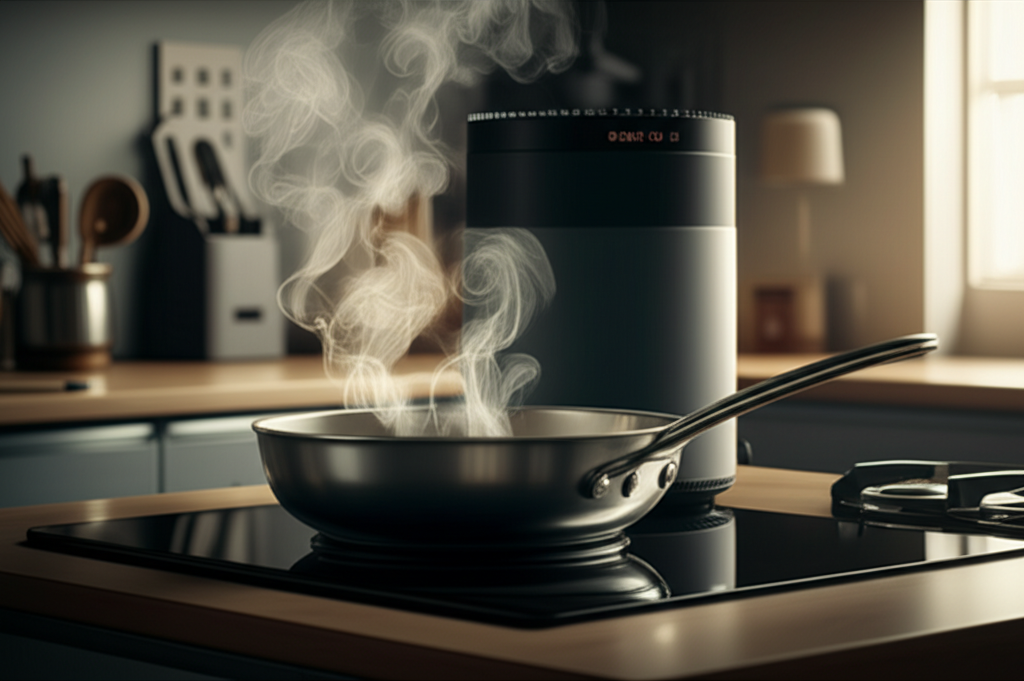
This type of purifier is specifically designed to capture and neutralize a wide range of kitchen smells. It tackles everything from fish and garlic to burnt popcorn and pet odors that might find their way into your kitchen.
The activated carbon filter effectively traps these odor-causing compounds, preventing them from recirculating and settling into your home’s fabrics and surfaces.
Removal of Airborne Particles
While primarily known for odor control, activated carbon filters can also trap larger airborne particles. This includes dust, pollen, and pet dander that might be circulating in your kitchen air.
This dual action contributes to a cleaner overall air quality within your cooking space.
Improved Air Quality
By removing odors and particles, an activated carbon air purifier for kitchen odors significantly improves the air quality in your kitchen. This can make the space feel more welcoming and comfortable for everyone.
Better air quality can also contribute to a sense of well-being, making your kitchen a more enjoyable place to spend time.
Ease of Use and Maintenance
Most activated carbon air purifiers are designed for user-friendliness. They typically require minimal setup and straightforward filter replacement.
Regular filter changes are key to maintaining optimal performance, ensuring your purifier continues to tackle kitchen odors effectively.
How to Choose the Right Activated Carbon Air Purifier
Selecting the best activated carbon air purifier for kitchen odors involves considering a few key factors. Your specific needs and kitchen size will guide you toward the most suitable model.
It’s essential to match the purifier’s coverage area to your kitchen’s dimensions for optimal performance.
Coverage Area and Room Size
Air purifiers are rated by the square footage they can effectively cover. Ensure the purifier you choose is designed for a room of your kitchen’s size or larger.
A unit that is too small will struggle to keep up with the odor production in a busy kitchen.
Filter Type and Layers
Look for purifiers with a substantial amount of activated carbon. Some units have multiple filter layers, including a pre-filter for larger particles and a HEPA filter for allergens, in addition to the carbon layer.
A thicker, higher-quality activated carbon filter will offer superior odor absorption.
Noise Level
Kitchens can be busy places, and a noisy air purifier can be a distraction. Check the decibel (dB) rating of the unit, especially for models you might run continuously.
Many purifiers offer different fan speeds, with lower settings being significantly quieter.
Additional Features
Consider features like timers, air quality sensors that automatically adjust fan speed, and filter replacement indicators. These can enhance convenience and ensure the purifier operates efficiently.
Smart features can offer greater control and optimize energy usage.
Top Kitchen Odor Sources and How Purifiers Tackle Them
From the daily grind to unexpected culinary mishaps, kitchens face a barrage of odor-causing culprits. An activated carbon air purifier for kitchen odors is a versatile ally in combating them all.
Let’s break down common kitchen smells and how activated carbon addresses them.
Cooking Odors (Frying, Sautéing, Baking)
The intense heat and chemical reactions during cooking release a complex mix of aroma compounds. These can be pleasant initially but quickly become overpowering and persistent.
Activated carbon’s vast surface area adsorbs these volatile compounds, preventing them from lingering long after the meal is prepared.
Burnt Food Smells
Accidents happen, and a burnt meal can leave a acrid, smoky scent that permeates the entire house. This is one of the toughest odors to eliminate.
The porous nature of activated carbon is highly effective at trapping the burnt particles and associated chemical odors.
Garbage and Compost Bin Odors
Food waste is a breeding ground for bacteria, which produce strong, unpleasant odors. Even with regular emptying, residual smells can remain.
An activated carbon filter can significantly reduce these odors by adsorbing the gases released by decomposing food.
Pet Odors (if pets frequent the kitchen)
If your furry friends spend time in the kitchen, their natural odors can contribute to the overall scent profile.
Activated carbon is excellent at neutralizing pet dander and associated smells.
Lingering Strong Spices and Aromatics
Certain spices like curry, cumin, or pungent ingredients like garlic and onions can leave a powerful aroma that clings to surfaces.
The adsorption capabilities of activated carbon can effectively capture these aromatic molecules, clearing the air.
Placement and Optimal Use of Your Air Purifier
Where you place your activated carbon air purifier for kitchen odors significantly impacts its effectiveness. Strategic positioning ensures it can capture airborne contaminants efficiently.
The goal is to place it where air circulation is good and where odors are most likely to originate or accumulate.
Near the Source of Odors
Placing the purifier in the vicinity of your stove, oven, or garbage bin can help capture odors as they are produced. However, ensure it’s a safe distance from heat sources.
This proximity allows the purifier to work proactively rather than reactively.
In the Center of the Room
For broader air purification, placing the unit in the center of the kitchen allows for better overall air circulation. This ensures that air from all corners of the room can be drawn into the purifier.
Consider its impact on traffic flow within the kitchen.
Away from Obstructions
Ensure the air intake and exhaust of the purifier are not blocked by furniture or walls. Good airflow is crucial for the unit to function at its best.
This allows the fan to draw in air effectively and expel purified air unimpeded.
Maintenance for Peak Performance
To ensure your activated carbon air purifier for kitchen odors continues to perform optimally, regular maintenance is essential. This primarily involves filter care.
Neglecting maintenance can reduce the purifier’s efficiency and shorten its lifespan.
Regular Filter Replacement
Activated carbon filters have a finite lifespan. They become saturated with trapped odor molecules over time and lose their effectiveness.
Follow the manufacturer’s recommendations for replacement frequency, typically every 3-6 months, depending on usage and air quality.
Cleaning the Pre-Filter
If your unit has a washable pre-filter, clean it regularly. This traps larger particles like dust and hair, preventing them from clogging the activated carbon filter.
A clean pre-filter extends the life of the carbon filter.
Wiping Down the Unit
Occasionally, wipe down the exterior of your air purifier with a damp cloth to keep it clean and dust-free. Ensure the unit is unplugged before cleaning.
This helps maintain the appliance’s appearance and prevents dust buildup on vents.
Comparing Activated Carbon with Other Odor Control Methods
While other methods exist for tackling kitchen smells, activated carbon air purifiers offer a distinct advantage in terms of efficacy and safety. Understanding these differences helps solidify its position as an essential solution.
Let’s look at how it stacks up against common alternatives.
Air Fresheners and Sprays
These products typically mask odors with strong fragrances rather than removing them. They can sometimes introduce new, potentially irritating chemicals into the air.
Activated carbon purifiers actively remove odor molecules, leading to truly fresh air.
Ozone Generators
While effective at neutralizing odors, ozone generators can produce ozone gas, which is a lung irritant and can be harmful at high concentrations.
Activated carbon purifiers are safe for continuous use and do not produce harmful byproducts.
Baking Soda and Vinegar
These are natural deodorizers, but their effectiveness is often localized and temporary. They are best suited for absorbing minor ambient odors.
An activated carbon air purifier provides a more powerful and consistent solution for pervasive kitchen smells.
Here’s a quick comparison:
| Method | How it Works | Pros | Cons |
| :——————— | :—————————————— | :——————————————— | :—————————————————————- |
| Activated Carbon | Adsorbs odor molecules to its surface. | Removes odors, safe, effective for VOCs. | Requires filter replacement, initial cost. |
| Air Fresheners | Masks odors with fragrances. | Immediate scent improvement. | Doesn’t remove odors, can cause irritation, temporary. |
| Ozone Generators | Oxidizes odor molecules. | Very effective at odor destruction. | Can produce harmful ozone gas, not safe for continuous use. |
| Baking Soda/Vinegar | Absorbs minor odors. | Natural, inexpensive, readily available. | Limited effectiveness for strong/persistent odors, localized. |
Integrating with Other Kitchen Air Quality Solutions
An activated carbon air purifier for kitchen odors is a powerful standalone solution, but it can be even more effective when integrated with other good kitchen practices. Combining methods creates a comprehensive approach to air freshness.
Think of it as a layered strategy for a consistently clean-smelling kitchen.
Proper Ventilation During Cooking
Always use your kitchen’s exhaust fan or range hood when cooking, especially when frying or searing. This removes a significant amount of odor-causing particles and grease before they spread.
Ventilation is the first line of defense against kitchen smells.
Regular Cleaning and Decluttering
Keeping your kitchen clean is paramount. Regularly wipe down countertops, clean spills immediately, and ensure trash and compost bins are emptied frequently and kept clean.
A clean kitchen reduces the sources of potential odors.
Using Natural Deodorizers
Complement your air purifier with natural methods. Placing bowls of baking soda or coffee grounds in less trafficked areas can offer supplementary odor absorption.
These methods work best in conjunction with active air purification.
Frequently Asked Questions About Activated Carbon Air Purifiers
Here are some common questions beginners have about using activated carbon air purifiers for kitchen odors.
Q1: How long does an activated carbon filter typically last?
An activated carbon filter usually lasts between 3 to 6 months. This duration can vary based on the amount of activated carbon in the filter, the intensity of odors in your kitchen, and how often you run the purifier.
Q2: Can an activated carbon air purifier remove smoke odors?
Yes, activated carbon is highly effective at adsorbing smoke particles and the associated odors from burning food or other sources, making it an excellent choice for kitchens.
Q3: Do I need a separate air purifier for the kitchen, or can one for the whole house suffice?
While a whole-house system can help, a dedicated kitchen air purifier is often more effective due to the concentrated nature of cooking odors. Kitchens are high-traffic areas for smell production.
Q4: How often should I run my activated carbon air purifier in the kitchen?
For best results, it’s recommended to run your activated carbon air purifier continuously, especially during and after cooking. Many units have auto modes that adjust based on air quality.
Q5: Are activated carbon air purifiers safe to run all the time?
Yes, activated carbon air purifiers are very safe for continuous operation. Unlike some other technologies, they do not produce harmful byproducts like ozone.
Q6: What’s the difference between activated carbon and a HEPA filter?
A HEPA filter is designed to capture tiny airborne particles like dust, pollen, and mold spores. Activated carbon filters, on the other hand, are designed to adsorb gases, odors, and VOCs. Many air purifiers combine both for comprehensive air cleaning.
Conclusion: Embrace a Fresher Kitchen with Activated Carbon
The lingering odors in a kitchen can be more than just an annoyance; they can detract from the enjoyment of your home. An activated carbon air purifier for kitchen odors stands out as an essential, effective, and safe solution. Its ability to trap and neutralize odor molecules, rather than just mask them, ensures a truly fresh and inviting atmosphere.
By understanding how activated carbon works, choosing the right unit for your space, and performing basic maintenance, you can transform your kitchen into a cleaner, more pleasant environment. I wholeheartedly recommend an activated carbon air purifier for kitchen odors as a vital addition to any modern kitchen seeking lasting freshness.