
A Powered Air Purifying Respirator: Essential Education

A powered air purifying respirator (PAPR) offers advanced respiratory protection by using a fan to draw air through filters, making breathing easier and more effective against airborne contaminants. This guide provides essential education for understanding, choosing, and using a PAPR for optimal safety and comfort.
Breathing clean air is fundamental to our well-being, yet many environments present invisible threats. From allergens and pollutants to hazardous dusts and fumes, protecting your lungs can feel like a constant battle. If you’re seeking superior respiratory defense beyond basic masks, a powered air purifying respirator might be your solution. I understand that the world of respirators can seem complex, but don’t worry. I’m here to break down everything you need to know about these advanced devices, ensuring you can make informed decisions for your health and safety. Let’s dive into the essential education you need.
What is a Powered Air Purifying Respirator (PAPR)?
A powered air purifying respirator, or PAPR, is an advanced respiratory protective device. It utilizes a battery-powered fan to pull air through a series of filters, delivering clean, breathable air to the user. This system significantly reduces breathing resistance compared to traditional respirators.
PAPR systems offer a higher level of protection and comfort, making them ideal for extended wear in challenging environments. They are designed to protect against a wide range of airborne hazards, including particulates, gases, and vapors. Understanding the core components and function of a PAPR is the first step in appreciating its benefits.
How Does a PAPR Work?
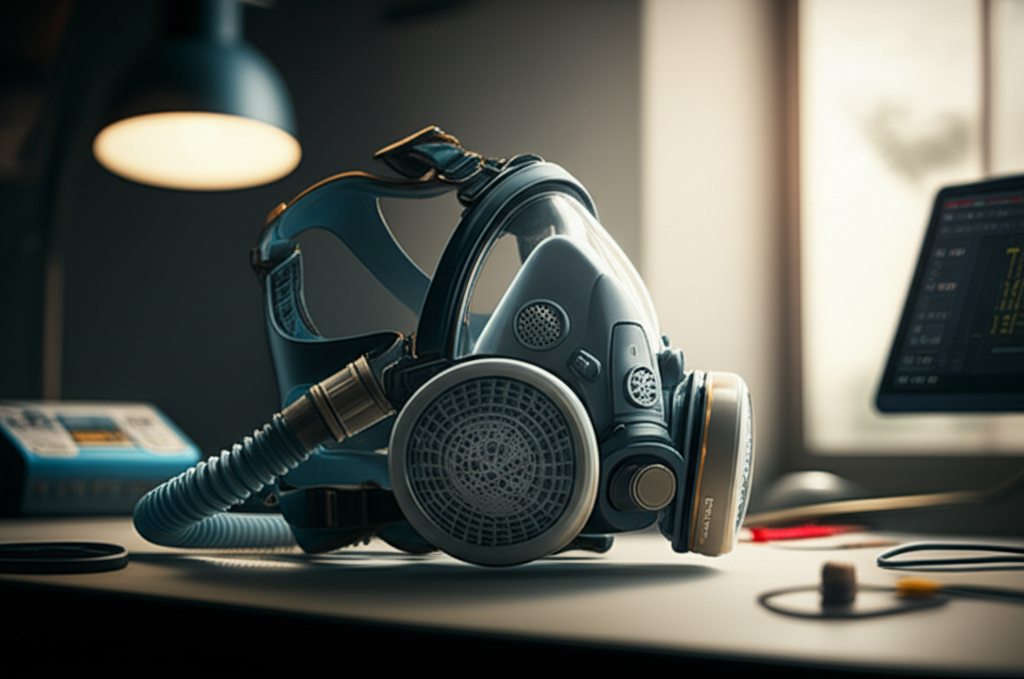
The magic of a PAPR lies in its active air-filtration system. A small, portable fan, typically worn on a belt or integrated into the hood or helmet, draws ambient air through specialized filters. This filtered air is then channeled to the wearer’s breathing zone, creating a positive pressure environment.
This positive pressure is crucial. It helps to prevent contaminated air from leaking into the respirator and ensures a steady supply of purified air. The system actively works to make breathing easier, a significant advantage over negative-pressure respirators.
Key Components of a PAPR System
A typical PAPR unit consists of several interconnected parts, each playing a vital role in its operation. Knowing these components helps in understanding maintenance and selection.
Breathing Tube: Connects the filter unit to the headpiece.
Motor/Blower Unit: The heart of the system, housing the fan and battery.
Filters/Cartridges: Selectively remove specific airborne contaminants.
Headpiece: Can be a hood, helmet, or tight-fitting facepiece.
Battery Pack: Powers the motor/blower unit.
These components work in harmony to deliver a consistent stream of clean air. Proper assembly and understanding of each part are essential for effective use.
Types of PAPRs Available
PAPRs come in various configurations to suit different applications and user needs. The choice often depends on the specific hazards present and the required level of protection.
Loose-Fitting PAPRs
Loose-fitting PAPRs utilize hoods or helmets that do not create a seal around the face. Air is simply supplied to the hood, creating a positive pressure that prevents contaminants from entering. These are generally more comfortable for extended wear and do not require fit testing.
Examples include disposable hoods or reusable helmets with attached air supply. They are excellent for environments with dust, fumes, or light chemical exposure where a tight seal isn’t paramount.
Tight-Fitting PAPRs
Tight-fitting PAPRs use a full facepiece, half-mask, or mouth-and-nose piece that seals against the wearer’s face. This seal, combined with the positive pressure from the blower, ensures a high level of protection. Fit testing is usually required for these types to confirm a proper seal.
These are often chosen for environments with higher concentrations of contaminants or when a more robust seal is necessary. They offer excellent protection against a broad spectrum of airborne hazards.
When is a PAPR Necessary?
A PAPR is typically recommended when standard respiratory protection is insufficient. This often occurs in environments with high concentrations of airborne contaminants or when the wearer needs to breathe comfortably for extended periods.
Situations requiring a PAPR can range from industrial settings with toxic fumes to healthcare environments dealing with infectious aerosols. They offer a superior level of protection and comfort, making them a valuable tool in many critical scenarios.
Industrial Applications
In industries like manufacturing, construction, and agriculture, workers often face exposure to dust, chemicals, and hazardous fumes. A PAPR provides essential protection in these demanding conditions, ensuring worker safety.
For example, in welding operations, PAPRs can filter out hazardous metal fumes. In construction, they protect against silica dust. These devices are vital for maintaining a safe working environment.
Healthcare Settings
During pandemics or when dealing with highly contagious airborne diseases, PAPRs have become indispensable in healthcare. They offer a higher protection factor than surgical masks or N95 respirators.
Healthcare professionals use PAPRs to protect themselves from infectious aerosols when treating patients with conditions like tuberculosis or COVID-19. This is crucial for preventing the spread of disease within facilities.
DIY and Home Use
For individuals with severe allergies, asthma, or those undertaking hazardous home projects like sanding or painting, a PAPR can significantly improve air quality. It offers a robust defense against common household allergens and fumes.
Using a PAPR during home renovations or when dealing with mold can provide peace of mind and protect respiratory health. It’s a proactive step for maintaining a healthy living environment.
Choosing the Right PAPR: Key Considerations
Selecting the appropriate PAPR involves careful consideration of several factors. The primary goal is to match the respirator’s capabilities to the specific hazards and the user’s needs.
The environment you’ll be working in, the types of contaminants you’ll encounter, and the duration of use are critical elements in this decision. Proper selection ensures optimal protection and comfort.
Understanding Contaminant Types
The filters or cartridges used in a PAPR are designed to target specific airborne hazards. It’s essential to know what you need protection from.
Particulates: Dust, mists, fumes, and biological agents like viruses and bacteria. HEPA filters are excellent for these.
Gases and Vapors: Organic vapors, acid gases, ammonia, and more. Specific chemical cartridges are needed for these.
Combination Hazards: Many PAPRs can accommodate combination filters to protect against both particulates and gases/vapors.
Always consult the Safety Data Sheet (SDS) for the materials you are working with to determine the appropriate filtration. This ensures you select filters that effectively remove the specific contaminants.
Fit and Comfort for Extended Wear
Comfort is paramount, especially for users who need to wear a PAPR for an entire shift or extended periods. A poorly fitting or uncomfortable respirator can lead to reduced compliance and effectiveness.
Loose-fitting hoods offer excellent comfort and don’t require fit testing, making them popular. However, if a tight seal is critical, a well-fitted tight-fitting facepiece is necessary. Consider the weight and balance of the unit as well.
Battery Life and Maintenance Requirements
The battery is the power source for the fan, so its life is crucial. Ensure the battery can last for your entire work period or that spare batteries are readily available.
Maintenance is also a key factor. PAPRs require regular cleaning, filter replacement, and battery charging. Understand the manufacturer’s recommendations for upkeep to ensure the device functions correctly and safely.
Cost and Budget
PAPRs can represent a significant investment. Prices can range from a few hundred dollars for basic models to several thousand for advanced systems with specialized features.
Factor in the ongoing costs of replacement filters, cartridges, and batteries when budgeting. Consider the long-term value and the level of protection offered relative to the price.
Proper Use and Donning/Doffing Procedures
Correct usage is as vital as choosing the right PAPR. Following proper procedures ensures the respirator functions as intended and provides maximum protection.
Mastering the donning (putting on) and doffing (taking off) process is the first step to safe and effective use. Always follow the manufacturer’s specific instructions for your model.
Step-by-Step Donning Guide
Putting on a PAPR correctly ensures all components are properly connected and sealed. This process should be practiced until it becomes second nature.
1. Check the Equipment: Inspect the PAPR for damage, ensure filters are correctly installed, and the battery is charged.
2. Prepare the Headpiece: If using a hood, ensure it’s oriented correctly. If using a facepiece, ensure the exhalation valve is clear.
3. Connect the Breathing Tube: Attach the breathing tube securely to the headpiece and the blower unit.
4. Put on the Headpiece: Place the hood or helmet over your head, or position the facepiece for a seal.
5. Power On: Turn on the blower unit. You should feel airflow.
6. Seal Check: For tight-fitting facepieces, perform a user seal check as per the manufacturer’s instructions.
Always perform a pre-use check. This involves ensuring the fan is running and airflow is present before entering a contaminated area.
Safe Doffing Practices
Removing a PAPR requires care to avoid contaminating yourself or the clean environment. The goal is to remove the device without touching contaminated outer surfaces.
1. Exit Contaminated Area: Move to a clean area before doffing.
2. Power Off: Turn off the blower unit.
3. Remove Headpiece: Carefully remove the hood or facepiece, avoiding contact with the exterior.
4. Disconnect Tube: Detach the breathing tube from the blower unit.
5. Clean and Store: Follow cleaning and storage instructions for your specific PAPR model.
Proper doffing prevents the transfer of hazardous substances to clean zones, protecting both the user and the environment.
Maintenance and Care for Your PAPR
Regular maintenance is crucial for the longevity and effectiveness of your powered air purifying respirator. Neglecting care can compromise its protective capabilities.
Keeping your PAPR in good condition ensures it will perform reliably when you need it most. This involves a routine of cleaning, inspection, and timely replacement of parts.
Cleaning Your PAPR
Cleaning procedures vary by manufacturer, but generally involve wiping down components with appropriate cleaning solutions. Always refer to your specific PAPR manual for detailed instructions.
Headpieces: Hoods can often be wiped down or, if disposable, replaced. Reusable hoods and helmets should be cleaned with mild soap and water or a disinfectant approved by the manufacturer.
Breathing Tubes: Can usually be wiped down externally.
Blower Unit: Should be kept clean and dry. Never immerse the motor unit in water.
Proper cleaning prevents the buildup of contaminants and ensures hygienic use.
Filter and Battery Replacement Schedule
Filters and cartridges have a limited lifespan and must be replaced regularly. Batteries also degrade over time and need to be managed.
Filters/Cartridges: Replace based on manufacturer recommendations, service life indicators (if available), or when breathing resistance increases significantly. For specific contaminants, consult the manufacturer’s cartridge selection guide and expected service life charts.
* Batteries: Recharge batteries as needed. Replace them when they no longer hold an adequate charge or show signs of damage.
Adhering to these schedules is non-negotiable for maintaining effective protection.
Understanding PAPR Limitations
While PAPRs offer excellent protection, they are not invincible. Understanding their limitations is key to using them safely and appropriately.
No respirator is 100% effective in all situations. Knowing what a PAPR cannot do is as important as knowing what it can.
Not for Immediately Dangerous to Life or Health (IDLH) Atmospheres
Most standard PAPRs are not designed for use in atmospheres that are Immediately Dangerous to Life or Health (IDLH). These are environments with extremely high concentrations of toxic substances or oxygen deficiency.
For IDLH situations, supplied-air respirators (SARs) or self-contained breathing apparatus (SCBA) are typically required. Always consult the respirator’s specifications and your workplace safety guidelines.
Dependence on Battery Power
The operational effectiveness of a PAPR is entirely dependent on its battery. If the battery fails or runs out of power, the fan stops, and the respirator no longer provides purified air.
Ensure you have fully charged spare batteries or a reliable charging system in place for extended use. This is a critical safety consideration.
Environmental and Temperature Extremes
Extreme temperatures can affect battery performance and potentially the functionality of the PAPR. Some PAPR systems may have specific operating temperature ranges.
Always check the manufacturer’s specifications regarding temperature limits to ensure the device will function correctly in your working environment.
Regulations and Standards for PAPRs
Regulatory bodies set standards to ensure respirators provide adequate protection. Compliance with these standards is essential for both manufacturers and users.
In the United States, the Occupational Safety and Health Administration (OSHA) sets the primary standards for respiratory protection. The National Institute for Safety and Health (NIOSH) also plays a crucial role in approving respirator equipment.
OSHA Requirements
OSHA’s Respiratory Protection Standard (29 CFR 1910.134) outlines the requirements for a comprehensive respiratory protection program. This includes selection, use, maintenance, and training.
Employers must ensure that respirators are selected based on the hazards present and that employees are trained on their proper use. Fit testing is mandatory for tight-fitting respirators. You can find more details on the OSHA website.
NIOSH Certification
NIOSH certifies respirators, ensuring they meet stringent performance and quality standards. Look for the NIOSH approval number on the respirator and its packaging.
This certification indicates that the PAPR has been tested and proven to effectively remove the contaminants it is designed for. Always choose NIOSH-approved equipment.
Alternatives to PAPRs
While PAPRs offer significant advantages, other types of respiratory protection exist. The best choice depends on the specific hazard, duration of use, and user preference.
Sometimes, a PAPR might be overkill or not the most practical solution. Understanding alternatives helps in making a well-rounded decision.
Elastomeric Half-Mask and Full-Facepiece Respirators
These are reusable respirators made of rubber or silicone that create a tight seal around the nose and mouth (half-mask) or the entire face (full-facepiece). They rely on the wearer’s breathing to draw air through filters. They are generally less expensive than PAPRs but can be less comfortable for long-term wear.
While effective, they require regular fit testing and can cause more breathing resistance. They are a solid choice for many industrial applications but may not offer the same comfort as a PAPR for prolonged use.
Disposable Filtering Facepiece Respirators (e.g., N95)
These are commonly known as N95 masks. They are designed for single use and filter out at least 95% of airborne particles. They are inexpensive and widely available but offer limited protection against gases and vapors and can be uncomfortable for extended wear.
N95s are suitable for environments with dust or certain airborne pathogens but are not a substitute for a PAPR when higher protection factors or gas filtration are needed. For more information on respirator types, the NIOSH Respirator Selection Logic is a valuable resource.
Frequently Asked Questions (FAQ)
Are PAPRs comfortable to wear for long periods?
Yes, PAPRs are generally considered more comfortable for extended wear than traditional respirators because the fan does most of the work, reducing breathing resistance. Many users find the continuous airflow refreshing.
Do I need to be clean-shaven to wear a PAPR?
For tight-fitting PAPR facepieces, yes, you typically need to be clean-shaven to achieve a proper seal. However, loose-fitting PAPRs like hoods do not require shaving.
How often do I need to change the filters on a PAPR?
Filter change frequency depends on the type of filter, the concentration of contaminants, and how often the PAPR is used. Always follow the manufacturer’s guidelines or use service life estimation tools.
Can a PAPR protect me from gases and vapors?
Yes, PAPRs can protect against gases and vapors if equipped with the appropriate chemical cartridges or filters. It’s crucial to select the correct cartridge for the specific chemical hazard.
What is the difference between a PAPR and a supplied-air respirator (SAR)?
A PAPR uses a fan to draw air through filters, while a SAR provides breathable air from an external source, like a compressor or air tank. SARs are generally used in environments where PAPRs are insufficient.
Where can I buy a powered air purifying respirator?
You can purchase PAPRs from specialized safety equipment suppliers, industrial supply stores, and reputable online retailers. Ensure the product is NIOSH-approved.
Conclusion
A powered air purifying respirator (PAPR) stands as a sophisticated and highly effective solution for respiratory protection. By actively filtering the air and delivering it under positive pressure, it not only shields you from a wide array of airborne hazards but also significantly enhances breathing comfort, especially during prolonged use. Understanding the mechanics, types, applications, and crucial maintenance of a PAPR is vital for ensuring its optimal performance and your safety. Always prioritize choosing a NIOSH-approved device that matches the specific contaminants you face and remember that proper fit, use, and maintenance are non-negotiable steps for maximizing the protective benefits of your powered air purifying respirator.
