
AC vs Air Purifier: Essential Guide

AC vs air purifier: Understand the key differences and choose the right solution for your home’s air quality. This guide breaks down their functions, benefits, and limitations to help you make an informed decision for cleaner, healthier air.
Many homeowners find themselves wondering about the best way to improve their indoor air quality. You might be considering a new air conditioning unit or perhaps a dedicated air purifier. The confusion between an AC and an air purifier is understandable, as both systems impact the air you breathe. This guide will clarify their distinct roles and help you determine which, or if both, are right for your needs. Let’s dive into the world of home air solutions.
AC vs Air Purifier: What’s the Real Difference?
When we talk about AC vs air purifier, it’s crucial to understand their primary functions. An air conditioner (AC) is designed to cool and dehumidify the air in a space, creating a more comfortable environment. An air purifier, on the other hand, is specifically engineered to remove pollutants and allergens from the air.
While an AC can offer some incidental air filtration, its main purpose is temperature control. Air purifiers focus solely on cleaning the air, tackling everything from dust and pollen to smoke and odors. Understanding this fundamental distinction is the first step in making the right choice for your home.
How Air Conditioners (ACs) Work and Their Impact on Air Quality
Air conditioners cool your home by circulating air over cold coils, removing heat and moisture. As air passes through the unit, it often goes through a basic filter. This filter is primarily there to protect the AC’s internal components from dust and debris, not necessarily to purify the air for health benefits.
Some modern AC units come with enhanced filtration systems, which can capture larger particles like dust and pet hair. However, they typically lack the sophisticated multi-stage filtration found in dedicated air purifiers, which are designed to trap much smaller and more harmful airborne contaminants. Therefore, while an AC can offer a basic level of filtration, it’s not its core competency.
The Role of Air Purifiers in Enhancing Indoor Air
Air purifiers are built with one goal: to clean the air. They employ various filtration technologies, such as HEPA filters, activated carbon filters, and UV-C light, to capture or neutralize a wide range of airborne particles and gases. This makes them highly effective at improving the overall air quality within a room.
These devices are particularly beneficial for individuals with allergies, asthma, or other respiratory sensitivities. By removing allergens like pollen, dust mites, mold spores, and pet dander, air purifiers can significantly reduce symptoms and promote healthier breathing. They also tackle odors and volatile organic compounds (VOCs) emitted from household products.
AC Filters vs. Air Purifier Filters: A Comparative Look
The filters in AC units and air purifiers are designed for different purposes and therefore differ significantly in their capabilities. AC filters are generally coarser, designed to catch larger particles to protect the unit itself.
Air purifier filters, especially HEPA (High-Efficiency Particulate Air) filters, are much finer and can trap up to 99.97% of airborne particles as small as 0.3 microns. Activated carbon filters in purifiers are crucial for absorbing odors and gases that AC filters cannot address. This multi-layered approach is what gives air purifiers their superior cleaning power.
HEPA Filters: The Gold Standard in Air Purification
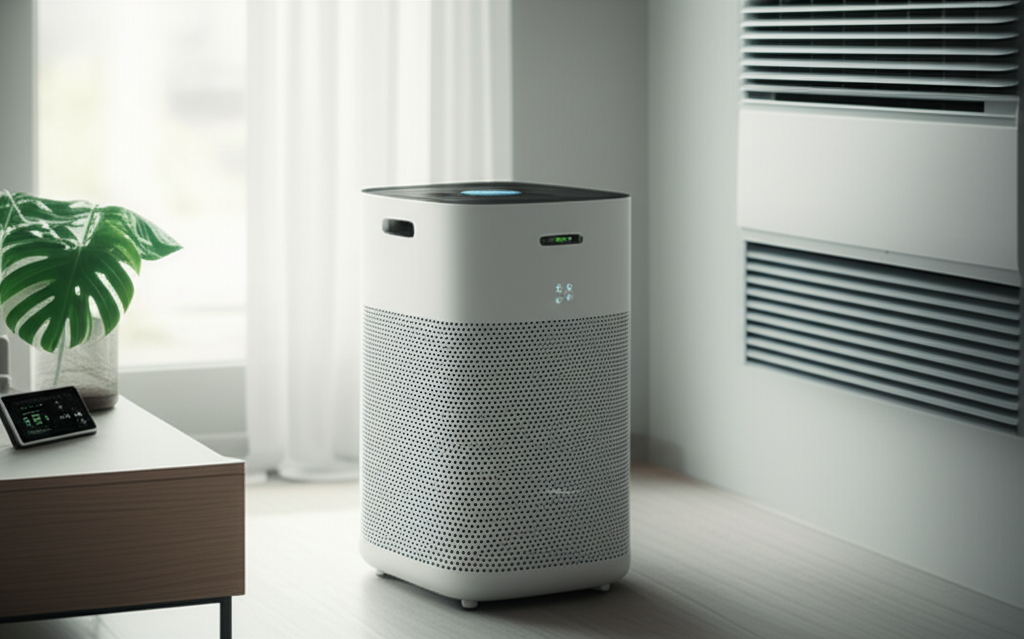
HEPA filters are a cornerstone of effective air purification. They are rigorously tested to meet specific standards for particle removal. For a filter to be considered true HEPA, it must remove at least 99.97% of airborne particles 0.3 micrometers (microns) in diameter.
This capability makes HEPA filters incredibly effective against common allergens such as pollen, dust mites, mold spores, and pet dander. Their efficiency in capturing these microscopic irritants is a key reason why air purifiers are recommended for allergy and asthma sufferers.
Activated Carbon Filters: Tackling Odors and Gases
While HEPA filters excel at capturing particulate matter, activated carbon filters are essential for addressing gaseous pollutants and odors. These filters are made from charcoal that has been treated to be extremely porous, giving it a massive surface area for adsorption.
Activated carbon filters can effectively trap VOCs from cleaning products, paints, and furniture, as well as smoke, cooking smells, and pet odors. This makes them a vital component of a comprehensive air purification system, working in tandem with HEPA filters for a complete clean air solution.
When to Choose an AC Unit
You should opt for an air conditioner primarily when your main concern is regulating the temperature and humidity within your home. If your rooms are uncomfortably hot or stuffy during warmer months, an AC unit will provide the cooling relief you need.
While ACs offer some basic filtration, they are not a substitute for a dedicated air purifier if your goal is to remove allergens and pollutants. Consider an AC if comfort and climate control are your top priorities for your living space.
When to Choose an Air Purifier
An air purifier is the superior choice when your primary objective is to improve the healthiness of your indoor air. If you or family members suffer from allergies, asthma, or other respiratory issues, an air purifier can make a significant difference.
They are also ideal for homes with pets, smokers, or those who are sensitive to cooking odors and chemical fumes. Investing in an air purifier is a proactive step towards creating a cleaner, healthier breathing environment for everyone in your household.
Can an AC and an Air Purifier Work Together?
Absolutely! Using an AC and an air purifier in tandem can provide the best of both worlds: a comfortably cool environment with exceptionally clean air. The AC manages the temperature, while the air purifier diligently removes airborne contaminants.
This combined approach ensures that you not only enjoy a pleasant temperature but also breathe air free from allergens, pollutants, and odors. Many people find this dual strategy to be the most effective for achieving optimal indoor air quality and comfort, especially during peak allergy seasons or in urban environments.
Factors to Consider When Buying an Air Purifier
When selecting an air purifier, several key factors should guide your decision. Firstly, consider the size of the room or area you intend to purify; look for a unit with an appropriate CADR (Clean Air Delivery Rate) for your space. Secondly, examine the type of filters it uses – a HEPA filter is essential for particle removal, and an activated carbon filter is beneficial for odors and gases.
Additional features to consider include noise levels, energy efficiency, filter replacement costs, and any smart capabilities like app control or air quality sensors. Understanding these aspects will help you find an air purifier that best meets your specific needs and budget. Reputable brands like Coway, Blueair, and Dyson offer a range of models to consider.
Maintaining Your AC and Air Purifier for Peak Performance
Proper maintenance is crucial for both your AC unit and your air purifier to function effectively. For your AC, regularly cleaning or replacing the filter is paramount. This not only improves air quality but also ensures your AC runs efficiently, saving energy and preventing strain on the system.
For air purifiers, follow the manufacturer’s recommendations for filter replacement. Clogged filters significantly reduce the device’s effectiveness and can even lead to increased noise or reduced airflow. Periodically wipe down the exterior and ensure the intake and outlet vents are clear of obstructions for optimal performance.
AC vs Air Purifier: Making the Right Choice for Your Home
Deciding between an AC and an air purifier, or perhaps using both, depends entirely on your priorities. If cooling and dehumidification are your primary needs, an AC unit is the answer. However, if your main concern is removing allergens, dust, smoke, odors, and other airborne pollutants for better health, a dedicated air purifier is essential.
For many households, the ideal solution involves integrating both systems. This ensures a comfortable climate while actively working to create the healthiest possible indoor air environment. Ultimately, understanding the distinct capabilities of each device empowers you to make the best investment for your home’s well-being.
Frequently Asked Questions (FAQ)
Can an AC unit completely replace an air purifier?
No, an AC unit cannot completely replace an air purifier. While ACs filter air to protect their components, they lack the specialized multi-stage filtration (like HEPA) needed to effectively remove microscopic allergens and pollutants that air purifiers target.
How often should I replace my air purifier filter?
The frequency of air purifier filter replacement varies by model and usage, but generally, HEPA filters should be replaced every 6-12 months, and activated carbon filters every 3-6 months. Always check your manufacturer’s recommendations.
Will an air purifier cool my room?
No, air purifiers are not designed to cool a room. Their function is to clean the air by removing particles and gases, not to alter the temperature or humidity levels like an air conditioner does.
Are AC filters effective against allergens?
Basic AC filters can capture larger particles like dust and pet hair, offering some relief. However, they are not as effective as the HEPA filters found in dedicated air purifiers, which are specifically designed to capture much smaller allergens like pollen and mold spores.
Can I run my AC and air purifier at the same time?
Yes, running your AC and air purifier simultaneously is highly recommended for optimal indoor air quality and comfort. The AC manages the temperature, while the air purifier cleans the air you breathe.
What is a good CADR rating for an air purifier?
A good CADR (Clean Air Delivery Rate) rating depends on the room size. Generally, a higher CADR indicates faster air cleaning. Aim for a CADR that is appropriate for your room’s square footage, typically matching the manufacturer’s recommendations for effective air changes per hour.
Conclusion
In the essential guide to AC vs air purifier, we’ve uncovered their distinct roles in home comfort and health. While an air conditioner excels at cooling and dehumidifying, an air purifier is the dedicated champion for removing airborne pollutants, allergens, and odors. For many homes, the synergy of running both an AC and an air purifier offers the ultimate solution for a comfortable and healthy indoor environment. By understanding these differences, you can confidently invest in the systems that will best serve your family’s needs, ensuring cleaner air and a more pleasant living space.
