Best Air Purifier Under $100: Genius Clean Air

Best Air Purifier Under $100: Genius Clean Air Solutions for Every Budget
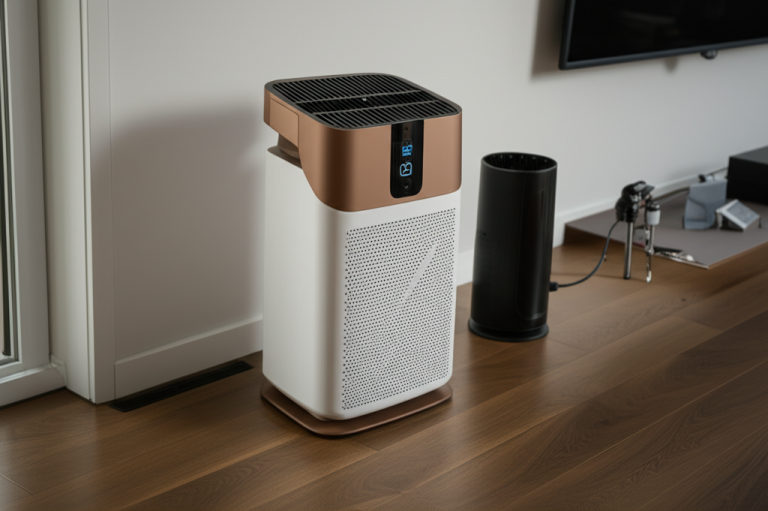
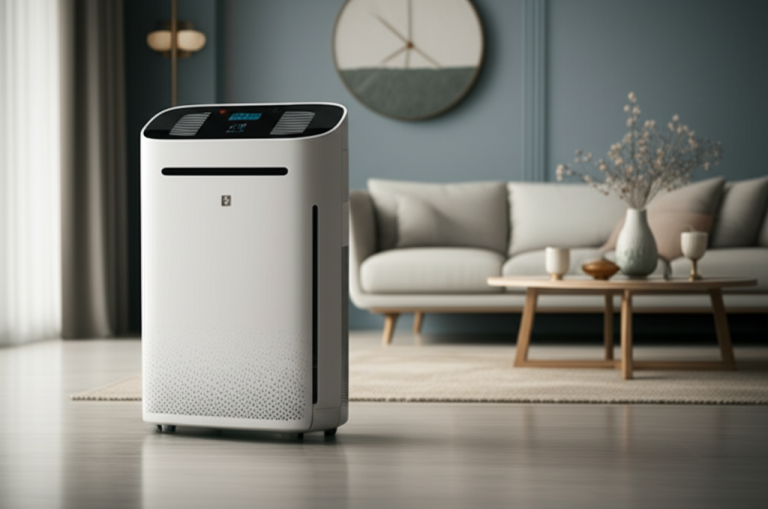
Discover the best air purifier under $100 that offers exceptional value and powerful clean air performance. This guide breaks down smart choices for healthier living without breaking the bank, focusing on effective features and budget-friendly models.
Breathing fresh, clean air at home is more important than ever, but the thought of purchasing an air purifier can feel daunting, especially when considering the cost. Many believe that effective air purification requires a significant investment, leading to frustration and compromise. Fortunately, it’s entirely possible to find a fantastic air purifier that fits your budget. I’m here to guide you through finding the best air purifier under $100 that delivers clean air and peace of mind. Let’s explore how to make smart choices for a healthier home environment.
Why an Air Purifier Under $100 is a Smart Investment
Finding the best air purifier under $100 dollars doesn’t mean sacrificing quality; it means being smart about your needs and the features available. These budget-friendly options are excellent for smaller rooms, specific pollutant concerns, or as a supplementary unit. They can effectively tackle common indoor air issues like dust, pet dander, and allergens, making a noticeable difference in your living space. Investing in one of these units is a proactive step towards better respiratory health for you and your family.
The Core Benefits of Affordable Air Purification
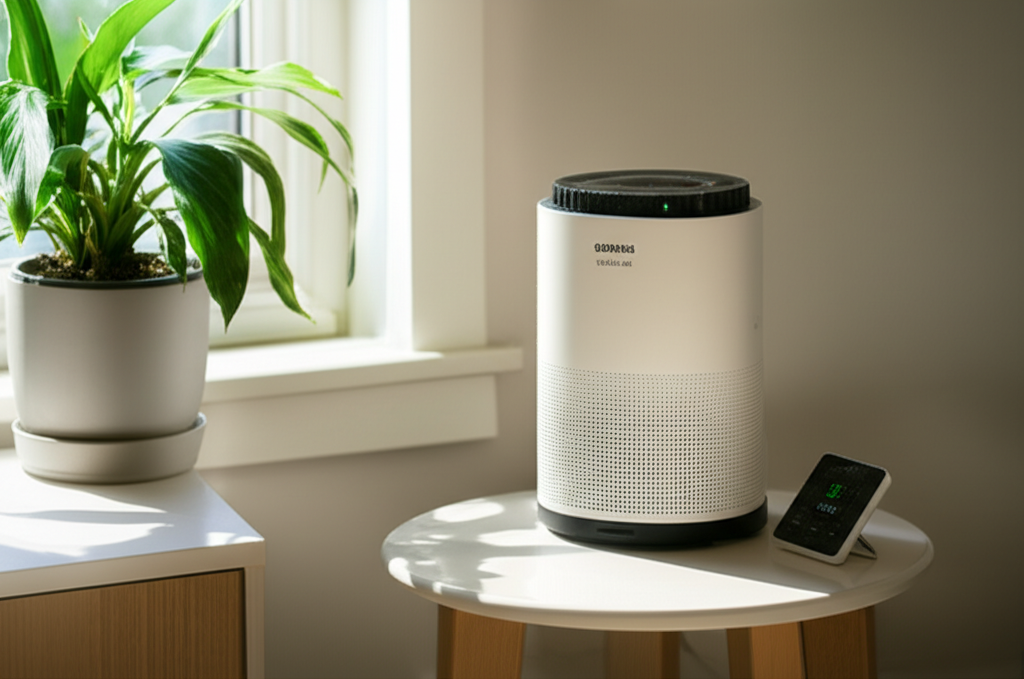
Affordable air purifiers provide tangible benefits for everyday living. They help reduce airborne allergens, which is crucial for allergy and asthma sufferers. Furthermore, they can neutralize odors from cooking, pets, or smoke, creating a more pleasant home atmosphere. These units are often compact and energy-efficient, making them an easy addition to any room.
Reducing Allergens and Irritants
For many, the primary driver for seeking the best air purifier under $100 is relief from allergies and asthma. These devices capture microscopic particles that trigger symptoms, offering a sanctuary from common irritants. By reducing pollen, dust mites, and pet dander, they can significantly improve indoor air quality and your comfort.
Neutralizing Odors and Smoke
Lingering odors can detract from a home’s comfort, and smoke particles pose health risks. Air purifiers equipped with activated carbon filters are particularly adept at absorbing these unpleasant smells and harmful VOCs (Volatile Organic Compounds). This makes them ideal for kitchens, living rooms, or any area prone to strong scents.
Improving Overall Indoor Air Quality
Beyond specific concerns, all air purifiers contribute to a healthier indoor environment. They remove microscopic pollutants that are invisible to the naked eye but can impact well-being. A cleaner atmosphere supports better sleep, increased energy levels, and reduced instances of respiratory irritation.
Key Features to Look for in a Budget Air Purifier
When searching for the best air purifier under $100, focusing on a few key features will ensure you get the most value. While high-end models boast advanced sensors and smart connectivity, budget units can still offer robust filtration and effective performance for their price point. Prioritize these essentials to make an informed decision.
Filtration System: HEPA is Key
The heart of any effective air purifier is its filtration system. For the best air purifier under $100, you absolutely want to see a True HEPA filter. True HEPA filters are certified to capture at least 99.97% of airborne particles as small as 0.3 microns. This includes dust, pollen, pet dander, mold spores, and some bacteria.
What is a True HEPA Filter?
A True HEPA filter is a standard that guarantees a high level of filtration efficiency. Unlike “HEPA-type” or “HEPA-like” filters, which may not meet the same rigorous standards, True HEPA filters are scientifically proven to remove a vast majority of harmful airborne particles. Always check for the “True HEPA” designation.
The Role of Activated Carbon
Beyond HEPA filtration, an activated carbon filter is essential for tackling odors and gases. This porous material traps VOCs, smoke, and cooking smells that HEPA filters alone cannot capture. Many affordable units integrate this into their multi-stage filtration for comprehensive air cleaning.
Coverage Area and CADR Ratings
Understanding the coverage area and Clean Air Delivery Rate (CADR) is crucial for ensuring the air purifier is effective for your specific room size. The CADR indicates how quickly the unit can filter a room of a certain size. A higher CADR means faster and more efficient air cleaning.
Matching Purifier to Room Size
The best air purifier under $100 should be sized appropriately for the room you intend to use it in. A unit too small for a large room will struggle to purify the air effectively, while an oversized unit might be unnecessarily loud or consume more energy. Manufacturers typically provide recommended room sizes.
Understanding CADR (Clean Air Delivery Rate)
CADR ratings are standardized measurements for air purifiers, often provided for smoke, dust, and pollen. A higher CADR score indicates a more powerful unit. For example, a CADR of 100 for smoke means the purifier can clean 100 cubic feet of air per minute of smoke particles.
Noise Levels (Decibels)
Noise is a significant factor, especially for bedrooms or home offices. Look for air purifiers that operate at a low decibel (dB) level, particularly on their lowest setting. Many units offer a “sleep mode” or “night mode” that significantly reduces fan speed and noise for undisturbed rest.
Finding a Quiet Operation
A quiet air purifier is essential for comfort, particularly if it will run continuously. Aim for models that advertise noise levels below 50 dB on their highest setting, and ideally below 30 dB on their lowest. This ensures it won’t be a distraction during daily activities or sleep.
Filter Replacement Costs and Availability
While the initial purchase price is under $100, consider the ongoing cost of replacement filters. The best air purifier under $100 will have readily available and reasonably priced filters. Check how often filters need to be replaced (typically every 6-12 months) and their cost to ensure long-term affordability.
Long-Term Affordability
The initial purchase is only part of the equation; filter replacement costs can add up. Research the price and availability of replacement filters before buying. Some brands offer subscription services that can provide discounts, making ongoing maintenance more budget-friendly.
Ease of Use and Maintenance
Simple operation and straightforward maintenance are hallmarks of a great budget air purifier. Look for intuitive controls, easy filter access for replacement, and minimal cleaning requirements. A user-friendly design ensures you’ll actually use the purifier consistently.
Top Contenders: Best Air Purifier Under $100 in [Current Year]
Navigating the market for the best air purifier under $100 requires a keen eye for value. While specific models can fluctuate in price and availability, certain brands consistently offer excellent performance in the sub-$100 category. I’ve researched several popular and highly-rated options that frequently fall within this budget.
1. Levoit Core 300 (Often Found Under $100)
The Levoit Core 300 is a perennial favorite for a reason. It consistently receives high marks for its effectiveness, quiet operation, and stylish design. It features a three-stage filtration system, including a True HEPA filter, and is ideal for small to medium-sized rooms.
Filtration: True HEPA, Pre-filter, Activated Carbon
Room Size: Up to 219 sq ft (15.8 x 15.8 ft)
Noise Level: 24dB (lowest setting)
Key Features: Quiet operation, three fan speeds, timer, filter life indicator.
Why it’s great: It strikes an excellent balance between performance, features, and price, making it a top choice for the best air purifier under $100.
Levoit Core 300: Performance Highlights
This unit excels at capturing common household pollutants. Its compact cylindrical design allows for 360-degree air intake, maximizing efficiency. The low noise level in sleep mode makes it perfect for bedrooms, ensuring clean air without disruption.
2. Coway AP-1512HH Mighty (Occasional Sales)
While often priced slightly above $100, the Coway AP-1512HH Mighty frequently goes on sale, making it an exceptional value when it dips below the mark. It’s a powerhouse for its size, featuring a multi-stage filtration system and an eco-mode that conserves energy.
Filtration: True HEPA, Activated Carbon, Eco-friendly Filter
Room Size: Up to 361 sq ft (approx. 18 x 20 ft)
Noise Level: 24dB (lowest setting)
Key Features: Auto mode, air quality sensor, timer, filter replacement indicator, energy-saving eco mode.
Why it’s a contender: Its robust performance, smart features, and excellent filtration earn it a spot on many “best of” lists, and it’s a fantastic find if you catch it on sale.
Coway Mighty: Smart Features for Clean Air
The Coway Mighty’s standout feature is its intelligent auto mode, which adjusts fan speed based on real-time air quality monitoring. This ensures optimal purification and energy efficiency, making it a smart choice for long-term use. It’s a strong candidate for the best air purifier under $100 for those who value automation.
3. Winix 5500-2 (Frequently Under $100)
The Winix 5500-2 is another highly-regarded air purifier that often hovers around the $100 price point, especially during sales. It offers a comprehensive filtration system, including True HEPA and PlasmaWave technology, which can be turned on or off. It’s well-suited for medium to large rooms.
Filtration: True HEPA, Activated Carbon (washable mesh pre-filter), PlasmaWave
Room Size: Up to 360 sq ft (approx. 18 x 20 ft)
Noise Level: 28dB (lowest setting)
Key Features: Auto mode, air quality sensor, timer, sleep mode, washable filter.
Why it’s a strong choice: Its combination of powerful filtration, smart sensors, and the option to disable PlasmaWave technology makes it a versatile and effective option.
Winix 5500-2: Versatile Filtration Options
The Winix 5500-2 provides flexibility with its PlasmaWave technology. While it’s effective at breaking down airborne pollutants, some users prefer to disable it. The washable pre-filter also contributes to long-term cost savings, enhancing its value as a best air purifier under $100.
4. Pure Enrichment PureZone Mini (Highly Affordable)
For those seeking the absolute best air purifier under $100 with a focus on smaller spaces, the Pure Enrichment PureZone Mini is an excellent option. It’s incredibly compact and budget-friendly, making it perfect for desks, small bedrooms, or dorm rooms. It includes a HEPA-type filter and an activated carbon pre-filter.
Filtration: HEPA-type filter, Activated Carbon Pre-filter
Room Size: Up to 100 sq ft (approx. 10 x 10 ft)
Noise Level: 30dB (lowest setting)
Key Features: Compact design, two fan speeds, simple controls.
Why it’s a good pick: Its low price and small footprint make it accessible for anyone looking for basic air purification in a personal space.
PureZone Mini: Ideal for Personal Spaces
The PureZone Mini is designed for targeted purification. Its small size means it’s easy to place on a nightstand or desk, providing cleaner air exactly where you need it most. It’s a no-frills, effective solution for individual comfort.
How to Maximize the Performance of Your Air Purifier
Once you’ve chosen the best air purifier under $100 for your needs, proper placement and maintenance are key to maximizing its effectiveness. Simple steps can ensure you’re getting the cleanest air possible and extending the life of your unit. Following these guidelines will help you reap the full benefits of your investment.
Strategic Placement for Optimal Airflow
The location of your air purifier significantly impacts its performance. For best results, place it in the room where you spend the most time or where air quality is a primary concern, like a bedroom or living area. Ensure there’s adequate space around the unit for unobstructed air intake and circulation.
Allowing for Unhindered Air Circulation
Avoid placing your air purifier in tight corners, behind furniture, or too close to walls. These obstructions can restrict airflow, forcing the unit to work harder and less efficiently. Aim for an open area where air can freely enter and exit the purifier.
Regular Filter Maintenance and Replacement
The most crucial aspect of maintaining your air purifier is regular filter care. A clogged filter drastically reduces performance and can even lead to motor strain. Follow the manufacturer’s recommendations for cleaning pre-filters and replacing HEPA and carbon filters.
Cleaning Washable Pre-filters
Many budget air purifiers come with washable pre-filters designed to catch larger particles like hair and dust. Regularly rinsing or vacuuming these pre-filters (usually every 2-4 weeks) helps protect the more expensive HEPA filter and extends its lifespan. This is a simple yet vital maintenance step.
Timely HEPA and Carbon Filter Replacement
HEPA and activated carbon filters cannot be washed and must be replaced according to the manufacturer’s schedule, typically every 6 to 12 months. Using an old, saturated filter diminishes the purifier’s ability to capture pollutants and can even release trapped particles back into the air. Always use genuine replacement filters for optimal performance.
Using Other Air Quality Enhancing Practices
An air purifier is a powerful tool, but it works best as part of a holistic approach to indoor air quality. Complement your purifier’s work with other simple habits that contribute to a cleaner home environment. These practices work synergistically with your air purifier.
Ventilation and Air Circulation
Opening windows periodically to allow fresh air to circulate throughout your home can significantly improve indoor air quality. Even a few minutes of ventilation each day can help reduce the concentration of indoor pollutants. This is especially beneficial after cleaning or cooking.
Reducing Indoor Pollutant Sources
Minimizing the sources of indoor pollution is as important as filtering the air. This includes regular cleaning to reduce dust, using natural cleaning products, avoiding smoking indoors, and properly storing chemicals. Fewer pollutants mean your air purifier has less work to do.
Understanding Different Types of Air Purifier Filters
When looking for the best air purifier under $100, you’ll encounter various filter types, each serving a distinct purpose. Understanding these can help you choose a unit that best addresses your specific air quality concerns. The most common and effective systems combine multiple filtration stages.
True HEPA Filters: The Gold Standard
As mentioned, True HEPA filters are the benchmark for capturing fine particulate matter. They are essential for removing allergens like pollen, pet dander, and dust mites, as well as mold spores and some bacteria. Their efficiency makes them a non-negotiable feature for effective air purification.
Capturing Microscopic Particles
These filters are designed with a dense, fibrous material that traps particles with remarkable efficiency. Their ability to capture 99.97% of particles 0.3 microns in size is what makes them so effective against common allergens and irritants.
Activated Carbon Filters: Tackling Odors and Gases
Activated carbon filters are porous and have a vast surface area, allowing them to adsorb (trap) gases, odors, and volatile organic compounds (VOCs). These are crucial for removing smells from cooking, pets, smoke, and chemical fumes from cleaning products or new furniture.
Adsorbing Odors and VOCs
The chemical nature of activated carbon allows it to chemically bond with gas molecules, effectively removing them from the air. This makes them indispensable for creating a fresh-smelling home environment.
Pre-filters: The First Line of Defense
Pre-filters are typically the first stage of filtration and are designed to capture larger particles like hair, lint, and large dust clumps. Many pre-filters are washable, which protects the more expensive HEPA filter from premature clogging and extends its life.
Protecting the Main Filters
By trapping larger debris, pre-filters prevent them from reaching and clogging the HEPA and carbon filters. This not only improves the overall efficiency of the unit but also reduces the frequency and cost of replacing the primary filters.
Potential Downsides of Budget Air Purifiers (and How to Overcome Them)
While the best air purifier under $100 offers great value, it’s important to be aware of potential limitations. Understanding these can help you manage expectations and make informed choices. Most downsides can be mitigated with careful selection and proper usage.
Limited Coverage Area
Many air purifiers under $100 are designed for smaller rooms. Using one in a large open-plan living area might not provide sufficient air cleaning.
Solution: Purchase multiple smaller units for different rooms or strategically place one unit in the most frequently used area.
Fewer Advanced Features
Budget models typically lack advanced features like smart connectivity, multiple air quality sensors, or automatic shut-off timers found in more expensive units.
Solution: Focus on the core filtration and performance. Use a simple plug-in timer if automation is desired, and rely on visual inspection for filter status.
Potentially Louder Operation
While many budget purifiers are quiet, some may produce more noise on higher settings.
Solution: Prioritize models known for quiet operation (check dB ratings) and utilize lower fan speeds or sleep modes during sensitive times.
Filter Availability and Cost
While the initial purchase is cheap, some budget models might use proprietary filters that are harder to find or more expensive over time.
Solution: Always research the cost and availability of replacement filters before buying the unit. Opt for brands with widely available, reasonably priced filters.
Choosing the Right Air Purifier for Specific Needs
The “best” air purifier under $100 is subjective and depends heavily on your individual requirements. Consider these common scenarios to help you narrow down your choices. Matching the unit’s capabilities to your specific needs ensures satisfaction.
For Allergy Sufferers
If allergies are your primary concern, prioritize units with True HEPA filters and a good CADR rating for dust and pollen. Levoit and Winix models are often excellent choices due to their robust HEPA filtration.
For Pet Owners
Pet owners benefit most from purifiers with strong HEPA filters to capture dander and effective activated carbon filters to tackle odors. Look for models with washable pre-filters to manage pet hair effectively.
For Small Spaces (Dorm Rooms, Offices)
Compact and quiet units are ideal for personal spaces. The Pure Enrichment PureZone Mini or a smaller Levoit model would be perfect for desks, nightstands, or small bedrooms.
For Odor Control
Units with substantial activated carbon filters are essential for combating smells from cooking, smoke, or pets. Ensure the carbon filter is thick and high-quality for maximum odor absorption.
Frequently Asked Questions About Air Purifiers Under $100
What is the most important feature in an air purifier under $100?
The most critical feature is a True HEPA filter. This ensures the purifier can effectively capture 99.97% of microscopic airborne particles like allergens, dust, and pet dander.
Can an air purifier under $100 really make a difference?
Yes, absolutely. For small to medium rooms, an appropriately sized air purifier under $100 with a True HEPA filter can significantly improve air quality by removing common pollutants and allergens.
How often do I need to replace the filters in a budget air purifier?
Filter replacement frequency varies by model and usage, but typically HEPA and carbon filters need replacement every 6 to 12 months. Washable pre-filters should be cleaned every 2-4 weeks. Always check your manufacturer’s recommendations.
Are air purifiers noisy?
Many air purifiers, even budget-friendly ones, are designed for quiet operation, especially on lower settings. Look for models with decibel (dB) ratings below 50 dB on high and ideally below 30 dB on low or in sleep mode.
What does CADR mean?
CADR stands for Clean Air Delivery Rate. It’s a measure of how quickly an air purifier can filter a room of a specific size for smoke, dust, and pollen. Higher CADR ratings mean faster and more efficient air cleaning.
Should I buy a HEPA-type or True HEPA filter?
Always opt for a True HEPA filter. “HEPA-type” or “HEPA-like” filters do not meet the same rigorous standards and may not capture particles as effectively as a True HEPA filter.
Conclusion: Smart Air, Smart Savings
Finding the best air purifier under $100 is not just about saving money; it’s about making a smart, accessible choice for a healthier home environment. By prioritizing True HEPA filtration, understanding coverage areas, and considering ongoing filter costs, you can secure a unit that effectively tackles allergens, odors, and other airborne irritants. The options discussed, like the Levoit Core 300 and Winix 5500-2, consistently prove that powerful clean air doesn’t require a hefty price tag. Investing in one of these budget-friendly marvels is a practical step towards breathing easier and enjoying a fresher, more comfortable living space.