
Are Air Purifier Good? Essential Benefits Revealed

Yes, air purifiers are generally good for improving indoor air quality by removing pollutants like dust, pollen, pet dander, smoke, and VOCs, leading to potential health benefits such as reduced allergy symptoms and better sleep.
Are Air Purifiers Good? Essential Benefits Revealed
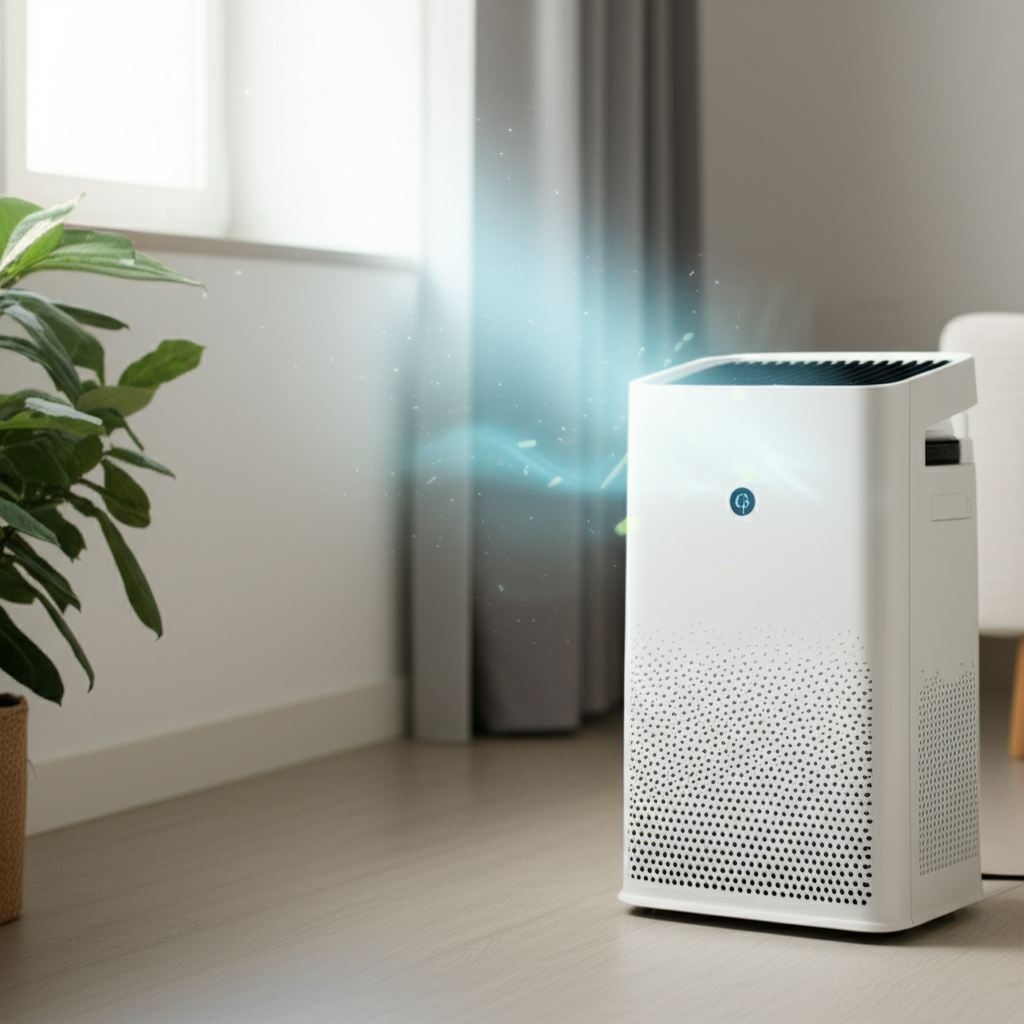
Are air purifiers good for your home? This is a question many of us ponder, especially with rising concerns about indoor air pollution. You might be experiencing allergies, noticing lingering odors, or simply wanting a healthier living space. It can feel overwhelming to navigate the world of air purification, but I’m here to help demystify it. This guide will explore the essential benefits of air purifiers, backed by research, to help you make an informed decision for your home and well-being.
The Core Question: Are Air Purifiers Good for Your Health?
Air purifiers are indeed good for your health, primarily by actively removing airborne contaminants that can trigger respiratory issues and allergies. They work by drawing in air, filtering out pollutants, and releasing cleaner air back into your environment. This process can significantly reduce your exposure to allergens, irritants, and even some harmful chemicals.
Key Takeaway: Air purifiers contribute positively to health by cleaning the air you breathe indoors.
Understanding Indoor Air Quality and Its Impact
Indoor air can be surprisingly polluted, often containing higher concentrations of contaminants than outdoor air. Common indoor pollutants include dust mites, pet dander, mold spores, pollen, smoke particles, and volatile organic compounds (VOCs) from household products. Poor indoor air quality can lead to a range of health problems, from headaches and fatigue to more serious respiratory conditions.
Key Takeaway: Your home’s air quality significantly impacts your health and comfort.
How Do Air Purifiers Actually Work?
Most air purifiers utilize a filtration system, with HEPA (High-Efficiency Particulate Air) filters being the most common and effective. These filters are designed to capture at least 99.97% of airborne particles 0.3 microns in size. Other types of filters, like activated carbon, target gases, odors, and VOCs. The device draws air through these filters, trapping pollutants before recirculating clean air.
Key Takeaway: Air purifiers use advanced filters to trap microscopic particles and gases.
Benefit 1: Alleviating Allergy and Asthma Symptoms
For individuals suffering from allergies or asthma, air purifiers can be a game-changer. By removing common allergens like pollen, dust mites, pet dander, and mold spores from the air, they can significantly reduce the frequency and severity of symptoms. This means fewer sneezes, less congestion, and easier breathing for many.
Key Takeaway: Air purifiers can provide much-needed relief for allergy and asthma sufferers.
Benefit 2: Eliminating Unpleasant Odors
Lingering smells from cooking, pets, smoke, or even mildew can make a home feel less inviting. Air purifiers equipped with activated carbon filters are excellent at absorbing odor-causing molecules. This helps to neutralize unpleasant smells, leaving your home smelling fresh and clean without the need for masking fragrances.
Key Takeaway: Activated carbon filters in air purifiers effectively neutralize and remove odors.
Benefit 3: Reducing Exposure to Harmful VOCs and Chemicals
Many household items, from cleaning supplies and air fresheners to furniture and paints, release volatile organic compounds (VOCs) into the air. These chemicals can contribute to indoor air pollution and have been linked to various health issues. Air purifiers with activated carbon filters can help capture and remove many of these VOCs, creating a safer indoor environment.
Key Takeaway: Air purifiers can help reduce your exposure to potentially harmful VOCs found in everyday products.
Benefit 4: Improving Sleep Quality
Clean air can directly contribute to better sleep. By reducing allergens and irritants that can cause congestion or coughing, air purifiers can help you breathe more easily throughout the night. This improved respiratory comfort can lead to more restful and uninterrupted sleep, boosting your overall well-being.
Key Takeaway: Breathing cleaner air can lead to more restful and restorative sleep.
Benefit 5: Protecting Against Secondhand Smoke and Wildfire Smoke
For those exposed to secondhand smoke or living in areas affected by wildfire smoke, air purifiers offer a vital layer of protection. They can effectively capture the fine particulate matter and harmful chemicals present in smoke, significantly improving the air quality in your home and reducing health risks associated with smoke inhalation.
Key Takeaway: Air purifiers are effective at removing smoke particles, including those from secondhand and wildfire smoke.
Benefit 6: Capturing Airborne Germs and Bacteria
While not a substitute for good hygiene, some air purifiers can help reduce the concentration of airborne bacteria and viruses. HEPA filters can trap these microscopic particles, potentially lowering the risk of airborne transmission of certain illnesses within your home. This is particularly beneficial during cold and flu seasons.
Key Takeaway: Air purifiers can capture airborne germs, potentially reducing the spread of illness.
Benefit 7: Reducing Dust Buildup
If you find yourself constantly dusting, an air purifier can help. By trapping airborne dust particles before they settle on surfaces, these devices can reduce the amount of dust that accumulates in your home. This not only makes cleaning easier but also reduces the presence of a common allergen.
Key Takeaway: Air purifiers can help minimize dust accumulation on surfaces, reducing cleaning frequency.
Choosing the Right Air Purifier: Key Features to Consider
When selecting an air purifier, several factors are crucial. Look for a unit with a true HEPA filter, as these meet stringent standards for particle removal. Consider the CADR (Clean Air Delivery Rate) to ensure the purifier is appropriately sized for your room. An activated carbon filter is essential for odor and gas removal. Features like multiple fan speeds, a timer, and a filter replacement indicator add convenience.
| Feature | Importance |
| :—————- | :———————————————————————- |
| True HEPA Filter | Captures 99.97% of particles 0.3 microns in size (allergens, dust). |
| Activated Carbon Filter | Absorbs odors, gases, and VOCs. |
| CADR Rating | Indicates how quickly the purifier cleans a room of smoke, dust, and pollen. |
| Room Size | Ensure the purifier is rated for the square footage of your space. |
| Noise Level | Important for bedrooms or quiet living areas. |
| Filter Life & Cost | Consider the ongoing cost and availability of replacement filters. |
Key Takeaway: Selecting an air purifier with a true HEPA filter and appropriate CADR for your room size is essential.
Are Air Purifiers Good for Pets?
Yes, air purifiers are very good for homes with pets. They excel at capturing pet dander, a common allergen that can trigger reactions in sensitive individuals. Additionally, they can help neutralize pet odors, making your living space more pleasant for everyone.
Key Takeaway: Air purifiers significantly improve air quality in homes with pets by removing dander and odors.
Are Air Purifiers Good for Babies and Children?
Air purifiers are highly beneficial for babies and children, especially those prone to allergies or respiratory sensitivities. By creating a cleaner breathing environment, they can help reduce exposure to allergens and pollutants that might otherwise impact developing lungs and immune systems. This can contribute to healthier sleep and fewer sick days.
Key Takeaway: Air purifiers create a healthier breathing environment for babies and children, supporting their development.
Are Air Purifiers Good for Everyone? Potential Downsides
While generally beneficial, air purifiers do have a few considerations. The primary ongoing cost is replacement filters, which need to be changed regularly for optimal performance. Some purifiers can produce a low level of ozone, though most modern units are designed to minimize this. It’s also important to ensure the unit is appropriately sized for the room to be effective.
Key Takeaway: Be mindful of ongoing filter costs and ensure the purifier is the correct size for your space.
Frequently Asked Questions About Air Purifiers
How often should I run my air purifier?
For maximum benefit, it’s recommended to run your air purifier continuously, especially in areas where you spend the most time, like bedrooms or living rooms.
Do air purifiers really make a difference?
Yes, studies and user experiences show that air purifiers can significantly improve indoor air quality by removing common pollutants, leading to reduced allergy symptoms and fresher air.
What is the best type of air purifier?
For most homes, an air purifier with a true HEPA filter and an activated carbon filter is considered the most effective for capturing particles, allergens, and odors.
Can an air purifier cure allergies?
No, air purifiers cannot cure allergies, but they can effectively reduce exposure to allergens in the air, thereby alleviating symptoms and improving comfort.
How do I know if my air purifier is working?
You can often tell if it’s working by noticing a reduction in dust, fewer allergy symptoms, or a fresher smell in the room. Checking the filter’s condition can also indicate its effectiveness.
Are air purifiers noisy?
Noise levels vary by model. Many purifiers offer multiple fan speeds, including a quiet “sleep” mode, making them suitable for bedrooms. Always check the decibel (dB) rating.
Key Takeaway: Understanding common questions helps in making an informed decision about air purifier use.
Conclusion: Are Air Purifiers Good? A Resounding Yes for Healthier Homes
In conclusion, the evidence strongly supports that air purifiers are good for creating healthier indoor environments. They offer a tangible solution to combatting indoor air pollution, providing significant benefits for allergy and asthma sufferers, pet owners, and anyone seeking cleaner, fresher air. By effectively removing allergens, odors, VOCs, and even airborne germs, air purifiers contribute to improved respiratory health, better sleep, and an overall enhanced quality of life. When choosing a unit, prioritize true HEPA filtration and consider your specific needs to maximize the advantages. Investing in an air purifier is a proactive step towards a healthier home.
