
Do UV Air Purifiers Kill Covid: Essential Guide

Yes, UV air purifiers can help inactivate SARS-CoV-2, the virus that causes COVID-19, by damaging its genetic material. However, their effectiveness depends on factors like UV-C intensity, exposure time, and air circulation within the purifier. They are a supplementary tool, not a standalone solution for complete COVID-19 prevention.
The lingering concern about COVID-19 in our indoor spaces makes finding effective air purification solutions crucial. Many are wondering, “Do UV air purifiers kill COVID?” It’s a valid question, especially with so many options available. This guide will demystify UV air purifiers, explaining how they work against viruses like SARS-CoV-2 and what you need to know to make an informed decision for a healthier home environment. We’ll break down the science, explore different types, and help you understand their role in a comprehensive approach to air quality.
Understanding UV-C Light and Its Germicidal Properties
UV air purifiers utilize ultraviolet (UV) light, specifically the UV-C spectrum, to neutralize airborne pathogens. UV-C light has a wavelength that is highly effective at damaging the DNA and RNA of microorganisms, rendering them unable to replicate and cause infection. This germicidal property makes UV-C a powerful tool in combating viruses, bacteria, and mold spores circulating in the air.
When airborne particles, including viral fragments like SARS-CoV-2, pass through the UV-C light chamber within an air purifier, they are exposed to this potent radiation. This exposure disrupts the genetic material of the virus, preventing it from infecting host cells. While not instantly “killing” the virus in a literal sense, it inactivates it, significantly reducing its infectivity.
How UV Air Purifiers Work Against COVID-19
UV air purifiers are designed to inactivate airborne viruses like COVID-19 by exposing them to germicidal UV-C light. The effectiveness hinges on several critical factors, including the intensity of the UV-C light, the duration of exposure, and how efficiently the air is circulated through the purification chamber. Proper design ensures sufficient contact time for inactivation to occur.
The process involves drawing air into the purifier, where it passes over a UV-C lamp. As the virus particles are exposed to the UV-C radiation, their RNA is damaged, preventing them from replicating. This makes them harmless to humans, offering a layer of protection against airborne transmission within a treated space. It’s important to note that UV-C is most effective against airborne particles, and other layers of protection remain vital.
Key Components of a UV Air Purifier
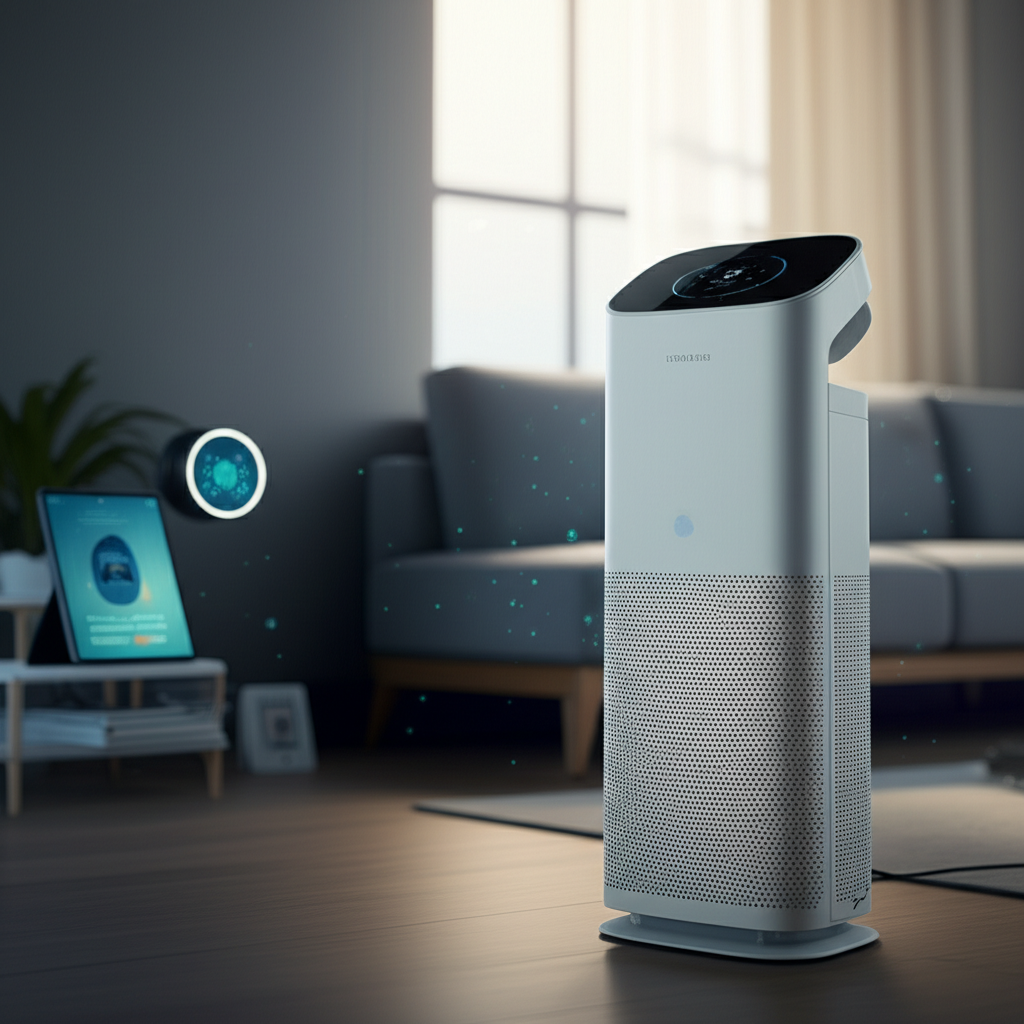
A UV air purifier typically consists of a fan, a UV-C lamp, and a protective housing. The fan draws in air, passing it over the UV-C lamp, which then irradiates the airborne contaminants. The housing ensures that the UV-C light is contained, preventing exposure to humans and pets. Some advanced models may also include pre-filters to capture larger particles before they reach the UV chamber.
These components work in synergy to create a system that can effectively neutralize a significant portion of airborne pathogens. The strength and wavelength of the UV-C lamp, along with the airflow rate, are crucial determinants of the purifier’s overall efficacy in inactivating viruses like SARS-CoV-2.
Types of UV Air Purifiers: What to Look For
UV air purifiers come in various configurations, often integrated into larger air purification systems. Some units use UV-C lamps directly exposed to the air, while others enclose the lamp and require air to pass through a chamber. The latter design is generally safer as it prevents direct UV-C exposure to occupants.
Look for models that clearly state the UV-C wavelength (ideally around 254 nm) and provide details on their inactivation efficacy against specific viruses. Certifications from reputable organizations can also indicate a product’s performance and safety standards. Understanding these variations helps in choosing a UV air purifier that best suits your needs for tackling airborne viruses like COVID-19.
Scientific Evidence: Do UV Air Purifiers Actually Work Against COVID-19?
Scientific studies have demonstrated that UV-C light can inactivate SARS-CoV-2. Research published in journals like Nature and findings from institutions like the CDC confirm UV-C’s germicidal capabilities against various viruses, including coronaviruses. The key is sufficient UV-C dosage, which involves intensity and exposure time.
While laboratory studies show high inactivation rates, real-world effectiveness in a room depends on factors such as air exchange rates and how quickly air passes the UV light source. Nonetheless, numerous studies confirm that UV-C light is a viable technology for reducing the presence of airborne viruses like COVID-19. The U.S. Environmental Protection Agency (EPA) acknowledges UV irradiation as a method for disinfecting air.
Factors Affecting UV Air Purifier Efficacy
Several critical factors influence how effectively a UV air purifier can inactivate COVID-19. These include the intensity of the UV-C light emitted, the duration air is exposed to the light, and the airflow rate of the purifier. A higher intensity and longer exposure time generally lead to greater inactivation rates.
Furthermore, the presence of other air filtration stages, such as HEPA filters, can capture particles before they reach the UV-C light, potentially reducing the overall effectiveness of the UV component for those specific particles. The design of the UV chamber also plays a role; ensuring adequate dwell time for the air is paramount. For optimal results, consider purifiers with robust UV-C lamps and efficient air circulation systems.
Are UV Air Purifiers Safe for Home Use?
When used as intended and with proper safety features, UV air purifiers are generally safe for home use. Most modern units are designed with enclosed UV-C chambers, preventing direct exposure to the harmful rays. It’s crucial to ensure the unit is certified and meets safety standards to avoid any risks associated with UV-C radiation or ozone production.
Always follow the manufacturer’s instructions for operation and maintenance. If a UV air purifier is designed to expose UV-C light, it should never be operated when people or pets are present in the room. Prioritize models with built-in safety mechanisms that shut off the UV light if the unit is opened or if there’s a risk of exposure.
UV Air Purifiers vs. Other Air Purification Technologies
UV air purifiers excel at inactivating microorganisms, including viruses like COVID-19, by damaging their genetic material. However, they don’t remove particles from the air. In contrast, HEPA filters are highly effective at physically trapping airborne particles, including viruses, dust, and allergens. Activated carbon filters are best for removing odors and volatile organic compounds (VOCs).
Many advanced air purifiers combine technologies, such as HEPA filtration with UV-C light, to offer a comprehensive solution. This multi-stage approach captures particles while simultaneously inactivating any remaining airborne pathogens. Understanding these differences helps in selecting the most suitable purification method or combination for your specific air quality concerns. For instance, a unit combining HEPA filtration with UV-C light offers both particle removal and germ inactivation.
| Technology | Primary Function | Effectiveness Against COVID-19 | Additional Benefits |
|---|---|---|---|
| UV-C Light | Inactivates microorganisms | Can inactivate SARS-CoV-2 by damaging RNA | Effective against bacteria, mold spores |
| HEPA Filter | Physically traps particles | Captures virus-sized particles, reducing airborne concentration | Removes dust, pollen, pet dander, mold spores |
| Activated Carbon | Adsorbs gases and odors | Indirectly helpful by removing VOCs that can exacerbate respiratory issues | Removes smoke, chemical fumes, cooking odors |
When considering air purification, it’s beneficial to weigh the strengths of each technology. UV-C offers germicidal action, HEPA filters provide physical particle removal, and activated carbon tackles odors and gases. A combination often yields the best results for overall indoor air quality and pathogen reduction.
Maximizing the Benefits of Your UV Air Purifier
To get the most out of your UV air purifier, ensure it’s correctly sized for your room and operated continuously when the space is occupied. Regular maintenance, including cleaning or replacing the UV-C lamp as recommended by the manufacturer, is crucial for sustained effectiveness. Proper placement within the room, away from obstructions, also optimizes air circulation.
Combining your UV air purifier with other good indoor air quality practices, such as regular ventilation and source control of pollutants, will provide the most comprehensive protection. Remember that UV air purifiers are a supplementary tool, not a substitute for fundamental public health measures. For optimal performance, always refer to the specific instructions provided by the device manufacturer.
What to Consider When Buying a UV Air Purifier
When purchasing a UV air purifier, look for units with a high-quality UV-C lamp that emits the optimal wavelength (around 254 nm) for germicidal effectiveness. Check for certifications from reputable bodies that verify performance and safety. Consider the CADR (Clean Air Delivery Rate) to ensure the unit is appropriately sized for your space and has sufficient airflow to pass air through the UV chamber effectively.
Prioritize models with safety features that prevent direct UV-C exposure. Reading customer reviews and consulting independent testing reports can provide valuable insights into a product’s real-world performance. A well-designed UV air purifier, perhaps combined with HEPA filtration, can be a valuable addition to your home’s air quality strategy.
Frequently Asked Questions (FAQ)
Do UV air purifiers emit ozone?
Some UV air purifiers, particularly older or poorly designed models, can produce ozone as a byproduct. However, most modern, reputable units are designed to minimize or eliminate ozone production. It’s essential to look for ozone-free certifications or specifications from the manufacturer.
How long does it take for a UV air purifier to kill COVID-19?
UV air purifiers don’t instantly “kill” viruses; they inactivate them by damaging their genetic material. The time required for inactivation depends on the UV-C intensity and exposure duration. In a well-designed purifier, this process happens as air passes through the UV chamber, effectively reducing the viral load in the circulated air.
Can I leave a UV air purifier on all the time?
For continuous air purification and pathogen inactivation, it is generally recommended to leave a UV air purifier on when the space is occupied. This ensures that airborne viruses like COVID-19 are consistently exposed to the UV-C light as the air circulates. Always consult the manufacturer’s guidelines for optimal usage.
Are UV air purifiers effective against other viruses and bacteria?
Yes, UV-C light is a broad-spectrum germicide effective against a wide range of microorganisms, including many other viruses, bacteria, and mold spores. Its ability to damage genetic material makes it a versatile tool for air disinfection. This makes UV air purifiers a valuable addition to maintaining a healthy indoor environment.
Do UV air purifiers remove allergens and dust?
UV air purifiers primarily focus on inactivating airborne pathogens. They do not physically remove particles like allergens and dust from the air. For comprehensive air cleaning that includes particle removal, it is best to use a UV air purifier in conjunction with a HEPA filter.
Where is the best place to put a UV air purifier in my home?
Place your UV air purifier in the room where you spend the most time or where air circulation is a concern, such as living areas or bedrooms. Ensure it’s positioned in an open area, away from furniture or walls, to allow for optimal airflow into and out of the unit. This maximizes its effectiveness in treating the air.
Conclusion: A Valuable Tool for Cleaner Air
In conclusion, do UV air purifiers kill COVID-19? Yes, they can effectively inactivate SARS-CoV-2 and other airborne viruses by damaging their genetic material. While not a standalone solution, UV air purification technology, when properly implemented and maintained, offers a significant benefit in reducing the presence of infectious agents in indoor air. By understanding how they work, their limitations, and choosing the right unit, you can enhance your home’s air quality and contribute to a safer environment.
