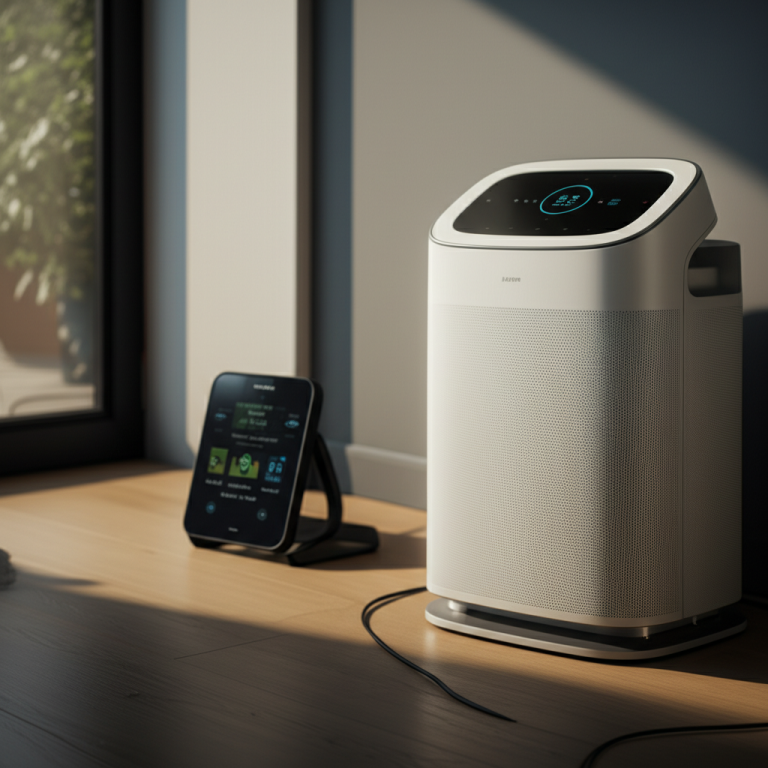
Do It Yourself Air Purifier: Genius & Essential Guide

DIY Air Purifier: Your Genius & Essential Guide to Cleaner Home Air
Build a cost-effective, high-performance do it yourself air purifier to significantly improve your home’s air quality. This guide offers genius, essential steps for a healthier living space without breaking the bank.
Breathing cleaner air at home is crucial for health and well-being, yet commercial air purifiers can be expensive. Many people struggle with allergies, pet dander, or simply want to reduce indoor pollutants like VOCs and dust. Fortunately, a powerful and effective do it yourself air purifier is within reach. This guide will walk you through creating your own genius solution, saving you money and giving you peace of mind. Get ready to transform your indoor environment with this essential, step-by-step approach.
Why Build a DIY Air Purifier? The Smart Choice for Health and Savings
Building your own air purifier offers significant advantages over purchasing a commercial unit. It’s a cost-effective way to achieve excellent air filtration, allowing you to customize it to your specific needs. This DIY approach empowers you to control the materials used, ensuring a healthier outcome for your home.
This DIY project is perfect for anyone looking to improve their indoor air quality without a large financial commitment. It’s an accessible solution for reducing allergens, dust, and other airborne irritants. You gain control over the filtration process and enjoy a healthier living space.
Understanding Air Purification: How Do They Really Work?
Air purifiers work by drawing in indoor air, passing it through one or more filters, and then releasing cleaner air back into the room. The effectiveness of an air purifier depends heavily on the type and quality of filters used and the volume of air it can process. Key components typically include a fan and a filtration system.
Different types of filters target specific pollutants. HEPA filters are excellent for capturing microscopic particles, while activated carbon filters excel at removing odors and gases. Understanding these mechanisms helps in designing a DIY solution that meets your specific air quality goals.
The Genius DIY Air Purifier Design: The Box Fan & Filter Method
The most popular and effective DIY air purifier design utilizes a standard box fan and a high-quality air filter, often a MERV 13 or higher furnace filter. This setup is incredibly simple to assemble but remarkably effective at capturing a wide range of airborne particles. It’s a true testament to how basic components can create a powerful solution.
This design leverages the powerful airflow of a box fan to push air through a filter designed for HVAC systems. The result is a surprisingly efficient air cleaner that rivals many commercial units in performance, especially for particle removal.
Materials Needed for Your Genius DIY Air Purifier
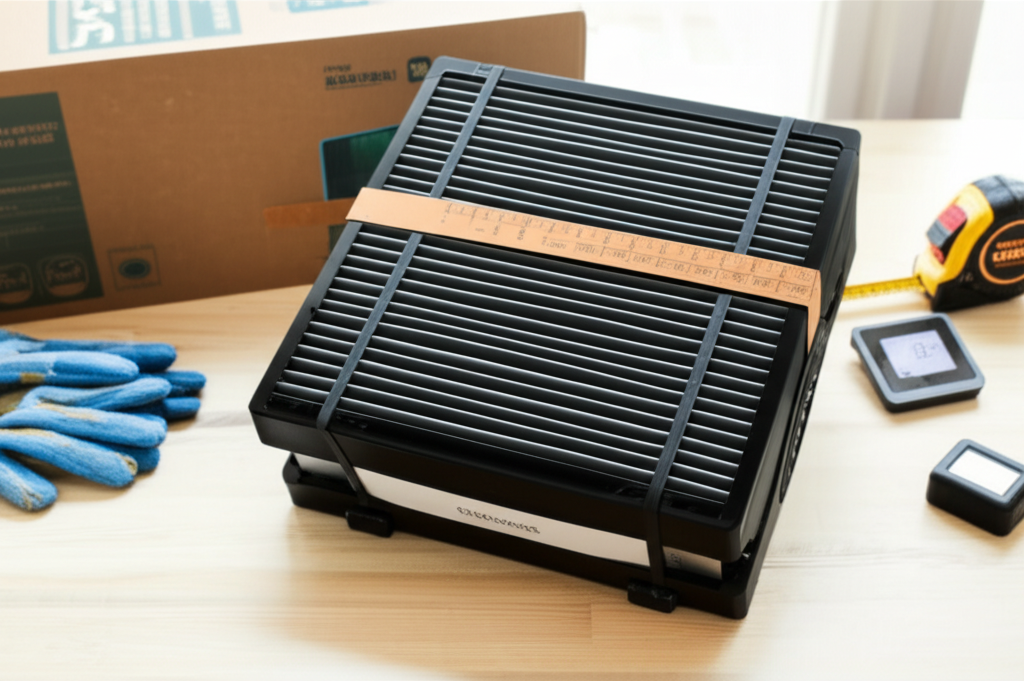
Gathering the right materials is the first step towards building your efficient do it yourself air purifier. Simplicity is key, ensuring you can assemble it quickly and with minimal fuss. Having everything ready will make the building process smooth and enjoyable.
Box Fan: A standard 20-inch box fan is ideal. Look for one with multiple speed settings.
Air Filter: A 20x20x1 inch pleated furnace filter with a MERV 13 rating or higher is recommended. Higher MERV ratings capture smaller particles.
Duct Tape: Strong, wide duct tape is essential for sealing the filter to the fan securely.
Optional: Cardboard or Foam Board: To create a more enclosed housing for better airflow direction.
Optional: Pre-filter Material: For extending the life of your main filter, especially if you have pets.
Step-by-Step Assembly: Building Your DIY Air Purifier
Assembling your do it yourself air purifier is straightforward and requires no special tools or expertise. Follow these simple steps to create your functional air cleaning device. The goal is to create a tight seal between the fan and the filter for maximum efficiency.
1. Prepare the Fan: Ensure your box fan is clean and in good working order. Place it on a stable surface.
2. Attach the Filter: Position the air filter against the back of the fan (the side where air is drawn in). Ensure the airflow arrow on the filter points towards the fan.
3. Seal the Edges: Use duct tape to securely seal all four edges of the filter to the fan housing. Create an airtight seal to prevent air from bypassing the filter.
4. Optional: Add a Cardboard Shroud: If using cardboard, cut it to fit around the filter and fan, creating a more streamlined unit. Tape it securely.
5. Optional: Apply Pre-filter: If using a pre-filter, attach it to the outside of your main filter before taping it to the fan.
This simple assembly process results in a powerful do it yourself air purifier capable of significantly improving your home’s air. The tight seal ensures all air drawn by the fan must pass through the filter.
Choosing the Right Filter: The Heart of Your DIY Air Purifier
The air filter is the most critical component of your do it yourself air purifier. Its rating directly determines the size and type of particles your device can capture. Investing in a good quality filter is paramount for effective air cleaning.
A MERV (Minimum Efficiency Reporting Value) rating indicates a filter’s ability to capture particles. MERV 13 is generally considered the sweet spot for DIY air purifiers, effectively trapping dust, pollen, mold spores, and even some bacteria and viruses. For even finer filtration, consider MERV 14 or higher.
MERV Ratings Explained: Finding Your Perfect Filter Match
Understanding MERV ratings helps you select the best filter for your do it yourself air purifier. Higher MERV numbers mean better filtration of smaller particles. Here’s a quick guide to common ratings and what they capture.
| MERV Rating | Particle Size Captured | Common Applications |
| :———- | :——————————————————— | :—————————————————— |
| 3-10 microns (e.g., dust mites, pollen, mold spores) | Basic residential filtration |
| 1-10 microns (e.g., finer dust, pet dander, bacteria) | Enhanced residential filtration, DIY air purifiers |
| 0.3-1 micron (e.g., smoke, viruses, very fine particles) | High-efficiency filtration, medical facilities |
| <0.3 microns (e.g., smallest airborne particles) | Specialized applications, clean rooms |
For a do it yourself air purifier, aiming for MERV 13 or higher is highly recommended for effective particle removal. This ensures you capture a broad spectrum of common indoor air pollutants.
Optimizing Your DIY Air Purifier for Maximum Effectiveness
To get the most out of your do it yourself air purifier, consider a few optimization techniques. These simple adjustments can enhance its performance and longevity. Proper placement and maintenance are key to continuous clean air.
Consider building a more robust unit by using multiple filters, often referred to as a “Corsi-Rosenthal Box.” This design involves taping four filters together to form a cube, with the fan on top drawing air through all four filters. This significantly increases the filter surface area, improving airflow and filtration efficiency.
The Corsi-Rosenthal Box: An Enhanced DIY Air Purifier Design
The Corsi-Rosenthal Box is a highly effective evolution of the basic box fan air purifier. It uses multiple filters to create a much larger filtration surface area, leading to improved air cleaning capacity and reduced strain on the fan. This design has gained significant traction for its impressive performance.
This design typically uses four 20x20x1 inch MERV 13 filters arranged in a cube, sealed at the edges. The box fan is then taped to the top, drawing air through all four filters. This creates a powerful, efficient, and relatively quiet do it yourself air purifier.
Placement and Usage Tips for Your DIY Air Purifier
Strategic placement of your do it yourself air purifier can significantly impact its effectiveness. Consider where airborne pollutants are most likely to accumulate or originate in your home. Placing it centrally in a room or near pollution sources is generally best.
Place your DIY air purifier in the room where you spend the most time, such as the bedroom or living room. Avoid placing it directly against walls or furniture, as this can obstruct airflow. Running the fan on medium speed often provides a good balance between air cleaning and noise level.
Maintenance and Filter Replacement: Keeping Your DIY Air Purifier Running Smoothly
Regular maintenance is essential to ensure your do it yourself air purifier continues to function optimally. The most crucial maintenance task is replacing the air filter. A clogged filter reduces airflow and filtration efficiency, making your purifier less effective.
The frequency of filter replacement depends on your home’s air quality and how often you run the purifier. In general, aim to replace the filter every 3-6 months. Visually inspect the filter periodically; if it appears visibly dirty or gray, it’s time for a change.
When to Replace Your DIY Air Purifier Filter
Knowing when to replace the filter in your do it yourself air purifier is key to its ongoing performance. A dirty filter can become a breeding ground for contaminants and hinder airflow. Regular checks will help you determine the right time.
Visual Inspection: If the filter looks significantly dirty or discolored, it’s time for a replacement.
Reduced Airflow: Noticeably less air coming from the fan, or the fan struggling, indicates a clogged filter.
Duration: As a general guideline, replace filters every 3-6 months, depending on usage and air quality.
Allergy Season: Consider more frequent replacements during peak allergy seasons or if you notice increased symptoms.
Replacing the filter is a simple process that revitalizes your do it yourself air purifier. It ensures you continue to breathe clean, filtered air.
Pros and Cons of Building Your Own Air Purifier
While building a do it yourself air purifier offers many benefits, it’s important to be aware of its limitations. Weighing the advantages against the disadvantages will help you make an informed decision about whether this is the right solution for your needs. It’s a practical approach with a few trade-offs.
Here’s a balanced look at the pros and cons of this popular DIY project:
Pros:
Cost-Effective: Significantly cheaper than most commercial air purifiers.
High Performance: Can achieve excellent particle filtration comparable to expensive units.
Customizable: Easy to upgrade with better filters or build larger versions.
Simple to Build: Requires basic materials and minimal DIY skills.
Energy Efficient: Box fans are generally energy-efficient.
Cons:
Aesthetics: May not be as visually appealing as commercial units.
Noise: Box fans can be noisier than specialized air purifier fans, especially on higher settings.
No Smart Features: Lacks advanced features like air quality sensors, timers, or app control.
Ozone Production: Some older or cheaper fans might have components that could potentially produce ozone, though this is rare with modern fans and not a primary concern with this design.
Despite the cons, the overwhelming benefits of cost savings and effective filtration make the do it yourself air purifier a compelling option for many.
Comparing DIY Air Purifiers to Commercial Models
When considering an air purification solution, comparing your do it yourself air purifier to commercial models is essential. While commercial units offer convenience and advanced features, DIY options excel in cost-effectiveness and performance for particle filtration. Understanding the differences helps you choose wisely.
Commercial air purifiers often boast sleek designs, quiet operation, and smart features like air quality sensors. However, their purchase price can be substantial. The DIY approach prioritizes function over form, delivering powerful filtration at a fraction of the cost.
Performance Benchmarks: DIY vs. Commercial
In terms of raw air cleaning power for particulate matter, a well-built do it yourself air purifier can rival or even outperform many commercial units. This is especially true for the Corsi-Rosenthal Box design. Performance can be measured by Clean Air Delivery Rate (CADR), though direct comparisons can be tricky due to varying fan speeds and filter efficiencies.
A study by researchers at the University of Massachusetts Amherst found that a Corsi-Rosenthal box achieved CADR values comparable to commercial HEPA purifiers, demonstrating its robust performance. This makes the DIY option a highly competitive choice for improving indoor air quality.
Safety Considerations for Your DIY Air Purifier
Ensuring the safe operation of your do it yourself air purifier is paramount. While the design is simple, a few safety precautions will prevent any issues. Always prioritize safety when working with electrical appliances.
Ensure the fan is in good working condition with no frayed wires or damage. Never leave the DIY air purifier running unattended for extended periods, especially if you have pets or children who might interact with it. Position it in a stable location where it won’t be easily knocked over.
Troubleshooting Common DIY Air Purifier Issues
Even with a simple design, you might encounter minor issues with your do it yourself air purifier. Most problems are easy to resolve with a little troubleshooting. Here are a few common concerns and their solutions.
Reduced Airflow: This is almost always due to a clogged filter. Replace the filter. Ensure the filter is not blocking the fan blades.
Excessive Noise: Check if the fan is vibrating against a surface. Ensure the filter is securely attached and not rattling. Try a lower fan speed.
* Air Leaks: Re-tape any areas where air might be escaping between the filter and the fan. A good seal is crucial.
Addressing these common issues promptly will keep your do it yourself air purifier running efficiently and effectively.
Frequently Asked Questions About DIY Air Purifiers
Can a DIY air purifier really be as effective as a store-bought one?
Yes, a well-constructed do it yourself air purifier, especially the Corsi-Rosenthal Box design using MERV 13 or higher filters, can be as effective, if not more so, than many commercial HEPA purifiers for capturing particulate matter.
How often do I need to replace the filter on my DIY air purifier?
You should aim to replace the filter every 3-6 months, depending on your home’s air quality and how often the purifier is used. Visually inspect the filter regularly for dirt and discoloration.
Is a DIY air purifier safe to leave running overnight?
When built correctly with a safe, modern fan and placed on a stable surface, a DIY air purifier can generally be left running overnight. However, always exercise caution with any electrical appliance and ensure it’s in good working order.
What is the best type of filter to use for a DIY air purifier?
For a do it yourself air purifier, a pleated furnace filter with a MERV 13 rating or higher is highly recommended. These filters are designed to capture small particles like dust, pollen, pet dander, and even some bacteria and viruses.
Will a DIY air purifier help with odors and VOCs?
While MERV filters are excellent for particles, they don’t typically remove odors and VOCs (Volatile Organic Compounds) effectively. For odor and VOC removal, you would need to incorporate an activated carbon filter into your DIY design, which can be more complex.
How much does it typically cost to build a DIY air purifier?
The cost can vary, but a basic box fan and filter setup usually costs between $30-$60. A more advanced Corsi-Rosenthal Box with four filters might range from $60-$100, still significantly less than most commercial units.
Conclusion: Breathe Easier with Your Genius DIY Air Purifier
Creating your own do it yourself air purifier is a brilliant and accessible way to significantly enhance the air quality in your home. The simplicity of the design, combined with the effectiveness of high-MERV filters, offers a powerful solution for combating dust, allergens, and other airborne irritants. You’ve learned how to select the right materials, assemble your unit efficiently, and maintain it for ongoing performance.
By following this genius guide, you can enjoy cleaner, healthier air without the hefty price tag of commercial models. Empower yourself with knowledge and build a do it yourself air purifier that perfectly suits your needs, ensuring a more comfortable and healthier living environment for you and your loved ones.