
Do You Need an Air Purifier in Every Room? Essential Guide

No, you likely don’t need an air purifier in every single room. This guide helps you strategically decide where air purifiers are most beneficial based on air quality concerns, room usage, and individual needs, ensuring effective air purification without unnecessary cost.
Breathing cleaner air at home is a growing priority for many. You might be wondering, “Do you need an air purifier in every room?” It’s a common question as we aim for healthier living spaces. While the idea of pristine air everywhere is appealing, the reality is often more nuanced. Let’s explore how to make the best decision for your home and your health, ensuring you get the most impact from your air purification efforts.
Why Air Quality Matters in Your Home
Poor indoor air quality can affect your health and well-being. Common pollutants like dust, pollen, pet dander, mold spores, and VOCs (volatile organic compounds) can trigger allergies, asthma, and other respiratory issues. Identifying the sources and understanding how air circulates in your home is the first step to improving it. This knowledge empowers you to make informed decisions about where air purification is most critical.
Assessing Your Home’s Air Quality Needs
Before buying multiple units, it’s essential to assess your home’s specific air quality challenges. Consider factors like the presence of pets, smokers, or individuals with allergies or asthma. Also, think about the age of your home, its ventilation, and potential sources of indoor pollution like new furniture or cleaning products. Understanding these factors helps prioritize which rooms need the most attention.
Factors Influencing Air Purifier Placement
Several key factors should guide where you place an air purifier. The size of the room, how often it’s occupied, and the specific air quality concerns within that space are paramount. For instance, a bedroom or a living room where people spend significant time might benefit more than a rarely used guest room or a small bathroom. Strategic placement maximizes effectiveness and efficiency.
Room Occupancy and Usage
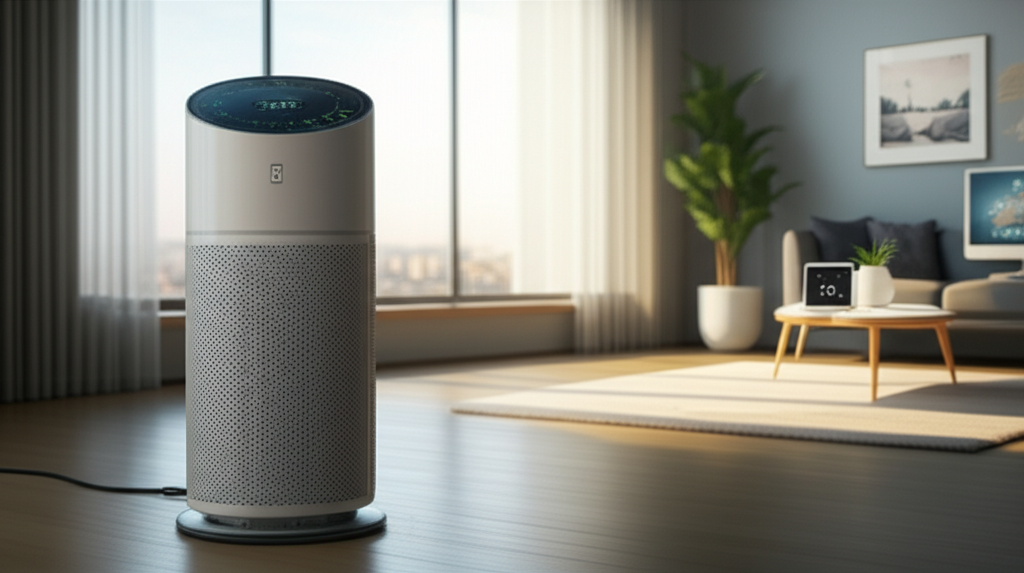
Rooms where you spend the most time will naturally have a greater impact on your health. This includes bedrooms, living rooms, and home offices. If family members spend hours in these areas, purifying the air here directly benefits their well-being. Less frequently used spaces may not warrant the same level of attention.
Specific Air Quality Concerns
Certain rooms are more prone to air quality issues. A kitchen can accumulate cooking fumes and grease particles, while a bathroom might struggle with humidity and potential mold growth. If you have pets, areas where they frequently rest or play will likely have higher concentrations of dander. Addressing these specific problem areas first is often the most effective approach.
Allergies and Respiratory Conditions
For individuals suffering from allergies, asthma, or other respiratory conditions, air purification becomes even more critical. Bedrooms are especially important, as consistent exposure to clean air during sleep can significantly improve symptoms. A dedicated purifier in a child’s room or the primary bedroom can offer substantial relief.
The Case for a Centralized Air Purification Strategy
Instead of placing a small unit in every room, a more effective strategy might involve a few powerful, well-placed units or even a whole-house system. This approach ensures that air is consistently cleaned and circulated throughout your living space. It can be more efficient and cost-effective in the long run.
Where Air Purifiers Are Most Beneficial
Based on typical household needs, certain rooms stand out as prime candidates for air purifiers. Prioritizing these spaces ensures you’re addressing the most common and impactful areas for air quality improvement.
Bedrooms
Your bedroom is a sanctuary for rest and recovery. Since you spend a significant portion of your day here, often with windows closed, it’s crucial to ensure the air is clean. Removing allergens like dust mites, pollen, and pet dander can lead to better sleep quality and reduced allergy symptoms.
Living Rooms and Family Rooms
These are high-traffic areas where families gather, entertain guests, and spend leisure time. Pollutants can accumulate quickly from outdoor air, cooking, and even everyday activities. An air purifier here can help create a healthier environment for everyone.
Home Offices
With the rise of remote work, home offices have become essential spaces. Spending long hours indoors, often with limited ventilation, means indoor air quality can impact focus and productivity. Purifying the air can help create a more comfortable and healthier workspace.
Kitchens
Cooking can release various airborne particles and odors, from smoke and grease to VOCs from cleaning products. While ventilation is key, an air purifier can supplement by capturing lingering pollutants. Look for models with activated carbon filters to tackle odors effectively.
Nurseries and Children’s Rooms
Young children are more susceptible to the effects of poor air quality. Their developing respiratory systems can be particularly sensitive to allergens and pollutants. Placing an air purifier in a nursery or child’s room can provide a cleaner environment for them to grow and thrive.
When You Might NOT Need an Air Purifier in Every Room
Not every room in your house necessarily requires its own air purifier. Consider spaces that are:
Rarely Used: Guest rooms or storage areas that see minimal foot traffic.
Well-Ventilated: Rooms with consistently open windows or excellent natural airflow.
Small and Adjacent to Purified Areas: Small bathrooms or closets that are close to a room with an active air purifier might receive sufficient air circulation.
Already Addressed by Whole-House Systems: If you have an integrated HVAC filtration system, it might cover many of your needs.
Strategic Placement: Maximizing Effectiveness
Once you’ve identified the priority rooms, strategic placement within those rooms is key. Avoid placing air purifiers behind furniture or in corners where airflow is restricted. Aim for an open area where air can circulate freely, allowing the unit to draw in and filter air from the entire space.
Choosing the Right Air Purifier for Your Needs
The effectiveness of an air purifier depends not only on its placement but also on its capabilities. Consider the following when selecting a unit:
CADR (Clean Air Delivery Rate): This measures how quickly an air purifier can clean a room. Higher CADR is better for larger spaces or more significant pollution.
Filter Type: HEPA filters are essential for capturing small particles like allergens and dust. Activated carbon filters are good for odors and VOCs.
Room Size: Ensure the purifier is rated for the square footage of the room you intend to use it in.
Noise Level: Especially important for bedrooms and offices.
* Energy Efficiency: Look for ENERGY STAR certified models.
Brands like Coway and Levoit offer a range of purifiers suitable for different needs.
Understanding Airflow and Room Size
Air purifiers are designed for specific room sizes, indicated by their CADR rating. Using a unit too small for a large room will be ineffective, while using one too large in a small space is often unnecessary. It’s crucial to match the purifier’s capacity to the room’s dimensions for optimal performance. For example, a high-CADR unit might be perfect for your living room, while a smaller, quieter model suffices for a bedroom.
Maintenance: The Key to Consistent Performance
Even the best air purifier won’t work effectively if it’s not maintained. Regularly cleaning pre-filters and replacing HEPA and carbon filters according to the manufacturer’s recommendations is vital. Neglecting maintenance can lead to reduced efficiency and even re-release trapped pollutants back into the air.
The Cost-Benefit Analysis of Multiple Units
Investing in air purifiers for every room can be a significant expense, both in initial purchase and ongoing filter replacements. It’s wise to conduct a cost-benefit analysis. Often, strategically placing one or two high-quality units in the most critical areas yields better results than spreading thin with multiple less powerful ones.
Frequently Asked Questions
Do air purifiers really make a difference?
Yes, air purifiers can significantly improve indoor air quality by removing common pollutants like dust, pollen, pet dander, mold spores, and VOCs, which can alleviate allergy and asthma symptoms.
Can one air purifier clean multiple rooms?
While one air purifier can help circulate cleaner air to adjacent rooms, its effectiveness diminishes with distance and open doorways. It’s most effective within the room it’s placed in.
How many air changes per hour (ACH) should I aim for?
For optimal air purification, aiming for 4-5 air changes per hour (ACH) in a room is generally recommended, especially for those with respiratory sensitivities.
Should I leave my air purifier on all the time?
Yes, it’s generally recommended to leave your air purifier on continuously, especially in rooms where you spend a lot of time or if you have persistent air quality concerns. This ensures consistent air cleaning.
Are air purifiers effective against viruses and bacteria?
Many air purifiers with HEPA filters can capture airborne viruses and bacteria. Some advanced models may also include UV-C light technology for additional sanitization.
What is VOC?
VOC stands for Volatile Organic Compound. These are gases emitted from various household products, paints, and furnishings that can negatively impact indoor air quality.
Can air purifiers help with smoke odor?
Yes, air purifiers equipped with activated carbon filters are very effective at adsorbing and neutralizing smoke odors and other common household smells.
Conclusion
So, do you need an air purifier in every room? The answer is generally no. While the desire for clean air everywhere is understandable, a strategic approach is far more effective and economical. By assessing your home’s specific needs, prioritizing high-traffic and sensitive areas like bedrooms, living rooms, and nurseries, and choosing the right units for those spaces, you can significantly improve your indoor air quality. Remember that proper placement and regular maintenance are just as crucial as the unit itself. Focus your efforts where they matter most, and enjoy the benefits of breathing cleaner, healthier air in your home.
