Can Air Purifier Detect Gas Leak: Essential Safety

No, a standard air purifier cannot detect a gas leak. While they excel at filtering airborne particles and odors, they lack the specific sensors required to identify dangerous gases like natural gas or carbon monoxide. For gas leak detection, specialized safety devices are essential.
Can Air Purifier Detect Gas Leak? Essential Safety Explained
It’s a common worry: what if there’s a gas leak in my home? You might be wondering if your trusty air purifier, diligently cleaning the air you breathe, could also be a guardian against this unseen danger. It’s a natural question, especially when air purifiers boast about removing various airborne contaminants. This article will clarify the capabilities of air purifiers regarding gas leaks and guide you on the essential safety measures you truly need.
Understanding Air Purifiers and Their Limitations
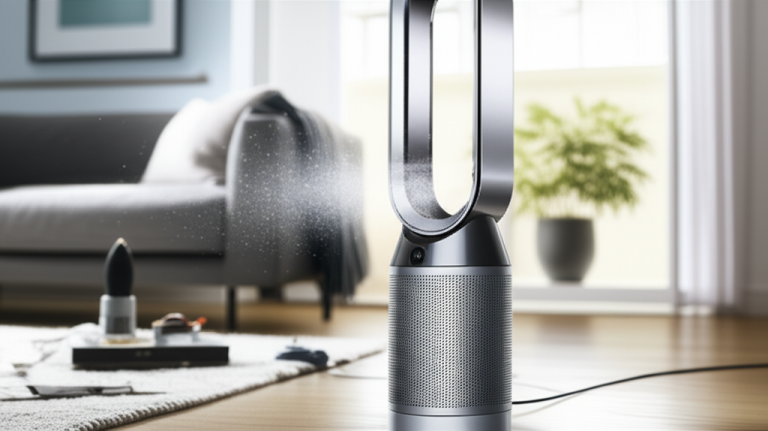
Air purifiers are designed to improve indoor air quality by removing particulate matter, allergens, and common household odors. They typically use filters like HEPA and activated carbon to trap particles and absorb volatile organic compounds (VOCs). However, their filtration systems are not engineered to sense or alert you to specific dangerous gases.
How Air Purifiers Work for Common Pollutants
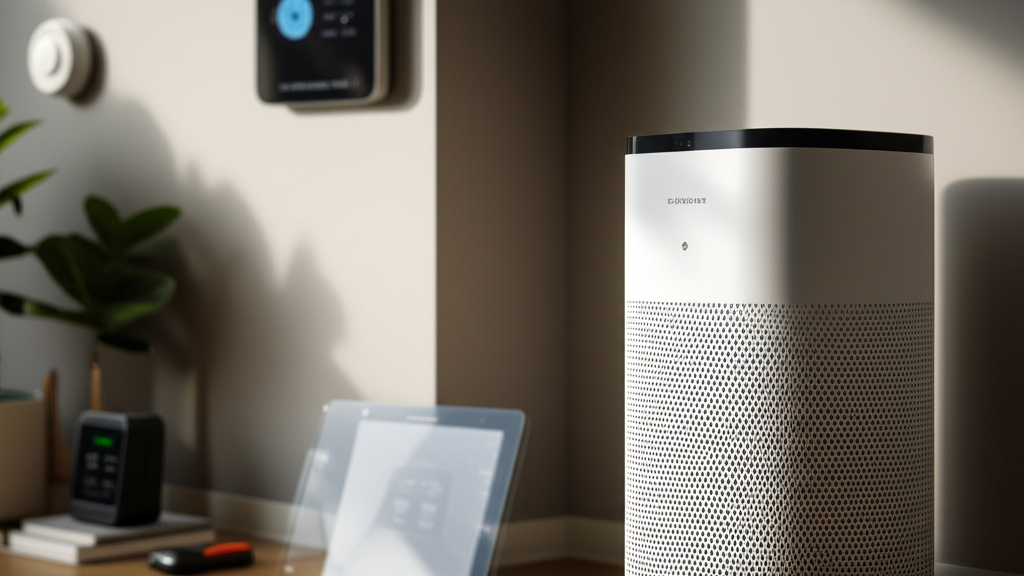
Most air purifiers utilize a multi-stage filtration process. A pre-filter captures larger particles like dust and pet hair, while a HEPA filter removes smaller airborne contaminants such as pollen, mold spores, and bacteria. An activated carbon filter then adsorbs odors and gases like smoke and VOCs from cooking or cleaning products.
Why Air Purifiers Don’t Detect Gas Leaks
The core limitation is that air purifiers lack the specialized sensors needed to detect combustible gases (like natural gas or propane) or toxic gases (like carbon monoxide). These gases require specific chemical sensors that trigger an alarm when a dangerous concentration is reached. Standard air purifiers simply don’t have this technology built-in.
The Crucial Difference: Air Purifiers vs. Gas Detectors
It’s vital to differentiate between what an air purifier does and what a gas detector is designed for. While both contribute to a healthier home environment, their functions are distinct and non-interchangeable when it comes to gas leak safety.
What Gas Detectors Are Designed For
Gas detectors, such as carbon monoxide detectors and natural gas alarms, are specifically built with sensors calibrated to identify the presence of particular dangerous gases. When these gases reach a predetermined unsafe level, the detector emits a loud audible alarm, alerting occupants to evacuate.
The Role of Activated Carbon in Air Purifiers
While activated carbon filters in air purifiers can absorb some household odors and VOCs, they are not designed to detect or alert to the presence of dangerous, odorless, or colorless gases like carbon monoxide or natural gas. Their capacity is for general odor control, not emergency gas detection.
Essential Safety Devices: Carbon Monoxide Detectors
Carbon monoxide (CO) is a colorless, odorless, and deadly gas produced by incomplete combustion. It’s a significant household hazard, and dedicated detectors are non-negotiable for safety.
Why Carbon Monoxide is a Silent Killer
CO poisoning can occur when fuel-burning appliances like furnaces, water heaters, stoves, or fireplaces malfunction or are poorly ventilated. Symptoms can mimic the flu, making it difficult to diagnose without an alarm. Installing CO detectors is your first line of defense.
Choosing and Placing Carbon Monoxide Detectors
You should install CO detectors on every level of your home, especially near sleeping areas. Look for detectors that are UL-certified and consider models with digital displays to show CO levels. Regular testing and battery replacement are crucial for their effectiveness. Many modern CO detectors can be linked together for a more comprehensive alert system.
Essential Safety Devices: Natural Gas and Propane Alarms
For homes using natural gas or propane for heating, cooking, or other appliances, specific gas leak detectors are essential to protect against these highly flammable and potentially dangerous substances.
Identifying the Risks of Gas Leaks
Natural gas and propane are lighter than air and can accumulate in upper areas of a home, posing an explosion risk. A leak can originate from faulty appliances, damaged gas lines, or improper connections. The smell of rotten eggs is often added to natural gas as a warning, but it can fade over time or be missed.
How Natural Gas Alarms Work
These alarms are equipped with sensors that detect the presence of natural gas or propane. When the concentration of these gases in the air reaches a dangerous level, the alarm will sound loudly, prompting immediate action. It’s recommended to install these alarms near gas appliances and in areas where gas lines are present.
Can an Air Purifier Help with Odors from a Gas Leak?
While an air purifier might filter out some of the odor associated with a minor gas issue (if one were detectable), it is absolutely not a substitute for a proper gas leak detector. The primary danger from gas leaks is not always the smell, but the potential for explosion or asphyxiation.
The Limitations of Odor Filtration
Activated carbon filters can adsorb many common household odors, including some volatile organic compounds that might be present in certain types of leaks. However, they are not designed to handle the concentration or specific chemical signatures of a significant natural gas or propane leak, nor can they detect odorless carbon monoxide. Relying on an air purifier for this is a dangerous gamble.
When to Act on Odors and What to Do
If you detect a strong “rotten egg” smell (indicating natural gas) or any unusual, strong odor from an appliance, do not rely on your air purifier. Immediately leave the area, do not operate any electrical switches or appliances, and call your gas company or 911 from a safe distance.
Integrating Air Purifiers with Other Safety Devices
An air purifier and gas detectors serve different, complementary roles in home safety. Understanding how they work together, rather than assuming one can replace the other, is key to comprehensive home health and safety.
Complementary Roles in Home Air Quality
Your air purifier works to remove particles and common odors, contributing to overall respiratory health and a pleasant living environment. Gas detectors, on the other hand, are critical for immediate safety, alerting you to life-threatening gas leaks. Both are valuable components of a healthy home.
Smart Home Integration for Enhanced Safety
Some modern CO detectors and even some air purifiers offer smart home capabilities. While an air purifier won’t detect a gas leak, a smart CO detector can send alerts to your phone, providing an extra layer of security even when you’re away from home. This integration enhances overall home awareness.
Best Practices for Air Quality and Gas Safety
To ensure your home is as safe and healthy as possible, adopting a multi-faceted approach to air quality and gas leak prevention is essential. This involves using the right devices for the right job and maintaining them diligently.
Regular Maintenance of All Devices
Just like your air purifier needs filter changes, your gas detectors need regular testing and battery replacements. Check your CO and gas alarms monthly by pressing the test button. Replace batteries as recommended by the manufacturer, typically annually, and replace the entire unit every 5-10 years.
Professional Inspections of Gas Appliances
Ensure all your gas-burning appliances—furnaces, water heaters, stoves, and dryers—are installed correctly and regularly inspected by qualified professionals. Annual maintenance can identify potential issues before they become dangerous leaks or ventilation problems. This is a critical step in preventing gas-related incidents.
Can Air Purifier Detect Gas Leak: The Verdict
The definitive answer to “can air purifier detect gas leak” is no. While air purifiers are excellent tools for improving general indoor air quality by filtering particles and odors, they are not equipped with the specific sensors necessary to detect dangerous gases like carbon monoxide, natural gas, or propane.
Why You Need Dedicated Gas Detectors
For true gas leak protection, you must rely on specialized safety devices. Carbon monoxide detectors and natural gas/propane alarms are designed precisely for this purpose, using sensitive sensors to identify hazardous gas concentrations and trigger immediate alerts. These devices are your primary safeguard against the invisible dangers of gas leaks.
A Layered Approach to Home Safety
Think of your air purifier as contributing to your home’s comfort and long-term health, while gas detectors are your immediate emergency warning system. Together, they form a robust strategy for a safe and healthy living space. Never compromise on dedicated gas detection equipment for your peace of mind and the safety of your loved ones.
Frequently Asked Questions (FAQ)
Do air purifiers help with natural gas smells?
A standard air purifier with an activated carbon filter can adsorb some common household odors, potentially reducing the intensity of a faint natural gas smell. However, it is not designed to detect or alert you to a dangerous concentration of natural gas, which is highly flammable.
What is the difference between an air purifier and a gas detector?
An air purifier cleans the air by removing particles and odors using filters. A gas detector uses specific sensors to identify dangerous gases like carbon monoxide or natural gas and sounds an alarm when they reach unsafe levels.
Can my air purifier detect carbon monoxide?
No, a typical air purifier cannot detect carbon monoxide. Carbon monoxide detectors are specialized devices with sensors designed specifically to identify this dangerous, odorless gas.
How often should I test my carbon monoxide and gas detectors?
You should test your carbon monoxide and natural gas detectors monthly by pressing the test button. Also, check and replace batteries as recommended by the manufacturer, usually annually.
Where should I place carbon monoxide detectors in my home?
Install carbon monoxide detectors on every level of your home, inside each sleeping area, and near potential sources of CO, such as furnaces or attached garages.
What should I do if my gas detector goes off?
If any gas detector (CO, natural gas, or propane) sounds an alarm, immediately evacuate everyone from the home. Do not turn on or off any electrical appliances or lights, as a spark could ignite flammable gas. Once safely outside, call your gas company or emergency services from a safe distance.
Conclusion
In conclusion, while air purifiers are valuable for enhancing your home’s overall air quality by filtering out particles and common odors, they absolutely cannot detect dangerous gas leaks. The critical function of identifying hazardous gases like carbon monoxide, natural gas, or propane requires specialized detectors. These devices are equipped with unique sensors and alarm systems designed solely for this life-saving purpose. Prioritizing the installation and maintenance of dedicated carbon monoxide detectors and natural gas alarms is paramount for the safety of your household. An air purifier and a gas detector serve distinct, yet complementary, roles in creating a healthy and secure living environment. Never assume one can substitute for the other; always ensure you have the correct safety equipment in place.