Do Air Purifiers Affect Plants: Essential Guide

Air purifiers generally don’t negatively affect plants and can even benefit them by removing harmful airborne pollutants. Understanding how they interact is key to ensuring a healthy environment for both you and your greenery.
Do Air Purifiers Affect Plants: An Essential Guide for Plant Parents
As a fellow plant enthusiast, I know you cherish your green companions. You strive to give them the best light, water, and soil. But have you ever wondered about the air they breathe? Specifically, do air purifiers affect plants? It’s a valid question, especially with so many of us using these devices for cleaner indoor air. This guide will demystify the relationship between air purifiers and your houseplants, ensuring you can create an optimal environment for everyone. We’ll explore how air purifiers work, what potential impacts they might have, and how to maximize the benefits for both your health and your plants’ well-being.
Understanding How Air Purifiers Work
Air purifiers are designed to remove airborne contaminants like dust, pollen, pet dander, mold spores, and volatile organic compounds (VOCs) from the air. Most modern units utilize a multi-stage filtration system, often including a pre-filter for larger particles, an activated carbon filter for odors and gases, and a HEPA (High-Efficiency Particulate Air) filter for microscopic particles. Some advanced models may also incorporate UV-C light or ionization technology. These systems work together to trap pollutants, leaving the air cleaner.
By removing these common indoor air pollutants, air purifiers can create a healthier atmosphere for living beings. This process indirectly benefits plants by reducing the presence of substances that could settle on their leaves or negatively impact their growth. The cleaner air can allow plants to photosynthesize more efficiently.
The Direct Impact: Do Air Purifiers Harm Plants?
In most standard home environments, air purifiers do not directly harm plants. The primary concern for plant health revolves around environmental factors like light, water, temperature, and humidity. Air purifiers operate by circulating air and filtering particles, processes that are generally neutral to plant physiology. However, it’s crucial to consider the specific type of air purifier and its placement.
Some older or less sophisticated ionization air purifiers can produce ozone as a byproduct. Ozone, in high concentrations, can be detrimental to plant life, causing damage to leaves and inhibiting growth. Modern, well-maintained HEPA and activated carbon filter purifiers are far less likely to produce significant ozone levels, making them a safer choice.
Potential Benefits of Air Purifiers for Plants
While direct harm is unlikely with the right type of purifier, there are several indirect benefits air purifiers can offer your houseplants. By removing dust and particulate matter from the air, purifiers help keep your plants’ leaves cleaner. This is important because dust accumulation can block sunlight and hinder photosynthesis, the process plants use to create energy. A clean leaf surface allows for better light absorption.
Furthermore, air purifiers can reduce the concentration of airborne irritants that might otherwise settle on your plants. This is particularly relevant if you live in an urban area with higher outdoor pollution levels that can infiltrate your home. Cleaner air means a healthier microclimate for your green friends.
Understanding Air Purifier Technologies and Plant Safety
The technology employed by an air purifier is the most significant factor in determining its potential effect on plants. HEPA filters are exceptionally effective at capturing particles without introducing harmful byproducts. Activated carbon filters absorb gases and odors, which can also include some VOCs that might be present in the air and could potentially affect sensitive plants.
Ionizers and ozone generators are the technologies that warrant the most caution. While some advanced ionizers are designed to produce minimal ozone, older or poorly designed units can release ozone. Ozone is a powerful oxidant and can damage plant tissues, particularly leaves. Always check the manufacturer’s specifications regarding ozone output.
The Role of Ozone and Its Effect on Plants
Ozone (O₃) is a molecule that, while beneficial in the Earth’s stratosphere, can be harmful to living organisms at ground level, including plants. When plants are exposed to high levels of ozone, it can enter their leaves through the stomata (tiny pores) and damage their internal cells. This damage can manifest as stippling, bronzing, or yellowing of the leaves, and in severe cases, it can lead to reduced growth and yield.
Most reputable air purifiers that use ionization are certified to produce ozone levels well below harmful thresholds for humans and pets. However, plants can sometimes be more sensitive to ozone than humans. If you’re concerned, opt for purifiers that specifically state they are ozone-free or have very low ozone emissions, or choose models that rely solely on HEPA and carbon filtration.
Placement: Where to Position Your Air Purifier
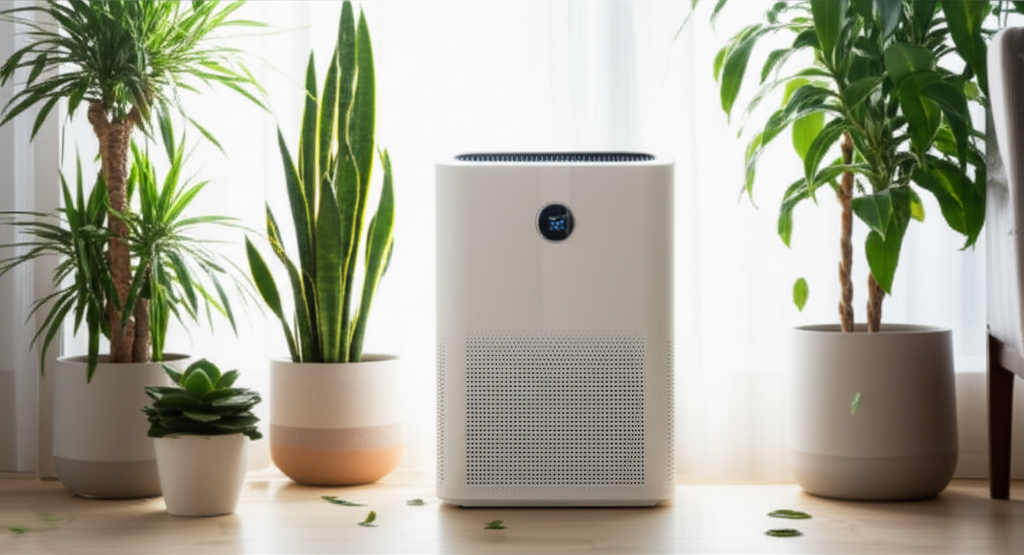
The placement of your air purifier can influence its effectiveness and its potential interaction with your plants. Ideally, position the air purifier in a location where it can effectively circulate air throughout the room without being directly aimed at your plants. Placing it on a shelf or a table near the center of the room, or in a corner where airflow is good, can help ensure optimal air cleaning without direct drafts on your plants.
Avoid placing the air purifier directly next to your plants, especially if it’s an ionizing model. This ensures that any minimal ozone produced is dispersed widely before reaching your plants. Also, ensure the purifier has adequate space around it for proper air intake and exhaust, which is crucial for its efficiency.
Maximizing Benefits: Air Purifiers and Your Greenery
To maximize the positive effects of your air purifier on your plants, consider a few key strategies. Choose an air purifier with a true HEPA filter and an activated carbon filter; these are highly effective at removing pollutants without generating harmful byproducts. Regularly maintain your air purifier by cleaning or replacing the filters as recommended by the manufacturer. Clogged filters reduce efficiency and can even recirculate dust.
Ensure the air purifier is appropriately sized for the room. An undersized unit will struggle to clean the air effectively, diminishing any potential benefits. A well-maintained, correctly sized purifier creates a cleaner, healthier environment that supports overall well-being for both you and your plants.
Can Air Purifiers Help with Plant-Specific Issues?
While air purifiers are not a direct solution for common plant ailments like pests or fungal diseases, they can contribute to a healthier growing environment that makes plants more resilient. For instance, some plant owners struggle with mold or mildew in humid environments. An air purifier can help reduce airborne mold spores, potentially mitigating the spread of such issues.
Additionally, if your plants are sensitive to airborne chemicals, such as those found in cleaning products or new furniture (VOCs), an air purifier with a robust activated carbon filter can help remove these from the air. This creates a gentler atmosphere for sensitive species. However, remember that air purifiers cannot fix underlying issues with watering, light, or soil.
Comparing Air Purifier Technologies for Plant Owners
Here’s a quick comparison to help you choose the right technology:
| Technology | How it Works | Potential Plant Impact | Recommendation for Plants |
| :———————- | :———————————————– | :—————————————————————————————– | :—————————————————————————————– |
| HEPA Filtration | Physically traps particles (dust, pollen, etc.) | Minimal to none; highly beneficial for removing settling dust. | Highly Recommended. Safe and effective. |
| Activated Carbon | Absorbs gases, odors, and VOCs | Minimal to none; beneficial for removing airborne chemicals. | Highly Recommended. Complements HEPA filtration. |
| Ionization | Releases ions to charge particles, making them fall | Can produce ozone, which can be harmful to plants in high concentrations. | Use with Caution. Choose models with low/no ozone emissions and monitor your plants. |
| UV-C Light | Kills airborne microorganisms | Generally safe; UV-C is contained within the unit. | Generally Safe. Primarily targets airborne pathogens. |
| Ozone Generators | Intentionally produce ozone to purify air | High risk. Ozone is toxic to plants at elevated levels. | Avoid. Not suitable for environments with plants. |
Choosing a purifier with a combination of HEPA and activated carbon filtration offers the best balance of effectiveness and safety for your plant-filled home.
Common Concerns and Solutions
One common concern is whether the fan in an air purifier might dry out plants. While a strong, direct draft can be dehydrating, most air purifiers are designed for ambient air circulation. If you notice your plants near the purifier seem dry, slightly reposition the unit or adjust its fan speed. Another concern is noise; many modern units are whisper-quiet, ensuring a peaceful environment for you and your plants.
If you’re using an older model or are unsure about ozone production, you can purchase an inexpensive ozone meter to check the levels in your home. Alternatively, many manufacturers now provide detailed specifications on ozone output. Always prioritize purifiers with certifications from reputable organizations that verify their safety and performance claims.
Frequently Asked Questions
Do air purifiers make plants grow faster?
Air purifiers don’t directly stimulate plant growth, but by cleaning the air and reducing dust on leaves, they can improve a plant’s ability to photosynthesize efficiently, which supports healthy growth.
Can I put an air purifier in a greenhouse with plants?
Yes, but choose an ozone-free model. Greenhouses can have higher humidity and air circulation needs, so a well-placed, appropriate air purifier can help manage airborne spores and improve air quality for plants.
Will an air purifier help my plants if they have pests?
No, air purifiers do not kill pests like spider mites or mealybugs. They only address airborne particles and gases. You’ll need to use specific pest control methods for infestations.
What is the best type of air purifier for a home with plants?
An air purifier with a true HEPA filter and an activated carbon filter is generally considered the best and safest option for homes with plants, as it effectively cleans the air without producing harmful byproducts like ozone.
How close can an air purifier be to my plants?
It’s best to keep air purifiers a few feet away from plants to avoid direct drafts and to allow for wider air circulation. Avoid placing them so they are directly blowing air onto plant leaves.
Can air purifiers remove allergens that affect my plants?
Air purifiers can remove airborne allergens like pollen and mold spores that might settle on plants, potentially creating a cleaner environment. However, they don’t address soil-borne allergens or issues within the plant itself.
Should I turn off my air purifier at night if I have plants?
There’s generally no need to turn off an air purifier at night. Continuous air purification provides consistent benefits for air quality, and most modern units are designed for quiet, 24/7 operation without negatively impacting plants.
Conclusion
So, do air purifiers affect plants? The answer is nuanced but overwhelmingly positive when you make informed choices. For the most part, air purifiers, especially those utilizing HEPA and activated carbon filtration, are not only safe for your plants but can actively contribute to their well-being by removing dust and airborne irritants. By understanding the different technologies, choosing wisely, and considering placement, you can ensure your air purifier enhances the indoor environment for both you and your beloved greenery. Embrace cleaner air, and watch your plants thrive in a healthier atmosphere.