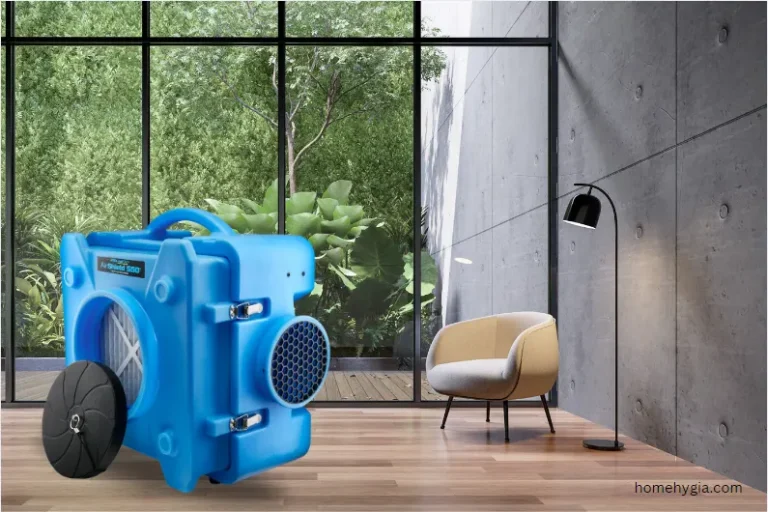
Do Air Purifier Work For Mold? Proven Essential Solution

Yes, air purifiers can significantly help manage mold issues by capturing airborne mold spores, but they are not a standalone solution for eliminating mold growth. They are most effective when used alongside other mold remediation strategies.
Do Air Purifiers Work for Mold? The Proven Essential Solution for Cleaner Air
Dealing with mold in your home can be a frustrating and even concerning experience. You might be wondering if there’s a simple, effective way to combat the airborne spores that contribute to its spread and impact your indoor air quality. Many homeowners ask, “Do air purifiers work for mold?” The good news is that they can be a vital part of your strategy, but understanding their role is key to success. This guide will walk you through how air purifiers tackle mold and what you need to know for a truly mold-free environment.
Understanding How Air Purifiers Combat Mold Spores
Air purifiers are designed to capture microscopic particles from the air, and mold spores are definitely among those particles. When a mold outbreak occurs, whether it’s visible or hidden, spores are released into the air and can travel throughout your home. An air purifier with the right filtration system can effectively trap these airborne spores, preventing them from spreading further and settling on surfaces. This process significantly improves indoor air quality by reducing the concentration of mold allergens.
The Role of HEPA Filters in Mold Spore Capture
The most crucial component of an air purifier for tackling mold is its High-Efficiency Particulate Air (HEPA) filter. A true HEPA filter is certified to capture at least 99.97% of airborne particles that are 0.3 microns in size. Mold spores vary in size, but many fall within or are even larger than this threshold, making them prime targets for HEPA filtration. By forcing air through this dense filter material, the purifier traps the spores, preventing them from recirculating back into your living space.
Activated Carbon Filters: A Supporting Role
While HEPA filters physically trap mold spores, activated carbon filters in air purifiers play a supporting role. These filters are excellent at adsorbing odors and volatile organic compounds (VOCs) that mold can produce. If your mold issue has led to musty smells, an activated carbon filter can help neutralize those unpleasant odors, further improving the perceived freshness of your air. However, it’s important to remember that activated carbon does not remove mold spores themselves; it targets the byproducts.
Are Air Purifiers a Complete Mold Solution?
It’s essential to understand that air purifiers are a powerful tool for managing airborne mold, but they are not a complete solution on their own. Mold growth requires moisture, a food source (like drywall or wood), and suitable temperatures. An air purifier cannot address the underlying cause of mold growth, which is typically excess humidity or a water intrusion issue. Therefore, while an air purifier can capture spores, it won’t stop mold from growing if the conditions remain favorable.
The Importance of Addressing the Moisture Source
To effectively eliminate mold, you must first identify and address the source of moisture that is allowing it to grow. This could involve fixing leaky pipes, repairing roof damage, improving ventilation in bathrooms and kitchens, or addressing condensation issues. Without resolving the moisture problem, mold will continue to return, regardless of how good your air purifier is. Think of the air purifier as a crucial ally in your fight, not the sole warrior.
When to Call a Professional for Mold Remediation
For significant mold infestations, especially those covering more than a few square feet or located in hard-to-reach areas, it’s highly recommended to consult with a professional mold remediation service. Professionals have the specialized equipment and expertise to safely remove mold, address the underlying moisture issues, and ensure your home is thoroughly cleaned and decontaminated. They can also perform air quality testing to confirm that mold levels have returned to normal.
Choosing the Right Air Purifier for Mold Control
When selecting an air purifier for mold, several features are paramount. Look for units that explicitly state they have a true HEPA filter. The size of the room the purifier will be used in is also critical; ensure the unit has a sufficient Clean Air Delivery Rate (CADR) for that space. A higher CADR means the purifier can clean the air in the room more effectively and quickly.
Key Features to Look For in a Mold-Fighting Air Purifier
True HEPA Filter: This is non-negotiable for capturing mold spores.
High CADR: Ensure it’s rated for the square footage of your room.
Activated Carbon Filter: Helpful for odor removal associated with mold.
Pre-filter: Captures larger particles like dust and pet dander, extending the life of the HEPA filter.
Quiet Operation: Especially important for bedrooms or living areas.
Coverage Area: Match the purifier’s capacity to your room size.
Understanding CADR and Room Size Recommendations
The Clean Air Delivery Rate (CADR) indicates how quickly an air purifier can clean a room of specific pollutants. For mold control, you want a CADR that is high enough to circulate and filter the air in your space multiple times per hour. Manufacturers often provide recommended room sizes for their units; it’s generally advisable to choose a purifier rated for a slightly larger room than you intend to use it in for maximum effectiveness against mold spores.
How to Effectively Use Air Purifiers for Mold Management
Once you have the right air purifier, proper usage is key to maximizing its effectiveness against mold spores. Running the purifier consistently, especially in areas prone to mold or where mold has been present, is crucial. Positioning the unit in the right location within the room can also make a difference in how efficiently it circulates and cleans the air.
Placement and Continuous Operation
For best results, place your air purifier in the room where mold is a concern or where you spend the most time. Avoid placing it directly against walls or furniture, as this can obstruct airflow. Running the air purifier continuously, or at least for extended periods each day, will ensure that airborne mold spores are consistently being captured. Some models have automatic modes that adjust fan speed based on air quality, which can be very convenient.
Regular Filter Maintenance is Crucial
The effectiveness of your air purifier hinges on the condition of its filters. HEPA filters and activated carbon filters need to be replaced according to the manufacturer’s recommendations, typically every 6-12 months, depending on usage and air quality. A clogged or old filter will not be able to capture particles efficiently and can even become a breeding ground for mold itself if not maintained. Always follow the manufacturer’s guidelines for filter replacement.
When Air Purifiers Might Not Be Enough
While highly beneficial, air purifiers have limitations when it comes to mold. They are designed to filter airborne particles, not to remove mold that is actively growing on surfaces. If you have visible mold growth, the priority must be its removal. Air purifiers can help clean up residual spores after cleaning but cannot replace the physical removal of mold colonies.
Visible Mold Requires Direct Cleaning
If you see mold on your walls, ceilings, or other surfaces, an air purifier alone will not solve the problem. You need to clean the mold directly using appropriate cleaning solutions and methods. For small areas, a solution of water and detergent or a mild bleach solution (used cautiously and with proper ventilation) can be effective. Always wear protective gear, such as gloves and a mask, when cleaning mold.
The Impact of Mold Type and Severity
The type and severity of mold in your home will also influence how effective an air purifier can be. While it can capture spores from most common types of mold, it cannot eliminate the underlying problem if the mold is extensive or if you’re dealing with particularly allergenic or toxic varieties. In such cases, professional assessment and remediation are essential for your health and safety.
Air Purifiers as Part of a Comprehensive Mold Strategy
To truly conquer mold in your home, you need a multi-faceted approach. An air purifier is an excellent component of this strategy, working alongside other preventative and remediation measures. By combining air purification with moisture control and proper cleaning, you create an environment that is inhospitable to mold growth and significantly improves your indoor air quality.
Combining Air Purification with Dehumidification
In humid environments, using a dehumidifier in conjunction with an air purifier can be highly effective. Dehumidifiers reduce the moisture content in the air, making it harder for mold spores to germinate and grow. The air purifier then works to capture any spores that are released, creating a dual-action defense against mold. This combination is particularly useful in basements, bathrooms, and other damp areas.
Preventative Measures and Ongoing Vigilance
Preventing mold from returning is just as important as removing existing growth. This involves regular cleaning, ensuring good ventilation, monitoring humidity levels, and promptly addressing any water leaks or spills. Consistent use of your air purifier, along with these preventative habits, will help maintain a healthier indoor environment and keep mold at bay.
Frequently Asked Questions About Air Purifiers and Mold
Do air purifiers kill mold?
No, air purifiers do not kill mold. They work by trapping airborne mold spores in their filters, preventing them from spreading. Mold itself needs to be physically removed from surfaces.
Can an air purifier help with mold allergies?
Yes, air purifiers can significantly help with mold allergies by reducing the concentration of airborne mold spores, which are common allergens. This can lead to fewer allergy symptoms for sensitive individuals.
How often should I run an air purifier for mold?
For best results, run your air purifier continuously, especially in areas where mold is a concern or has been present. This ensures consistent filtration of airborne spores.
What type of air purifier is best for mold?
The best air purifiers for mold have a true HEPA filter, which captures at least 99.97% of airborne particles 0.3 microns in size, including mold spores.
Do air purifiers remove mold from walls?
No, air purifiers only filter the air. They cannot remove mold that is actively growing on walls or other surfaces. Visible mold must be cleaned directly.
Can air purifiers prevent mold growth?
Air purifiers can help prevent the spread of mold spores and improve air quality, but they cannot prevent mold growth on their own. Addressing moisture sources is crucial for prevention.
Conclusion: Your Air Purifier, a Key Ally Against Mold
So, to answer the question, “Do air purifiers work for mold?” the definitive answer is yes, they are an essential and effective tool for managing airborne mold spores. By employing a true HEPA filter, these devices can significantly reduce the presence of mold allergens in your home, leading to cleaner air and potentially fewer allergy symptoms. However, it’s crucial to remember that an air purifier is part of a larger mold remediation and prevention strategy. It complements, rather than replaces, the need to address moisture sources, clean visible mold growth, and maintain good ventilation. When used correctly and in conjunction with these other vital steps, an air purifier becomes a powerful ally in creating a healthier, mold-free living environment for you and your family.