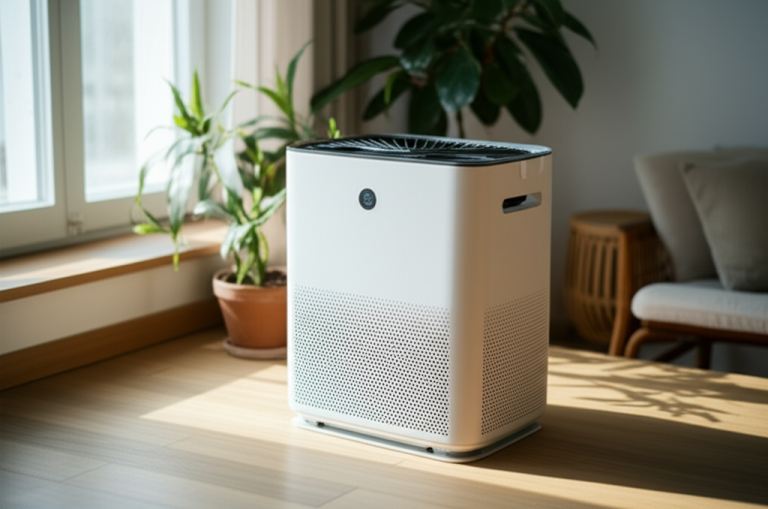
Do Air Purifier Make Room Colder? Essential Cooling Fact

Yes, some air purifiers can make a room feel slightly cooler due to the heat generated by their internal components, though the effect is usually minimal and not their primary function. Understanding this cooling fact is essential for managing your room’s temperature effectively.
Do Air Purifiers Make a Room Colder? Essential Cooling Facts Revealed
It’s a common question, especially during warmer months: “Do air purifiers make a room colder?” You might notice a subtle shift in temperature after running your air purifier for a while and wonder if it’s contributing to a cooler environment. While their main job is to clean your air, the internal workings of an air purifier can indeed influence room temperature. Let’s dive into the essential cooling facts and demystify this often-overlooked aspect of air purification.
Understanding How Air Purifiers Work
Air purifiers draw in air using a fan and then pass it through a series of filters to remove pollutants. These components, particularly the fan motor and any electronic circuitry, generate a small amount of heat as a byproduct of their operation. This is a fundamental aspect of how most electronic devices function.
This heat, while typically minor, is released back into the room. It’s this released heat that can, in theory, slightly increase the room’s temperature.
The Science Behind Air Purifier Heat Output
The heat generated by an air purifier comes primarily from its motor and the electrical components powering it. Think of it like any other appliance that uses electricity – a small amount of energy is always lost as heat. This is a direct consequence of the laws of thermodynamics.
While the heat output is usually negligible compared to other heat sources like sunlight or heating systems, it’s a factor to consider for precise temperature management.
Do Air Purifiers Actually Make a Room Colder?
The direct answer to “do air purifiers make room colder?” is generally no, they do not actively cool a room. In fact, they produce a small amount of heat. However, some users might perceive a room as cooler due to other factors associated with their use, which we will explore.
This perception can be misleading if not understood in the context of the device’s actual function.
The Fan’s Role in Air Circulation
The fan inside an air purifier is crucial for drawing air through the filters. As this fan operates, it circulates the air within the room. This continuous circulation can create a slight breeze effect, which helps in dissipating body heat and can make you feel cooler, even if the actual room temperature hasn’t dropped.
This sensation of coolness is more about airflow and evaporation from your skin than a decrease in ambient temperature.
The Heat Generation Factor: A Closer Look
Every electrical appliance, including air purifiers, generates heat. The motor that drives the fan and the electronic controls all produce a small amount of thermal energy. This heat is then released into the surrounding air.
For most air purifiers, this heat output is quite low, often comparable to a small incandescent light bulb.
Comparing Air Purifier Heat Output to Other Appliances
When considering whether air purifiers make a room colder, it’s helpful to compare their heat output to other common household appliances. A refrigerator, an oven, or even a television typically generate significantly more heat than an average air purifier.
Therefore, the thermal impact of an air purifier on overall room temperature is usually minimal.
Can Air Purifiers Affect AC Performance?
If you’re using an air conditioner, an air purifier’s heat output is unlikely to significantly impact its performance. Your air conditioner is designed to remove a much larger amount of heat from the room. The small amount of heat from an air purifier would be easily managed by the AC.
However, in a very small, enclosed space with a high-powered air purifier and a struggling AC, there could be a slight, almost imperceptible, counteracting effect.
The Perception of “Cooler” Air
Sometimes, the air exiting an air purifier might feel cooler simply because it has been filtered and is free of irritants. This can lead to a subjective feeling of freshness that might be interpreted as cooler. Additionally, the constant movement of air can enhance the evaporative cooling effect on your skin.
This psychological and physiological response can contribute to the feeling of a cooler environment.
Maximizing Airflow for a Cooler Sensation
To enhance the feeling of coolness, ensure your air purifier is placed strategically. Positioning it to create cross-ventilation or direct airflow towards areas where you spend the most time can maximize the sensation of air circulation. Avoid placing it directly in sunlight or near heat sources.
Good airflow management is key to feeling comfortable in any room.
When Air Purifiers Might Seem to “Cool” a Room
In specific scenarios, an air purifier might contribute to a perceived cooler environment. If the air purifier is replacing a more heat-generating device, or if its fan is significantly increasing air circulation in an otherwise stagnant room, the overall effect might be a feeling of coolness. Also, if the air purifier is used in conjunction with an air conditioner, the filtered air can feel crisper and cooler.
The primary function remains air purification, with temperature effects being secondary.
Are There Air Purifiers Designed for Cooling?
While standard air purifiers do not actively cool a room, some devices combine air purification with other functions. For instance, some “air cooler” units also incorporate HEPA filtration. These are essentially evaporative coolers with an added air purification feature, designed to lower room temperature through water evaporation.
It’s crucial to distinguish between a pure air purifier and a hybrid cooling device.
Choosing the Right Air Purifier for Your Needs
When selecting an air purifier, focus on its primary function: air purification. Consider factors like the size of the room, the types of pollutants you need to address, and the noise level. If you’re looking for active cooling, a dedicated air conditioner or a specialized air cooler would be more effective.
HomeHygiene.com offers a range of air purifiers designed to effectively clean your air without significant heat output.
Conclusion: Do Air Purifiers Make Room Colder?
So, to definitively answer the question, “do air purifiers make room colder?”, the answer is generally no. Air purifiers primarily function by filtering air and, in doing so, generate a minimal amount of heat. The sensation of coolness you might experience is typically due to increased air circulation from the fan, which aids in body cooling, or a psychological effect of breathing cleaner air. They are not designed to replace your air conditioner or act as a cooling device. Understanding this essential cooling fact helps set realistic expectations for your air purifier’s performance.
Frequently Asked Questions
Will running an air purifier increase my electricity bill?
Yes, all electrical appliances consume energy, so running an air purifier will add to your electricity bill. However, most modern air purifiers are designed to be energy-efficient, so the increase is usually minimal.
Can an air purifier help if my room feels stuffy?
Absolutely. An air purifier’s fan circulates air, which can help alleviate stuffiness. By removing airborne particles, it also makes the air feel fresher and cleaner.
Do air purifiers make noise?
Yes, air purifiers make noise due to their fan operation. The noise level varies by model and fan speed, with many offering quiet or sleep modes.
How often should I replace the filters in my air purifier?
Filter replacement frequency depends on the model and usage, but typically pre-filters need cleaning every 2-4 weeks, and HEPA filters need replacing every 6-12 months. Always check your manufacturer’s recommendations.
Can an air purifier remove odors?
Many air purifiers, especially those with activated carbon filters, are effective at removing odors from pets, cooking, smoke, and other sources.
Are air purifiers effective against viruses and bacteria?
Yes, HEPA filters can capture a significant percentage of airborne viruses and bacteria. Some purifiers also feature UV-C light technology for added germicidal action.
What is the best place to put an air purifier in a room?
Place your air purifier in a location where it has good airflow, away from obstructions like furniture or curtains. Centrally located areas or near the source of pollution are often ideal.