
Do Air Purifier Help You Sleep? Proven Better Nights

Yes, air purifiers can significantly help you sleep better by removing allergens, pollutants, and irritants that disrupt rest. They create a healthier sleep environment, leading to deeper, more restorative sleep and fewer nighttime awakenings.
Breathing clean air is fundamental to good health, and that includes our sleep. Many of us struggle with restless nights, waking up feeling groggy, or experiencing allergies that flare up when we lie down. If you’re wondering, “Do air purifiers help you sleep?” you’re not alone. This frustration is common, but thankfully, there’s a scientifically supported solution. I’m here to guide you through exactly how cleaner air can transform your sleep, ensuring you wake up feeling refreshed and revitalized. Let’s explore the proven benefits of using an air purifier for better nights.
How Air Purifiers Improve Sleep Quality
Air purifiers actively remove airborne contaminants like dust, pollen, pet dander, mold spores, and volatile organic compounds (VOCs) from your bedroom. By reducing these irritants, they create a more comfortable and healthier environment conducive to uninterrupted sleep. This leads to deeper sleep cycles and less waking during the night.
The Science Behind Cleaner Air and Better Sleep
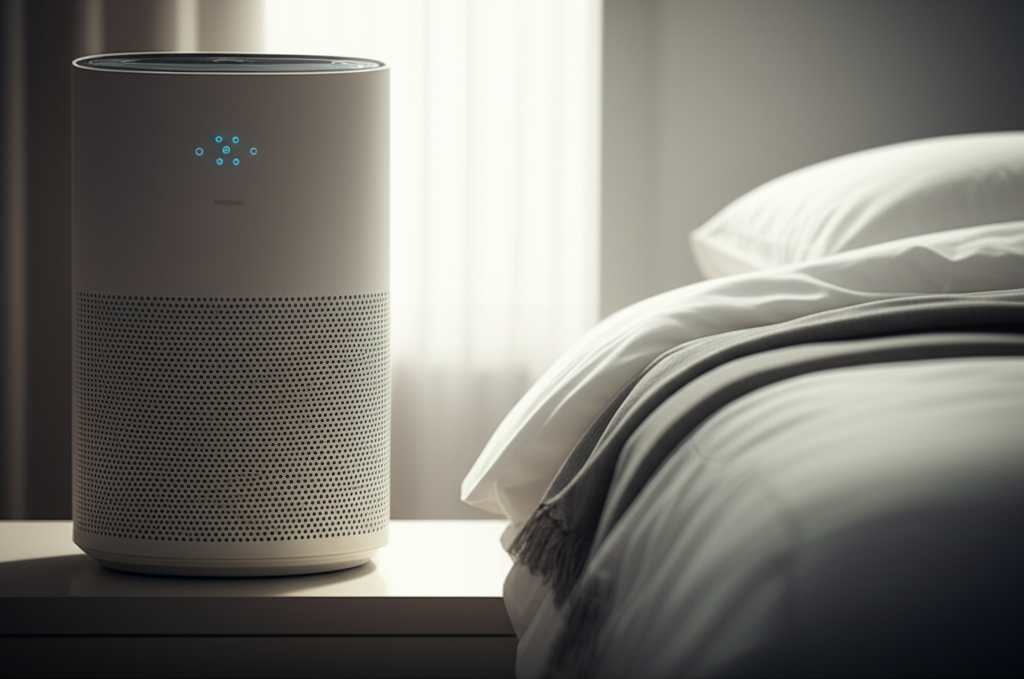
Research suggests that exposure to air pollution can negatively impact sleep quality, leading to increased sleep disturbances and reduced sleep efficiency. A study published in the journal Sleep found a correlation between higher levels of fine particulate matter (PM2.5) and poorer sleep outcomes. Air purifiers, by filtering out these harmful particles, can mitigate these negative effects.
Reducing Allergens for Allergy Sufferers
If you suffer from allergies, your bedroom can be a minefield of triggers like dust mites, pollen, and pet dander. These allergens can cause congestion, coughing, and itchy eyes, all of which make falling and staying asleep incredibly difficult. An air purifier equipped with a HEPA filter can capture up to 99.97% of these microscopic allergens, providing significant relief. This means fewer sneezes and sniffles, allowing for a more peaceful night.
Minimizing Respiratory Irritants
Beyond allergens, air purifiers tackle other respiratory irritants such as smoke, fumes, and certain chemical pollutants. These can inflame airways and trigger symptoms like asthma or bronchitis, disrupting breathing patterns during sleep. By removing these irritants, air purifiers help maintain clearer airways, making breathing easier and promoting deeper, more consistent sleep.
The Impact of VOCs on Sleep
Volatile Organic Compounds (VOCs) are gases emitted from common household items like paints, cleaning products, and furniture. Exposure to VOCs, especially during sleep, has been linked to headaches, dizziness, and impaired cognitive function, all of which can affect sleep quality. Air purifiers with activated carbon filters are particularly effective at adsorbing these harmful gases, leading to a healthier sleep environment.
Noise Reduction for a Quieter Sleep Environment
Many modern air purifiers are designed to operate very quietly, often with a “sleep mode” that further reduces fan speed and light emissions. This white noise can actually be beneficial for sleep, masking disruptive ambient sounds that might otherwise wake you. A quieter, more consistent soundscape can help you drift off more easily and stay asleep longer.
Improving Air Circulation and Freshness
Beyond filtering, air purifiers also help circulate air within your room. This improved circulation ensures that stale air is constantly being drawn into the purifier and replaced with cleaner air. This can make your bedroom feel fresher and more pleasant, contributing to a more comfortable and inviting sleep space.
Choosing the Right Air Purifier for Your Bedroom
When selecting an air purifier for sleep, consider its coverage area, filter type, noise level, and energy efficiency. A HEPA filter is essential for capturing allergens and fine particles, while an activated carbon filter is best for odors and VOCs. Look for models with a quiet operation and a dedicated sleep mode.
Key Features to Look For
True HEPA Filter: Captures 99.97% of particles 0.3 microns in size.
Activated Carbon Filter: Adsorbs odors, gases, and VOCs.
Quiet Operation: Look for models with a low decibel rating (under 30 dB) on their lowest setting.
Sleep Mode: Dims lights and reduces fan speed for quieter operation.
Coverage Area: Ensure the purifier is rated for the size of your bedroom.
Energy Efficiency: Look for ENERGY STAR certified models.
Understanding CADR Ratings
The Clean Air Delivery Rate (CADR) indicates how quickly an air purifier can clean a room. Higher CADR ratings mean faster air cleaning. For a bedroom, you’ll want a CADR that’s appropriate for the room’s square footage.
HEPA vs. Other Filter Types
While True HEPA filters are the gold standard for particle removal, some purifiers use other technologies like ionizers or UV-C light. It’s important to research these, as some ionizers can produce ozone, which can be a respiratory irritant. For sleep, prioritizing HEPA and activated carbon filters is generally the safest and most effective approach.
Smart Features for Enhanced Convenience
Many air purifiers now come with smart features like app control, air quality sensors, and automatic mode adjustments. These can help you monitor your air quality and ensure the purifier is always working optimally without constant manual intervention.
When to Consider an Air Purifier for Sleep
You should consider an air purifier for your bedroom if you experience frequent allergy symptoms, live in an area with poor outdoor air quality, have pets, or notice persistent odors or stuffiness in your room. Anyone looking to proactively improve their sleep hygiene and overall well-being can benefit.
Recognizing Signs of Poor Indoor Air Quality
Symptoms like persistent stuffiness, frequent headaches upon waking, dry throat, or noticeable odors in your bedroom can indicate poor indoor air quality. If your allergies seem worse at night or in the morning, an air purifier could be the solution.
The Benefits for Pet Owners
Pet dander is a common allergen and can significantly impact sleep quality. Air purifiers with robust HEPA filtration are highly effective at capturing pet dander, reducing exposure and leading to more comfortable sleep for you and your family.
Living in Urban or Industrial Areas
If you live in a city or near industrial zones, outdoor pollutants can easily infiltrate your home. An air purifier acts as a barrier, filtering out these harmful particles and creating a sanctuary of clean air within your bedroom.
Proven Benefits of Using Air Purifiers for Sleep
Numerous studies and user testimonials highlight the positive impact of air purifiers on sleep. By reducing airborne irritants, improving air circulation, and providing a quieter environment, they contribute to deeper, more restorative sleep. This leads to increased daytime alertness, improved mood, and better overall health.
Scientific Studies Supporting the Link
Research has consistently shown that improved indoor air quality is linked to better sleep. For example, a study in the Journal of Environmental Psychology found that participants reported higher sleep quality in environments with lower levels of indoor air pollutants.
User Testimonials and Anecdotal Evidence
Many users report dramatic improvements in their sleep after using an air purifier. Common feedback includes falling asleep faster, experiencing fewer nighttime awakenings, and waking up feeling more rested and less congested.
Impact on Daytime Performance and Well-being
Better sleep translates directly to improved daytime functioning. With a good night’s rest, you can expect enhanced concentration, better mood regulation, and increased energy levels throughout the day.
Setting Up and Maintaining Your Air Purifier
Proper setup and regular maintenance are crucial for your air purifier to function effectively. Ensure it’s placed in an optimal location and that filters are changed or cleaned as recommended by the manufacturer.
Optimal Placement in Your Bedroom
Place your air purifier in a location where air can circulate freely around it, away from walls or furniture that might obstruct airflow. Placing it near your bed can maximize the benefits for your immediate sleep environment.
Filter Replacement and Cleaning Schedule
HEPA and activated carbon filters typically need replacement every 6-12 months, depending on usage and air quality. Some pre-filters can be washed. Regularly checking and replacing filters ensures optimal performance.
Understanding Energy Consumption
Most modern air purifiers are designed to be energy-efficient, especially when using their sleep modes. Look for ENERGY STAR certified models to minimize electricity costs.
Addressing Common Concerns About Air Purifiers and Sleep
While generally beneficial, some people have concerns about noise or ozone production. It’s important to choose models that are designed for quiet operation and avoid those that produce ozone.
Ozone Production and Health Risks
Some air purification technologies, like certain ionizers, can produce ozone as a byproduct. Ozone is a lung irritant and can worsen respiratory conditions. It’s best to opt for purifiers that do not produce ozone or have a minimal, safe output.
Noise Levels and Sleep Disruption
While some purifiers can be noisy, many are specifically designed for quiet bedroom use. Look for models with low decibel ratings and a dedicated sleep mode for a peaceful experience.
The Cost Factor
Air purifiers range in price, but the investment in better sleep and improved health can be significant. Consider the long-term benefits when evaluating the cost of a unit and ongoing filter replacements.
Conclusion: Invest in Your Sleep with Cleaner Air
Do air purifiers help you sleep? The evidence strongly suggests they do. By diligently removing allergens, pollutants, and irritants from your bedroom, an air purifier creates a healthier environment that fosters deeper, more restorative sleep. This isn’t just about comfort; it’s about investing in your overall health and well-being. Making the right choice in an air purifier can lead to proven better nights and more energized days.
Frequently Asked Questions About Air Purifiers and Sleep
Can an air purifier help with snoring?
While an air purifier doesn’t directly stop snoring, it can help by reducing allergens and irritants that may contribute to nasal congestion and throat irritation, which can exacerbate snoring. Clearer airways can lead to quieter breathing.
How long does it take to notice improved sleep from an air purifier?
Many users report feeling a difference within a few nights, especially if their sleep issues were directly related to airborne allergens or irritants. For more subtle improvements, it might take a week or two of consistent use.
Are air purifiers effective against dust mites?
Yes, air purifiers with True HEPA filters are very effective at capturing dust mite allergens, which are microscopic particles shed by dust mites. This significantly reduces your exposure while you sleep.
Should I run my air purifier all night?
Yes, running your air purifier throughout the night, especially on a low or sleep setting, is ideal for maintaining clean air while you sleep. Continuous operation ensures the air quality remains optimal.
What is the best type of air purifier for a bedroom?
For a bedroom, a True HEPA air purifier with an activated carbon filter is generally considered the best. It effectively removes both particulate matter (allergens, dust) and gaseous pollutants (odors, VOCs).
Can air purifiers help with dry air?
Air purifiers do not add humidity to the air; they focus on removing pollutants. If dry air is an issue, you might consider a humidifier in addition to an air purifier.
Do air purifiers make a lot of noise?
Modern air purifiers, particularly those designed for bedrooms, often have very quiet settings and a sleep mode that minimizes noise. Always check the decibel (dB) rating before purchasing.
